Imagine stepping into your garden and envisioning a lush, well-kept space that brings both tranquility and joy. A garden rake might just be the unsung hero you need to achieve this vision.
Whether you’re a seasoned gardener or just starting out, mastering the use of a garden rake can transform your outdoor space. In this guide, you’ll uncover the secrets to using a garden rake efficiently, ensuring your garden remains a beautiful extension of your home.
Curious about how this simple tool can make a world of difference in your gardening routine? Keep reading to discover tips and tricks that could revolutionize the way you care for your garden.
Choosing The Right Garden Rake
Picking the right garden rake makes yard work easier and faster. A good rake helps gather leaves, break soil, and clear debris.
There are many types of rakes. Materials and handle size also affect comfort and durability. Learn what fits your garden tasks best.
Types Of Garden Rakes
Different rakes serve different purposes. Choose one based on your gardening needs.
- Leaf Rake:Has a fan shape with flexible tines. Best for gathering leaves and light debris.
- Garden Rake:Has straight, stiff tines. Good for breaking soil and spreading mulch.
- Bow Rake:Features a flat head with strong tines. Works well for leveling soil and heavy material.
- Shrub Rake:Smaller with short tines. Designed to clean under shrubs and tight spaces.
Material And Durability
Materials affect how long your rake lasts and how much effort you need to use it.
| Material | Pros | Cons |
| Steel | Strong and durable | Can rust if not maintained |
| Aluminum | Lightweight and rust-resistant | Less strong than steel |
| Plastic | Very light and affordable | Less durable, breaks easily |
| Wood (handle) | Comfortable grip, natural feel | Can splinter or warp |
| Fiberglass (handle) | Strong and weather-resistant | Can be heavier than wood |
Handle Length And Comfort
The handle length affects your reach and back comfort. Choose a handle that fits your height and task.
- Short handles (around 36 inches) offer better control in tight spaces.
- Long handles (48 inches or more) reduce bending and reach farther.
- Look for handles with a smooth finish to avoid blisters.
- Some handles have cushioned grips for extra comfort.

Credit: www.youtube.com
Preparing Your Yard
Using a garden rake helps you prepare your yard for planting and maintenance. It clears the ground and makes it ready for new growth.
Before you start raking, plan how to clean and check your soil. This helps you get the best results.
Clearing Debris
Remove leaves, sticks, and trash from your yard. A clean surface makes raking easier and helps plants grow.
Use the rake to gather debris into piles. Then, pick up the piles or use a tarp to carry them away.
- Start from one corner of the yard
- Work in small sections for control
- Check for hidden rocks or trash
- Dispose of debris properly
Assessing Soil Conditions
Look at your soil to see if it is dry, wet, or compacted. This helps you decide how to rake.
Soft soil needs gentle raking to avoid damage. Hard soil may need more effort to loosen.
- Check soil moisture by touch
- Look for hard or clumpy spots
- Note areas with poor drainage
- Plan to break up compacted soil
Marking Problem Areas
Identify spots with weeds, bare soil, or erosion. Mark these places so you can fix them later.
Use flags, sticks, or stones to mark problem areas. This helps you focus your work efficiently.
- Mark weed patches for removal
- Flag bare soil for planting
- Note slopes or eroded spots
- Plan repair or soil improvement
Raking Techniques For Different Tasks
A garden rake is a useful tool for many gardening jobs. Using the right technique helps you work faster and better.
This guide shows how to use a rake for leaf removal, soil leveling, and spreading grass seed.
Leaf Removal Tips
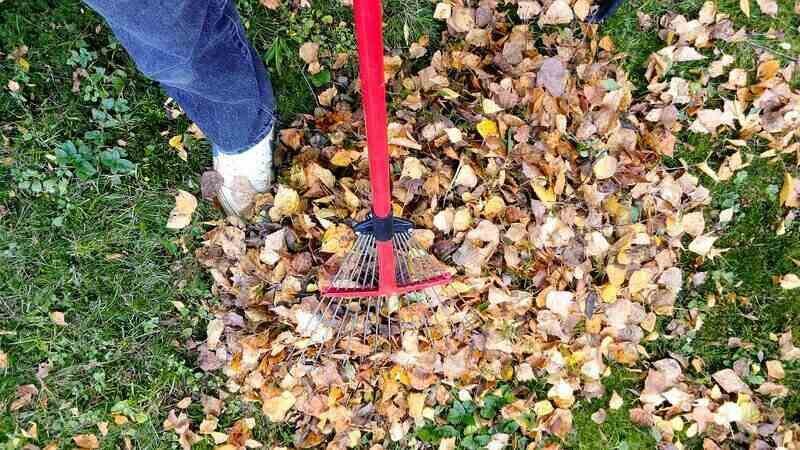
Raking leaves is easier with a flexible rake. Use wide, sweeping strokes to gather leaves into piles.
Work with the wind direction to collect leaves quickly. Avoid pressing too hard to protect the grass.
- Start from the lawn edges and move inward
- Use light, long pulls to avoid damaging grass
- Rake when leaves are dry for best results
Leveling Soil And Mulch
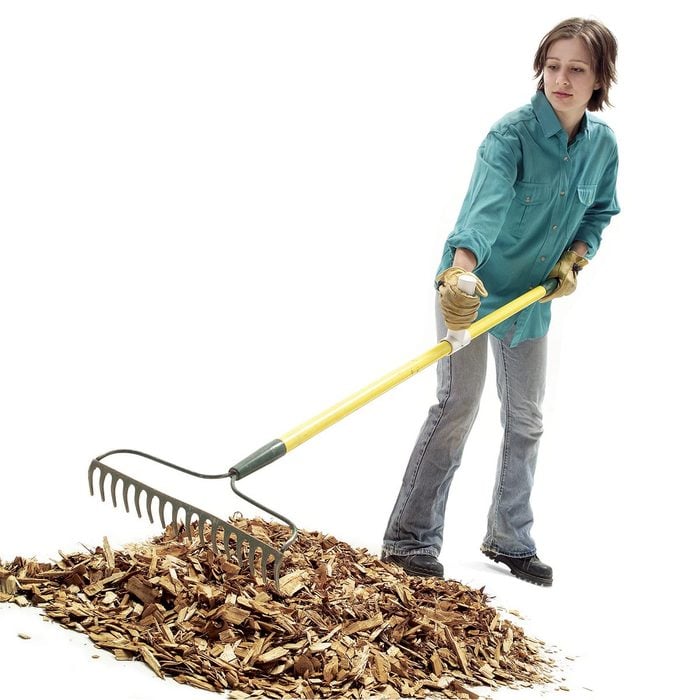
Use a garden rake with strong, straight tines to level soil and mulch. Pull the rake toward you to smooth the surface.
Work in small sections to keep soil even. Raking breaks up clumps and spreads material evenly.
- Start at high spots and rake soil into low spots
- Use back-and-forth strokes to create a flat surface
- Check the level with a board or your eye often
Spreading Grass Seed
After spreading grass seed, lightly rake the area with a garden rake. This helps cover seeds with soil.
Use gentle, short strokes to avoid moving seeds too far. Raking improves seed-to-soil contact for better growth.
- Rake in different directions for even coverage
- Do not press hard or dig into the soil
- Water gently after raking to keep seeds moist
Credit: www.familyhandyman.com
Maintaining Your Garden Rake
Taking care of your garden rake keeps it working well for a long time. Regular maintenance stops damage and makes your work easier.
Here are some simple ways to clean, store, and repair your rake to keep it in top shape.
Cleaning After Use
Remove dirt and debris from your rake after each use. This prevents rust and keeps the tines sharp.
- Shake off loose soil and leaves.
- Use a stiff brush to clean stuck dirt.
- Wash the metal parts with water and dry them fully.
- Wipe wooden handles with a dry cloth to remove moisture.
Storage Best Practices
Store your garden rake in a dry, covered place. This stops rust and damage from weather.
| Storage Tip | Reason |
|---|---|
| Hang rake on a wall hook | Keeps tines off the ground and prevents bending |
| Keep indoors or in a shed | Protects from rain and sun damage |
| Avoid stacking heavy tools on top | Prevents handle cracks and tine damage |
| Store handle down if laying flat | Reduces stress on metal parts |
Sharpening And Repairs
Keep the rake’s tines sharp to work well in soil. Fix any broken parts quickly to avoid bigger damage.
- Use a metal file to sharpen dull tines carefully.
- Replace bent or broken tines if needed.
- Tighten loose screws or bolts on the handle.
- Sand wooden handles smooth and apply linseed oil to prevent cracking.
Common Mistakes To Avoid
Using a garden rake seems simple, but mistakes can cause problems. Avoid common errors to keep your garden healthy and neat.
This guide covers key mistakes gardeners make with rakes. Learn what to watch for and how to avoid damage.
Over-raking And Soil Damage
Raking too much or too hard can harm your soil. It removes important organic matter and disturbs soil structure.
Over-raking dries out the soil and can kill beneficial insects. This weakens plant growth over time.
- Rake gently and only when needed
- Avoid raking wet soil to prevent compaction
- Leave some leaves and debris to protect soil
Using The Wrong Rake For The Job
Different rakes fit different tasks. Using the wrong rake makes your work harder and less effective.
For example, a leaf rake works well on grass but not for breaking soil. A garden rake is better for soil work.
- Use a leaf rake to gather leaves and light debris
- Use a garden rake for soil leveling and breaking clumps
- Choose a sturdy rake for heavy materials like gravel
Neglecting Safety Precautions
Ignoring safety can cause injuries. Garden rakes have sharp tines that can hurt you or others.
Wear gloves and watch your surroundings. Store the rake properly to avoid accidents.
- Wear gloves to protect your hands
- Keep the rake tines facing down when not in use
- Clear the area before raking to avoid tripping
- Do not leave the rake on pathways or stairs

Credit: www.youtube.com
Frequently Asked Questions
What Is The Main Use Of A Garden Rake?
A garden rake is mainly used to collect leaves, grass, and debris. It also helps in leveling soil and spreading mulch evenly.
How Do You Properly Use A Garden Rake?
Hold the rake handle firmly and pull it toward you in short strokes. Use light pressure to avoid damaging soil or plants.
Which Type Of Garden Rake Is Best For Soil?
A garden rake with rigid, short tines is best for soil. It breaks up clumps and smooths the surface effectively.
How Often Should You Rake Your Garden?
Rake your garden weekly during growing seasons to remove debris. This promotes healthy soil and prevents weed growth.
Conclusion
Using a garden rake makes yard work easier and more efficient. It helps clear leaves, smooth soil, and gather debris quickly. Choose the right rake for your task to get the best results. Regular use keeps your garden neat and healthy.
Practice proper technique to avoid strain and enjoy your time outside. A garden rake is a simple tool with many uses. Try it, and see how it improves your gardening experience.