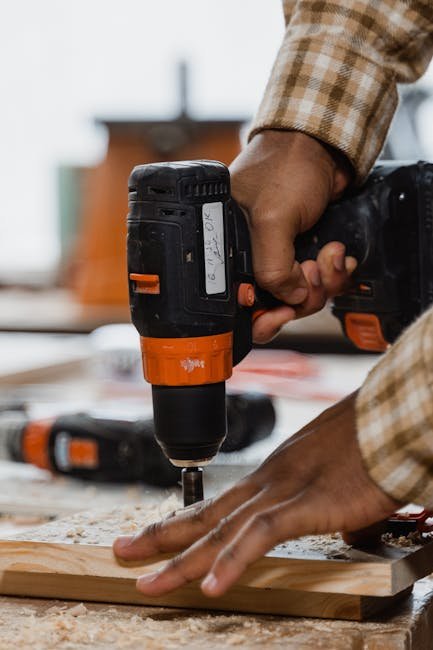
Are you ready to unleash the true potential of your construction projects? Imagine having the power to tackle any task effortlessly, without the hassle of tangled cords or limited mobility.
A cordless drill is your ultimate ally, offering you the freedom and efficiency you need on the job site. But there’s more to it than just pulling the trigger. In this guide, you’ll discover the secrets to mastering your cordless drill like a pro.
Whether you’re a seasoned contractor or a DIY enthusiast, understanding the nuances of this tool can transform your work. From choosing the right drill to mastering its features, this comprehensive guide will equip you with everything you need to elevate your construction game. Curious about how to get the most out of your cordless drill? Read on to unlock the tips and tricks that will make your projects smoother, faster, and more enjoyable.
Choosing The Right Cordless Drill
Choosing the right cordless drill is important for construction work. The right drill makes your job easier and faster.
There are many drills available. You need to know what features fit your needs before buying one.
Key Features To Consider
Look at the drill’s speed, torque, and ease of use. These features affect how well the drill works for your tasks.
- Speed settings for different materials
- Torque for drilling strength
- Lightweight design for comfort
- Ergonomic grip for better control
Battery Types And Life
Battery type affects how long your drill works and how fast it charges. Choose a battery that fits your work style.
Most cordless drills use lithium-ion batteries. They last long and hold power well.
- Lithium-ion: Lightweight, long life, quick charging
- Nickel-cadmium: Heavier, less charge retention
- Battery life depends on amp hours (Ah)
- Higher Ah means longer run time
Drill Sizes And Power
Drills come in different sizes and power levels. Pick one that fits the tasks you do most.
Smaller drills are good for light work. Larger drills handle tough materials and heavy jobs.
| Drill Size | Power (Voltage) | Best For |
|---|---|---|
| Compact (12V or less) | Low power | Light tasks, tight spaces |
| Mid-size (18V) | Medium power | General construction work |
| Heavy-duty (20V+) | High power | Hard materials, large projects |
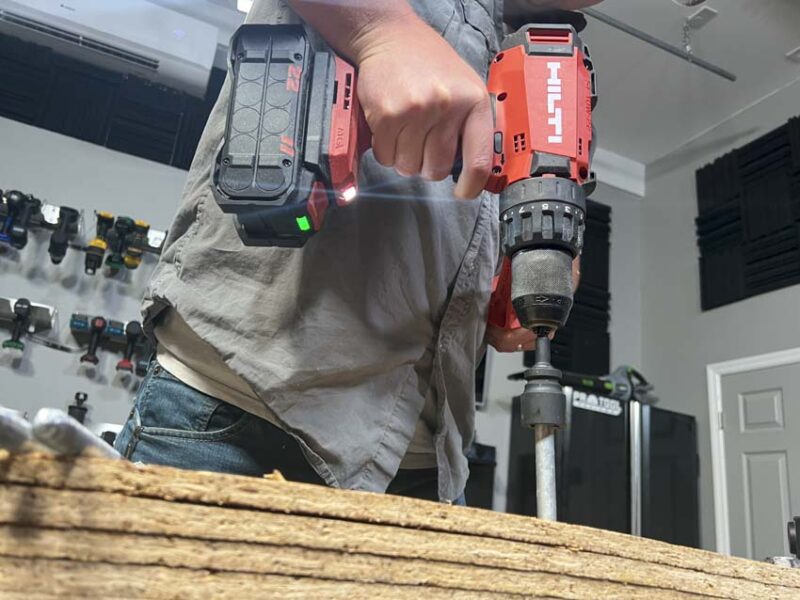
Credit: www.protoolreviews.com
Essential Drill Accessories
A cordless drill becomes more useful with the right accessories. These help you work on many projects safely and efficiently.
This guide covers important accessories for drills. You will learn about drill bits, attachments, and storage tools.
Drill Bits For Different Materials
Choose the correct drill bit for the material you work on. Different bits suit wood, metal, or concrete.
- Wood bits have a sharp point for clean holes in wood.
- Metal bits are made of harder steel for drilling metal surfaces.
- Masonry bits have a carbide tip for drilling into concrete or brick.
- Spade bits create large holes in wood fast.
- Step bits drill various hole sizes in thin metal sheets.
Using Attachments Effectively
Attachments increase your drill’s functions. Use them safely and correctly for best results.
| Attachment | Use | Tip |
| Screwdriver bit | Drive screws | Match bit size to screw head |
| Wire brush | Clean metal surfaces | Wear safety glasses |
| Mixing paddle | Mix paint or cement | Start slow to avoid splashing |
| Right angle adapter | Reach tight spots | Keep steady pressure |
Storage And Maintenance Tools
Keep your drill and accessories in good condition. Proper storage and maintenance extend their life.
- Use a sturdy case to store the drill and bits.
- Keep bits in labeled containers to find them easily.
- Clean bits after use to remove dust and debris.
- Check the drill battery and charge it regularly.
- Lubricate moving parts to avoid rust.
Preparing For Safe Use
Using a cordless drill safely is important for any construction task. Proper preparation helps prevent injuries and damage.
This guide covers key steps before you start drilling. Focus on protection, checking your tool, and organizing your space.
Personal Protective Equipment
Wear the right gear to protect yourself. Safety equipment reduces risks from flying debris and loud noises.
- Safety glasses or goggles to protect your eyes
- Ear protection such as earplugs or earmuffs
- Work gloves to protect your hands
- Dust mask if drilling creates dust
- Sturdy footwear to protect your feet
Inspecting The Drill Before Use
Check the drill carefully before turning it on. Look for damage and make sure all parts work well.
| Check Item | What to Look For |
| Battery | Fully charged and no cracks |
| Chuck | Holds the bit tightly and opens smoothly |
| Drill Bits | Not dull or broken |
| Trigger and Controls | Work without sticking |
| Body | No cracks or loose parts |
Setting Up Your Work Area
Prepare your workspace to keep safe and work efficiently. Clear clutter and organize tools.
- Choose a well-lit area
- Keep the floor dry and free of obstacles
- Secure the material you will drill
- Keep cords and batteries away from water
- Have a first aid kit nearby
Basic Drilling Techniques
Using a cordless drill is key in many construction tasks. Knowing how to handle it properly keeps your work safe and accurate.
This guide covers the basics of drilling. You will learn how to hold the drill, control speed and pressure, and start and finish holes well.
Holding And Positioning The Drill
Hold the drill firmly with both hands. One hand grips the handle, and the other supports the drill body or side handle. Keep your wrist straight to avoid strain.
- Stand with feet shoulder-width apart for balance
- Keep the drill bit perpendicular to the surface for straight holes
- Use a steady grip to reduce vibration and improve control
- Position yourself so you can see the drilling point clearly
Controlling Speed And Pressure
Adjust the drill speed based on the material. Harder materials need slower speeds to prevent damage. Softer materials allow faster drilling.
| Material | Recommended Speed | Pressure |
|---|---|---|
| Wood | High | Medium |
| Metal | Low | High |
| Plastic | Medium | Low |
Apply steady pressure. Push too hard and the bit may break or overheat. Too light pressure wastes time and reduces accuracy.
Starting And Finishing Holes
Begin drilling slowly to make a small guide hole. This helps the bit stay in place and prevents slipping.
- Align the drill bit at the marked spot
- Start drilling at low speed with light pressure
- Increase speed and pressure gradually as the bit bites
- Reduce speed near the end to avoid splintering or damage
- Withdraw the drill bit carefully while it is still spinning slowly
Advanced Drilling Tips
Using a cordless drill for construction needs skill and care. These advanced tips help you drill better and safer.
Learn how to drill at angles, handle tough materials, and avoid common mistakes for smooth work.
Drilling At Angles
Drilling at an angle needs a steady hand and the right drill bit. Keep the drill steady and start slowly.
Use a guide or clamp a block to keep your drill in place. This stops slipping and makes a clean hole.
- Mark the angle on your material before drilling
- Hold the drill firmly with both hands
- Start with a small pilot hole for control
- Check your angle often to stay accurate
Working With Hard Materials
Hard materials like metal or hardwood need special care. Use the right drill bit and lower speed to avoid damage.
Apply steady pressure but do not force the drill. Let the bit do the work to avoid breaking it.
- Choose drill bits made for hard materials
- Use cutting oil to cool the drill bit
- Drill in short bursts to prevent overheating
- Wear safety glasses to protect your eyes
Avoiding Common Mistakes
Many mistakes happen from rushing or not preparing. Take time to set up and check your drill before use.
Keep your drill bits sharp and clean. Dull bits cause slips and rough holes.
- Do not use the wrong bit for the material
- Check battery level before starting
- Secure your workpiece to prevent movement
- Wear ear and eye protection
- Keep hands clear of the drill bit
Maintaining Your Cordless Drill
Keeping your cordless drill in good shape helps it last longer. Regular care prevents breakdowns.
Simple maintenance steps save you time and money on repairs.
Cleaning And Lubrication
Clean your drill after each use to remove dust and debris. Use a dry cloth or soft brush.
Lubricate moving parts lightly to keep them working smoothly. Avoid over-oiling.
- Remove the battery before cleaning
- Use a dry brush for vents and crevices
- Apply a small amount of machine oil to the chuck
- Wipe off excess oil with a clean cloth
Battery Care And Charging Tips
Proper battery care improves drill performance. Charge batteries fully before use.
| Battery Tip | Advice |
| Charging | Use the charger that came with the drill |
| Storage | Store batteries in a cool, dry place |
| Use | Do not let the battery fully drain before charging |
| Cleaning | Keep battery contacts clean and dry |
Troubleshooting Common Issues
If your drill does not start, check the battery charge first. Loose connections can cause problems.
- Battery not charging? Try a different charger or outlet.
- Drill stalls? Clean the chuck and check for jammed bits.
- Unusual noise? Inspect for worn parts or loose screws.
- Overheating? Let the drill cool down before using again.
Maximizing Drill Performance
Using a cordless drill well can save time and effort on construction projects. Good care and smart use help the drill work at its best.
This guide shows how to improve drill performance with easy tips. Follow these ideas to get the most from your tool.
Upgrading Drill Components
Changing some parts of your drill can make it stronger and last longer. Better components help the drill work smoothly.
Look at parts like drill bits and chucks. Use parts that fit well and suit your work needs.
- Use sharp, high-quality drill bits for cleaner holes
- Replace worn-out chucks to hold bits tightly
- Choose the right size and type of bit for each material
- Keep parts clean and free from rust
Optimizing Battery Usage
Battery power is key to cordless drill performance. Using and charging batteries well extends their life.
Follow good habits to keep batteries healthy and ready for use on site.
- Charge batteries fully before use
- Avoid letting batteries drain completely
- Store batteries in a cool, dry place
- Use the drill at moderate speed to save battery
- Have extra batteries for long projects
Using The Drill For Multiple Tasks
A cordless drill can do many jobs beyond drilling holes. Using it for different tasks increases its value.
Adjust settings and use the right accessories to work on wood, metal, or screws easily.
- Switch drill bits for drilling, driving screws, or mixing
- Use lower speeds for driving screws to avoid damage
- Try hammer drill mode for masonry or concrete
- Keep the drill steady and apply even pressure

Credit: www.lowes.com

Credit: tikweld.com
Frequently Asked Questions
What Are The Main Benefits Of Using A Cordless Drill?
Cordless drills offer portability and ease of use without power cords. They allow work in tight or remote areas. Batteries provide flexibility and quick recharging. Their lightweight design reduces user fatigue. These features make cordless drills ideal for construction projects of all sizes.
How Do I Choose The Right Cordless Drill For Construction?
Consider power, battery life, and torque when choosing a drill. Look for models with adjustable speed settings and durable build quality. Battery type, such as lithium-ion, affects performance. Also, consider the drill’s weight and included accessories for convenience and efficiency.
What Safety Tips Should I Follow When Using A Cordless Drill?
Always wear safety glasses and gloves to protect yourself. Secure your workpiece before drilling. Check the drill bit for damage before use. Keep fingers away from the rotating bit. Use the correct drill bit for the material to avoid accidents.
How Can I Extend My Cordless Drill’s Battery Life?
Charge the battery fully before use and avoid overcharging. Store batteries in a cool, dry place away from direct sunlight. Use the drill at recommended speeds to prevent overheating. Regularly clean battery contacts to maintain good connection and performance.
Conclusion
Using a cordless drill makes construction tasks easier and faster. Choose the right drill and battery for your project. Always follow safety rules to avoid accidents. Practice drilling on scrap wood before starting your work. Keep your drill charged and clean for better performance.
With these tips, you can handle many jobs confidently. Ready to build? A cordless drill is a helpful tool to have. Keep learning and improving your skills step by step.