Are your hanging baskets looking a bit wilted and sad? You’re not alone.
Knowing how to water hanging baskets efficiently can be a bit tricky, but it’s a skill that can transform your garden space. Imagine lush, vibrant blooms cascading over the sides, catching everyone’s eye. You can achieve this easily with the right watering techniques.
In this guide, you’ll discover simple, practical tips to keep your hanging baskets thriving. Say goodbye to overwatering or underwatering and hello to healthy, flourishing plants. Keep reading to unlock the secrets to stunning hanging baskets that will make your outdoor space the envy of your neighborhood.
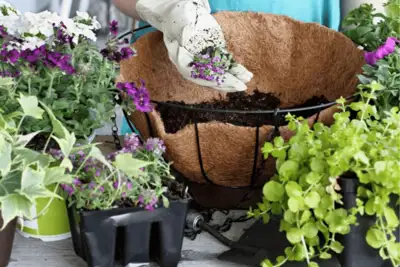
Choosing The Right Soil
Good soil helps your hanging baskets grow healthy plants. It holds water and nutrients well.
Picking the right soil makes watering easier and keeps plants happy.
Soil Types For Hanging Baskets
Light soil types work best in hanging baskets. They let air and water move easily.
Potting mix is a good choice. It is light and full of nutrients for plants.
- Potting mix: Light, nutrient-rich, holds moisture well
- Peat moss: Holds water but can dry out fast
- Coir: Made from coconut fibers, holds moisture and drains well
- Perlite or vermiculite: Added to improve air flow and drainage
Improving Drainage And Retention
Soil must drain excess water but keep enough moisture for roots. Good drainage stops root rot.
Add materials like perlite or sand to improve drainage. Use peat moss or coir to hold water.
- Mix potting soil with perlite or sand for better drainage
- Add peat moss or coir to keep soil moist longer
- Use baskets with drainage holes to let water escape
- Check soil moisture often to avoid overwatering
Credit: www.yates.com.au
Best Watering Techniques
Watering hanging baskets correctly keeps plants healthy and vibrant. Using the right methods helps water reach all roots.
Learn how often to water and the best ways to soak your baskets deeply for strong growth.
Watering Frequency And Timing
Check your hanging baskets daily, especially in hot weather. Water them when the top inch of soil feels dry.
- Water early in the morning to reduce evaporation.
- In very hot weather, check again in the afternoon.
- Avoid watering late at night to prevent fungal growth.
- Adjust frequency based on weather and plant type.
Methods For Deep Watering
Deep watering helps roots grow strong and prevents frequent watering. Use these methods for best results.
| Method | Description | Benefits |
| Soaker Hose | Place a hose inside the basket and turn on low water flow. | Water seeps slowly, reaching deep roots. |
| Bottom Watering | Set the basket in a shallow tray of water for 15-20 minutes. | Roots absorb water evenly, reducing surface runoff. |
| Slow Pouring | Pour water slowly on top with a watering can. | Allows soil to soak without spilling over. |
Signs Of Overwatering And Underwatering
Watering hanging baskets correctly keeps plants healthy and strong. Too much or too little water can hurt them. Learn to spot signs of overwatering and underwatering early.
Check your plants often. Knowing the signs helps you fix problems fast and save your hanging baskets.
Identifying Overwatering Symptoms
Overwatering causes roots to stay wet too long. This stops them from getting air. Plants may look unhealthy even with plenty of water.
- Yellow or pale leaves
- Wilting even though soil is wet
- Soft or mushy stems
- Fungus or mold on soil surface
- Roots that smell bad or look rotten
Spotting Underwatering Issues
Underwatering means plants do not get enough water. Leaves dry out and curl. Soil pulls away from pot edges and feels hard.
| Symptom | What It Looks Like |
| Leaf color | Brown, dry edges |
| Leaf texture | Wilted, crispy |
| Soil condition | Dry, cracked |
| Plant growth | Slow or stopped |
| Pot feel | Light and dry |
Credit: www.gardengatemagazine.com
Using Watering Tools Effectively
Watering hanging baskets can be tricky because of their height and size. Using the right tools helps keep plants healthy and saves water.
This guide covers two common tools: watering cans and drip irrigation systems. Learn how to use them well to water your hanging baskets efficiently.
Choosing The Right Watering Can
Pick a watering can that suits the size and location of your hanging baskets. Light cans are easier to carry and pour from high places.
- Look for a can with a long, narrow spout for precise watering.
- Choose a can with a comfortable handle to reduce strain on your hand.
- Use cans with a rose head to create a gentle shower that won’t harm plants.
- Consider the capacity so it’s not too heavy when full but holds enough water.
Benefits Of Drip Irrigation Systems
Drip irrigation delivers water slowly and directly to the roots. It saves water and keeps soil moist longer.
| Benefit | Explanation |
|---|---|
| Water Efficiency | Delivers water directly to plants, reducing waste. |
| Time Saving | Automates watering, so you do not need to water manually. |
| Healthier Plants | Prevents overwatering and fungal diseases by controlling moisture levels. |
| Flexibility | Easy to adjust for different basket sizes and water needs. |
Adapting Watering To Seasonal Changes
Hanging baskets need different watering amounts in each season. Changing weather affects how much water plants use.
Adjust your watering habits to keep plants healthy all year. Watch the weather and soil moisture closely.
Adjusting For Hot Weather
In hot weather, plants lose water quickly. They need more frequent watering to stay fresh and green.
Water early in the morning or late in the evening. This helps reduce water loss from heat.
- Check soil daily for dryness
- Use lukewarm water to avoid shocking roots
- Water until water drains from the basket
- Consider misting leaves to cool plants
Care During Cooler Months
Cooler months slow down plant growth. They need less water because soil stays moist longer.
Avoid overwatering by checking soil before watering. Water only when the top feels dry.
- Water less often, about once a week
- Use room temperature water to protect roots
- Keep baskets in sheltered spots from wind and frost
- Remove dead leaves to prevent mold
Enhancing Water Efficiency
Watering hanging baskets can use a lot of water quickly. Using smart methods helps save water and keeps plants healthy.
Improving water use in hanging baskets means less waste and better growth. Small changes make a big difference.
Mulching Tips For Hanging Baskets
Mulch helps keep moisture in the soil longer. It slows down water evaporation from hanging baskets.
Use light mulching materials so they do not add too much weight to baskets. Choose options that allow air to reach roots.
- Use fine bark chips or coconut coir as mulch
- Apply a thin layer, about half an inch thick
- Check mulch often to keep it dry on top
- Replace mulch if it starts to break down or blow away
Water Retention Additives
Water retention additives help soil hold water longer. They reduce how often you need to water hanging baskets.
These additives mix into the soil and absorb water. They release water slowly to plant roots over time.
- Hydrogels are a common water retention additive
- Additives improve soil structure and reduce drying
- Use the right amount as directed on the package
- Combine with mulch for best water saving effect

Credit: www.gardenersworld.com
Frequently Asked Questions
How Often Should I Water Hanging Baskets?
Water hanging baskets daily during hot weather. Check soil moisture regularly. Water when the top inch feels dry to the touch.
What Is The Best Time To Water Hanging Baskets?
Water hanging baskets early morning or late evening. This reduces evaporation and allows plants to absorb water efficiently.
How Much Water Do Hanging Baskets Need?
Provide enough water to soak the soil thoroughly. Avoid overwatering by ensuring excess water drains out properly.
Can I Use Fertilizer When Watering Hanging Baskets?
Yes, use a diluted liquid fertilizer every two weeks. This supports healthy growth and vibrant blooms in hanging baskets.
Conclusion
Watering hanging baskets well keeps plants healthy and bright. Check soil often to avoid dryness or sogginess. Use a watering can or hose with a gentle spray. Water early in the day to help plants absorb moisture. Watch your plants for signs of thirst or too much water.
Small efforts make big differences in plant growth. Keep these tips in mind for happy, thriving baskets all season. Enjoy the beauty and freshness they bring to your space.