Sharpening your utility knives can transform your everyday tasks from tedious to effortless. Imagine slicing through cardboard, rope, or even thick plastic like a hot knife through butter.
It’s not just about convenience; it’s about safety, too. A sharp knife is less likely to slip, reducing the risk of accidents. But how do you ensure that your knives are razor-sharp without putting yourself in harm’s way? That’s exactly what we’ll explore in this guide.
You’ll discover simple, safe techniques that will have your utility knives performing at their best. Stick around, because the right technique can make all the difference between a frustrating chore and a smooth experience. Ready to take your knife skills to the next level? Let’s dive in!
Credit: worksharptools.com
Choosing The Right Sharpening Tools
Utility knives need the right tools for safe sharpening. Picking the correct tool helps keep the blade sharp and secure.
Different tools suit different skill levels and blade types. Learn about whetstones, sharpening rods, and electric sharpeners.
Whetstones
Whetstones are flat stones used to sharpen knives by hand. They come in various grits for different sharpening stages.
- Coarse grit removes chips and shapes the blade.
- Medium grit sharpens the edge.
- Fine grit polishes the blade for a smooth finish.
Use water or oil on the stone to reduce friction. Hold the knife at a steady angle and slide it across the stone evenly.
Sharpening Rods
Sharpening rods, also called honing rods, help maintain the knife’s edge. They do not remove much metal but realign the blade.
| Type | Use | Material |
| Steel rod | Realigns edge | Hardened steel |
| Ceramic rod | Light sharpening and polishing | Ceramic |
| Diamond rod | Sharpening dull blades | Steel with diamond coating |
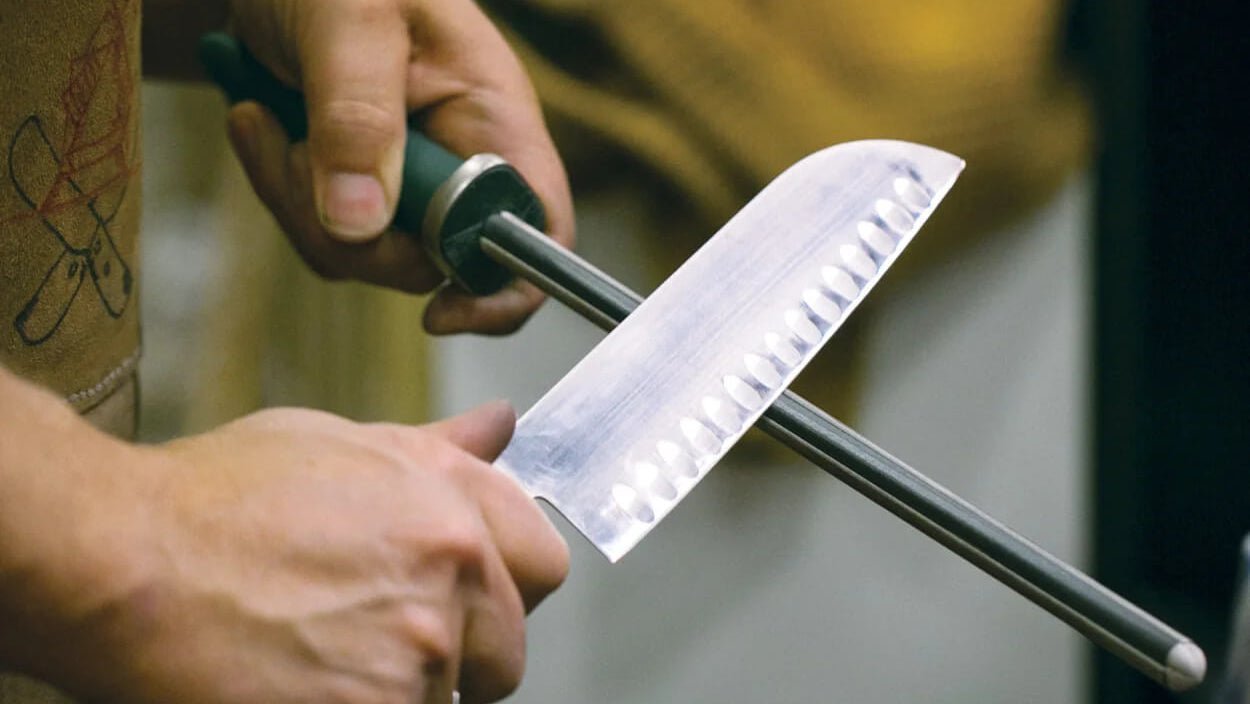
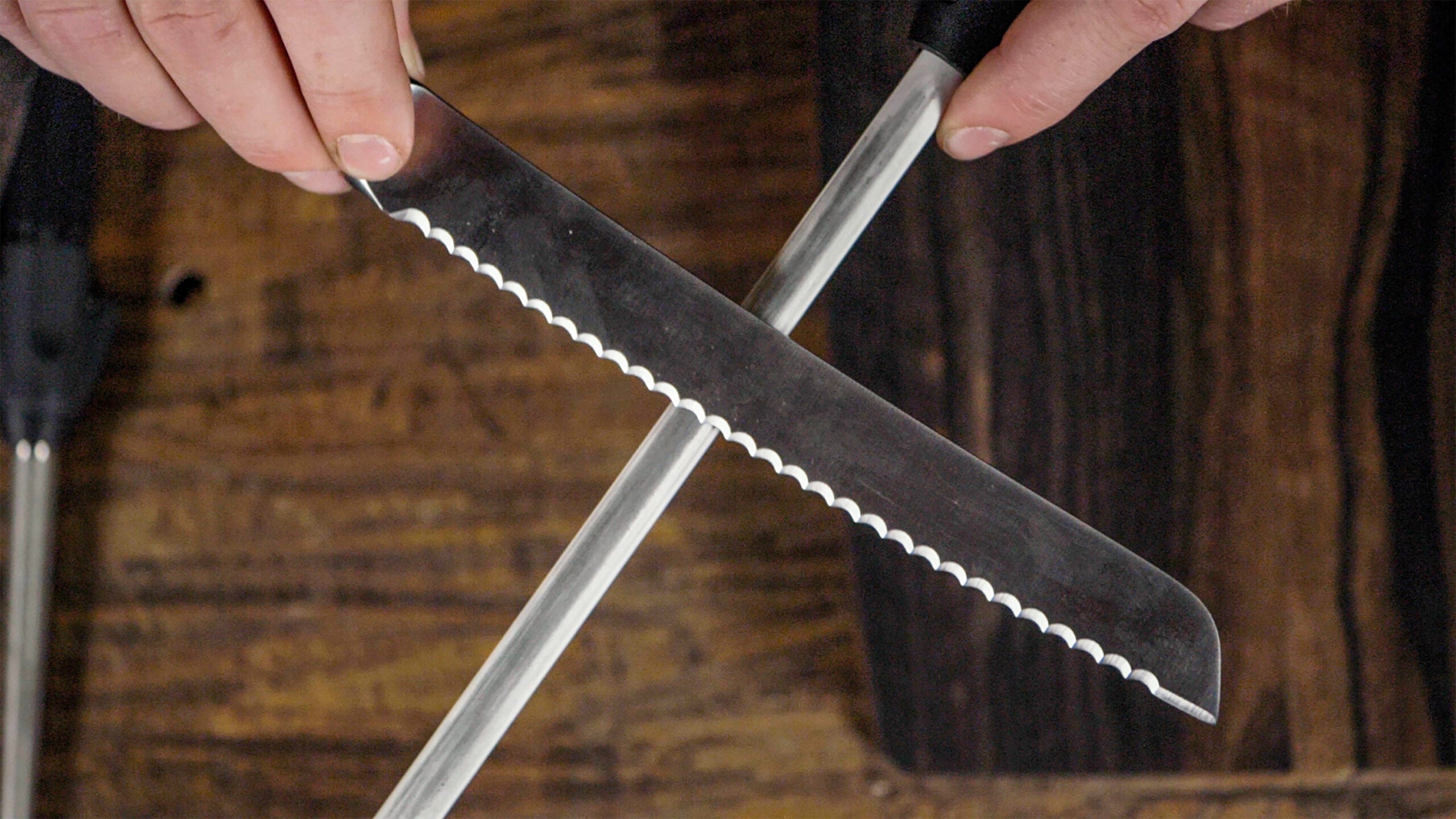
Hold the rod firmly. Draw the knife blade down the rod at a 20-degree angle on each side for best results.
Electric Sharpeners
Electric sharpeners offer quick and easy blade sharpening. They use rotating wheels or belts to grind the blade.
- Insert the knife carefully into the slot.
- Use slow, steady pressure while pulling the knife through.
- Follow the manufacturer’s safety instructions closely.
Electric sharpeners are great for beginners. They reduce the risk of uneven sharpening and save time.
Preparing Your Utility Knife
Before sharpening your utility knife, you must prepare it properly. This helps keep you safe and protects the blade from damage.
Proper preparation includes cleaning the blade and checking it for any damage. Both steps are important for a good sharpening process.
Cleaning The Blade
Clean the blade to remove dirt, rust, and any sticky residue. A clean blade sharpens better and lasts longer.
- Use warm water and mild soap to wash the blade carefully.
- Dry the blade completely with a soft cloth to avoid rust.
- For rust spots, use a soft brush or fine steel wool gently.
- Do not soak the handle if it is wooden or not water-resistant.
Inspecting For Damage
Check the blade closely for any chips, cracks, or bends. Damaged blades can be unsafe and harder to sharpen.
| Type of Damage | What to Do |
| Small Chips | Sharpen carefully or replace blade if too large |
| Cracks | Do not use; replace blade immediately |
| Bent Blade | Straighten gently or replace blade |
| Rust Spots | Clean before sharpening |
Sharpening Techniques
Keeping your utility knives sharp makes cutting easier and safer. This guide covers safe sharpening methods you can use at home.
Each technique focuses on different tools and angles to help you maintain a sharp edge on your knife.
Setting The Correct Angle
Sharpness depends on the angle you hold the blade while sharpening. Most utility knives work best at angles between 20 and 25 degrees.
- Hold the knife steady and find the edge angle.
- Keep the angle consistent throughout sharpening.
- Use a guide or angle marker if needed.
- A smaller angle creates a sharper but less durable edge.
- A larger angle results in a stronger but less sharp edge.
Using A Whetstone
A whetstone is a flat stone used to sharpen blades by hand. It requires water or oil to reduce friction.
- Soak the whetstone in water for 10 minutes before use.
- Hold the knife at the correct angle against the stone.
- Push the blade forward and across the stone evenly.
- Repeat on the other side of the blade.
- Use finer grit stones to polish the edge.
Using A Sharpening Rod
A sharpening rod is a steel or ceramic tool to realign or hone the blade edge quickly.
| Type of Rod | Use | Best For |
| Steel Rod | Honing and realigning | Regular maintenance |
| Ceramic Rod | Light sharpening | Dull edges |
| Diamond Rod | Sharpening hard steel | Very dull knives |
Hold the rod vertically and swipe the knife blade down the rod at the correct angle several times on each side.
Using An Electric Sharpener
Electric sharpeners use rotating abrasive wheels to sharpen knives quickly. They are easy to use but require care.
- Read the sharpener’s instructions before use.
- Insert the knife blade slowly into the sharpening slot.
- Pull the blade through smoothly without forcing it.
- Sharpen both sides evenly by repeating the process.
- Clean the knife and sharpener after use.
Credit: www.youtube.com
Safety Tips During Sharpening
Sharpening utility knives can be risky if you do not follow safety rules. Using the right safety tips helps prevent injuries. Always prepare before you start sharpening.
Keep focus and avoid distractions to stay safe. Use correct tools and methods to sharpen your knife effectively and carefully.
Protective Gear
Wear protective gear to protect your hands and eyes. Gloves can stop cuts and safety glasses protect from flying metal particles.
- Use cut-resistant gloves
- Wear safety glasses
- Consider a dust mask if needed
Secure Work Surface
Use a stable and clean surface to sharpen your knife. A secure work area stops the knife from slipping during sharpening.
- Choose a flat, strong table
- Keep the area free of clutter
- Use a non-slip mat if possible
Proper Hand Positioning
Hold the knife and sharpening tool correctly. Keep your fingers away from the blade edge to avoid cuts.
- Grip the knife handle firmly
- Keep your fingers behind the blade
- Move the blade away from your body
Testing The Sharpness
After sharpening a utility knife, it is important to check its sharpness. Testing helps ensure the blade cuts well and safely.
There are simple ways to test sharpness without risking injury. These checks show if the blade is ready to use.
Paper Test
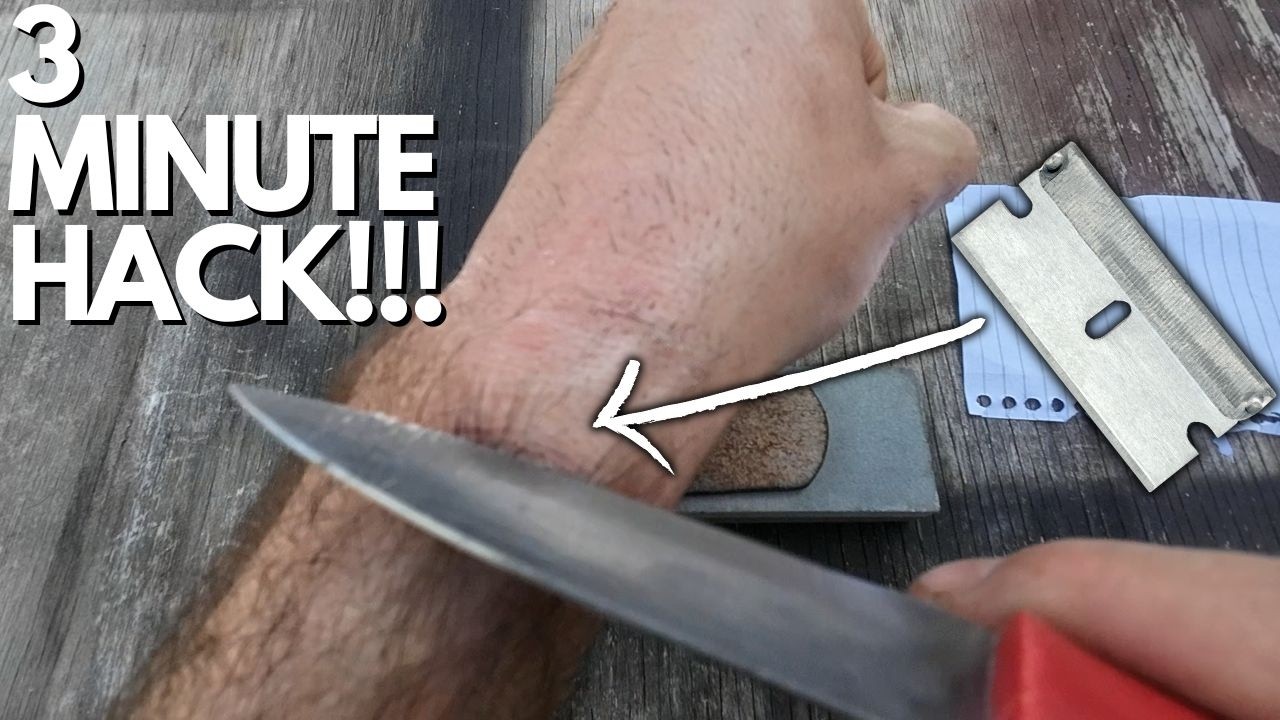
Hold a piece of paper in one hand and try slicing it with the knife. A sharp blade cuts cleanly without tearing.
If the knife struggles to cut or tears the paper, it needs more sharpening. Repeat until the blade slices smoothly.
- Use normal printer paper for testing
- Cut with a light, steady motion
- Look for a smooth, straight cut line
- If paper folds or tears, blade is dull
Visual Inspection
Check the blade edge closely under good light. Look for nicks, dents, or shiny spots that show dullness.
A sharp blade edge looks even and thin. Irregularities mean the knife needs more work before use.
- Use natural or bright light for inspection
- Hold blade at an angle to see reflections
- Spot rough or chipped areas on the edge
- Sharp edges reflect less light evenly
Maintaining Your Knife Post-sharpening
After sharpening your utility knife, you need to keep it in good shape. Proper care helps your knife stay sharp longer and work better.
Small habits like cleaning, storing well, and touching up the blade regularly protect your knife. These steps make it safe and ready for use.
Regular Cleaning
Clean your knife after every use. Dirt and food particles can damage the blade and handle over time. Use warm water and mild soap to wash the knife carefully.
- Rinse the blade with warm water
- Use a soft cloth or sponge with mild soap
- Dry the knife completely to avoid rust
- Never soak the knife in water for long
- Avoid harsh chemicals that can harm the blade
Proper Storage
Store your utility knife in a safe place to protect the blade and avoid accidents. Keep it away from other tools that can dull or chip the edge.
| Storage Method | Benefits |
| Knife block | Protects blade and keeps knife handy |
| Magnetic strip | Prevents dulling and easy access |
| Blade guard or sheath | Safe for drawer storage and travel |
| Dedicated knife drawer | Reduces damage and keeps knives organized |
Routine Touch-ups
Keep the blade sharp by doing small touch-ups between major sharpenings. This helps the knife cut smoothly and safely every time.
- Use a honing rod to realign the blade edge
- Touch up the blade after every few uses
- Do not apply too much pressure during honing
- Check the sharpness with a gentle paper test

Credit: www.familyhandyman.com
Frequently Asked Questions
How Often Should I Sharpen My Utility Knife?
Sharpen your utility knife after every 5 to 10 uses. Frequent sharpening keeps the blade efficient and safe. Dull blades require more force and increase injury risk. Regular maintenance ensures smooth, precise cuts every time.
What Tools Are Best For Sharpening Utility Knives?
Use a whetstone, sharpening rod, or diamond sharpener for utility knives. These tools provide control and precision. Avoid electric sharpeners as they may damage the blade. Choose a tool based on your skill level and blade type.
How Do I Safely Hold A Utility Knife While Sharpening?
Hold the knife firmly with a non-dominant hand. Keep fingers away from the blade edge. Use a stable surface to rest the sharpening tool. Maintain a consistent angle, usually 20 degrees, during sharpening for safety and effectiveness.
Can I Use Household Items To Sharpen Utility Knives?
Yes, items like ceramic mugs or sandpaper can sharpen in emergencies. Rub the blade edge against the unglazed ceramic bottom or fine sandpaper. These methods work but are less effective than dedicated sharpeners. Use them only if no proper tools are available.
Conclusion
Sharpening utility knives keeps them effective and safe to use. Always follow safety steps to avoid cuts or accidents. Use the right tools and take your time. Regular sharpening saves money and improves your work quality. Keep your knives clean after sharpening to last longer.
Practice these tips often for the best results. Stay careful, and your utility knives will serve you well.