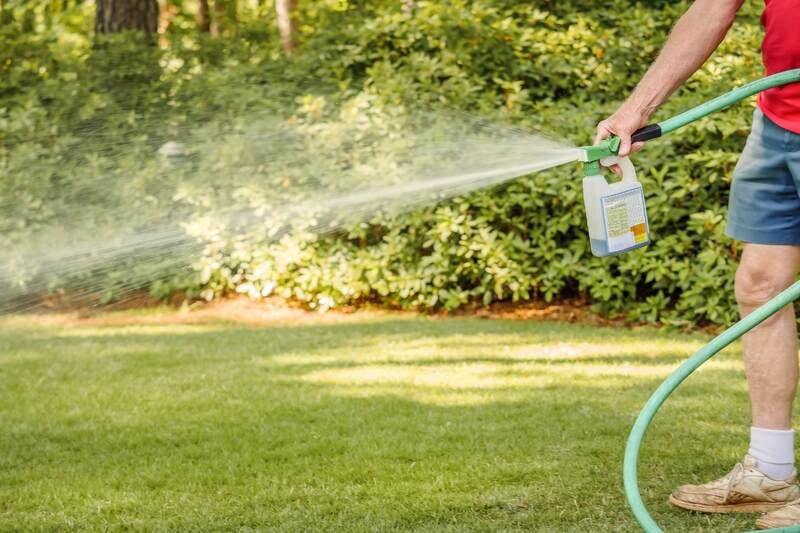
Are you looking to give your garden a lush, vibrant boost? Using a garden sprayer for fertilization might be the game-changer you’ve been searching for.
Imagine walking through your garden, seeing every plant thriving with health and color. It’s not just a dream; it can be your reality with the right tools and techniques. This guide is crafted to make the process simple and effective for you.
We’ll demystify the steps, ensuring you get the most out of your garden sprayer. Ready to transform your gardening routine and see your plants flourish like never before? Dive in and discover how easy and rewarding garden care can be!

Credit: www.amazon.in
Choosing The Right Garden Sprayer
Using a garden sprayer helps apply fertilizer evenly. Picking the right sprayer makes the job easier.
This guide explains different sprayer types, what to consider, and good brands to choose from.
Types Of Garden Sprayers
Garden sprayers come in various styles. Each type fits different garden sizes and tasks.
- Handheld Sprayers:Small and easy for light tasks or small gardens.
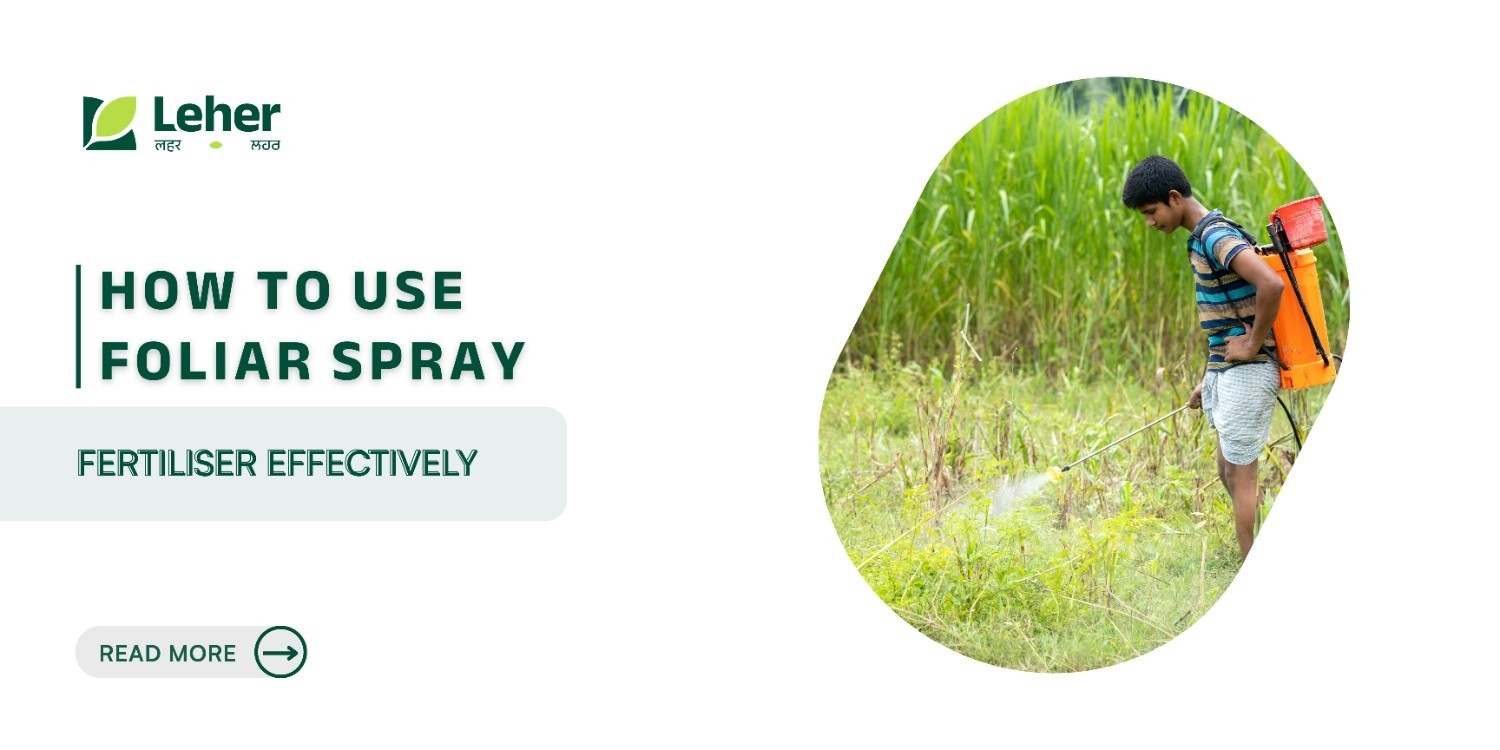
- Backpack Sprayers:Worn on your back, good for medium gardens and longer use.
- Tank Sprayers:Larger tanks with wheels for big gardens and heavy jobs.
- Trigger Sprayers:Basic spray bottles for small, spot applications.
Factors To Consider
Choose a sprayer based on your garden size and fertilizer type. Comfort and spray control matter too.
| Factor | What to Check |
| Garden Size | Small gardens need handheld sprayers; large gardens need tank sprayers. |
| Sprayer Capacity | Larger tanks reduce refills but add weight. |
| Spray Pattern | Adjustable nozzles help control spray spread and droplet size. |
| Comfort | Look for padded straps on backpack sprayers and lightweight models. |
| Durability | Choose sprayers made with strong materials to last longer. |
Recommended Brands
Several brands offer reliable garden sprayers. They vary in price and features to fit your needs.
- Solo:Known for durable backpack and tank sprayers.
- Chapin:Offers a wide range of handheld and backpack sprayers.
- Hudson:Popular for easy-to-use handheld sprayers.
- Fiskars:Provides ergonomic models for comfort and efficiency.
Credit: www.leher.ag
Preparing Fertilizer Solutions
Using a garden sprayer to apply fertilizer helps plants grow better. Preparing the right fertilizer solution is important. It ensures plants get the right nutrients.
Mixing the fertilizer carefully protects your plants and equipment. Follow clear steps to prepare the solution safely and correctly.
Selecting Fertilizers
Choose fertilizer based on your plants’ needs. Different plants need different nutrients like nitrogen, phosphorus, or potassium. Check the fertilizer label for these numbers.
Use water-soluble fertilizers for sprayers. These dissolve easily and spray well. Avoid fertilizers with large particles that can clog the sprayer.
Mixing Ratios
Follow the mixing ratio on the fertilizer package. The ratio tells you how much fertilizer to add per gallon of water. Too much fertilizer can harm plants.
Use clean water and stir the mixture well. Make sure all fertilizer dissolves before spraying. Test a small area first to see how plants react.
- Read the label for exact measurements
- Use measuring tools for accuracy
- Mix in a clean container before filling the sprayer
- Always stir or shake the solution
Safety Precautions
Wear gloves and eye protection when mixing fertilizer. Avoid skin contact and inhaling fumes. Work in a well-ventilated area.
Clean the sprayer after use to prevent damage. Store leftover fertilizer safely away from children and pets. Follow local guidelines for disposal.
- Wear protective clothing
- Mix outdoors or in ventilated spaces
- Wash hands after handling fertilizer
- Keep fertilizer out of reach of children
- Clean sprayer after each use
Filling And Operating The Sprayer
Using a garden sprayer helps spread fertilizer evenly. Filling and operating it correctly ensures good results.
Learning the right steps keeps you safe and protects your plants from damage.
Proper Filling Techniques
Clean the sprayer before filling it. Add water first, then the fertilizer.
Fill the tank to the marked level. Avoid overfilling to prevent leaks and spills.
- Wear gloves to protect your skin
- Use a funnel for easy pouring
- Mix fertilizer well with water inside the tank
- Close the tank tightly after filling
Adjusting Nozzles
Nozzles control how the spray spreads. Adjust them to suit your plants and lawn size.
Turn the nozzle to change the spray pattern. Use a wide spray for large areas and a narrow one for small spots.
- Wide spray covers more area quickly
- Narrow spray targets specific plants
- Check for clogs and clean if needed
- Replace damaged nozzles for best results
Pressure Management
Maintaining the right pressure keeps the spray even and safe. Too much pressure can harm plants.
Pump the sprayer slowly and steadily. Release pressure if the spray becomes too strong.
- Check the pressure gauge if available
- Stop pumping when pressure is steady
- Release pressure before opening the tank
- Store the sprayer with no pressure inside
Effective Spraying Techniques
Using a garden sprayer correctly helps plants get the right amount of fertilizer. Proper spraying saves time and avoids waste. It also protects your plants from damage.
Learn key tips for timing, spraying patterns, and avoiding too much fertilizer. These techniques make your fertilization more effective.
Timing Your Application
Apply fertilizer during cooler parts of the day. Early morning or late afternoon is best. This reduces evaporation and helps plants absorb nutrients better.
Check the weather forecast before spraying. Avoid spraying before rain to prevent fertilizer wash-off. Also, do not spray on windy days to keep fertilizer on plants.
Spraying Patterns
Use even spraying patterns to cover all plant areas. Move the sprayer slowly and steadily. Overlap each pass slightly to avoid missing spots.
- Hold the nozzle close to the plants, about 12 inches away.
- Spray in a side-to-side motion for bushes and shrubs.
- Use a circular motion for smaller plants or flower beds.
- Keep a consistent speed to ensure even coverage.
Avoiding Over-application
| Problem | Cause | Solution |
| Burned leaves | Too much fertilizer applied | Use correct sprayer pressure and follow label rates |
| Wasted fertilizer | Spraying on non-target areas | Spray carefully and use proper nozzle |
| Water pollution | Excess runoff from over-spraying | Spray during calm weather and avoid heavy rain |
Maintenance And Cleaning
Keeping your garden sprayer clean helps it last longer. Proper care prevents damage and clogs.
Regular maintenance makes fertilization easier and safer. Clean sprayers give better spray results.
Cleaning After Use
Always clean your sprayer right after use. This stops fertilizer residue from building up inside.
- Empty any leftover fertilizer from the tank.
- Rinse the tank with clean water several times.
- Spray clean water through the nozzle to clear it.
- Remove the nozzle and clean it with a soft brush.
- Wipe the outside of the sprayer to remove dirt.
Storage Tips
Store your sprayer in a dry, cool place. Avoid spots with direct sunlight or freezing temperatures.
- Keep the sprayer upright to prevent leaks.
- Loosen the pressure valve before storing.
- Remove and store the nozzle separately if possible.
- Check for cracks or damage before storage.
- Cover the sprayer to keep dust away.
Troubleshooting Common Issues
| Problem | Cause | Solution |
|---|---|---|
| No spray or weak spray | Clogged nozzle or filter | Clean nozzle and filter thoroughly |
| Leaks from tank or hose | Damaged seals or cracks | Replace seals or cracked parts |
| Pump hard to pressurize | Worn pump parts or air leaks | Check pump and fix leaks |
| Sprayer loses pressure fast | Loose pressure valve or faulty seal | Tighten valve or replace seal |

Credit: www.leher.ag
Frequently Asked Questions
How Do I Prepare A Garden Sprayer For Fertilization?
First, clean the sprayer thoroughly. Then, mix fertilizer with water as per instructions. Fill the sprayer carefully and test spray to ensure even distribution.
What Safety Tips Should I Follow When Using A Garden Sprayer?
Wear gloves and protective clothing. Avoid spraying on windy days. Always read fertilizer labels and avoid contact with skin or eyes.
How Often Should I Use A Garden Sprayer For Fertilizing?
Use a garden sprayer every 2-4 weeks during the growing season. Frequency depends on plant type and fertilizer recommendations.
Can I Use Any Fertilizer With A Garden Sprayer?
No. Use water-soluble fertilizers suitable for sprayers. Avoid thick or granular fertilizers that can clog the nozzle.
Conclusion
Using a garden sprayer makes fertilizing your plants easier. It helps spread nutrients evenly and saves time. Always follow the instructions on the fertilizer label. Clean the sprayer after each use to keep it working well. With care and attention, your garden will grow healthy and strong.
Give your plants the care they need with simple steps. Happy gardening!