Do you find your garden scissors struggling to make clean cuts? Are your plants suffering from jagged edges and damaged stems?
You’re not alone. Dull garden scissors can turn a relaxing gardening session into a frustrating ordeal. But there’s good news! Sharpening your garden scissors doesn’t have to be a daunting task. With the right techniques, you can restore their precision and efficiency, transforming your gardening experience.
Imagine the satisfaction of effortlessly snipping through branches, leaving clean lines and healthy plants in your wake. In this guide, you’ll discover simple yet effective methods to sharpen your garden scissors, ensuring each snip is smooth and precise. Ready to revitalize your gardening tools and elevate your gardening skills? Let’s dive in!
Credit: www.youtube.com
Tools Needed
To sharpen garden scissors with precision, you need the right tools. Using proper equipment helps you get a sharp and clean edge.
Gathering all necessary tools before starting saves time and makes the process safer and easier.
Types Of Sharpening Tools
There are different tools you can use to sharpen garden scissors. Each tool works well for certain types of blades and wear levels.
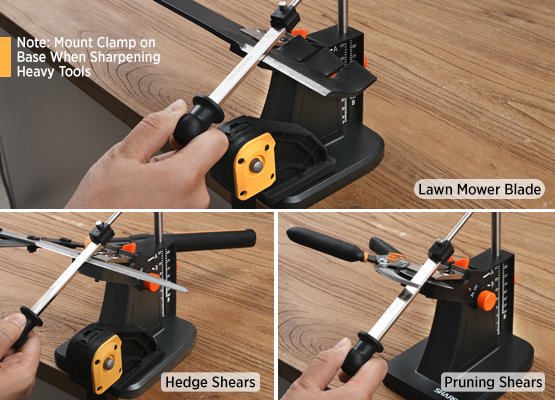
- Sharpening Stone:A flat stone used to grind the blade edge smooth. It works well for most scissors.
- Diamond File:A small file with diamond grit that sharpens hard metal blades precisely.
- Sandpaper:Fine-grit sandpaper helps remove small nicks and smooth the blade.
- Sharpening Rod:A cylindrical tool used for quick touch-ups on the blade edge.
- Electric Sharpener:A powered device that sharpens blades fast but needs careful handling.
Safety Gear Essentials
Safety gear protects you while sharpening scissors. It prevents injuries from sharp edges and flying particles.
| Safety Gear | Purpose |
| Protective Gloves | Protect hands from cuts and scratches |
| Safety Glasses | Shield eyes from metal shards and dust |
| Dust Mask | Prevent inhaling fine particles |
| Apron | Keep clothes clean and add an extra layer of protection |

Credit: www.familyhandyman.com
Preparing The Scissors
Preparing garden scissors is important before sharpening. Clean and disassemble them for better results.
Proper preparation helps you sharpen the blades safely and precisely.
Cleaning The Blades
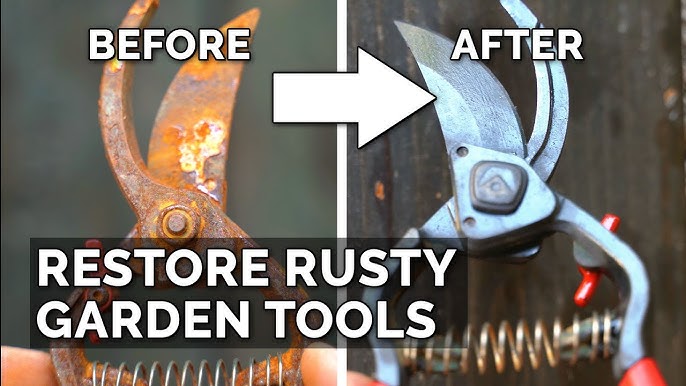
Remove dirt, sap, and rust from the blades. Clean blades sharpen more easily and last longer.
Use warm soapy water and a soft cloth to wipe the blades clean. Dry them well to stop rust.
- Dip a cloth in warm soapy water
- Wipe both sides of the blades
- Use a brush for stuck sap or dirt
- Dry the blades completely
- Apply a little oil to prevent rust
Disassembling For Better Access
Take apart the scissors to reach all blade edges. This step makes sharpening easier and safer.
Use a screwdriver or wrench to remove the screw or bolt holding the blades together. Keep parts safe.
- Locate the screw or bolt at the pivot point
- Use the correct tool to unscrew it carefully
- Separate the two blades gently
- Keep the screw and any washers in a safe place
- Handle blades carefully to avoid cuts
Sharpening Techniques
Sharp garden scissors help you make clean cuts. Keeping the blades sharp improves your gardening work.
There are several ways to sharpen your garden scissors. Each tool works differently to restore the edge.
Using A Sharpening Stone
A sharpening stone is a simple tool to sharpen scissors. It removes small metal pieces to make blades sharp again.
Hold the scissors open and rub the blade on the stone. Use smooth, even strokes for best results.
- Choose a fine or medium grit stone
- Hold the blade at a 20-degree angle
- Rub the blade in one direction
- Repeat on the other blade
- Wipe blades clean after sharpening
Applying A Diamond File
A diamond file is tough and works well on hard metal blades. It shapes and sharpens the scissors quickly.
Use gentle, steady strokes along the blade edge. Check the sharpness often to avoid removing too much metal.
- Use a fine diamond file for smooth edges
- File only the beveled side of the blade
- Keep the blade angle consistent
- Clean the scissors after filing
Electric Sharpener Tips
Electric sharpeners make the job faster. They use spinning wheels to grind the blade edges evenly.
Hold the scissors gently against the sharpener. Move slowly to avoid overheating the metal.
- Choose a sharpener designed for scissors
- Keep blades cool by pausing often
- Use light pressure to avoid damage
- Follow manufacturer instructions carefully
Maintaining Blade Angle
Keeping the right blade angle is key to sharpening garden scissors. The angle affects how sharp and precise the blades cut. If the angle changes, the scissors may not work well.
Proper angle helps the blade stay strong and last longer. Let’s look at the ideal angle and common mistakes to avoid.
Ideal Angle For Garden Scissors
The best angle for sharpening garden scissors is usually between 30 and 40 degrees. This range keeps the edge sharp without making the blade too thin or weak.
- Use a consistent angle when sharpening each side of the blade.
- Keep the angle steady to avoid uneven edges.
- Check the original blade angle before sharpening.
- Use a sharpening tool that helps hold the angle steady.
Common Angle Mistakes
Many people change the blade angle without realizing it. This can make scissors dull faster or damage the blade.
| Mistake | Effect |
| Sharpening at too steep an angle | Blade edge becomes weak and chips easily |
| Sharpening at too shallow an angle | Blade dulls quickly and cuts poorly |
| Uneven angle on each blade side | Scissors do not close properly and cut unevenly |
| Changing angle mid-sharpening | Blade edge becomes rough and jagged |
Testing Sharpness
Testing the sharpness of garden scissors helps ensure clean cuts. Sharp blades make gardening easier and healthier for plants.
Knowing how to check sharpness lets you fix dull scissors before they cause damage.
Cutting Test Methods
Use simple tests to check how sharp your garden scissors are. These tests show if the blades cut cleanly or tear plants.
- Try cutting a piece of paper. Sharp scissors slice smoothly without tearing.
- Cut a small stem from a plant. Sharp blades make a clean cut without crushing.
- Test on dry leaves. Sharp scissors cut through easily, dull blades shred.
Perform these tests in good light to see the blade’s effect clearly.
Troubleshooting Dull Blades
Dull garden scissors do not cut well and can harm plants. If cutting tests show dullness, sharpen the blades.
Check for common problems that make blades dull or hard to use.
- Look for rust or dirt on the blades. Clean before sharpening.
- Check if blades are bent or damaged. Bent blades need repair or replacement.
- See if the blades are loose. Tighten screws for better cutting action.
- Test if blades are properly aligned. Misalignment causes poor cuts.
Fixing these issues helps keep scissors sharp and working well.
Regular Maintenance
Keeping garden scissors sharp helps you cut plants cleanly. Regular care keeps blades working well and lasts longer.
Two important parts of maintenance are cleaning after use and oiling to stop rust. Both are easy and fast to do.
Cleaning After Use
Clean scissors after every use. Dirt and sap can build up and dull the blades. Wipe the blades with a damp cloth first.
- Use warm water and mild soap to remove sticky sap.
- Dry blades well with a soft towel to avoid rust.
- Check the pivot screw and clean any debris around it.
- For tough dirt, use a small brush or old toothbrush.
Oiling For Rust Prevention
Oiling your garden scissors stops rust and keeps parts moving smoothly. Use light machine oil or garden tool oil.
| Oiling Steps | Description |
| Apply oil | Put a drop on the blades and pivot point. |
| Spread oil | Open and close scissors to spread oil evenly. |
| Wipe excess | Use a cloth to remove extra oil from blades. |
| Store properly | Keep scissors in a dry place to avoid rust. |
When To Replace Scissors
Garden scissors need care to work well. Sometimes sharpening is not enough. Knowing when to replace them saves time and effort.
Old or damaged scissors can hurt your plants. They also make cutting harder. Look for clear signs to decide if you need new ones.
Signs Of Irreparable Damage
Some damages cannot be fixed by sharpening. These issues mean it is time to get new scissors to keep your garden healthy.
- Blades are bent or warped and do not meet evenly.
- Severe rust that weakens the metal.
- Broken or loose handles that affect grip and safety.
- Deep nicks or cracks in the blades.
- Scissors feel loose even after tightening the screw.
Choosing New Scissors
Select scissors that fit your hand well and are sharp. Look for strong materials and good blade alignment. This helps cut with precision.
| Feature | What to Look For | Why It Matters |
| Blade Material | Stainless steel or carbon steel | Resists rust and stays sharp longer |
| Handle Comfort | Ergonomic, non-slip grip | Reduces hand strain during use |
| Blade Design | Sharp, straight edges or curved edges | Provides clean, precise cuts for different plants |
| Adjustment Screw | Easy to tighten and loosen | Keeps blades aligned for better cutting |

Credit: tsprof.us
Frequently Asked Questions
How Often Should I Sharpen Garden Scissors For Precision?
Sharpen garden scissors every few months or when cutting feels dull. Frequent use requires more frequent sharpening to maintain clean, precise cuts.
What Tools Are Best For Sharpening Garden Scissors?
Use a sharpening stone, diamond file, or honing tool. These tools offer control and precision to restore sharpness effectively.
Can Sharpening Garden Scissors Improve Plant Health?
Yes, sharp scissors create clean cuts, reducing plant damage. Clean cuts heal faster and prevent disease, promoting healthier growth.
How Do I Prevent Rust After Sharpening Garden Scissors?
Dry scissors thoroughly after sharpening. Apply a light coat of oil to prevent moisture and rust formation.
Conclusion
Sharp garden scissors make cutting plants easier and more precise. Regular sharpening keeps your tools working well. A few simple steps can extend their life and improve performance. Always handle scissors carefully to stay safe while sharpening. Clean blades after sharpening to avoid rust.
With a sharp pair, your garden tasks become smoother and more enjoyable. Keep practicing these tips to maintain your scissors in top shape. Your plants will thank you for clean, neat cuts every time.