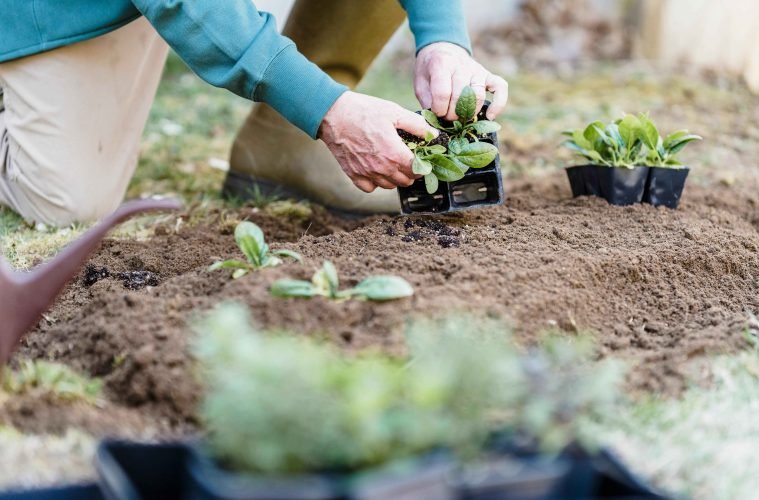
Are you ready to take your gardening skills to the next level? Transplanting seedlings can be a game-changer for your garden, transforming tiny sprouts into flourishing plants.
However, if you’re not careful, this crucial step can also lead to wilting leaves and stunted growth. So, how do you ensure that your seedlings make a smooth transition and thrive in their new home? In this guide, you’ll discover the secrets to transplanting seedlings effectively, ensuring robust and healthy plants.
Whether you’re a seasoned gardener or just starting out, these practical tips will help you nurture your green babies with confidence. Get ready to watch your garden grow like never before!
Credit: www.lemon8-app.com
Choosing The Right Seedlings
Picking the right seedlings is important for a healthy garden. Good seedlings grow better and survive transplanting well.
Learn how to select healthy plants and pick the best time to move them outdoors.
Selecting Healthy Plants
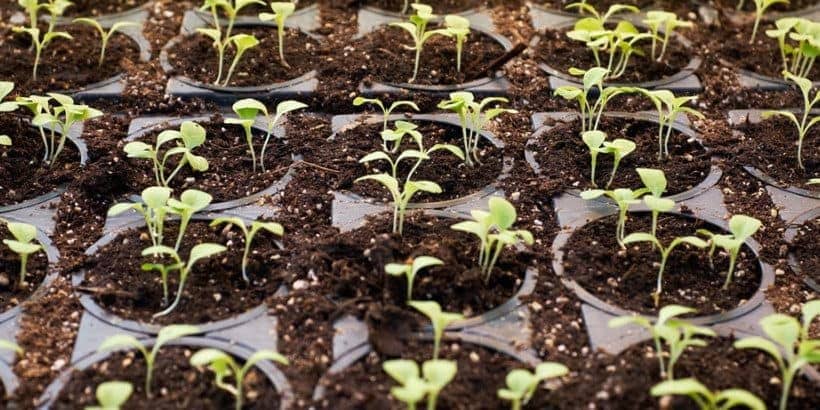
Choose seedlings that look strong and have no signs of disease. Leaves should be green and firm, not yellow or wilted.
Check the stems for damage or spots. Roots should be white and not crowded in the pot.
- Pick seedlings with sturdy stems and healthy leaves
- Avoid plants with spots or yellowing
- Look for white, healthy roots
- Choose plants that are not too tall or leggy
Timing For Transplanting
Transplant seedlings when they have 2 to 4 true leaves. This means they are strong enough to handle the move.
Wait until the outdoor soil is warm and there is no risk of frost. This helps seedlings grow well after transplanting.
- Transplant seedlings with 2 to 4 true leaves
- Move plants when soil is warm enough
- Avoid transplanting before the last frost date
- Choose a cool, cloudy day to reduce stress on plants

Credit: www.youtube.com
Preparing The New Location
Moving seedlings to a new spot helps them grow strong and healthy. Preparing the area well makes sure they get the right care.
Good soil and space are key. These help plants take root and get enough light for growth.
Soil Preparation Techniques
Healthy soil gives seedlings the nutrients they need. Start by clearing weeds and old roots from the area.
- Loosen the soil to improve air and water flow
- Add compost or organic matter to enrich the soil
- Check soil pH and adjust if needed
- Remove large rocks and debris
- Level the soil to prevent water pooling
Optimizing Sunlight And Space
Seedlings need enough sunlight and room to grow. Choose a place that gets plenty of light but is not too hot.
| Factor | Recommendation |
| Sunlight | At least 6 hours of direct light daily |
| Spacing | Keep 2-4 inches between seedlings for air flow |
| Shade | Use shade cloth if sun is too strong |
| Wind Protection | Place seedlings near a barrier if windy |
Transplanting Tools And Materials
Transplanting seedlings needs the right tools and materials. These help move plants safely from pots to soil.
Using proper equipment protects roots and gives seedlings a better chance to grow strong.
Essential Tools Checklist
Gather these tools before you start transplanting. Each item has a clear role in making the process smooth.
- Hand trowel for digging small holes
- Watering can to moisten soil
- Garden gloves to protect your hands
- Plant labels to mark seedlings
- Soft brush to clean roots gently
- Sharp scissors to trim damaged roots
Using Rooting Hormones
Rooting hormones help seedlings grow roots faster. They increase the chance of successful transplanting.
| Type of Hormone | Use | Form |
| Auxin-based | Stimulates root growth | Powder or gel |
| IBA (Indole-3-butyric acid) | Best for hard-to-root plants | Liquid or powder |
| NAA (Naphthaleneacetic acid) | Helps root development | Liquid |
Dip seedling roots lightly in hormone powder or gel. Avoid using too much to prevent damage.
Credit: www.chelseagreen.com
Step-by-step Transplanting Process
Transplanting seedlings is key to growing strong plants. Doing it right helps seedlings adjust well to new soil.
This guide explains how to move seedlings carefully for the best results.
Removing Seedlings Carefully
Handle seedlings gently to avoid damage. Disturb roots as little as possible.
- Water seedlings a few hours before removing
- Loosen soil around the seedling base with a small tool
- Hold seedling by leaves, not stem, to pull it out
- Keep roots and soil intact while lifting
- Place seedlings in a shaded spot until planting
Planting Seedlings Properly
Prepare the new soil well before planting. Seedlings need space and nutrients to grow.
| Task | Details |
| Dig Hole | Wide and deep enough for roots |
| Space | Leave enough room between plants |
| Soil | Mix compost or fertilizer in soil |
| Plant | Place seedling gently, cover roots fully |
| Press Soil | Firm soil around seedling to remove air pockets |
Watering And Mulching Tips
Water seedlings right after planting to help roots settle. Mulch keeps soil moist and protects roots.
- Use gentle watering to avoid washing away soil
- Keep soil moist but not soggy
- Apply 2-3 inches of organic mulch around plants
- Keep mulch a few inches away from stem base
- Check soil moisture daily for the first week
Post-transplant Care
After moving seedlings to their new spot, they need special care to grow well. Proper care helps plants stay healthy and strong.
Focus on watering and protecting seedlings from pests and stress. These actions support their growth and reduce damage.
Watering Schedule
Keep soil moist but not soggy. Water seedlings gently to avoid harming roots. Adjust watering based on weather and soil type.
- Water seedlings early in the morning or late in the afternoon.
- Check soil moisture daily by touching the top inch of soil.
- Reduce watering as seedlings grow stronger and roots spread.
- Use a watering can or drip irrigation to control water flow.
- Avoid overhead watering to prevent leaf diseases.
Protecting From Pests And Stress
Seedlings are vulnerable to pests and environmental stress. Use simple methods to keep them safe and calm.
| Protection Method | Details |
| Physical Barriers | Use nets or cloches to keep insects and animals away. |
| Natural Predators | Encourage ladybugs and spiders that eat harmful pests. |
| Shade Cloth | Reduce heat and sun stress by covering seedlings during hot days. |
| Regular Checks | Inspect plants daily for signs of pests or damage. |
Common Mistakes To Avoid
Transplanting seedlings is a key step in gardening. Doing it wrong can harm your plants.
Learn about common mistakes to avoid for healthy seedlings and better growth.
Overwatering And Underwatering
Watering too much or too little can stress seedlings. Both cause root problems.
Overwatering makes roots rot and stops air flow. Underwatering dries roots and slows growth.
- Check soil moisture before watering
- Water seedlings when top inch of soil is dry
- Use pots with drainage holes
- Avoid letting water stand in trays
Transplanting At Wrong Growth Stage
Transplanting too early or too late can damage seedlings. Timing is important.
Seedlings need strong stems and a few true leaves before moving. Too small seedlings are fragile.
- Wait until seedlings have 2–4 true leaves
- Seedlings should be sturdy and not leggy
- Check roots are well developed but not crowded
- Transplant in the morning or cool part of day
Frequently Asked Questions
How Do You Prepare Seedlings For Transplanting?
Prepare seedlings by hardening them off outdoors for 7-10 days. Gradually expose them to sunlight and wind. This strengthens plants and reduces transplant shock.
When Is The Best Time To Transplant Seedlings?
Transplant seedlings in the early morning or late afternoon. Avoid midday heat to prevent stress. Choose a cloudy day if possible for best results.
What Soil Type Is Ideal For Transplanting Seedlings?
Use well-draining, nutrient-rich soil with organic matter. Ensure the soil is loose to allow root growth. Avoid heavy clay or overly sandy soils.
How Deep Should Seedlings Be Transplanted?
Plant seedlings at the same depth they grew in their pots. Avoid burying stems too deep to prevent rot. Firm soil gently around roots for stability.
Conclusion
Transplanting seedlings takes care and attention. Choose the right time and handle plants gently. Keep roots moist and avoid damage during moves. Plant seedlings at the correct depth for strong growth. Water them well after transplanting to help settle soil.
Watch your plants closely for signs of stress. Healthy seedlings grow into strong, productive plants. With practice, your transplanting skills will improve. Small steps lead to better garden success. Keep trying and enjoy the rewards of your work.