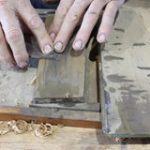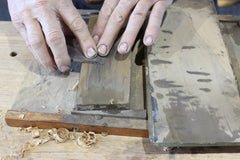
Have you ever tried using a plane and felt frustrated because it just wasn’t cutting smoothly? You’re not alone.
A dull plane blade can turn even the simplest woodworking project into a struggle. But here’s the good news: sharpening your plane blades doesn’t have to be a daunting task. Imagine effortlessly gliding through wood, achieving that perfect finish without breaking a sweat.
That’s exactly what you’ll experience once you master the art of sharpening. In this guide, you’ll discover simple, effective techniques to keep your plane blades razor-sharp. Ready to transform your woodworking experience and achieve professional results? Let’s dive in and unlock the secrets to sharpening plane blades like a pro.
Choosing The Right Sharpening Tools
Sharpening plane blades needs the right tools to get a sharp edge. Picking good tools makes the job easier and better.
This guide covers important tools to help you sharpen your blades correctly and safely.
Whetstones And Their Grits
Whetstones come in different grits. The grit size shows how coarse or fine the stone is. Coarse stones remove chips and shape the blade. Fine stones polish the edge for a smooth finish.
- Coarse grit (200–600): Fix damaged edges and reshape blades
- Medium grit (800–1500): Sharpen edges and prepare for polishing
- Fine grit (3000+): Polish and refine the blade edge
Using Honing Guides
Honing guides hold the blade steady while sharpening. They keep the blade at a correct angle. This helps maintain a uniform edge along the blade.
| Type of Honing Guide | Description |
|---|---|
| Clamp-on Guide | Clamps the blade and holds it at a set angle. |
| Pin Guide | Uses pins to keep the blade steady during sharpening. |
| Magnetic Guide | Uses magnets to hold the blade at the right angle. |
Alternative Sharpening Methods
You can sharpen blades with other tools besides whetstones. These tools offer different ways to keep edges sharp.
- Leather Strop: Polishes and refines the blade edge after sharpening.
- Sharpening Systems: Combine stones and guides for ease of use.
- Electric Sharpeners: Quick but need care to avoid overheating.
Preparing The Blade For Sharpening
Sharpening plane blades starts with good preparation. Clean and inspect the blade first.
Removing damage is important before you sharpen. This makes the sharpening process easier.
Cleaning And Inspecting The Blade
Use a soft cloth and mild cleaner to remove dirt and rust from the blade. Check the entire blade surface closely.
- Look for rust spots or old glue
- Check if the blade edge is straight
- Inspect for cracks or bends
- Make sure the blade is dry before sharpening
Removing Nicks And Chips
Small nicks or chips must be fixed before sharpening. Use a fine file or sharpening stone for this.
| Type of Damage | Tool to Use | Action |
| Small Nicks | Sharpening Stone | Gently grind until smooth |
| Large Chips | Fine File | Carefully file edge to remove damage |
| Rust Spots | Steel Wool | Rub until rust is gone |
Sharpening Techniques
Sharpening plane blades is important for smooth woodworking. Good blades cut cleanly and safely. Using proper techniques helps keep blades sharp longer.
This guide explains key sharpening techniques. Learn how to set the angle, use water or oil on stones, and keep strokes consistent.
Setting The Correct Angle
Setting the right angle is key for sharp blades. Most plane blades sharpen best at 25 to 30 degrees. Too steep or too flat can dull the blade fast.
Use a guide or jig to hold the blade steady. Keep the angle steady while sharpening for even edges.
- Check blade angle with a protractor or guide
- Hold blade firmly to avoid angle changes
- Match bevel angle on sharpening stone
Using Water Or Oil On Stones
Sharpening stones need lubrication to work well. Use water or oil to reduce friction and carry away metal bits. This keeps the stone surface clean.
Water stones work best with water. Oil stones need light oil. Using the wrong lubricant can damage the stone or blade.
- Water stones: soak or splash with water
- Oil stones: apply a thin layer of sharpening oil
- Wipe blade and stone clean after sharpening
Maintaining Consistent Strokes
Consistent strokes help create a smooth edge. Use even pressure and move the blade evenly over the stone. Avoid uneven or jerky motions.
Sharpen both sides of the blade if needed. Count strokes to keep balance. Consistency leads to a sharper, longer-lasting edge.
- Use steady, even strokes
- Keep pressure light to medium
- Sharpen each side with equal strokes
- Check blade edge regularly during sharpening

Credit: www.reddit.com
Honing For A Fine Edge
Honing is the final step to sharpen plane blades. It refines the edge after grinding. A fine edge helps the blade cut smoothly.
Use gentle, controlled strokes during honing. This keeps the blade sharp and ready for work.
Using Leather Strops
Leather strops polish the blade and remove tiny burrs. They help create a razor-sharp edge. Use a strop with some polishing compound for best results.
Pull the blade backward along the strop. Keep the blade flat and use light pressure. Stropping lasts only a few minutes but makes a big difference.
- Apply polishing compound to the leather
- Hold the blade flat on the strop
- Pull the blade away from the edge
- Repeat evenly on both sides
Polishing The Blade
Polishing removes tiny scratches and smooths the edge. Use fine-grit stones or compounds for this step. It helps the blade cut cleaner and last longer.
Work the blade evenly on both sides. Check the edge regularly to avoid over-polishing. A polished blade glides through wood easily.
- Use fine grit sharpening stones
- Keep the blade angle consistent
- Use water or oil to lubricate stones
- Polish both sides evenly
Testing Sharpness
After sharpening your plane blades, testing their sharpness is very important. It helps you know if the blade is ready to use. There are simple ways to check the sharpness at home or in your workshop.
Two common tests for sharpness are the paper cutting test and shaving a wood surface. Each test gives you a clear idea of how sharp your blade really is.
Paper Cutting Test
This test uses a simple piece of paper to check the blade’s edge. A sharp blade cuts cleanly without tearing the paper.
- Hold a piece of thin paper firmly.
- Try slicing the paper with the blade at a slight angle.
- Observe if the blade makes a smooth cut or tears the paper.
- A smooth cut means the blade is sharp.
- Tearing or snagging means it needs more sharpening.
Shaving A Wood Surface
Shaving a wood surface shows how well the blade can slice thin curls of wood. This test is closer to real use of the plane blade.
| Test Action | Result for Sharp Blade | Result for Dull Blade |
| Shave thin curls from wood | Long, smooth curls without tearing | Short, broken curls or rough surface |
| Check surface finish | Smooth and even | Rough with visible scratches |

Credit: www.reddit.com
Maintaining Blades Between Sharpening
Keeping plane blades sharp is key for smooth woodworking. Proper care helps blades stay sharp longer.
This guide covers storage and honing to maintain blade edges between sharpenings.
Proper Storage Tips
Store plane blades in a dry place to stop rust. Moisture can dull and damage the blade quickly.
Use protective covers or cases to keep blades safe from knocks and scratches.
- Keep blades in a dry, cool area
- Use blade guards or wrap blades in cloth
- Store blades separately from other tools
- Apply a light coat of oil to metal surfaces
Regular Honing Routine
Honing sharpens the blade edge without removing much metal. It keeps blades cutting cleanly.
Use a fine honing stone or leather strop after each use. This keeps the edge smooth and ready.
- Hone blades at a consistent angle
- Use light, even strokes on both sides
- Check blade sharpness before each use
- Strop with polishing compound for best results

Credit: paulsellers.com
Frequently Asked Questions
How Often Should I Sharpen My Plane Blades?
Sharpen plane blades regularly for best results. Frequency depends on usage and wood type. Typically, sharpen after every few hours of use or when you notice dullness affecting performance.
What Tools Are Needed To Sharpen Plane Blades?
You need sharpening stones, honing guide, water or oil, and a strop. These tools ensure precise, even sharpening and help maintain blade edges effectively.
Can I Sharpen Plane Blades Without Professional Tools?
Yes, you can use sandpaper and a flat surface as alternatives. However, professional stones provide better edge quality and longer-lasting sharpness for plane blades.
How Do I Maintain The Blade Angle While Sharpening?
Use a honing guide to keep a consistent angle. Maintaining a correct bevel angle prevents uneven sharpening and improves cutting efficiency.
Conclusion
Sharpening plane blades keeps your tools working well and cuts smooth wood. Follow steps carefully for best results every time. A sharp blade saves effort and improves your work’s quality. Regular sharpening helps your blades last longer too. Practice makes the process easier and faster.
Keep your blades clean and dry after use. This simple skill makes woodworking more enjoyable and precise. Try it yourself and see the difference it makes.