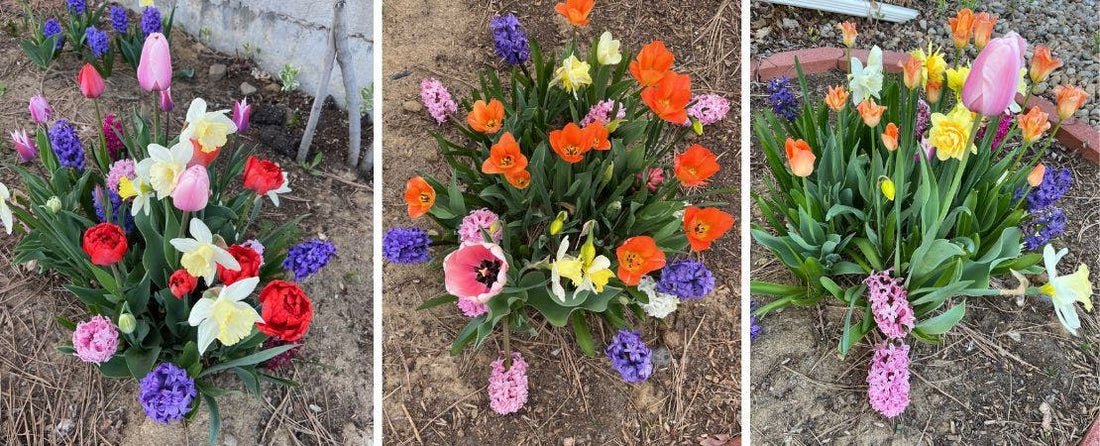
Are you ready to turn your garden into a vibrant display of color and life? Planting bulbs is your secret weapon to achieving a stunning garden that bursts with blooms in both spring and fall.
Imagine stepping outside to a landscape painted with tulips, daffodils, and crocuses as spring awakens, or being welcomed by the rich hues of autumn crocuses and colchicums as fall settles in. This guide is your ticket to transforming your outdoor space into a seasonal wonderland.
You’ll discover easy steps, insider tips, and the best timing to plant your bulbs for maximum impact. Whether you’re a seasoned gardener or a complete beginner, this guide will empower you to create the garden of your dreams. Dive in, and let’s get those bulbs in the ground!
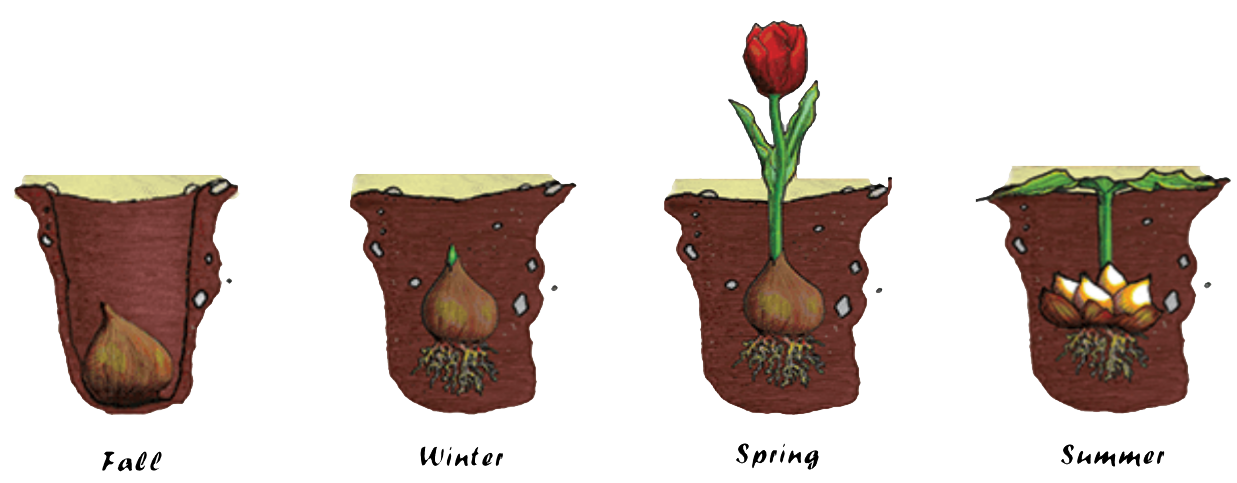
Credit: johannabobbio.medium.com
Choosing Bulbs For Seasons
Choosing the right bulbs for your garden depends on the season you want to plant them. Spring and fall require different types of bulbs to grow well. Understanding which bulbs suit each season helps you plan a beautiful garden all year.
Some bulbs bloom best when planted in spring, while others need fall planting to thrive. This guide explains the best choices for each season to help you decide.
Best Bulbs For Spring Planting
Spring planting bulbs are usually planted after the last frost. These bulbs grow fast and bring color in late spring or early summer. They like warm soil to start growing.
- Gladiolus: Tall flowers with bright colors.
- Dahlias: Showy flowers that bloom all summer.
- Canna Lilies: Large leaves and vibrant flowers.
- Caladiums: Colorful leaves, perfect for shade.
- Freesia: Fragrant, delicate flowers.
Top Bulbs For Fall Planting
Fall planting bulbs need cold soil to start their growth cycle. They bloom in early spring and bring fresh colors after winter. Plant them before the first hard frost for best results.
| Bulb | Flower Color | Bloom Time |
| Tulips | Red, Yellow, Pink, White | Early to mid-spring |
| Daffodils | Yellow, White | Early spring |
| Crocus | Purple, Yellow, White | Very early spring |
| Hyacinths | Blue, Pink, White | Mid-spring |
| Snowdrops | White | Late winter to early spring |

Credit: www.provenwinners.com
Preparing The Soil
Good soil helps bulbs grow strong roots and healthy flowers. Preparing the soil right makes sure bulbs get what they need.
Before planting, take time to check the soil and make it ready. This helps bulbs thrive in both spring and fall.
Soil Requirements
Bulbs grow best in loose, well-drained soil. The soil should hold some moisture but not stay wet for long. A pH level between 6 and 7 is good for most bulbs.
- Soil must be loose and crumbly for root growth.
- Avoid heavy clay soil that holds too much water.
- Loamy soil is ideal for moisture and nutrients.
- Check soil pH to keep it slightly acidic to neutral.
- Remove rocks and debris before planting.
Improving Drainage And Fertility
Good drainage keeps bulbs from rotting. Adding organic matter improves soil fertility and structure. This helps bulbs get nutrients and air.
| Material | Benefit | How to Use |
| Compost | Increases nutrients and moisture retention | Mix 2-3 inches into top 6 inches of soil |
| Sand | Improves drainage in heavy soils | Add 1-2 inches and mix well with soil |
| Peat moss | Lightens soil and holds moisture | Work 1-2 inches into soil surface |
| Perlite | Enhances aeration and drainage | Mix 10-20% of soil volume |
Planting Techniques
Planting bulbs properly helps them grow strong and bloom well. You need to know how deep to plant and how far apart to space bulbs. These steps keep bulbs healthy through the seasons.
Orientation of bulbs in the soil also matters. Placing them the right way helps roots grow and flowers bloom beautifully. This guide covers key points about depth, spacing, and orientation.
Correct Depth And Spacing
Plant bulbs at the right depth to protect them from cold and pests. Spacing bulbs well lets them grow without crowding. Both depth and spacing depend on bulb size and type.
| Bulb Size | Planting Depth | Spacing |
| Small (up to 2 inches) | 4 to 6 inches | 3 to 4 inches apart |
| Medium (2 to 3 inches) | 6 to 8 inches | 4 to 6 inches apart |
| Large (over 3 inches) | 8 to 12 inches | 6 to 8 inches apart |
Tips For Bulb Orientation
Place bulbs with the pointed side up. This helps shoots grow upward and roots down. If you cannot tell the top, plant bulbs on their side. They will still grow but may take longer.
- Look for the pointed end or sprout tip.
- Plant the flat or rounded side down.
- If unsure, lay bulbs on their side.
- Water bulbs after planting to settle soil.

Credit: www.provenwinners.com
Watering And Care
Planting bulbs in spring and fall needs proper watering and care. Good care helps bulbs grow strong roots and healthy flowers.
Watering right after planting and keeping up with care are key for bulbs to bloom well. Let’s look at how to do this.
Watering After Planting
Water bulbs deeply right after planting. This helps settle the soil and starts root growth. Use enough water to moisten the soil around the bulb.
- Water the bulbs immediately after planting.
- Use enough water to soak the soil 6 inches deep.
- Avoid wetting the leaves or flowers if visible.
- Do not let the soil dry out in the first weeks.
Ongoing Maintenance
After planting, bulbs need regular care. Water when the top soil feels dry. Overwatering can cause bulbs to rot. Use mulch to keep moisture and control weeds.
| Care Task | Details | Frequency |
| Watering | Water bulbs if soil is dry 1 inch deep | Once or twice a week |
| Mulching | Apply 2-3 inch layer of mulch to keep soil moist | After planting, refresh as needed |
| Removing dead leaves | Cut off yellow or dead leaves to prevent disease | Weekly during growing season |
| Fertilizing | Use balanced fertilizer after shoots appear | Once in spring or fall |
Dealing With Pests And Diseases
Planting bulbs in spring and fall can bring beautiful flowers. Pests and diseases may harm your bulbs. Knowing how to handle these problems keeps your plants healthy.
This guide helps you identify common pests and shows ways to prevent damage. Good care will help your bulbs grow strong and bloom well.
Common Bulb Pests
Bulbs face threats from many pests. Some pests eat the bulbs, while others harm leaves and stems. Watch for signs to protect your plants early.
- Bulb Mites: Tiny pests that feed on bulbs and roots.
- Narcissus Bulb Fly: Larvae tunnel into bulbs causing rot.
- Aphids: Small insects that suck sap from leaves and stems.
- Slugs and Snails: Eat leaves and young shoots.
- Thrips: Damage flowers and leaves by feeding on plant juices.
Preventive Measures
Stop pests before they start by using simple steps. Healthy bulbs resist pests and diseases better. Clean soil and tools help too.
- Plant bulbs in well-drained soil to avoid rot.
- Use clean, healthy bulbs from trusted sources.
- Remove dead leaves and old bulbs to reduce pests.
- Keep the garden area free of debris where pests hide.
- Water plants early in the day to reduce moisture on leaves.
- Check bulbs regularly for signs of damage or pests.
- Use natural predators like ladybugs to control aphids.
Extending Bloom Time
Planting bulbs in spring and fall helps you enjoy flowers longer. Different bulbs bloom at different times.
By planning carefully, you can have flowers blooming from early spring to late summer.
Staggered Planting
Plant bulbs at different times to spread out blooming. Some bulbs like tulips bloom early.
Others like dahlias bloom later. Plant early bulbs first, then add late bloomers.
- Plant early bloomers in fall or early spring
- Plant late bloomers a few weeks after early ones
- Mix bulbs with different bloom times in one bed
- Repeat planting in several spots for longer color
Using Mulch And Fertilizers
Mulch keeps soil moist and warm. This helps bulbs grow strong and bloom longer.
Fertilizers give bulbs nutrients for better flowers. Use balanced fertilizer for best results.
- Apply mulch after planting bulbs to keep soil cool
- Use organic mulch like shredded leaves or bark
- Feed bulbs with a low-nitrogen fertilizer in early growth
- Repeat fertilizer after blooming to support next season
Frequently Asked Questions
When Is The Best Time To Plant Bulbs In Spring?
Spring bulbs should be planted as soon as the ground thaws. This timing ensures roots develop before warmer weather. Early planting promotes healthy growth and vibrant blooms.
Can I Plant Fall Bulbs In Spring Instead?
Fall bulbs can sometimes be planted in spring, but results vary. Spring planting may reduce bloom size or delay flowering. Fall planting is generally recommended for best blooms.
How Deep Should I Plant Bulbs In Fall?
Plant fall bulbs about two to three times their height deep. Proper depth protects bulbs from frost and pests. This depth also supports strong root development.
What Soil Conditions Are Ideal For Bulb Planting?
Bulbs prefer well-draining, fertile soil with moderate moisture. Avoid waterlogged or heavy clay soils to prevent rot. Adding compost enhances soil fertility and drainage.
Conclusion
Planting bulbs in spring and fall brings beauty all year long. Choose the right bulbs for your climate and soil. Plant bulbs at the correct depth and spacing for best growth. Water bulbs well after planting to help roots develop.
Watch your garden bloom with bright colors and fresh scents. Enjoy the simple joy of seeing new life each season. Keep practicing, and your garden will grow stronger every year. Gardening with bulbs is a fun and rewarding experience. Start planting today and create a colorful outdoor space.
