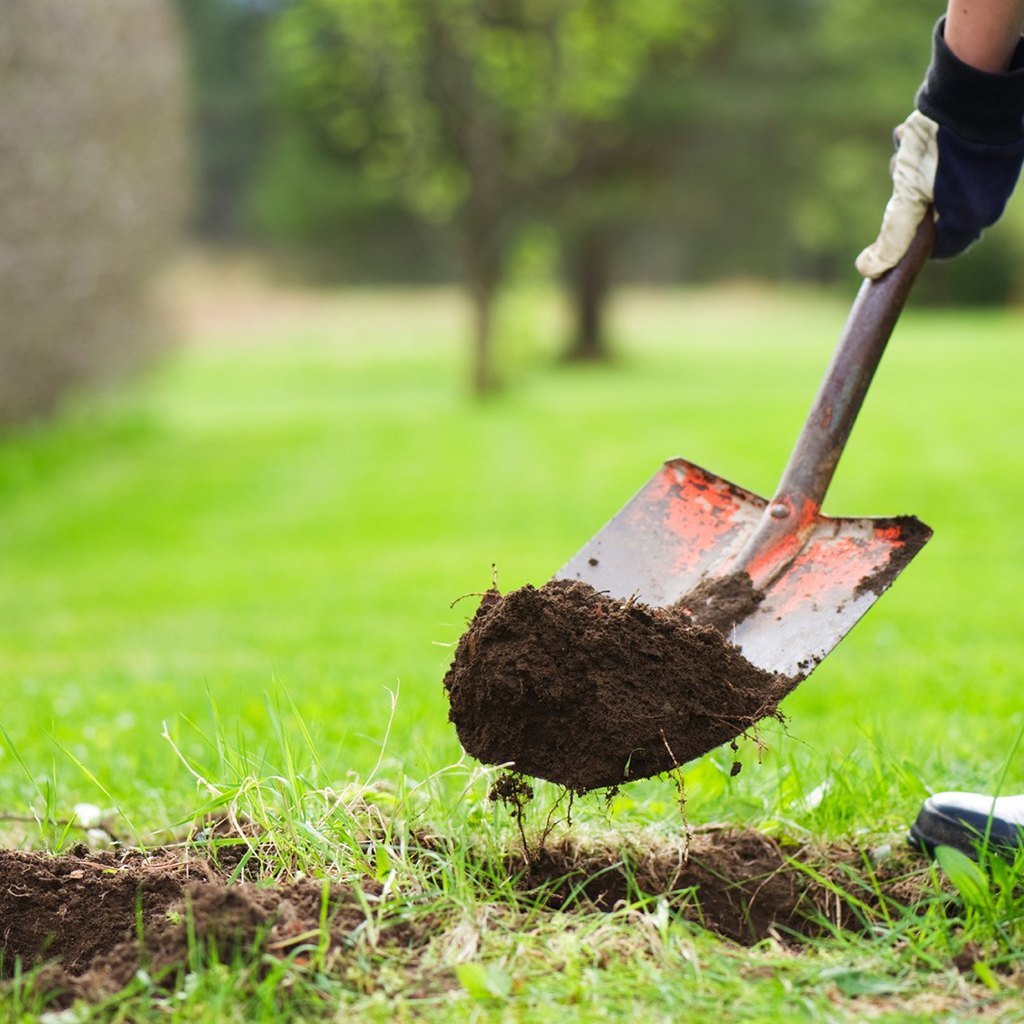
Are you passionate about gardening and eager to keep your tools in top-notch condition? Maintaining your garden trowels and spades is crucial for ensuring they perform at their best and last for years.
Imagine gliding through the soil effortlessly with a well-kept spade or planting new seeds with a trowel that feels like an extension of your hand. It’s not just about preserving your tools; it’s about enhancing your gardening experience. In this guide, you’ll discover simple yet effective tips to keep your garden tools in pristine condition.
By the end, you’ll have the knowledge to make your gardening tasks smoother and more enjoyable. Ready to transform your gardening routine? Let’s dig in!
Choosing Quality Tools
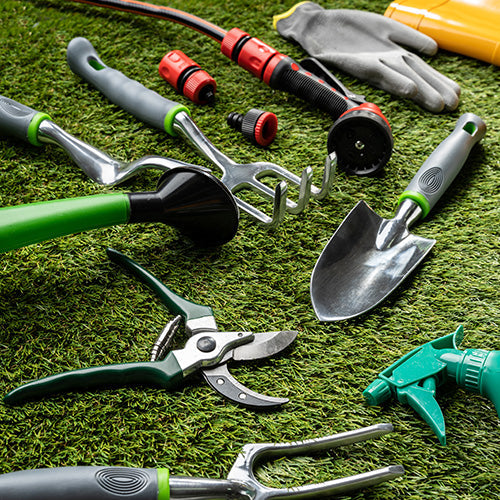
Good garden tools make work easier and last longer. Choosing quality trowels and spades helps maintain your garden well.
Pick tools that feel strong and comfortable. This saves time and effort in the garden.
Materials That Last
Look for tools made from tough materials. Steel and stainless steel resist rust and stay sharp.
Heavy-duty metal parts give you tools that do not bend or break easily. These tools keep their shape for many years.
- Stainless steel resists rust and corrosion
- Carbon steel stays sharp longer
- Aluminum is light but less durable
- Plastic parts can break quickly
Ergonomic Handles
Choose handles that fit your hand well. Ergonomic designs reduce strain and make digging easier.
Wood and rubber handles offer good grip and comfort. Avoid hard plastic handles that can slip or cause blisters.
- Wood handles absorb shock and feel natural
- Rubber grips prevent slipping
- Curved handles reduce wrist stress
- Long handles give better leverage
Credit: mr-fothergills.co.uk
Cleaning After Use
Cleaning your garden trowels and spades after each use keeps them in good shape. Removing dirt and grime prevents rust and damage.
Regular cleaning also makes your tools last longer and work better next time you garden.
Removing Soil And Debris
Start by scraping off large clumps of soil from the blade. Use a stick or a putty knife to help remove stubborn dirt.
Check the handle and blade edges for small debris and clean them carefully to avoid damage.
- Scrape off large dirt chunks
- Use a stick or putty knife
- Clean handle and blade edges
Using Water And Brushes
After removing loose soil, wash the tools with water. Use a garden hose or a bucket to rinse off the dirt.
Use a stiff brush to scrub the blade and handle. This helps remove any stuck dirt or grime.
- Rinse tools with water
- Use a stiff brush for scrubbing
- Dry tools completely after washing
Rust Prevention
Garden trowels and spades are useful tools that need care to last longer. Rust can damage them and make gardening harder.
Preventing rust keeps tools strong and ready for work. Good habits help protect metal parts from moisture and dirt.
Drying Techniques
Always dry your tools well after use. Water left on metal causes rust quickly. Clean soil and moisture before storing.
- Wipe tools with a dry cloth immediately after washing.
- Leave tools in a warm, dry place for full drying.
- Avoid storing tools outside or in damp areas.
- Use a fan or sunlight for faster drying if needed.
Applying Protective Coatings
Protective coatings form a shield against moisture and air. Regular application keeps rust away and metal shiny.
| Coating Type | How to Apply | Benefits |
| Oil (e.g., linseed, motor oil) | Rub on clean, dry metal with cloth | Prevents rust and lubricates joints |
| Wax | Apply melted wax or wax paste evenly | Creates water-resistant barrier |
| Rust Inhibitor Spray | Spray on metal, let dry fully | Stops rust formation quickly |
| Paint | Brush or spray after cleaning and drying | Adds long-term protection and color |

Credit: apersonalorganizer.com
Sharpening Blades
Keeping garden trowels and spades sharp helps them cut soil easily. Sharp tools save your time and effort in the garden.
Regular blade sharpening extends the life of your tools. It also prevents damage caused by dull edges.
Tools For Sharpening
You need the right tools to sharpen trowels and spades correctly. Using proper equipment makes the job faster and safer.
- Metal file: Common tool for sharpening garden tools
- Sharpening stone: Smooths and hones blade edges
- Angle grinder: Quick sharpening for very dull blades
- Wire brush: Cleans rust before sharpening
- Protective gloves: Keep your hands safe
Sharpening Methods
Sharpening blades requires steady hands and the right angle. Most garden tools have a bevel on one side to sharpen.
Start by cleaning the blade with a wire brush. This removes dirt and rust for a smooth sharpening process.
- Hold the tool firmly and file the beveled edge
- Move the file in one direction along the blade
- Keep the file angle between 20 to 30 degrees
- Check the blade edge often for sharpness
- Use a sharpening stone to smooth the edge after filing
- Wipe the blade clean and oil it to prevent rust
Storage Solutions
Proper storage helps keep garden trowels and spades in good shape. It protects them from damage and rust. Good storage also makes tools easy to find and use.
Choosing the right storage method depends on your space and climate. You can store tools indoors or outdoors. Organizing tools properly saves time and effort.
Indoor Vs Outdoor Storage
Indoor storage protects tools from rain and sun. It keeps metal parts dry and clean. A dry place slows rust and blade dulling. Outdoor storage is easier but needs more care.
- Indoor storage options: garage shelves, tool racks, pegboards
- Outdoor storage options: waterproof sheds, covered racks, storage boxes
- Indoors keeps tools dry and away from pests
- Outdoors requires regular cleaning and oiling to prevent rust
- Choose storage based on space, weather, and tool use frequency
Organizing Your Tools
Organizing tools makes your work easier and faster. Each tool should have its place. Group similar tools together to avoid clutter. Labeling helps find tools quickly.
| Organization Tip | Benefit |
| Use wall-mounted racks | Keeps tools visible and off the floor |
| Hang tools by handles | Prevents blade damage and saves space |
| Store small tools in bins | Reduces loss and clutter |
| Clean and dry tools before storing | Extends tool life |
| Label storage areas | Speeds up tool retrieval |
Handle Care
Proper care keeps garden trowel and spade handles strong. It helps prevent cracks and splinters.
Wooden handles need regular attention to stay smooth and last longer.
Sanding Wooden Handles
Sanding removes rough spots and old finishes from wooden handles. It makes the surface smooth to hold.
Use fine-grit sandpaper. Sand along the wood grain to avoid scratches.
- Start with 120-grit sandpaper for rough areas
- Finish with 220-grit for a smooth touch
- Wipe off dust with a clean cloth after sanding
Oiling And Sealing
Oiling protects wood from drying and cracking. It also seals the handle against water damage.
Apply natural oils like linseed or tung oil. Let the oil soak in, then wipe off excess.
- Use a cloth to spread oil evenly
- Let the handle dry for 24 hours before use
- Repeat oiling every few months for best care
Regular Inspections
Regular checks help keep garden trowels and spades in good shape. They stop small problems from becoming big ones.
Inspect your tools often to ensure they work well and last longer. This saves money and effort over time.
Checking For Damage
Look closely at the blade and handle for cracks, rust, or bends. Check if the handle feels loose or rough.
- Examine the metal blade for rust spots or chips.
- Check the wooden handle for splinters or cracks.
- Test if the handle is firmly attached to the blade.
- Look for bent or warped metal parts.
Timely Repairs
Fix issues quickly to avoid tool failure. Clean, sharpen, and tighten parts as needed.
| Problem | Repair Action | Tools Needed |
| Rust on blade | Sand off rust and apply oil | Sandpaper, oil |
| Loose handle | Tighten screws or apply wood glue | Screwdriver, wood glue |
| Dull blade | Sharpen blade edge | File or sharpening stone |
| Cracked handle | Replace handle or wrap with tape | Replacement handle, tape |

Credit: www.hgtv.com
Frequently Asked Questions
How Often Should I Clean Garden Trowels And Spades?
Clean your garden trowels and spades after every use. Removing soil and debris prevents rust and prolongs tool life. Use water and a brush, then dry thoroughly to avoid moisture damage.
What Is The Best Way To Sharpen Garden Spades?
Sharpen garden spades using a metal file or sharpening stone. Hold the tool at a consistent angle and work evenly along the edge. Sharp tools make digging easier and safer.
How Can I Prevent Rust On Garden Tools?
Prevent rust by cleaning tools after use and drying them well. Apply a light coat of oil on metal parts to protect from moisture. Store tools in a dry, sheltered place to avoid corrosion.
Should I Oil Wooden Handles On Garden Trowels?
Yes, oil wooden handles regularly with linseed oil or mineral oil. This keeps wood hydrated, prevents cracking, and extends handle life. Wipe off excess oil and let it dry before storage.
Conclusion
Taking care of garden trowels and spades keeps them useful longer. Clean tools after each use to stop rust. Sharpen blades often for easier digging. Store them in a dry place to protect metal parts. Regular checks help spot damage early.
Small efforts make a big difference in tool life. Healthy tools make gardening easier and more fun. Keep your tools ready; your garden will thank you. Simple habits protect your investment and save money too.
