Weeds can quickly take over your garden, stealing nutrients and water from your plants. But you don’t have to let them win.
Using a garden hoe for weeding is one of the easiest and most effective ways to keep your garden healthy and looking great. If you’ve ever struggled with stubborn weeds or spent hours pulling them by hand, this guide will show you simple tips to make weeding faster and less tiring.
Keep reading to discover how to use your garden hoe like a pro and enjoy a weed-free garden with less effort.
Credit: www.craftsman.com
Choosing The Right Hoe
Using a garden hoe helps remove weeds efficiently. Picking the right hoe makes weeding easier and faster.
Different hoes work best in different soil and garden types. Learn about hoes to find the best one for your needs.
Types Of Garden Hoes
Garden hoes come in many shapes and sizes. Each type serves a different purpose for weeding and soil care.
- Draw Hoe: Has a flat blade for chopping weeds and breaking soil.
- Stirrup Hoe: Features a looped blade for cutting weeds just below the surface.
- Diamond Hoe: Blade shaped like a diamond, good for precision weeding.
- Warren Hoe: Triangular blade designed for digging and hoeing in tight spaces.
Best Hoe For Weeding
The stirrup hoe works well for most weeding tasks. It cuts roots easily without disturbing plants.
The draw hoe is good for heavy weeds and tough soil. It chops weeds deeply and turns the soil.
- Choose stirrup hoes for light and fast weeding.
- Pick draw hoes for strong, deep weed removal.
- Diamond hoes help in tight garden spaces.
Hoe Material And Durability
Hoe blades come in metal or plastic. Metal blades last longer and work better for tough soil.
Handles are usually wood or metal. Wood handles feel lighter, metal handles are stronger but heavier.
- Steel blades resist rust and stay sharp.
- Wood handles absorb shock and are comfortable to hold.
- Metal handles offer extra strength and durability.
- Plastic hoes are light but less durable.
Preparing Your Garden
Using a garden hoe for weeding is easier with good preparation. Taking time to prepare helps you remove weeds faster.
Preparing your garden involves clearing debris, moistening the soil, and marking areas for weeding. Each step makes the job simpler.
Clearing Debris
Remove leaves, sticks, and trash from your garden before you start. Debris can block your hoe and slow your work.
Clearing debris gives you a clear view of the weeds. It also helps prevent damage to your hoe blade.
- Pick up large sticks and stones
- Rake away fallen leaves and grass
- Dispose of trash or old plant parts
Moistening The Soil
Water the soil before using your hoe. Moist soil is softer and easier to work with.
Wet soil helps the hoe remove weeds from the roots better. Avoid working on very dry or very muddy ground.
- Water the soil a few hours before weeding
- Check that the soil is damp but not soaked
- Let very wet soil dry slightly before hoeing
Marking Weeding Areas
Divide your garden into sections to weed step by step. Marking areas helps you stay organized and cover all spots.
Use sticks, string, or small flags to outline areas. This method lets you track where you have weeded and where you still need to work.
- Use garden stakes to mark corners
- Stretch string between stakes for clear lines
- Place small flags in tricky spots
Proper Hoeing Techniques
Using a garden hoe correctly makes weeding easier and faster. It helps remove weeds without hurting your plants.
Good techniques keep your garden healthy and save your energy. Learn how to hold and move the hoe properly.
Correct Grip And Stance
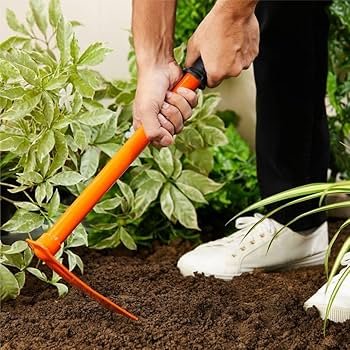
Hold the hoe with both hands for control. Keep one hand near the top and the other in the middle of the handle.
Stand with your feet shoulder-width apart. Bend your knees slightly and lean forward from your hips.
- Keep your back straight to avoid strain
- Face the area you want to weed
- Keep your arms relaxed but firm
Effective Hoeing Motions
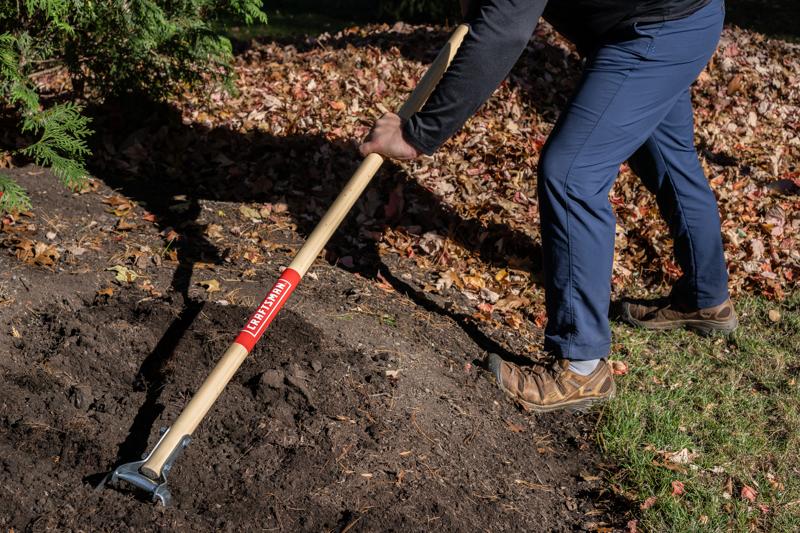
Use short, gentle strokes to cut weeds just below the soil surface. Avoid digging too deep.
Swing the hoe in a push or pull motion. This loosens the soil and cuts weed roots.
- Work in rows or small sections
- Keep the blade close to the ground
- Remove weeds before they grow tall
Avoiding Damage To Plants
Be careful near your plants’ stems and roots. Use the hoe only on bare soil around them.
Stop hoeing if the blade hits a plant. Move slowly and watch where you work.
- Leave space around plants when hoeing
- Use hand tools for weeds close to plants
- Hoe regularly to keep weeds small

Credit: www.amazon.in
Maintaining Your Hoe
Keeping your garden hoe in good shape helps you weed easily. Proper care makes the tool last longer.
Regular maintenance includes cleaning, sharpening, and storing the hoe properly.
Cleaning After Use
Clean the hoe after each use to remove dirt and plant debris. This stops rust and keeps the blade sharp.
Use water and a brush to scrub the blade. Dry it well with a cloth to prevent moisture buildup.
- Remove soil stuck on the blade
- Wipe off sap and plant residue
- Dry the hoe completely
Sharpening The Blade
Sharp blades cut weeds easily and reduce effort. Check the hoe blade for dullness before use.
Use a metal file or sharpening stone. Hold the blade steady and file at a consistent angle.
- File from the edge to the center
- Keep the angle around 45 degrees
- Sharpen both sides evenly
- Wipe blade clean after sharpening
Storage Tips
Store your hoe in a dry place to stop rust and damage. Hang it or place it off the ground.
Keep the blade covered if possible. This protects it and prevents accidents.
- Hang hoe on a wall hook
- Store indoors or in a shed
- Cover blade with a sheath or cloth
- Keep away from moisture and dirt
Additional Weeding Tips
Using a garden hoe helps remove weeds easily. Some extra tips can make weeding faster and better.
These tips will help keep your garden neat and healthy for a long time.
Timing Your Weeding
Weed early before they grow strong roots. Young weeds are easier to remove.
Weed after rain or watering. Soil is soft and weeds pull out smoothly.
Combining Tools For Efficiency
Use a hoe with hand tools like a trowel or weed puller. This helps remove tough weeds.
The hoe cuts roots, and hand tools pull out remaining parts. This stops weeds from growing back.
- Start with the hoe to loosen soil and cut weeds
- Use a trowel to dig out stubborn roots
- Finish by hand-pulling leftover weeds
Preventing Future Weed Growth
Keep weeds away by using mulch around plants. Mulch blocks sunlight and stops weed seeds from growing.
Regularly check your garden and weed small ones quickly. This stops weeds from spreading seeds.
- Apply 2-3 inches of mulch around plants
- Water plants directly to avoid watering weeds
- Clear garden debris where weed seeds hide

Credit: savvygardening.com
Frequently Asked Questions
What Is The Best Type Of Hoe For Weeding?
A stirrup or scuffle hoe is best for weeding. Its sharp blade cuts weeds just below the soil surface. This tool is efficient and reduces soil disturbance, helping maintain healthy garden beds.
How Do You Properly Hold A Garden Hoe?
Hold the hoe with both hands, one near the top and one in the middle. Keep your back straight and use smooth, controlled motions. This grip improves accuracy and reduces fatigue during weeding.
How Often Should You Weed With A Garden Hoe?
Weed your garden every 1-2 weeks to prevent weed growth. Frequent weeding stops weeds from seeding and spreading. Regular use of a hoe makes maintenance easier and keeps your garden healthy.
Can A Garden Hoe Damage Plants If Used Incorrectly?
Yes, improper use can harm plants by cutting roots or stems. Always hoe around plants carefully, avoiding direct contact. Correct technique protects your plants while effectively removing weeds.
Conclusion
Using a garden hoe makes weeding simple and effective. This tool helps keep your garden neat and healthy. It saves time and effort. Just remember to hoe early in the morning or late afternoon. This way, you avoid the harsh sun.
Keep the blade sharp for best results. Regular cleaning and maintenance extend the tool’s life. With practice, you’ll get better at it. Soon, weeding will be quicker and easier. Enjoy a cleaner, thriving garden. Happy gardening!