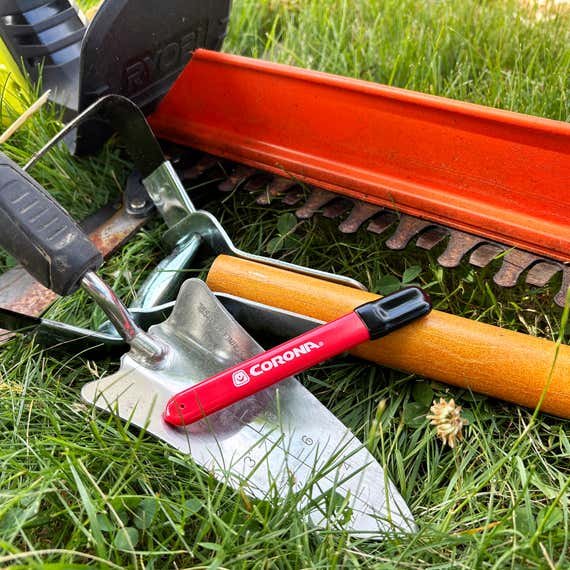
Do you find your garden loppers struggling to cut through branches as smoothly as they used to? You’re not alone.
Many gardeners face this common issue, and it can turn a pleasant day of gardening into a frustrating chore. But what if you could restore your loppers to their former glory with just a little know-how? Imagine effortlessly snipping through branches like a hot knife through butter.
In this guide, you’ll discover simple, effective techniques to sharpen your garden loppers efficiently. Say goodbye to dull blades and hello to a more enjoyable gardening experience. Let’s dive into the secrets of keeping your tools in top-notch condition, so you can focus on what you love most—tending to your beautiful garden.
Choosing The Right Tools
Sharpening garden loppers needs the right tools for the best results. Using proper tools makes the job safer and easier.
This guide covers the tools you need and the safety gear to wear before you start sharpening.
Essential Sharpening Tools
To sharpen garden loppers efficiently, you need these main tools. Each tool helps in a specific part of the sharpening process.
- Flat file:Used to remove nicks and smooth the blade edge.
- Sharpening stone:Helps polish the blade for a fine edge.
- Clamp or vise:Holds the loppers steady while sharpening.
- Lubricant oil:Reduces friction during sharpening.
- Wire brush:Cleans rust and dirt from blades before sharpening.
Safety Gear To Use
Safety is important when sharpening tools. Wearing the right gear protects you from injuries and accidents.
| Safety Gear | Purpose |
|---|---|
| Safety glasses | Protect eyes from metal filings and sparks |
| Work gloves | Shield hands from sharp edges and slips |
| Long sleeves | Prevent cuts and scratches on arms |
| Closed-toe shoes | Protect feet from dropped tools |
| Dust mask | Stops inhaling fine metal dust |

Credit: www.sublimegardens.co.uk
Preparing The Loppers
Before sharpening your garden loppers, get them ready for the work. Proper preparation makes the sharpening process easier and safer.
Focus on cleaning and checking the blades first. Removing rust and debris helps you see the blade edges clearly.
Cleaning And Inspecting Blades
Start by wiping the blades with a damp cloth to remove dirt and sap. Check for any cracks or deep damage on the blades.
- Use warm soapy water to clean sticky residue
- Dry blades completely to avoid rust
- Look closely for chips or bends
- Make sure the blades open and close smoothly
Removing Rust And Debris
Rust and debris can block your view of the cutting edge. Removing them is key for effective sharpening.
| Tool | Use |
| Wire brush | Scrub off loose rust |
| Steel wool | Polish stubborn rust spots |
| Sandpaper (fine grit) | Smooth rough areas |
| Cloth with oil | Protect blades after cleaning |
Sharpening Techniques
Keeping your garden loppers sharp makes cutting easier and safer. Dull blades can damage plants and strain your hands. There are several tools and methods to sharpen your loppers effectively.
This guide covers three popular sharpening techniques: using a sharpening stone, a file, and a rotary tool. Each method has simple steps you can follow at home.
Using A Sharpening Stone
Sharpening stones are a traditional tool for honing blade edges. They work well for removing small nicks and maintaining a smooth cutting surface.
- Clean the lopper blades before sharpening.
- Soak the sharpening stone in water for about 10 minutes.
- Hold the blade at a 20-degree angle to the stone.
- Move the blade across the stone in smooth strokes, following the original bevel.
- Sharpen both sides evenly until the edge feels sharp.
- Wipe the blade clean and apply oil to prevent rust.
Using A File
A file is useful for sharpening larger nicks and reshaping dull edges. It is simple to use and requires no power.
| File Type | Use | Blade Angle |
| Mill File | General sharpening and shaping | 20 degrees |
| Round File | Curved blade edges | Follow blade curve |
| Flat File | Flat surfaces or straight edges | 20 degrees |
Always push the file away from the blade edge, never back and forth. Check sharpness often to avoid removing too much metal.
Using A Rotary Tool
A rotary tool with a grinding attachment speeds up sharpening. It is good for very dull or damaged blades but requires care to avoid overheating.
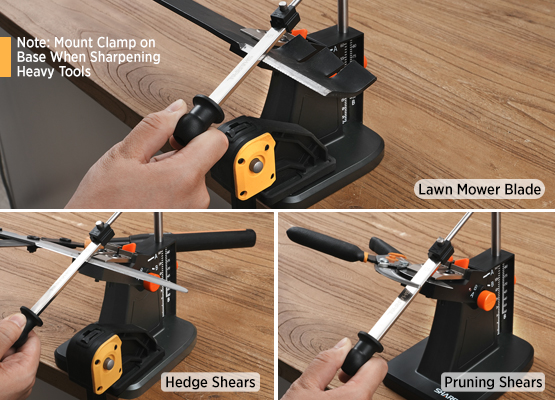
- Secure the lopper blade firmly in a clamp or vise.
- Attach a fine grinding stone or sharpening bit to the rotary tool.
- Turn on the tool at a low speed to start.
- Gently press the blade edge against the rotating bit at about 20 degrees.
- Move the tool smoothly along the edge to maintain an even bevel.
- Keep the blade cool by dipping it in water often.
- Wear safety goggles and gloves during this process.

Credit: www.sublimegardens.co.uk
Maintaining Blade Angle
Keeping the correct blade angle is key to sharpening garden loppers well. The angle affects how sharp and long-lasting the blade edge will be.
Sharpening at the wrong angle can dull the blade faster and make cutting harder. This guide helps you find and keep the right angle.
Finding The Correct Angle
Most garden loppers have a blade angle between 20 and 30 degrees. Check your blade’s original angle before sharpening.
- Look closely at the blade edge under good light.
- Use a protractor or angle gauge to measure the angle.
- Match your sharpening tool angle to the original blade angle.
- Keep the angle steady while sharpening.
Tips For Consistent Sharpening
Consistency in sharpening protects the blade and keeps it cutting smoothly. Follow these tips to maintain the angle every time.
| Tip | Reason |
|---|---|
| Use a sharpening guide | Helps keep the angle steady and correct |
| Sharpen with light, even strokes | Prevents overheating and blade damage |
| Check angle frequently | Ensures blade stays at the right angle |
| Sharpen both sides equally | Keeps the blade balanced and sharp |
| Clean blade before sharpening | Removes dirt that can affect sharpening |
Final Steps After Sharpening
After sharpening your garden loppers, you need to finish with care. These final steps keep the blades sharp and working well.
Testing sharpness and oiling the blades protect your tool. Both steps help it last longer and cut better.
Testing Sharpness
Check if the blades cut cleanly. Use a small branch or twig to test the sharpness.
The blades should slice through with little effort. If the cut is rough or needs force, sharpen again.
- Pick a branch about ½ inch thick
- Try cutting it in one smooth motion
- Look for clean, straight cuts without tearing
- Repeat sharpening if the cut is jagged or hard
Oiling And Lubricating Blades
Apply oil to the blades to stop rust and keep them moving smoothly. Use a light machine oil or a special tool lubricant.
Lubricate the pivot area too. This helps the blades open and close easily without sticking.
- Wipe blades clean before oiling
- Put a few drops of oil on each blade
- Spread oil evenly with a cloth
- Oil the pivot joint and wipe away extra oil
- Store loppers in a dry place after oiling
Credit: sharpal.com
Preventing Dullness
Keeping your garden loppers sharp makes cutting easier and safer. Dull blades tear plants and make your work hard.
Preventing dullness starts with good care. Cleaning and storing loppers right helps keep blades sharp longer.
Regular Cleaning Habits
Clean your loppers after every use. Dirt and sap can build up on blades and cause rust or dullness.
- Wipe blades with a dry cloth to remove dirt
- Use soapy water to clean off sap or sticky residue
- Dry blades completely to stop rust from forming
- Apply a little oil to blades to keep them smooth
- Check and tighten screws and bolts if loose
Proper Storage Tips
Store your loppers in a dry place. Moisture causes blades to rust and dull quickly.
| Storage Method | Benefit |
| Hang on a wall hook | Keeps blades off the ground and dry |
| Use blade covers | Protects edges from damage and dust |
| Keep in a dry toolbox | Prevents rust by avoiding moisture |
| Store away from direct sunlight | Prevents heat damage to handles and blades |
Frequently Asked Questions
How Often Should I Sharpen Garden Loppers?
Sharpen garden loppers after every 10-15 hours of use. Frequent sharpening ensures clean cuts and prevents damage. Regular maintenance extends the tool’s life and improves cutting efficiency.
What Tools Are Needed To Sharpen Garden Loppers?
You need a flat file, sharpening stone, and lubricant. A wire brush can clean blades before sharpening. Proper tools guarantee a sharp, precise edge on loppers.
Can I Sharpen Garden Loppers At Home Safely?
Yes, sharpening loppers at home is safe with care. Use protective gloves and work in a well-lit area. Follow step-by-step instructions to avoid accidents and damage.
How Do I Know When Garden Loppers Need Sharpening?
Blades become dull if cutting feels tough or ragged. Inspect edges for nicks or rust. Dull loppers damage plants and require more effort to use.
Conclusion
Sharpening garden loppers keeps your tools working well. Regular care makes cutting easier and safer. Use the right tools and follow steps carefully. Keep your blades clean and dry after sharpening. A sharp blade saves time and effort in the garden.
Practice often to improve your sharpening skills. Enjoy healthier plants with clean, precise cuts. Good maintenance helps your loppers last longer. Take small steps and be patient. Your garden work will become more pleasant and efficient.