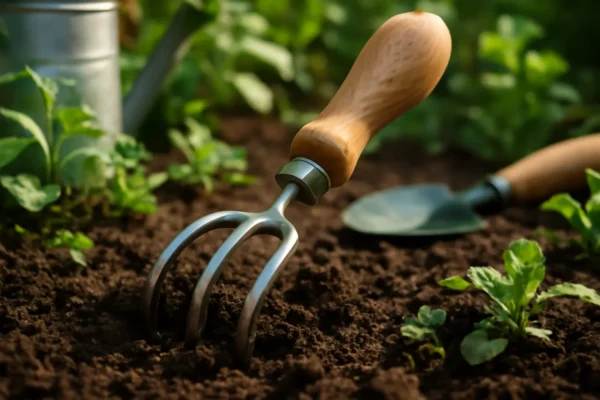
Imagine transforming your garden into a thriving oasis with just a few simple tools. One of the most effective tools at your disposal is the hand cultivator.
This small yet mighty instrument can be your best ally in achieving lush, healthy soil ready for planting. But are you using it to its full potential? In this guide, you’ll uncover the secrets to mastering the art of using a hand cultivator effectively.
By optimizing your technique, you can save time, enhance your garden’s productivity, and enjoy the satisfaction of watching your plants flourish. Dive in to discover how these tips can revolutionize your gardening experience and elevate your green thumb skills to new heights.

Credit: www.gardenweasel.com
Choosing The Right Hand Cultivator
Using the right hand cultivator makes gardening easier. It helps you prepare soil and remove weeds efficiently.
There are many types of hand cultivators. Picking one that suits your needs improves your gardening work.
Types Of Hand Cultivators
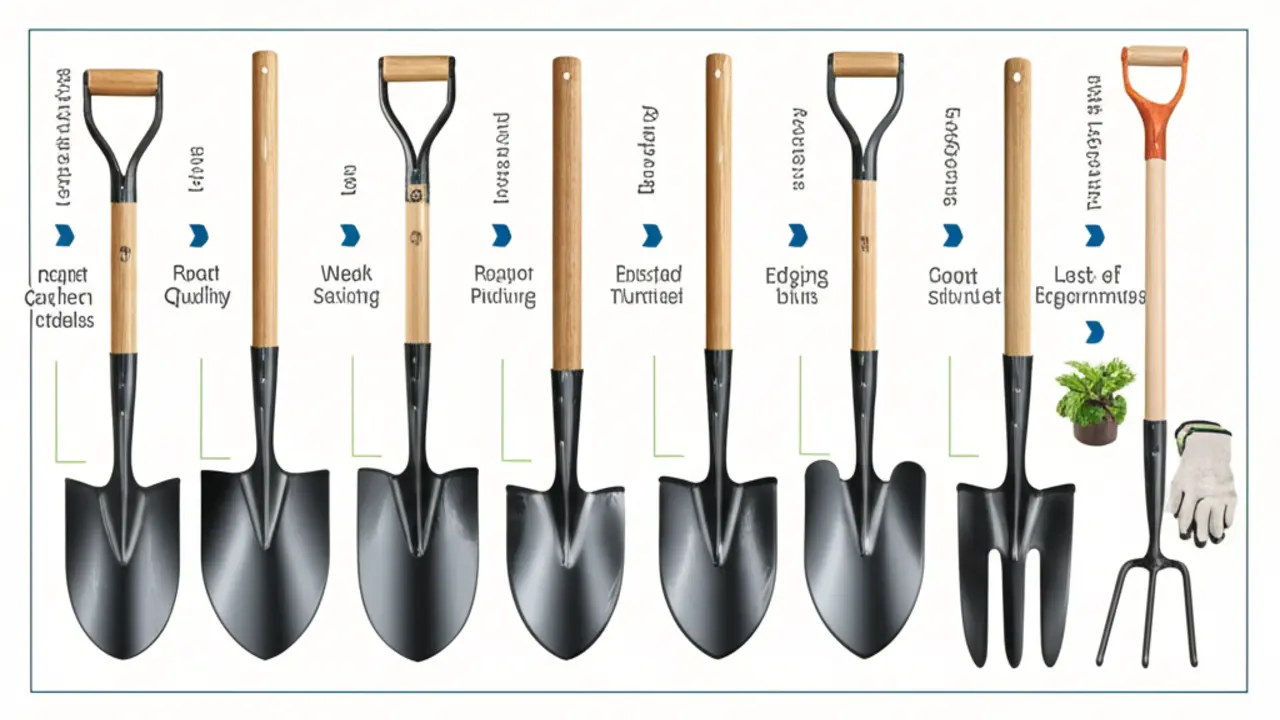
Hand cultivators come in different shapes and sizes. Some have three or four tines, while others have a claw shape.
- Three-prong cultivators are good for loosening soil.
- Four-prong cultivators help break up hard soil.
- Claw cultivators are useful for weeding and aerating.
Materials And Durability
Hand cultivators are made from different materials. Choose one that lasts long and fits your budget.
Steel is strong and resists bending. Aluminum is lightweight but may wear faster. Plastic parts should be sturdy.
- Stainless steel resists rust and lasts longer.
- Aluminum is light but less durable.
- Strong plastic parts reduce tool weight.
Ergonomic Handles
Comfortable handles reduce hand strain during work. Look for hand cultivators with ergonomic designs.
Handles made from rubber or soft materials offer better grip. Curved handles fit the hand shape well.
- Rubber grips prevent slipping.
- Curved handles reduce wrist pain.
- Wood handles feel natural but may need care.
Credit: gardenitemreviews.com
Preparing Your Garden Bed
Preparing your garden bed well helps plants grow strong. Using a hand cultivator makes this task easier.
Start by getting your garden bed ready. This means clearing, loosening soil, and checking moisture.
Clearing Debris
Remove leaves, rocks, and old plants from the bed. This clears space for new plants to grow.
Clearing debris stops pests and diseases from harming your garden.
- Pick up large debris by hand
- Use the hand cultivator to rake small debris
- Dispose of debris away from the garden
Loosening Soil
Use your hand cultivator to break up compacted soil. Loose soil helps roots grow better.
Work the cultivator gently to avoid harming soil structure. Break soil into small clumps.
- Push the cultivator into the soil
- Pull it back to loosen the earth
- Repeat across the entire bed
Moisture Considerations
Check soil moisture before cultivating. Soil should be damp, not wet or dry.
Wet soil can clump and harden later. Dry soil is hard to work and can damage roots.
- Test soil by squeezing a handful
- If water drips, wait to cultivate
- If soil falls apart, it is ready
Proper Techniques For Cultivating
Using a hand cultivator correctly helps keep your garden healthy. Proper techniques make soil loose and plants strong.
Good habits prevent injuries and protect plant roots. Follow these tips for better cultivating results.
Correct Grip And Posture
Hold the hand cultivator firmly but not too tight. Use your dominant hand to guide it smoothly through the soil.
Keep your back straight and bend your knees slightly. This posture reduces strain and helps you work longer.
- Grip the handle with your whole hand
- Keep wrists straight to avoid pain
- Bend knees, not your back
- Stand close to the work area
Effective Soil Turning
Insert the cultivator teeth into the soil gently. Turn the soil by lifting and flipping small sections.
Break up clumps and remove weeds without disturbing too much soil. This helps air and water reach roots.
- Work in small patches for better control
- Turn soil to about 2–3 inches deep
- Remove stones and debris as you go
- Keep soil moist but not wet
Avoiding Plant Root Damage
Be careful not to disturb roots near plants. Work around the base and use gentle movements close to stems.
Stop cultivating if you see roots. Adjust your position or switch tools to protect young plants.
- Keep cultivator teeth away from root zones
- Use shallow strokes near plants
- Watch for exposed roots and cover them
- Check soil moisture before cultivating
Maintaining Your Hand Cultivator
Keeping your hand cultivator in good shape helps it work better. Regular care makes it last longer.
Simple maintenance tasks can prevent damage and keep your tool ready for gardening.
Cleaning After Use
Clean your hand cultivator after each use to remove dirt and debris. This stops rust and keeps it sharp.
Use a brush or cloth to wipe off soil. For stuck dirt, rinse with water and dry it well.
- Remove soil with a stiff brush
- Wash with water if needed
- Dry completely before storing
Sharpening And Rust Prevention
Keep the blades sharp to make gardening easier. Sharpen them regularly using a file or sharpening stone.
Prevent rust by applying oil on metal parts. Use vegetable oil or machine oil for best results.
- Sharpen blades with a metal file
- Apply oil to metal after cleaning
- Check for rust spots and remove them
Storage Tips
Store your hand cultivator in a dry place to avoid rust and damage. Keep it off the ground and away from moisture.
Hang the tool or place it in a toolbox. Cover it with cloth or plastic to protect from dust.
- Keep in a dry, well-ventilated area
- Hang or store in a toolbox
- Cover to protect from dust and moisture
Maximizing Efficiency In Small Spaces
Using a hand cultivator can make gardening easier in tight areas. It helps prepare soil and remove weeds without disturbing nearby plants.
Small gardens need careful work to keep plants healthy. A hand cultivator is a perfect tool for these tasks.
Targeted Weeding
Hand cultivators let you remove weeds close to your plants. Their small size helps you work in tight spots without harming roots.
- Focus on pulling weeds from the base
- Use the cultivator to loosen soil around weeds
- Clear weeds early before they spread seeds
- Work gently to avoid breaking plant roots
Cultivating Between Plants
Use the hand cultivator to aerate soil between plants. This improves water flow and helps roots grow stronger.
| Tip | How to Do It |
| Loosen Soil | Run the cultivator gently between rows |
| Remove Debris | Lift dead leaves and small stones |
| Be Careful | Work slowly to avoid damaging stems |
Using In Container Gardens
Containers have limited soil, so hand cultivation must be careful. Use the tool to keep soil loose and free of weeds.
Follow these steps for container gardening:
- Remove surface weeds with the cultivator
- Lightly loosen the top soil without disturbing roots
- Add compost or fertilizer after cultivating
- Water the container gently to settle the soil
Common Mistakes To Avoid
Using a hand cultivator is simple but can cause problems if done wrong.
Knowing common mistakes helps you use the tool well and protect your soil.
Over-cultivating Soil
Digging too much can harm soil structure and kill helpful organisms.
- Do not cultivate soil when it is very wet or dry.
- Limit how deep you dig to avoid damaging roots.
- Stop working the soil once it looks loose and crumbly.
- Avoid repeated cultivation in the same area.
Ignoring Tool Maintenance
Not cleaning and fixing your cultivator reduces its life and performance.
Keep these tips in mind:
| Maintenance Task | Why It Matters |
|---|---|
| Clean after use | Removes dirt and stops rust |
| Sharpen tines regularly | Makes digging easier |
| Check handle tightness | Prevents accidents |
| Store in dry place | Protects from moisture damage |
Using The Wrong Cultivator Size
Choosing a cultivator that is too big or small makes your work harder.
- Small cultivators suit tight spaces and flower beds.
- Large cultivators work well for big vegetable patches.
- Use a size that feels comfortable and easy to handle.
- Match the tool size to your garden’s soil type and plant size.

Credit: shopsavvy.com
Frequently Asked Questions
What Is The Best Way To Hold A Hand Cultivator?
Hold the hand cultivator with a firm, comfortable grip. Keep your wrist straight to avoid strain. Use your arm muscles to control movement for effective soil cultivation.
How Often Should I Use A Hand Cultivator?
Use your hand cultivator weekly to maintain healthy soil. Regular cultivation prevents weed growth and improves soil aeration. Adjust frequency based on plant needs and soil condition.
Can A Hand Cultivator Improve Soil Health?
Yes, a hand cultivator breaks up compacted soil, enhancing aeration. It promotes better water absorption and root growth. Regular use helps maintain nutrient-rich, healthy soil.
What Soil Types Work Best With Hand Cultivators?
Hand cultivators work well in loose to moderately compacted soils. Avoid very rocky or heavy clay soils, which can damage the tool. Proper soil preparation enhances cultivator effectiveness.
Conclusion
Using a hand cultivator helps keep your garden healthy and neat. Regular use breaks up soil and removes weeds easily. Take your time and work carefully for best results. Clean your tool after each use to keep it sharp. With practice, your garden will grow stronger and look better.
Small daily efforts bring big changes over time. Enjoy the process and watch your plants thrive. Keep these tips in mind for simple, effective gardening.