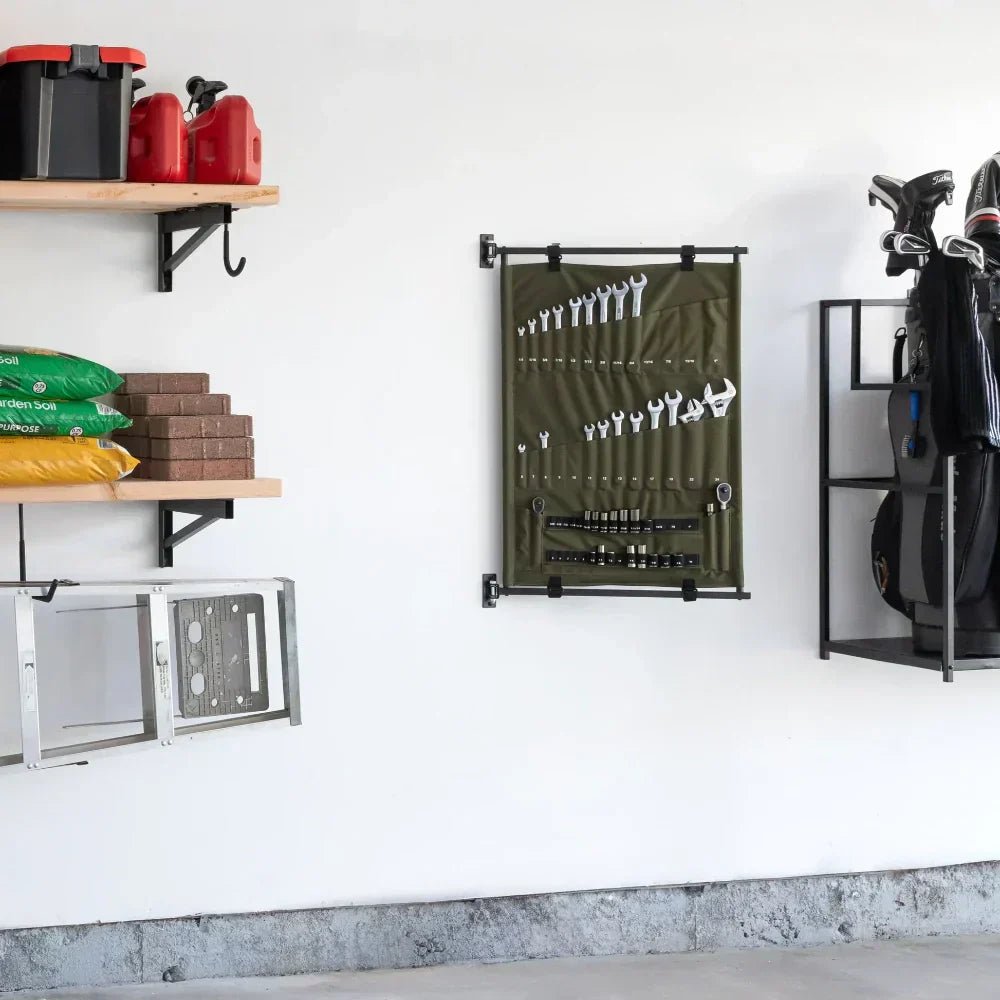
Are your wrenches scattered all over your workspace, making it hard to find the right tool when you need it? Imagine the frustration of rummaging through a cluttered toolbox or a messy workbench, only to waste time and patience.
What if there was a simple, effective solution to keep your tools organized and within arm’s reach? Enter wall hooks—your new best friend in wrench organization. In this guide, you’ll discover how to transform your chaotic tool area into a neat and efficient space.
Get ready to learn the secrets of using wall hooks to not only tidy up your wrenches but also enhance your productivity. Stay with us to uncover practical tips and tricks that will revolutionize the way you handle your tools.

Credit: www.amazon.ca
Benefits Of Wall Hooks For Wrenches
Using wall hooks to organize wrenches helps keep your workspace tidy. It also makes finding the right tool faster. This method saves space and protects your tools.
Wall hooks are simple to install and use. They hold wrenches securely and allow you to arrange them by size or type. This keeps your workshop neat and efficient.
Maximizing Workshop Space
Wall hooks free up bench and drawer space by storing wrenches on vertical surfaces. This makes the most of your workshop area.
- Keep workbenches clear for projects
- Use wall space that is usually unused
- Organize wrenches in a compact way
- Reduce clutter on shelves and drawers
Improving Tool Accessibility
Wall hooks make it easy to see and grab the wrench you need. You can arrange hooks by wrench size or type for quick access.
| Wrench Size | Hook Position | Benefits |
|---|---|---|
| Small | Top row | Easy to reach for small jobs |
| Medium | Middle row | Quick access for common sizes |
| Large | Bottom row | Secure storage for heavy tools |
Protecting Wrenches From Damage
Hanging wrenches on hooks prevents them from banging into each other. This reduces scratches and wear on the tools.
Benefits of using wall hooks for wrench care:
- Prevents rust by allowing air circulation
- Keeps tools off damp surfaces
- Stops edges from dulling by avoiding tool pile-up
- Extends the life of your wrenches
Choosing The Right Wall Hooks
Wall hooks help keep your wrenches organized and easy to find. Picking the right hooks makes your workspace neat and safe.
Not all wall hooks work well for wrenches. Learn about types, materials, and weight limits to choose the best ones.
Types Of Wall Hooks
There are many kinds of wall hooks to hold wrenches. Choose hooks that fit the size and shape of your tools.
- Single prong hooks hold one wrench at a time
- Double prong hooks offer more grip for heavy wrenches
- Magnetic hooks stick to metal surfaces for easy mounting
- Utility hooks have a wide shape for multiple tools
Materials And Durability
Wall hooks come in different materials. Pick ones that last long and do not bend easily under weight.
Metal hooks are strong and good for heavy wrenches. Plastic hooks may be cheaper but can break.
- Steel hooks resist rust and hold heavy tools
- Aluminum hooks are lightweight but still strong
- Plastic hooks work for light wrenches but wear faster
- Coated hooks prevent scratches on your tools
Weight Capacity Considerations
Check how much weight each hook can hold. Wrenches can be heavy, so strong hooks are needed.
Use hooks that support more weight than your heaviest wrench. This prevents hooks from bending or falling.
- Light hooks: hold up to 5 pounds
- Medium hooks: hold 5 to 15 pounds
- Heavy-duty hooks: hold over 15 pounds
Preparing Your Wall For Installation
Using wall hooks is a smart way to organize wrenches. Before you install hooks, prepare your wall well. This helps the hooks hold strong and last longer.
Careful preparation makes hanging your wrenches easy and safe. Follow these steps to get your wall ready.
Selecting The Best Wall Surface
Choose a wall surface that can hold the weight of your wrenches. Solid walls work best. Drywall needs extra support to hold hooks.
Avoid surfaces that are weak or uneven. Brick, wood, or studs behind drywall are good choices. Make sure the wall is clean and dry.
- Wood walls or studs provide strong support
- Brick or concrete walls hold heavy hooks well
- Drywall needs anchors or screws into studs
- Clean the surface to remove dust or grease
Tools Needed For Installation
Gather the right tools before starting. This makes the job faster and easier. Using proper tools helps you install hooks safely.
- Drill with screwdriver bits
- Wall anchors or screws
- Stud finder
- Measuring tape
- Pencil for marking
- Level to keep hooks straight
Measuring And Marking
Measure where you want each hook on the wall. Mark spots clearly with a pencil. Check the spacing so wrenches fit well.
Use a level to make sure marks are even. This keeps your wrenches organized and neat. Double-check measurements before drilling.
- Use measuring tape to space hooks evenly
- Mark drill points with a pencil
- Check marks with a level
- Verify spacing fits wrench sizes
Credit: www.vevor.ca
Step-by-step Installation Guide
Using wall hooks to organize your wrenches saves space and keeps tools easy to find. Proper installation helps the hooks hold the weight safely.
This guide shows how to mount hooks securely, space them well, and label for quick wrench identification.
Mounting Hooks Securely
Choose a strong wall area like studs or solid wood. Avoid drywall alone to prevent hooks from falling under weight.
- Find studs with a stud finder or tap the wall to hear solid spots.
- Mark the hook spots at the right height for easy reach.
- Drill pilot holes to avoid wood splitting.
- Attach hooks with screws suited for your wall type.
- Check each hook is tight and firm before hanging wrenches.
Spacing Hooks For Optimal Organization
Arrange hooks so wrenches do not overlap or crowd each other. This makes each wrench easy to grab.
| Wrench Size | Recommended Hook Spacing |
|---|---|
| Small (6-10 inches) | 3 inches apart |
| Medium (11-15 inches) | 4 inches apart |
| Large (16+ inches) | 5 inches apart |
Labeling For Quick Identification
Label each hook or area to find the right wrench fast. Use clear marks or tags that stay visible.
- Write wrench sizes on adhesive labels and stick them near each hook.
- Use a permanent marker on color-coded tape wrapped around the hooks.
- Place a small photo or drawing of the wrench size above the hook.
Creative Wrench Organization Ideas
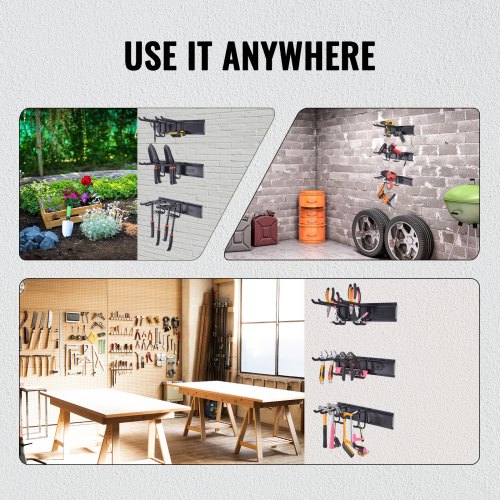
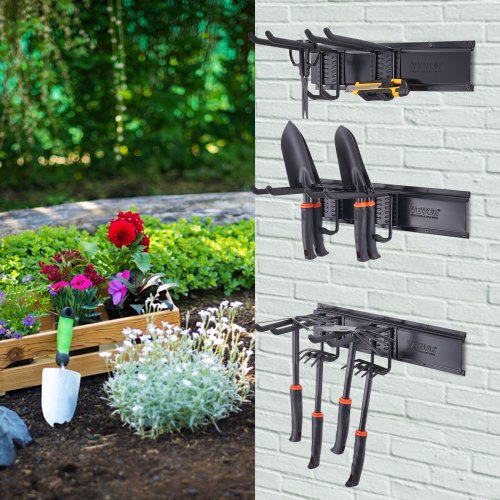
Keeping your wrenches organized saves time and space. Wall hooks offer a simple way to store tools neatly.
Use wall hooks to sort wrenches by size, type, or with other storage options. This keeps your workspace tidy.
Grouping By Size Or Type
Group wrenches on hooks by their size or type. This makes finding the right wrench fast and easy.
- Sort wrenches into sets, such as metric or standard.
- Hang larger wrenches on bigger hooks.
- Place smaller wrenches on smaller hooks nearby.
- Label each group for quick identification.
Using Magnetic Strips With Hooks
Combine magnetic strips with hooks to hold metal wrenches securely on the wall.
Tips for Magnetic Strip Setup:
- Mount the strip at eye level for easy access.
- Use hooks below the strip for additional hanging space.
- Keep heavy wrenches on hooks to avoid weakening magnets.
Combining Hooks With Storage Bins
Hooks work well with storage bins to hold small wrench parts and accessories.
| Storage Type | Use |
| Hooks | Hang wrenches by size or type |
| Storage Bins | Hold nuts, bolts, and small tools |
| Labels | Identify bin contents quickly |
Credit: www.vevor.ca
Maintenance Tips For Wall Hook Systems
Wall hooks help keep wrenches organized and easy to find. Proper care keeps them strong and useful.
Regular maintenance stops damage and ensures your hooks hold tools safely over time.
Regular Cleaning And Inspection
Clean wall hooks often to remove dust and dirt. Dirt can cause hooks to weaken or rust.
Look closely at each hook for cracks or bends. Early detection stops tool falls and accidents.
- Use a dry cloth or soft brush to clean hooks.
- Check hooks for signs of rust or damage.
- Inspect the wall area around hooks for loose screws.
Adjusting Hook Positions
Move hooks to fit different wrench sizes or shapes. Proper spacing keeps tools stable and easy to grab.
Adjust hooks if wrenches feel too tight or too loose. Correct spacing prevents damage to tools and hooks.
- Loosen screws to slide hooks along the wall strip.
- Space hooks so wrenches do not touch each other.
- Tighten screws firmly after adjusting hooks.
Replacing Worn Or Damaged Hooks
Remove hooks that are bent, cracked, or rusted. Damaged hooks can break and cause tools to fall.
Replace worn hooks with new ones that match your wall system. This keeps your wrench storage safe and organized.
- Unscrew damaged hooks carefully from the wall.
- Choose replacement hooks that fit your wall type.
- Install new hooks tightly to avoid wobbling.
Frequently Asked Questions
How Do Wall Hooks Help Organize Wrenches?
Wall hooks keep wrenches visible and accessible. They save drawer space and prevent clutter. This method helps quickly find the right wrench size. Hooks also protect tools from damage and rust by allowing air circulation.
What Types Of Wall Hooks Suit Wrench Organization?
Heavy-duty metal hooks or pegboard hooks work best. Choose hooks that support wrench weight without bending. Magnetic hooks can hold smaller wrenches securely. Ensure the hook size matches your wrench dimensions for stability.
Can Wall Hooks Hold All Wrench Sizes Effectively?
Yes, hooks can hold various wrench sizes if properly spaced. Use different hook sizes for small and large wrenches. Group wrenches by size for easy identification. Proper spacing prevents overlapping and damage.
Where Is The Best Place To Install Wrench Wall Hooks?
Install hooks in a well-lit, easily reachable workshop area. Choose a sturdy wall to support weight. Avoid damp or dusty locations to protect tools. Eye-level placement improves convenience and reduces search time.
Conclusion
Wall hooks help keep your wrenches neat and easy to find. They save space and make your work faster. You can arrange wrenches by size or type for quick access. Simple wall hooks are cheap and easy to install anywhere.
Organizing tools this way protects them from damage. A tidy workspace also feels better to work in. Try using wall hooks today and enjoy a clutter-free tool area. Small changes can bring big order to your workshop.