Are your drill bits not cutting as smoothly or accurately as they used to? If you want your projects to look professional and your work to be precise, sharp drill bits are essential.
Dull bits can cause frustration, damage your materials, and waste your time. But don’t worry—you don’t need to buy new ones every time they get blunt. You’ll learn simple, effective ways to sharpen your drill bits yourself. By the end, you’ll have the skills to keep your tools in top shape and get perfect results every time you drill.
Ready to take your precision work to the next level? Let’s dive in.
Choosing The Right Drill Bits
Using the correct drill bit is key for precise work. The right bit improves accuracy and reduces damage.
Different tasks need specific types and materials of drill bits. Knowing these helps you pick the best one.
Types For Precision Work
Precision drilling needs bits made for accuracy. These bits create clean, exact holes.
- Brad Point Bits: Sharp points stop slipping on wood.
- Twist Bits: Common for metal and plastic, good for fine holes.
- Forstner Bits: Make flat-bottom holes in wood with smooth edges.
- Cobalt Bits: Strong for drilling hard metals with precision.
Material Considerations
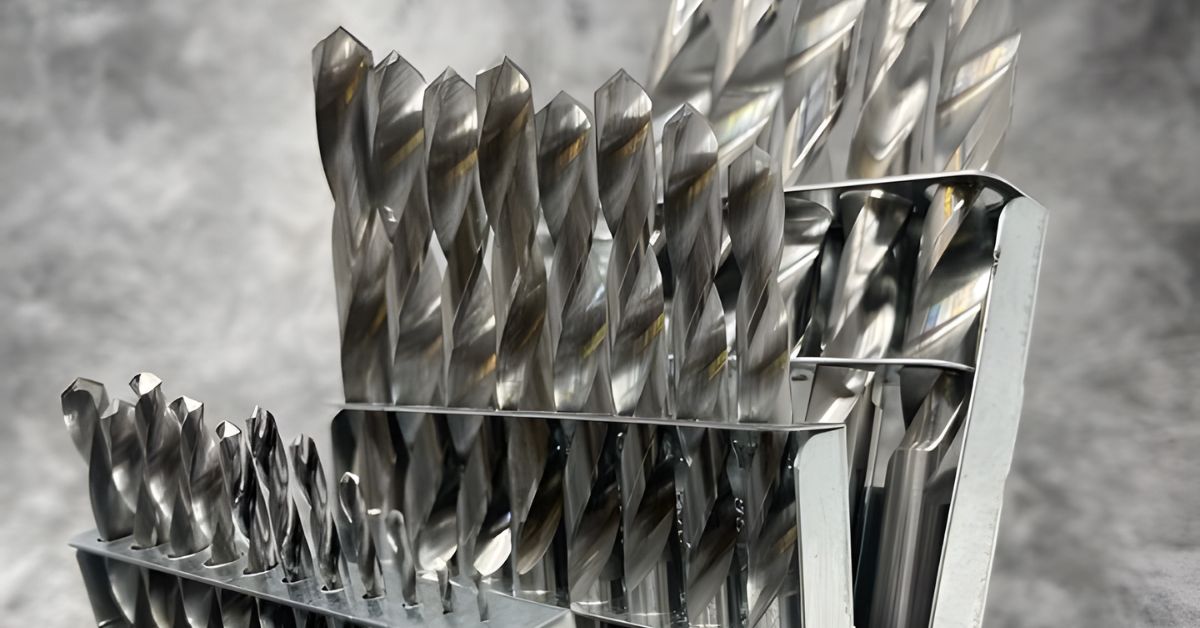
Drill bits come in many materials. Each material works best on certain surfaces.
| Material | Best For | Durability |
| High-Speed Steel (HSS) | Wood, plastic, soft metals | Good |
| Cobalt Steel | Hard metals like stainless steel | High |
| Tungsten Carbide | Concrete, masonry | Very High |
| Diamond Coated | Glass, ceramics | Very High |
Credit: www.drillbitwarehouse.com
Tools Needed For Sharpening
Sharpening drill bits helps them cut better and last longer. Using the right tools makes the job easier and more precise.
Choosing between manual and power tools depends on your skill and the amount of work. Safety gear protects you during sharpening.
Manual Vs. Power Tools
Manual tools need more time but give you control. Power tools work fast and handle many bits quickly.
Manual sharpening uses files or sharpening stones. Power tools use grinders or drill bit sharpeners.
- Manual Tools: Sharpening file, sharpening stone, bench vise
- Power Tools: Bench grinder, drill bit sharpener, angle grinder
- Manual tools suit small jobs and beginners
- Power tools are best for frequent sharpening or many bits
Safety Equipment
Sharpening can create sparks and metal dust. Wear safety gear to protect your eyes and hands.
Use gloves, safety glasses, and a dust mask. Keep your work area clean and well-lit to avoid accidents.
- Safety glasses or goggles
- Protective gloves
- Dust mask or respirator
- Hearing protection for power tools
- Long sleeves to protect arms
Preparing The Drill Bit
Sharpening a drill bit starts with good preparation. This helps you work safely and get better results.
Clean and check the drill bit before you begin. Then mark the angles to sharpen it correctly.
Cleaning And Inspection
Remove dirt and rust from the drill bit using a wire brush or cloth. Clean bits sharpen better.
Look for cracks or chips on the edges. If the bit is damaged, sharpening might not fix it.
- Use a wire brush or sandpaper to clean
- Check edges for damage or wear
- Replace bits with deep cracks or chips
Marking The Angles
Use a marker or pencil to outline the cutting edges. This shows where to sharpen the bit.
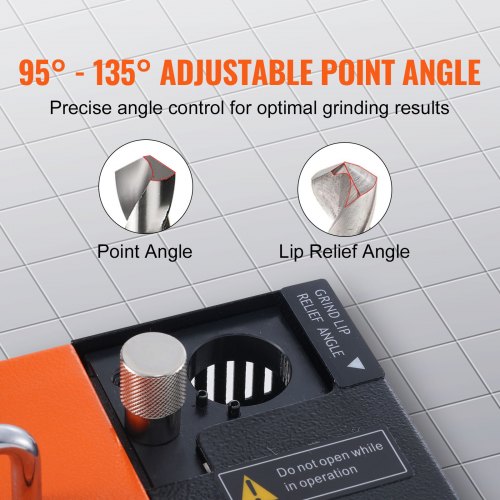
Keep the original angle of the drill bit tip. Most bits have a 118-degree point angle.
- Mark both cutting edges clearly
- Maintain the bit’s original tip angle
- Marking helps guide even sharpening
Sharpening Techniques
Sharpening drill bits improves cutting precision and extends tool life. Using the right method keeps your bits sharp and ready for detailed work.
This guide covers three effective sharpening techniques for drill bits. Each method suits different tools and skill levels.
Using A Bench Grinder
A bench grinder sharpens drill bits quickly and evenly. It uses a rotating abrasive wheel to restore the cutting edge.
- Secure the drill bit in a clamp or holder.
- Turn on the grinder and bring the bit close to the wheel.
- Gently touch the bit’s cutting edge to the wheel.
- Move the bit back and forth to sharpen evenly.
- Cool the bit in water to avoid overheating.
- Check the edge for sharpness and repeat if needed.
Hand Sharpening With A File
Hand sharpening uses a small file to sharpen drill bits without power tools. It works well for small or delicate bits.
- Hold the drill bit firmly in a vise.
- Use a fine metal file to sharpen the cutting edges.
- File at the original angle of the bit’s bevel.
- Work slowly for even sharpening on both sides.
- Check the edges often to avoid over-filing.
Angle Guide Tips
Keeping the correct angle is key to sharpening drill bits properly. Use an angle guide to maintain precision.
| Drill Bit Type | Recommended Angle |
| Standard Twist Bit | 59 to 60 degrees |
| Masonry Bit | 45 degrees |
| Brad Point Bit | 90 degrees |
| Forstner Bit | 90 degrees |
Maintaining Sharpness
Keeping drill bits sharp is key for precise drilling. Sharp bits cut cleanly and last longer.
Proper care helps avoid damage and saves time on frequent sharpening.
Proper Storage
Store drill bits carefully to protect their edges. Avoid loose piles where bits can rub against each other.
- Use a drill bit case with slots for each bit
- Keep bits in a dry place to prevent rust
- Label cases to find bits quickly
- Separate large and small bits to avoid damage
Regular Maintenance
Check drill bits often for dullness or damage. Clean bits after use to remove debris.
| Maintenance Task | Frequency | Reason |
| Clean bits with a brush | After each use | Remove dirt and dust |
| Inspect edges for dullness | Before each project | Ensure sharp cuts |
| Sharpen bits | When dull | Maintain cutting efficiency |
| Apply light oil | Monthly | Prevent rust and corrosion |

Credit: www.youtube.com
Troubleshooting Common Issues
Sharpening drill bits requires care and skill. Problems may occur that affect precision.
Here are common issues you might face and how to fix them for better results.
Uneven Edges
Uneven edges cause drill bits to wobble and produce poor holes. This can happen if the sharpening angle is off or the bit is held incorrectly.
- Check that the drill bit is held steady and at the correct angle.
- Use a consistent motion while sharpening.
- Sharpen both cutting edges evenly to keep balance.
- Inspect the edges with a magnifier to spot unevenness.
- Practice on old bits before sharpening expensive ones.
Overheating Problems
Overheating can damage the drill bit’s temper and reduce its life. It happens if you press too hard or do not cool the bit during sharpening.
| Cause | Effect | Solution |
| Pressing too hard | Bit becomes too hot and weak | Apply light pressure and steady strokes |
| No cooling | Heat builds up and damages metal | Use water or oil to cool bit during sharpening |
| Sharpening too long | Metal overheats and loses hardness | Sharpen in short bursts, check temperature often |
Credit: www.vevor.ca
Frequently Asked Questions
How Often Should I Sharpen Drill Bits?
You should sharpen drill bits when they become dull or produce uneven holes. Regular maintenance can extend their lifespan. Check for signs of wear, such as chipping or difficulty in drilling. Routine sharpening ensures precision and efficiency in your work.
What Tools Do I Need To Sharpen Drill Bits?
To sharpen drill bits, you need a bench grinder or a specialized drill bit sharpener. A honing stone and a safety gear are also recommended. These tools help achieve a sharp edge, ensuring your drill bits perform optimally.
Can I Sharpen Drill Bits Manually?
Yes, you can manually sharpen drill bits using a file or honing stone. This method requires precision and patience. Ensure to maintain the original angle of the drill bit. Manual sharpening is a cost-effective way to restore sharpness.
What Is The Best Angle For Sharpening Drill Bits?
The ideal angle for sharpening drill bits is typically 118 to 135 degrees. This angle suits most general-purpose drilling tasks. Maintaining the correct angle ensures efficient cutting and prolongs bit life. Always refer to the manufacturer’s guidelines for specific requirements.
Conclusion
Sharpening drill bits improves cutting and extends their life. Use the right tools and steady hands for best results. Keep the angle consistent to ensure precise work. Regular sharpening saves time and reduces frustration. Practice a few times to build confidence and skill.
Sharp drill bits make every project easier and cleaner. Take care of your tools, and they will take care of you. Simple steps lead to better drilling every time.