
Imagine the frustration of reaching for your trusty cordless drill, only to find it’s not working at its best. You rely on this tool for countless projects, from fixing little things around the house to tackling major DIY renovations.
To ensure it’s always ready to perform, you need to maintain its components properly. In this guide, you’ll discover simple yet effective ways to keep your cordless drill in top shape. We’ll dive into practical tips and tricks that will extend its lifespan and maintain peak performance.
Because let’s face it, you deserve tools that work just as hard as you do. Stay with us, and unlock the secrets to a well-maintained cordless drill that won’t let you down.
Cleaning The Drill Exterior
Keeping your cordless drill clean helps it work better and last longer. Dirt and dust can harm the drill parts if left on the surface.
Regular cleaning of the drill’s outside is simple. Use the right tools and cleaners to avoid damage.
Removing Dust And Debris
Dust and debris often build up on the drill after use. Removing them stops blockages and keeps the drill cool.
- Use a soft brush to sweep dust off the drill.
- Blow air gently into vents with a can of compressed air.
- Check the chuck for stuck dirt and remove it carefully.
- Clean crevices with a dry cloth or cotton swab.
Wiping With Appropriate Cleaners
Use the right cleaners to avoid harming the drill’s surface or internal parts. Avoid liquids that can cause rust or short circuits.
| Cleaner Type | Use On | Notes |
| Soft cloth dampened with water | Exterior casing | Wring out excess water before use |
| Mild soap solution | Stubborn stains | Use sparingly and dry immediately |
| Isopropyl alcohol (70%) | Plastic and metal parts | Evaporates quickly, no residue |
| Avoid harsh chemicals | All parts | May damage plastic and seals |
Battery Care And Maintenance
Taking care of your cordless drill’s battery helps it last longer. Proper maintenance keeps the drill ready to use.
Good battery habits save money and prevent damage. Learn how to charge, store, and spot battery wear.
Proper Charging Practices
Always use the charger that comes with your drill. Using the wrong charger can harm the battery.
Charge the battery fully before using it for the first time. Avoid letting the battery drain completely before charging.
- Plug the charger into a dry, cool place
- Do not overcharge; remove the battery when fully charged
- Charge batteries at room temperature for best results
Storage Tips For Batteries
Store batteries in a dry and cool place. Avoid places with high heat or moisture.
If you will not use the battery for a long time, charge it to about 50% before storing. Check it every few months and recharge if needed.
- Keep batteries away from metal objects
- Store batteries in a plastic container or case
- Do not leave batteries inside the drill when not in use
Identifying Battery Wear
Check your battery regularly for signs of wear. Worn batteries do not hold charge well and drain fast.
Look for cracks, leaks, or swelling on the battery case. These signs mean the battery is unsafe and should be replaced.
- Battery loses power quickly
- Charger does not fully charge the battery
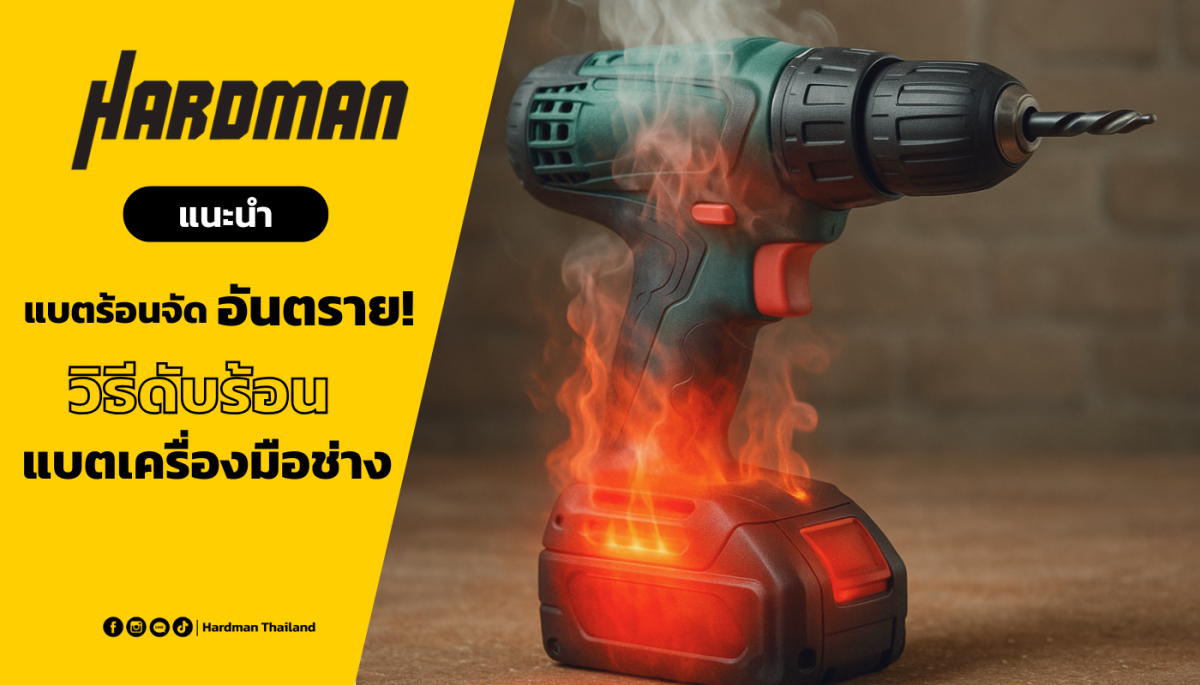
- Battery feels hot during use or charging
- Visible damage on battery case
Inspecting And Lubricating The Chuck
Maintaining your cordless drill’s chuck keeps it working smoothly. Regular checks help avoid damage and extend the tool’s life.
Lubricating the chuck reduces friction and prevents rust. Use the right methods to keep it safe and effective.
Checking For Wear And Tear
Look closely at the chuck for cracks or worn parts. Check if it grips the drill bits tightly. Loose chucks can cause accidents or poor drilling.
- Inspect the jaws for any chips or damage.
- Test the chuck by tightening and loosening it several times.
- Check for rust or dirt that can block movement.
- Listen for grinding sounds when turning the chuck.
- Make sure the chuck holds bits firmly without slipping.
Applying Lubricants Safely
Use a light machine oil or a lubricant made for drills. Avoid heavy grease, which can attract dust and dirt. Apply small amounts to keep the chuck clean and smooth.
| Lubricant Type | Use Instructions | Notes |
|---|---|---|
| Light machine oil | Apply a few drops to the chuck jaws and spindle | Good for regular maintenance |
| Silicone spray | Spray lightly inside the chuck mechanism | Dries fast, resists dust |
| Heavy grease | Not recommended for cordless drill chucks | Can collect dirt and cause clogging |
Maintaining The Motor And Internal Components
Keeping your cordless drill motor and parts clean helps it work well. Regular care stops damage and saves money.
Check the motor and inside parts often. This keeps the drill strong and lasts longer.
Signs Of Motor Issues
Watch for strange sounds or smells from the drill. These can show motor problems.
The drill may run slower or stop suddenly. This means the motor might be weak or broken.
- Grinding or squealing noises
- Burning smell
- Drill slows down or stops
- Overheating during use
Cleaning Internal Parts
Turn off and remove the battery before cleaning. This keeps you safe.
Use a soft brush or compressed air to clear dust and dirt. Clean inside the drill carefully.
- Remove dust from vents and motor area
- Wipe parts with a dry cloth
- Do not use water or liquids inside the drill
- Check for loose wires or parts while cleaning
Replacing And Caring For Drill Bits
Cordless drills need the right drill bits to work well. Caring for your bits can save money and improve performance.
Regular checks and proper handling help drill bits last longer. Know when to replace or sharpen them to keep your drill running smoothly.
Selecting The Right Bits
Choose drill bits based on the material you plan to drill. Using the right bit makes drilling easier and safer.
Use wood bits for wood, metal bits for metal, and masonry bits for concrete or brick. Picking the correct size is important too.
- Match the bit type to the material
- Check the bit size matches the hole needed
- Use quality bits for better results
Sharpening And Storage Tips
Keep drill bits sharp to maintain good cutting power. Use a sharpening tool or get help from a professional if unsure.
Store bits in a dry place to avoid rust. Use a case or organizer to keep bits safe and easy to find.
- Sharpen bits regularly for smooth drilling
- Clean bits after use to remove debris
- Store bits in a dry, organized container
- Replace bits if they are worn or damaged
Credit: tendsupplies.com
Storing The Drill Properly
Proper storage keeps your cordless drill in good shape. It helps the drill last longer.
Storing the drill correctly prevents damage to its parts and battery.
Ideal Environmental Conditions
Keep the drill in a dry, cool place. Avoid places with high heat or moisture.
- Temperature should be between 40°F and 100°F (4°C to 38°C)
- Keep away from direct sunlight
- Store in low humidity areas
- Avoid dusty or dirty environments
- Do not leave the drill near chemicals or corrosive materials
Using Protective Cases
Use a protective case to store your cordless drill and its parts. A case keeps the drill safe from impacts and dust.
| Type of Case | Benefit | Recommended Use |
| Hard Plastic Case | Strong protection from drops | For heavy use and travel |
| Soft Pouch | Lightweight and easy to carry | For light storage and indoor use |
| Custom Foam Insert | Keeps drill and parts organized | For long-term storage |
Regular Performance Checks
Regular performance checks help keep your cordless drill working well. These checks find small problems early.
Performing tests often extends the drill’s life and keeps it safe to use.
Testing Speed And Torque
Check the drill’s speed and torque to ensure it works correctly. Speed means how fast the drill spins.
Torque is the force the drill uses to turn screws or drill holes. Both must be steady during use.
- Use a drill speed tester if available
- Check if the drill changes speed smoothly
- Feel if the drill has enough power to turn screws
- Look for any sudden drops in speed or power
Listening For Unusual Noises
Listen carefully when the drill runs. Unusual sounds can mean worn parts or damage.
Common noises include grinding, squealing, or clicking. These sounds need attention before they cause failure.
- Run the drill without load and listen closely
- Check for rattling or knocking sounds
- Note any changes in noise over time
- Stop use if noises become loud or sharp
Credit: www.hardman.co.th
Credit: www.slashgear.com
Frequently Asked Questions
How Often Should I Clean Cordless Drill Components?
Clean your cordless drill components after every use. Remove dust and debris from the chuck, motor vents, and battery contacts. Regular cleaning prevents buildup and improves drill performance. Use a soft brush and dry cloth for safe cleaning.
What Is The Best Way To Lubricate A Cordless Drill?
Use a light machine oil or specialized drill lubricant. Apply a small amount to the chuck and moving parts. Avoid over-lubricating as it attracts dirt. Proper lubrication ensures smooth operation and extends component life.
How Do I Check The Battery Health Of My Cordless Drill?
Inspect the battery for swelling, leaks, or corrosion. Use a multimeter to measure voltage output. Charge fully and note runtime; reduced runtime indicates battery wear. Replace old batteries to maintain drill efficiency.
Can I Replace Worn-out Drill Components Myself?
Yes, you can replace parts like the chuck, brushes, or battery. Follow the manufacturer’s instructions carefully. Use proper tools to avoid damage. DIY replacement saves cost and prolongs your drill’s lifespan.
Conclusion
Proper care keeps your cordless drill working well for years. Clean the parts regularly and check for damage. Store the drill in a dry, safe place. Charge the battery correctly to extend its life. Tighten screws and oil moving parts often.
Small steps make a big difference in tool performance. A well-maintained drill saves time and money. Keep your drill ready for any job ahead. Simple habits protect your investment and improve safety. Maintenance is easy and pays off in the long run.