
If your circular saw isn’t running as smoothly as it used to, the problem might be hidden deep inside—right in the bearings. When these small but crucial parts aren’t properly lubricated, your saw can slow down, overheat, or even break.
You don’t want your tool failing in the middle of a project, do you? Learning how to lubricate circular saw bearings is easier than you think, and it can save you time, money, and frustration. Keep reading, and you’ll discover simple steps to keep your saw running like new.
Tools And Materials Needed
Lubricating circular saw bearings keeps the tool running smoothly. It reduces wear and stops overheating.
You need the right tools and lubricants to do this job safely and well.
Types Of Lubricants
Choose a lubricant that fits your circular saw’s bearings. The right type helps prevent damage and extends life.
- Light machine oil: Good for small bearings and easy application.
- Grease: Thicker, stays longer on bearings, ideal for heavy use.
- Silicone-based lubricants: Resist water and heat, good for wet conditions.
- Graphite lubricant: Dry type, reduces friction without attracting dust.
Essential Tools
Gather these tools before starting. They make the lubrication process easier and safer.
| Tool | Purpose |
| Screwdrivers | Remove saw covers and access bearings |
| Clean cloths | Wipe old grease and dirt from bearings |
| Brush or small applicator | Apply lubricant evenly |
| Protective gloves | Keep hands clean and safe |
| Compressed air | Blow out dust and debris |
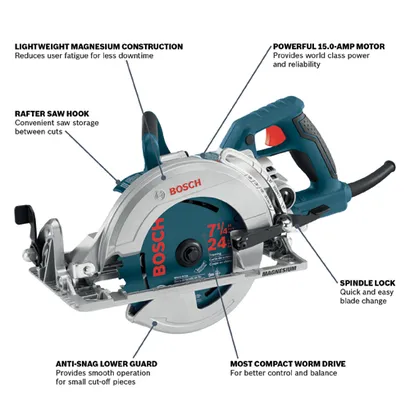
Credit: www.boschtools.com
Preparing The Saw
Lubricating circular saw bearings keeps the tool running smoothly. Proper preparation is key for safe and effective maintenance.
This guide covers the first steps before applying lubricant to the bearings.
Safety Precautions
Always prioritize safety before starting any maintenance work on your circular saw.
- Unplug the saw from the power source to avoid accidental start-up.
- Wear safety gloves to protect your hands from sharp edges.
- Use safety glasses to shield your eyes from debris.
- Work in a clean and well-lit area.
- Keep children and pets away from the workspace.
Removing The Blade
Removing the blade is necessary to access the bearings safely. Follow these steps carefully.
- Unplug the saw to ensure no power is connected.
- Press the blade lock button to stop the blade from moving.
- Use the correct wrench to loosen the blade bolt by turning it counterclockwise.
- Carefully remove the blade and place it on a flat, stable surface.
- Inspect the blade for damage before storing it safely.
Accessing The Bearings
Access to the bearings requires removing the saw’s outer casing. This process varies by model.
| Model Type | Access Method | Tools Needed |
|---|---|---|
| Side-Panel Saw | Remove side cover screws | Phillips screwdriver |
| Top-Panel Saw | Lift top cover after unscrewing | Flathead screwdriver |
| Compact Saw | Unscrew base plate and slide off cover | Hex key set |
Cleaning The Bearings
Keeping circular saw bearings clean helps the tool run smoothly. Dirt and old grease can cause damage.
Cleaning the bearings is an important step before adding new lubricant. It removes buildup and old grease.
Removing Old Grease
Start by removing all the old grease from the bearings. Use a cloth or paper towel to wipe off thick grease.
Make sure to clean inside the bearing area where grease collects. Removing old grease prevents dirt from sticking.
- Use a clean rag or paper towel
- Wipe off as much grease as possible
- Check for hidden grease inside the bearing
Using Cleaning Agents
After removing old grease, use a cleaning agent to clear dirt and grime. Choose a solvent safe for metal parts.
Apply the cleaner with a small brush or cloth. Let it sit briefly, then wipe or rinse off the residue.
- Use mineral spirits or a bearing cleaner
- Apply with a soft brush for hard-to-reach spots
- Dry the bearings completely before lubricating
Applying Lubricant
Lubricating circular saw bearings is key to keep the tool running smoothly. Proper lubrication reduces friction and prevents wear.
Applying the right amount of lubricant and using correct techniques helps extend the life of your saw.
Choosing The Right Amount
Use just enough lubricant to cover the bearings. Too much causes dirt buildup and can slow the saw down.
Too little lubricant will not protect the bearings properly. Find a balance for smooth operation.
- Apply a thin, even layer on the bearing surfaces
- A small drop or two is usually enough per bearing
- Check the manufacturer’s guide for specific amounts
Lubrication Techniques
Clean the bearings before applying lubricant to remove old grease and dirt. Use a cloth or brush.
Apply lubricant directly to the bearings with a small brush or oil dropper. Spread it evenly.
- Turn the saw blade slowly by hand to distribute lubricant inside
- Wipe off any excess lubricant to avoid attracting dust
- Lubricate regularly based on usage and environment
Reassembling The Saw
After lubricating the circular saw bearings, you need to put the saw back together. This process ensures the saw works smoothly and safely. Follow each step carefully to avoid damage.
Focus on securing all parts firmly and installing the blade correctly. Proper reassembly helps maintain the saw’s performance and extends its life.
Securing Components
Start by tightening all screws and bolts that hold the motor and bearings. Make sure the bearings sit properly in place without any wobble. Loose parts can cause accidents or reduce tool efficiency.
- Check each fastener for tightness using a wrench or screwdriver.
- Replace any damaged or worn screws before tightening.
- Ensure the motor housing fits snugly around the bearings.
- Test the spinning of the blade shaft by hand to confirm smooth movement.
Blade Installation
Place the blade on the arbor carefully. The teeth should face the cutting direction. Use the washer and flange to hold the blade firmly. Tighten the arbor nut securely but avoid over-tightening.
| Part | Purpose | Tip |
|---|---|---|
| Blade | Cutting material | Check for sharpness before installing |
| Washer | Holds blade in place | Place flat side against blade |
| Flange | Secures washer and blade | Ensure it fits flush |
| Arbor Nut | Tightens blade assembly | Use a wrench to tighten firmly |
Credit: www.familyhandyman.com
Testing And Maintenance
Keeping circular saw bearings in good shape helps your saw work well. Testing and maintenance stop damage early.
Lubricating bearings reduces friction and wear. Regular checks find problems before they grow.
Checking For Smooth Operation
Turn the circular saw blade by hand. It should spin easily without noise or rough spots.
If you feel resistance or hear grinding sounds, the bearings may need attention or replacement.
- Remove the blade guard before testing
- Spin the blade slowly by hand
- Listen for unusual noises
- Feel for any rough or stiff movement
Regular Lubrication Schedule
Lubricate the bearings regularly to keep them running smoothly. Follow the saw manufacturer’s advice.
Use the right lubricant type. Avoid over-lubricating, which can attract dirt and cause damage.
- Clean the bearings before applying lubricant
- Apply grease or oil recommended for circular saws
- Lubricate every 3 to 6 months, or after heavy use
- Check for leaks or excess lubricant after application
Credit: www.familyhandyman.com
Frequently Asked Questions
How Often Should I Lubricate Circular Saw Bearings?
Lubricate circular saw bearings every 6 months for optimal performance. Frequent use or harsh conditions may require more frequent lubrication. Regular maintenance prevents wear and tear, ensuring smooth operation. Always check the manufacturer’s guidelines for specific recommendations tailored to your saw model.
What Type Of Lubricant Is Best For Saw Bearings?
Use high-quality bearing grease or machine oil for circular saw bearings. These lubricants reduce friction and prevent rust, ensuring longevity. Avoid using household oils, as they may degrade the bearings. Check your saw’s manual for specific recommendations on suitable lubricants.
Can I Use Wd-40 On Circular Saw Bearings?
WD-40 is not recommended for circular saw bearings. It’s a water-displacing spray, not a long-term lubricant. Use specialized bearing grease or machine oil for proper lubrication. Regular maintenance with the right lubricant extends the life of your saw and maintains performance.
How Do I Access The Bearings For Lubrication?
To access bearings, first, unplug the saw for safety. Remove the blade guard and blade. Consult the user manual for specific disassembly instructions. This process may vary between models. Regular maintenance ensures your saw operates smoothly and efficiently.
Conclusion
Properly lubricating circular saw bearings keeps your tool running smoothly. Clean the bearings first to remove old grease and dirt. Apply the right lubricant sparingly to avoid buildup. Regular care extends the life of your saw and improves safety. Small steps make a big difference in performance.
Keep your saw well-maintained for reliable cuts every time. Simple maintenance prevents costly repairs down the road. Your saw will thank you with better efficiency and less noise.