
Are your shrubs looking a little wild after winter? Cutting them back in spring is the best way to keep them healthy and looking great all season long.
But if you’re not careful, you could damage your plants—or even hurt yourself. In this guide, you’ll learn simple, safe steps to trim your shrubs like a pro. By the end, you’ll have the confidence and know-how to shape your garden perfectly without any guesswork or stress.
Ready to make your shrubs thrive? Let’s get started!
Credit: extension.msstate.edu
Choosing The Right Time
Cutting back shrubs at the right time helps them grow strong and healthy. Spring is a good season for pruning because plants start to wake up from winter.
Knowing when to cut back shrubs prevents damage and encourages new growth. Watch your shrubs closely to pick the best moment.
Signs Spring Is Ideal
Look for these signs to know when spring is the right time to prune your shrubs.
- New buds start to form on branches
- Leaves begin to unfold and look fresh
- Birds and insects become more active around shrubs
- The soil feels warm and not frozen
Avoiding Frost Damage
Frost can harm your shrubs if you prune too early. Wait until the chance of frost is gone to protect new growth.
| Risk Factor | When to Prune |
| Late Frosts | After the last frost date in your area |
| Early Buds | Wait until buds swell but before leaves open |
| Cold Nights | Prune only when nights stay above freezing |
Essential Tools For Pruning
Cutting back shrubs in spring keeps them healthy and full. Using the right tools makes pruning easier and safer.
Choosing good tools helps you make clean cuts and protect the plants. It also keeps you safe while working.
Hand Pruners And Loppers
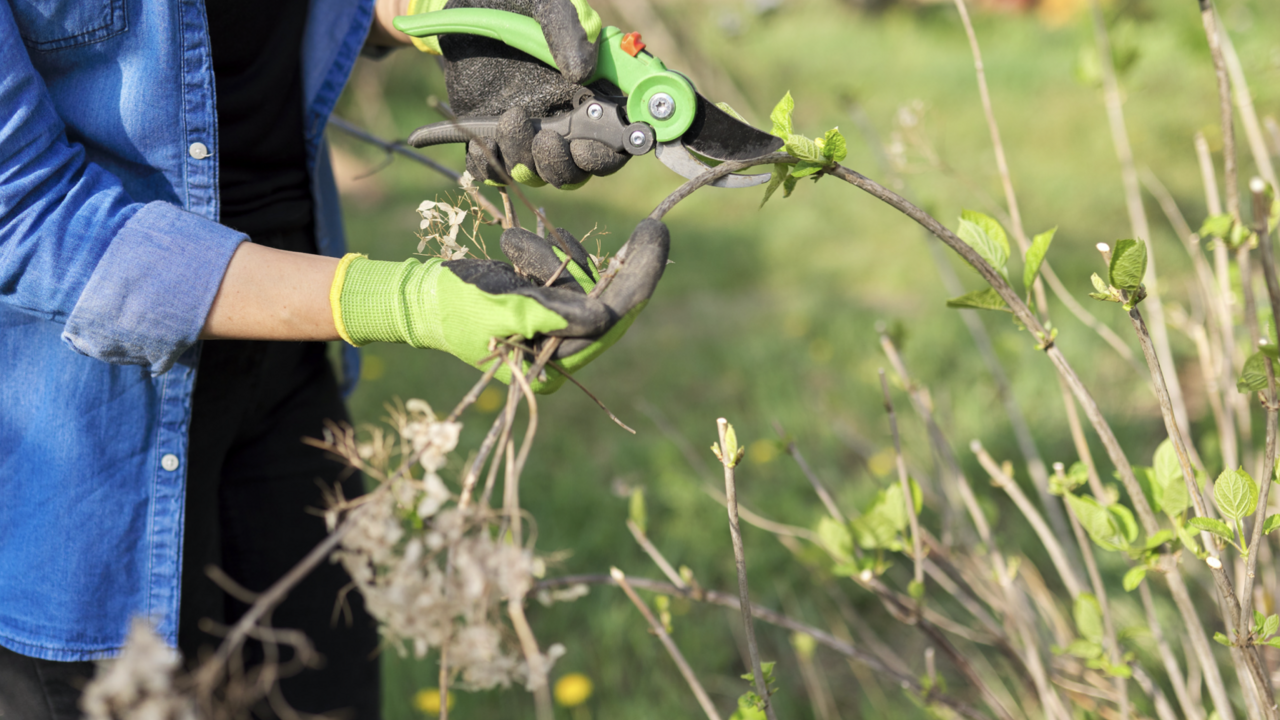
Hand pruners are small tools for cutting thin branches. They work well for branches under half an inch thick.
Loppers are bigger and cut thicker branches. They give more power and reach for larger cuts.
- Hand pruners are best for precision cuts.
- Loppers can cut branches up to 2 inches wide.
- Use sharp blades to avoid damaging plants.
- Choose tools with comfortable handles to reduce hand strain.
Safety Gear To Wear
Wear safety gear to protect yourself from cuts and scratches. Gloves and eye protection are important.
Long sleeves and sturdy shoes help avoid skin injuries. Always dress for safety before pruning shrubs.
- Wear thick gloves to protect hands.
- Use safety glasses to shield your eyes.
- Long sleeves protect your arms from scratches.
- Wear closed-toe shoes to protect feet.
Tool Maintenance Tips
Keep pruning tools clean and sharp for best results. Well-maintained tools last longer and work better.
After use, wipe blades and oil them to stop rust. Check handles for cracks and tighten loose parts.
- Clean blades with a damp cloth after each use.
- Sharpen blades regularly using a sharpening stone.
- Apply light oil to metal parts to prevent rust.
- Inspect handles and tighten screws or bolts.
Preparing Shrubs For Cutting
Cutting back shrubs in spring helps them grow healthy and strong. Proper preparation keeps you safe and protects the plants.
Start by getting the area ready and checking your shrubs carefully. This will make the cutting process easier and better for the shrubs.
Clearing Surrounding Area
Clear the area around the shrubs before you start cutting. Remove any objects that may get in your way or cause accidents.
- Pick up toys, tools, and garden hoses
- Trim tall grass and weeds near the shrubs
- Place a tarp or cloth to catch trimmed branches
- Wear gloves and protective clothing
- Make sure pets and children stay away
Inspecting Shrubs For Health
Look closely at your shrubs before cutting. Check for signs of disease, pests, or damage to avoid harming the plants.
| Inspection Point | What to Look For | Action Needed |
| Leaves | Discoloration, spots, holes | Remove affected parts, treat pest or disease |
| Branches | Dead, broken, or weak branches | Cut away damaged branches |
| Roots | Exposed or damaged roots | Cover roots, avoid cutting near them |
| Insects | Presence of bugs or webs | Use safe insect control methods |

Credit: www.yahoo.com
Techniques For Safe Shrub Cutting
Cutting back shrubs in spring helps keep them healthy and looking good. Using safe techniques protects the plant and yourself.
Knowing how to identify branches, cut at the right angle, and avoid over-pruning makes the job easier and better for the shrub.
Identifying Dead And Damaged Branches
Look for branches that are dry, cracked, or have no leaves. These parts do not help the shrub grow and can cause disease.
Remove these branches first to improve air flow and let more light reach healthy parts.
- Dead branches are brittle and dark brown or gray
- Damaged branches may have cracks or missing bark
- Use pruning shears to cut these branches near the base
Cutting At The Right Angle
Cut branches at a 45-degree angle. This shape helps water run off, preventing rot and disease.
Make clean cuts just above a bud or branch junction to help the shrub heal faster.
- Use sharp, clean tools for smooth cuts
- Cut slightly above a healthy bud or side branch
- Avoid crushing or tearing the branch when cutting
Avoiding Over-pruning
Cut only what the shrub needs. Removing too much can stress the plant and slow growth.
Focus on shaping the shrub and removing dead parts, not cutting large areas at once.
- Never remove more than one-third of the shrub at once
- Leave enough leaves for photosynthesis
- Check the shrub after pruning and adjust if needed
Aftercare For Pruned Shrubs
After pruning shrubs in spring, proper care helps them grow healthy. Taking care of your shrubs after cutting back encourages strong new growth.
Use the right watering, fertilizing, and monitoring methods. These steps protect your shrubs and improve their recovery.
Watering And Mulching
Water your shrubs deeply after pruning. This helps the roots absorb moisture and reduces stress on the plant.
- Water early in the morning or late in the evening
- Keep the soil moist but not soggy
- Apply mulch around the base to keep moisture
- Use organic mulch like wood chips or straw
- Renew mulch layer every spring
Fertilizing Tips
Fertilize your pruned shrubs to give nutrients that support new shoots. Use balanced fertilizers with equal parts nitrogen, phosphorus, and potassium.
| Fertilizer Type | Best Time to Apply | Amount |
| Slow-release granular | Early spring | As per package |
| Liquid fertilizer | 4 weeks after pruning | Half strength |
| Organic compost | At mulching | 2–3 inches layer |
Monitoring New Growth
Check your shrubs often for signs of healthy growth or problems. Look for new shoots, leaf color, and any pests or diseases.
- Bright green leaves mean good health
- Wilting or yellowing leaves need more water
- Spots or holes on leaves may show pests
- Slow growth could mean nutrient issues
Common Mistakes To Avoid
Pruning shrubs in spring helps them grow healthy and strong. Cutting them the wrong way can hurt the plants. Avoid these common mistakes to keep your shrubs safe.
Knowing when and how to cut back shrubs is important. Use the right tools and safety steps for best results.
Cutting Too Early Or Late
Cutting shrubs too early in spring can harm new buds. Shrubs may not bloom well if pruned at the wrong time. Cutting too late can stop growth and make plants weak.
Check the type of shrub before pruning. Some shrubs bloom on old wood, so cutting them early can remove flowers. Others bloom on new growth and need late pruning.
- Early cutting may kill flower buds
- Late cutting can slow new growth
- Know your shrub’s blooming pattern
Using Dull Tools
Dull tools tear branches instead of cutting cleanly. This can cause damage and invite diseases. Sharp tools make smooth cuts that heal faster.
Keep your pruners and shears sharp before use. Clean tools also help prevent spreading infections between plants.
- Dull blades cause rough cuts
- Sharp tools protect plant health
- Clean tools reduce disease risk
Ignoring Safety Precautions
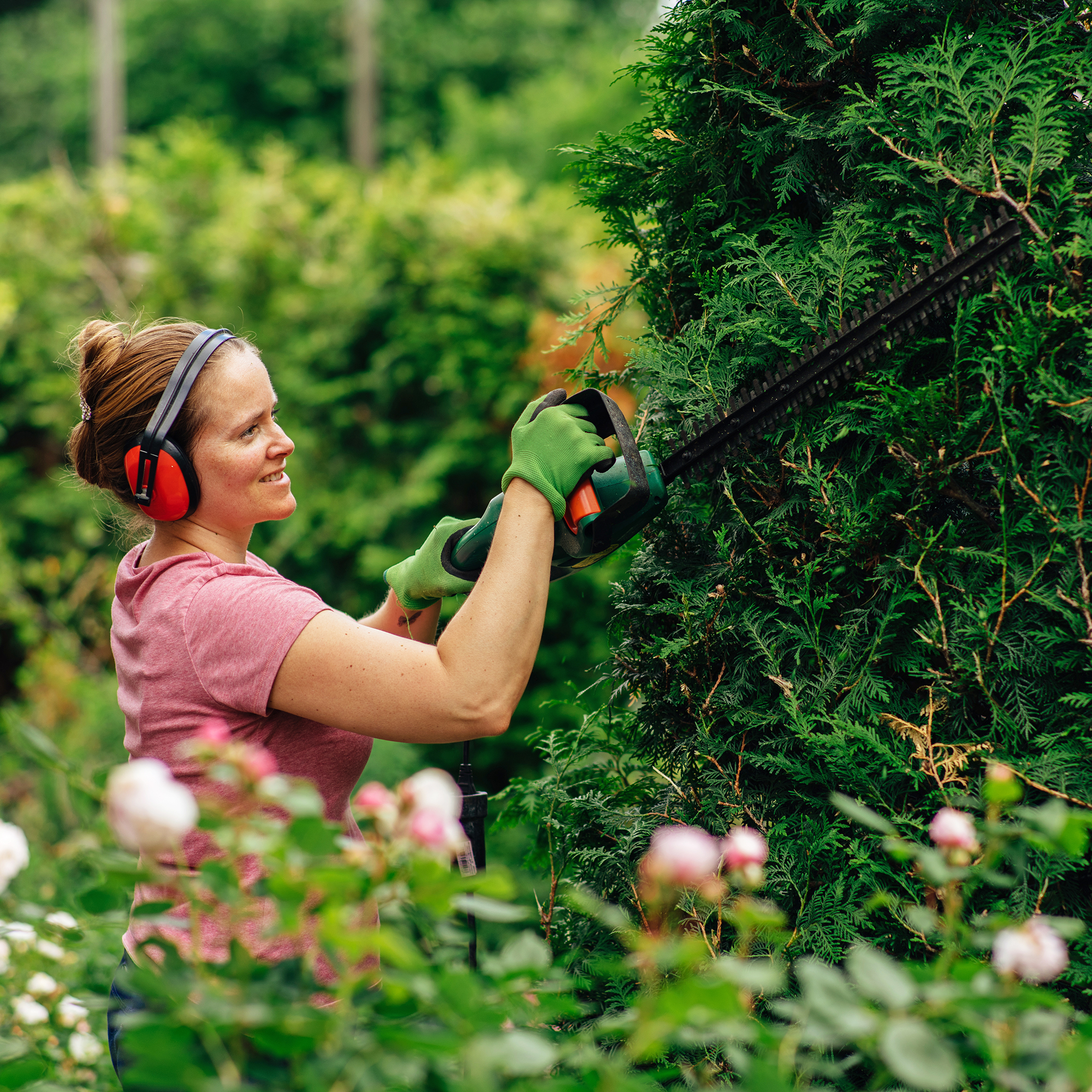
Pruning shrubs can be risky without safety gear. Cuts, eye injuries, and falls can happen. Always wear gloves and eye protection.
Use sturdy ladders and stable footing when reaching high branches. Stay aware of power lines and other hazards around you.
- Wear gloves to protect your hands
- Use eye protection against debris
- Check ladder stability before climbing
- Be mindful of nearby hazards
Credit: www.gardeningknowhow.com
Frequently Asked Questions
When Is The Best Time To Cut Back Shrubs?
The best time to cut back shrubs is in early spring. Pruning during this period encourages healthy growth. It also prevents damage from late frost. Ensure the shrubs are dormant before you start pruning. This timing helps in shaping and revitalizing the plants effectively.
What Tools Are Needed For Pruning Shrubs?
You need sharp pruning shears, loppers, and a pruning saw. These tools ensure clean cuts, promoting healthy growth. Clean your tools before use to prevent disease spread. For thicker branches, use loppers or a pruning saw. Always wear gloves for protection while pruning.
How Do You Avoid Damaging Shrubs When Pruning?
To avoid damaging shrubs, prune dead and damaged branches first. Make clean cuts near the branch collar. Avoid cutting too close to the main stem. Follow the natural shape of the shrub while pruning. Don’t remove more than one-third of the shrub at once.
Can All Shrubs Be Cut Back In Spring?
Not all shrubs should be cut back in spring. Some, like those that flower on old wood, are best pruned after flowering. Research your specific shrub type before cutting. This ensures you don’t remove potential blooms. Always consider the plant’s flowering cycle.
Conclusion
Cutting back shrubs in spring keeps your garden healthy and neat. Use sharp tools and cut at the right spots. Take your time to avoid hurting the plants. Clean up the cut branches to prevent pests. Regular trimming helps shrubs grow strong and full.
Enjoy your beautiful garden all season long. Remember, safe cutting protects both you and your plants. Simple steps lead to great results every spring. Keep practicing, and your shrubs will thrive year after year.
