
If you want your garden to stay healthy and vibrant year after year, knowing how to cut back perennials safely is key. You might wonder when and how to trim these plants without harming them.
Cutting back perennials the right way helps them grow stronger, bloom brighter, and keeps your garden looking neat. You’ll discover simple, effective steps to prune your perennials like a pro—so you can enjoy a flourishing garden season after season. Keep reading, and you’ll learn how to protect your plants while giving them the care they need.
When To Cut Perennials
Cutting back perennials at the right time helps plants grow strong. It also keeps your garden looking neat and healthy.
Knowing when to cut perennials depends on the type of plant and the climate you live in. Timing affects the plant’s ability to bloom next season.
Best Seasons For Pruning
Most perennials are best pruned in late fall or early spring. This helps remove dead parts and encourages new growth.
Cutting back in fall lets plants rest for winter. Spring pruning prepares them for a fresh start in the growing season.
- Fall: Cut after leaves die or frost appears
- Spring: Cut before new growth starts
- Some perennials bloom on old wood and need late summer pruning
Signs Your Plants Need Cutting
Look for certain signs to know when to cut back perennials. These signs show the plant needs care to stay healthy.
Dead or brown stems, weak growth, and poor flowering are common signals. Removing old parts helps the plant focus energy on new shoots.
- Wilted or dry stems
- Plants look crowded or tangled
- Fewer or smaller flowers than usual
- Stems are leggy or floppy
- Dead parts after winter or drought
Tools For Safe Cutting
Cutting back perennials is important for healthy growth. Using the right tools makes the task safe and easy. This guide covers the tools you need to cut plants safely.
Always prepare your tools before starting. Clean and sharp tools help you make smooth cuts. This reduces harm to your plants and yourself.
Essential Cutting Tools
Choose tools designed for garden cutting. The right tools give you control and safety. Common tools include:
- Pruning shears for small stems
- Loppers for thicker branches
- Garden gloves to protect your hands
- Sharp knives for delicate cuts
- Protective eyewear to guard your eyes
Maintaining Sharp Blades
Sharp blades cut cleanly and reduce damage. Dull blades crush stems and increase risk of infection. Keep your blades sharp with regular care.
| Maintenance Task | How to Do It | Frequency |
| Cleaning | Wipe blades with alcohol or soapy water | After each use |
| Sharpening | Use a sharpening stone or file on blade edges | Monthly or when dull |
| Oiling | Apply light oil to prevent rust | After cleaning |
Cutting Techniques
Cutting back perennials helps plants grow healthy and strong. Using the right techniques keeps them safe and thriving.
Knowing how to cut properly prevents damage and supports new growth in your garden.
Proper Cutting Angles
Cut stems at an angle to help water run off. This reduces the chance of rot and disease. Use clean, sharp tools for smooth cuts.
- Cut at a 45-degree angle
- Make cuts just above a leaf node or bud
- Avoid crushing stems by using sharp pruners
- Remove dead or damaged parts first
Avoiding Damage To Plants
Be gentle when cutting to keep plants healthy. Rough handling can cause stress or infection.
| Common Mistakes | How to Avoid |
| Cutting too low | Leave enough stem for regrowth |
| Using dull tools | Sharpen blades before use |
| Cutting wet plants | Wait for dry weather to cut |
| Removing too much foliage | Cut only old or dead parts |

Credit: www.reddit.com
Aftercare For Cut Perennials
Cutting back perennials helps plants grow healthy and strong. After cutting, you must care for them properly. This care helps plants recover quickly.
Good aftercare includes watering, feeding, and protecting new growth. These steps keep your perennials healthy all season.
Watering And Feeding
After cutting, water your perennials deeply. This helps roots get enough moisture. Water early in the day to avoid disease.
Feed your plants with a balanced fertilizer. This gives nutrients needed for new growth. Use slow-release fertilizer for steady feeding.
- Water once or twice a week, depending on weather
- Apply fertilizer according to package directions
- Avoid overwatering to prevent root rot
Protecting New Growth
New growth is tender and needs protection. Keep plants safe from strong winds and harsh sun. Use garden fabric or shade cloth if needed.
Watch for pests like aphids or slugs. Remove them by hand or use natural pest control. Healthy new leaves will help your perennial thrive.
- Cover plants during strong winds or heat
- Check plants regularly for pests
- Remove damaged or weak growth promptly
Common Mistakes To Avoid
Cutting back perennials helps plants grow healthy and bloom well. Many gardeners make simple errors that hurt the plants. Avoiding these mistakes keeps your garden thriving.
Learn about common mistakes when cutting perennials. Follow tips to protect your plants and enjoy a beautiful garden.
Over-cutting
Cutting too much of the plant at once can harm its growth. Over-cutting removes vital parts that store energy for the next season. This weakens the plant and slows recovery.
Always leave some healthy stems or leaves. These parts help the plant make food and stay strong during winter. Cut back only the dead or damaged parts first.
Ignoring Plant Specific Needs
Not all perennials need the same care. Some require cutting back early, others later. Some plants bloom on old wood, others on new growth. Ignoring these needs can stop blooming or cause damage.
Research each plant before cutting. Follow guidelines for timing and cutting style. This helps your perennials grow healthy and bloom well every year.

Credit: www.youtube.com
Benefits Of Regular Cutting
Cutting back perennials regularly helps plants stay strong and healthy. It also keeps your garden neat and attractive.
Knowing how to cut perennials safely can improve their growth and flowering. This makes your garden look its best all season.
Promotes Healthier Growth
Cutting back perennials removes old and dead parts. This lets the plant use its energy for new growth. It also reduces the risk of disease and pests.
- Clears away dead stems and leaves
- Encourages strong stems and leaves
- Improves air flow around the plant
- Helps the plant resist pests and disease
- Supports better root development
Improves Flowering And Appearance
Regular cutting helps perennials produce more flowers. It also keeps plants looking tidy and well-shaped. This makes your garden more colorful and inviting.
| Benefit | Effect on Flowers | Effect on Appearance |
| Cutting old blooms | Triggers new flower buds | Keeps plants neat |
| Shaping plants | Focuses energy on blooms | Creates a balanced look |
| Removing weak stems | Improves flower size | Prevents messy growth |
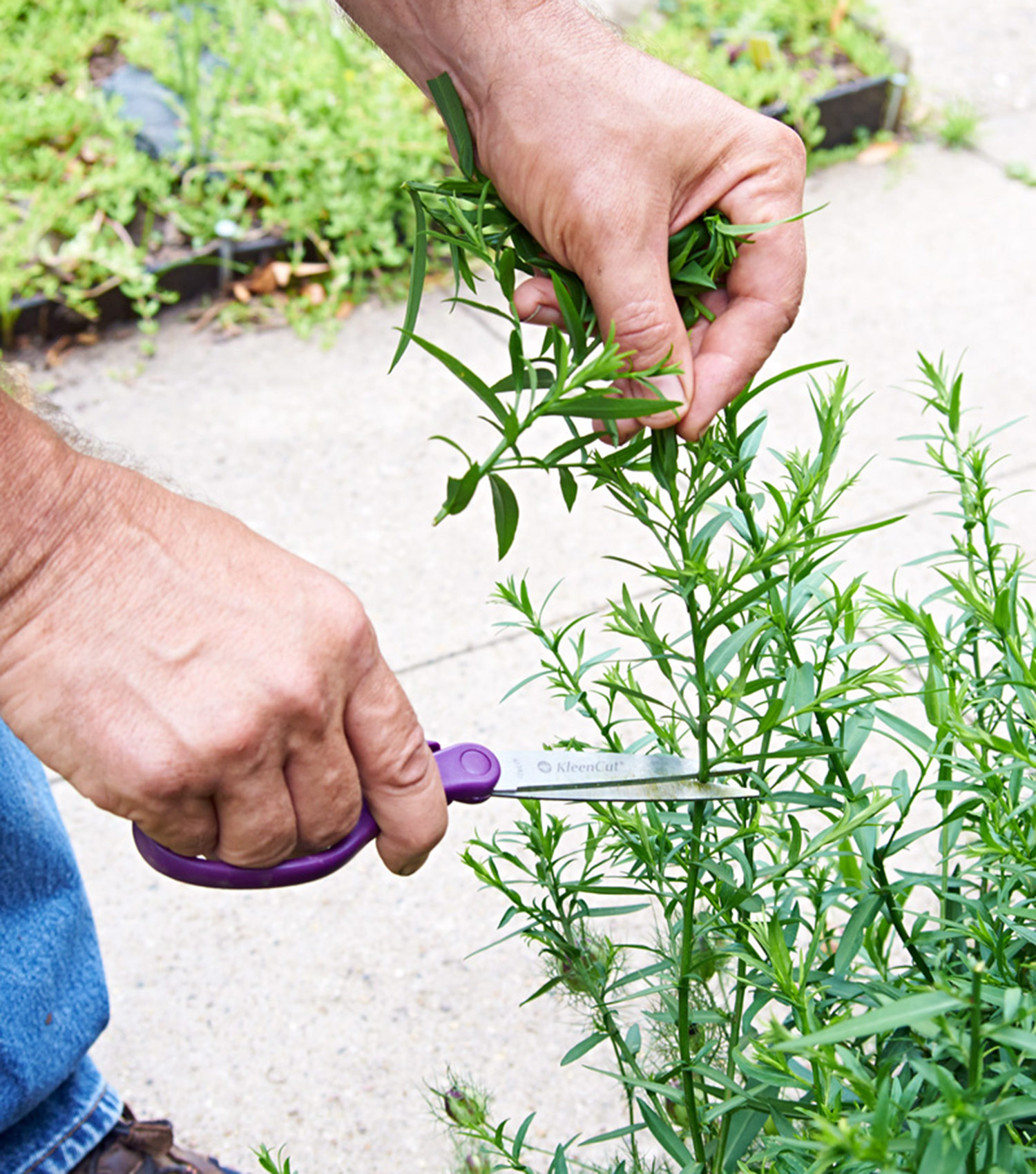
Credit: www.gardengatemagazine.com
Frequently Asked Questions
How Do I Safely Cut Back Perennials?
Cut back perennials using sharp, clean tools to prevent damage. Remove dead stems and trim healthy growth by one-third to promote strong regrowth. Always cut at a slight angle to avoid water pooling on stems.
When Is The Best Time To Cut Back Perennials?
The best time to cut back perennials is in late fall or early spring. This timing helps remove dead material and encourages healthy new growth while minimizing stress on plants.
What Tools Are Ideal For Cutting Back Perennials?
Use sharp pruning shears or garden scissors for cutting back perennials. Clean tools prevent disease spread and ensure smooth cuts, which promote faster healing and reduce plant stress.
Should I Remove All Dead Foliage From Perennials?
Yes, removing all dead foliage prevents pests and diseases. It also improves air circulation and allows sunlight to reach new growth, promoting a healthier garden environment.
Conclusion
Cutting back perennials keeps your garden healthy and neat. Always use clean, sharp tools. This prevents disease spread. Identify the right time for each plant. Some need trimming in fall, others in spring. Knowing your plant’s needs is key. Be gentle to avoid harming new growth.
Regular care encourages beautiful blooms. With these tips, your garden will thrive. Enjoy the beauty and ease of well-maintained perennials. Happy gardening!
