
If you want your fruit trees to produce more and better-quality fruit, pruning is the secret weapon you need. But it’s not just about cutting branches randomly.
Knowing exactly how to prune your fruit trees can boost their health, increase sunlight exposure, and help you get the maximum yield season after season. Imagine biting into juicy, homegrown fruit that’s the result of a few simple steps you took.
Ready to learn how to make your trees work harder for you? Keep reading, and you’ll discover easy, effective pruning tips that anyone can follow.
Benefits Of Pruning Fruit Trees
Pruning fruit trees helps them grow better and produce more fruit. It removes old or weak branches to let sunlight reach all parts of the tree.
Good pruning improves the tree’s health and shape. This makes it easier to manage and increases the harvest size.
Boosting Fruit Production
Pruning opens the tree’s canopy, allowing more sunlight and air inside. This helps fruits grow bigger and sweeter.
Removing crowded or weak branches lets the tree use energy to grow healthy fruit instead of extra wood.
- More sunlight reaches fruit buds
- Better air circulation reduces disease
- Tree focuses energy on fruit, not wood
- Stronger branches support heavier fruit
Improving Tree Health
Pruning removes dead or damaged branches. This prevents pests and diseases from spreading to the whole tree.
It also improves air flow, reducing moisture that causes fungal infections. Healthy trees live longer and produce more fruit.
- Cuts out dead or weak wood
- Reduces pest hiding places
- Improves air circulation
- Prevents fungal diseases
Shaping For Better Growth
Shaping the tree helps branches grow strong and in good directions. This makes picking fruit easier and safer.
Proper shape also balances the tree. This reduces branch breakage from wind or heavy fruit loads.
- Controls tree size and shape
- Encourages strong branch structure
- Makes harvesting simpler
- Prevents branch damage

Credit: www.givinggrove.org
Best Time To Prune
Pruning fruit trees at the right time helps them grow strong and produce more fruit. Choosing the right season can improve tree health and yield.
Knowing when to prune depends on the tree type and the climate. This guide covers seasonal tips and timing for common fruit trees.
Seasonal Considerations
Prune most fruit trees during their dormant season. This is usually in late winter or early spring, before new growth starts.
- Winter pruning helps prevent disease and pests.
- Spring pruning can shape young trees.
- Summer pruning controls growth and improves air flow.
- Avoid heavy pruning in fall to prevent frost damage.
Timing For Different Fruit Trees
Each fruit tree has its best pruning time. This table shows the ideal season for common fruit trees.
| Fruit Tree | Best Pruning Time | Reason |
|---|---|---|
| Apple | Late winter | Before buds swell |
| Peach | Late winter to early spring | Encourages strong new growth |
| Cherry | Late spring | Reduces disease risk |
| Pear | Late winter | Promotes healthy shape |
| Plum | Late winter or summer | Depends on variety |
Essential Tools For Pruning
Pruning fruit trees needs the right tools to work well. Good tools make cutting easier and keep trees healthy.
Using proper tools helps you prune safely and get the best fruit yield from your trees.
Pruners And Shears
Pruners and shears are the main tools for cutting branches and twigs. They come in different sizes for small to medium cuts.
Use sharp pruners to make clean cuts. Clean cuts help the tree heal faster and stop disease from entering.
- Bypass pruners cut like scissors for live branches
- Anvil pruners cut with a flat edge for dry branches
- Long-handled shears reach higher branches and cut thicker stems
- Keep blades clean and sharp for best results
Ladders And Safety Gear
Tall fruit trees need ladders to reach upper branches. Use sturdy ladders that do not wobble.
Safety gear protects you from falls and cuts. Always wear gloves and eye protection during pruning.
- Use a strong step ladder or extension ladder for height
- Wear thick gloves to protect hands from thorns and sharp branches
- Wear safety glasses to guard eyes from flying debris
- Wear sturdy shoes with good grip to avoid slipping
Pruning Techniques
Pruning fruit trees helps them grow strong and produce more fruit. It involves cutting certain branches to improve air flow and sunlight.
Using the right pruning techniques can keep your trees healthy and increase your harvest each year.
Thinning Cuts
Thinning cuts remove whole branches back to the main trunk or a larger branch. This opens the tree’s canopy and lets light reach inside.
- Remove small, crowded branches to prevent shading.
- Cut branches that grow inward or cross others.
- Focus on weak or thin branches to strengthen the tree.
- Make cuts at the branch collar to avoid damage.
Heading Cuts
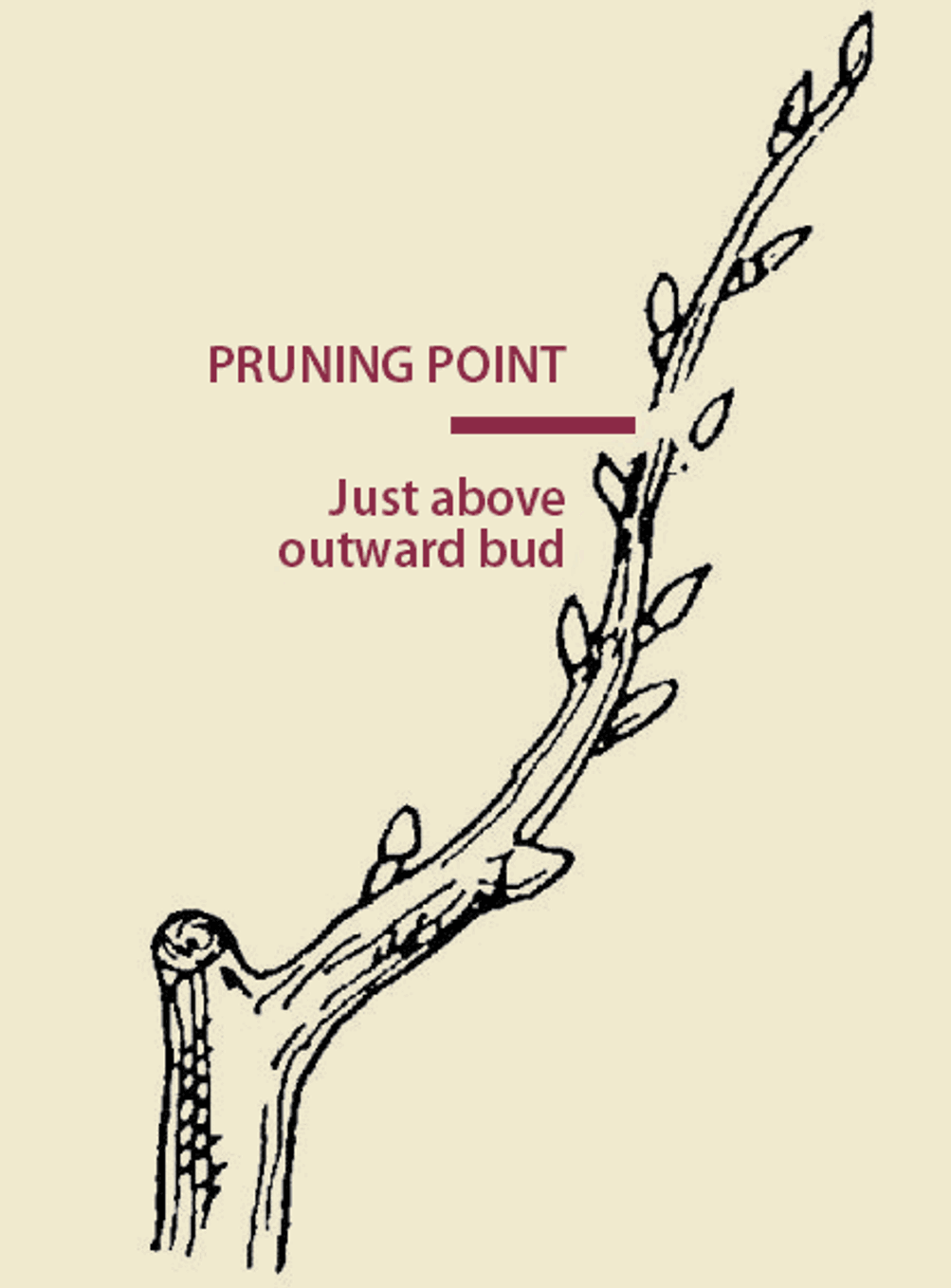
Heading cuts shorten branches by cutting back to a bud or smaller branch. This encourages new growth and more fruiting wood.
| Use | Effect |
| Cutting back long branches | Stimulates growth near the cut |
| Removing part of a branch | Controls tree size and shape |
| Pruning after fruit harvest | Promotes new fruit buds |
Removing Dead Or Diseased Wood
Cutting out dead or diseased branches stops problems from spreading. This keeps the tree healthy and strong.
- Look for branches with dry, cracked, or discolored bark.
- Remove any wood with fungal growth or holes.
- Cut branches back to healthy wood or the trunk.
- Dispose of removed material away from your garden.
Step-by-step Pruning Process
Pruning fruit trees helps them grow healthy and produce more fruit. It is important to prune the right way to get the best results.
This guide shows you how to prune fruit trees step by step. Follow these simple tips to keep your trees strong and fruitful.
Assessing Tree Structure
Look at your tree before pruning. Check the branches and shape to see which parts need trimming. Good structure helps sunlight reach all parts.
Remove dead or broken branches first. This keeps the tree healthy and safe. Also, find crowded areas where branches grow too close.
- Identify strong main branches
- Spot weak or damaged branches
- Look for branches crossing each other
- Check for dense growth areas
- Plan to open the center for light
Making Clean Cuts
Use sharp tools to make clean cuts. Clean cuts heal faster and prevent disease. Cut branches at a slight angle to help water run off.
Cut close to the branch collar, but do not damage it. Avoid leaving stubs because they can cause infections and weak growth.
- Use sharp pruning shears or saws
- Cut at a 45-degree angle
- Cut just above a bud or branch collar
- Remove branches fully, not in parts
- Clean tools before and after pruning
Managing Suckers And Water Sprouts
Suckers grow from the base or roots and take energy from the tree. Water sprouts grow straight up on branches and can crowd the tree.
Remove suckers and water sprouts early. This keeps the tree focused on fruit growth. Use clean cuts close to the source of growth.
- Find suckers growing from the ground or roots
- Look for water sprouts growing vertically on branches
- Cut suckers and water sprouts close to their base
- Remove them yearly to avoid weak growth
Credit: www.lemon8-app.com
Common Mistakes To Avoid
Pruning fruit trees helps them grow better and produce more fruit. Many people make mistakes that harm their trees.
Knowing what not to do is as important as knowing what to do. Avoid these common pruning errors for better results.
Over-pruning
Cutting too many branches can stress the tree. Over-pruning removes leaves that make food for the tree.
Removing too much wood weakens the tree and lowers fruit production. The tree uses energy to heal large cuts.
- Leave enough leaves to feed the tree
- Do not remove more than 25% of the branches at once
- Make clean cuts to help the tree heal faster
Ignoring Tree Health Signals
Fruit trees show signs when they are sick or stressed. Ignoring these signs can make pruning harmful.
Look for discolored leaves, dead branches, or pests. Pruning a weak tree can cause more damage.
- Check for disease before pruning
- Remove dead or damaged branches only
- Wait to prune if the tree is weak or stressed
Post-pruning Care
After pruning fruit trees, proper care helps them heal and grow well. This care supports strong fruit production.
Focus on watering, fertilizing, and protecting the cuts from pests. These steps improve tree health after pruning.
Watering And Fertilizing
Keep the soil around the tree moist but not waterlogged. Water deeply to help roots absorb nutrients.
Use fertilizer to provide essential nutrients. Apply balanced fertilizer that supports leaf and fruit growth.
- Water trees early in the morning or late in the evening
- Apply fertilizer in early spring and after pruning
- Follow package instructions for fertilizer amounts
- Avoid overwatering to prevent root damage
Protecting Cuts From Pests
Fresh pruning cuts attract insects and diseases. Protect these areas to prevent infections and damage.
Use tree wound sealers or natural remedies to cover cuts. Keep the area clean and check regularly for pests.
- Apply tree wound dressing after pruning
- Remove fallen leaves and debris near the tree
- Inspect cuts weekly for signs of pests or rot
- Use organic pest control if needed
Credit: www.starkbros.com
Frequently Asked Questions
What Is The Best Time To Prune Fruit Trees?
The ideal time to prune fruit trees is late winter. Pruning during dormancy promotes healthy growth in spring. Avoid pruning in late summer or fall. Doing so can encourage new growth that might not withstand winter. Always use clean, sharp tools to prevent disease.
How Often Should Fruit Trees Be Pruned?
Fruit trees should be pruned annually for best results. Regular pruning helps maintain shape and encourages fruit production. Neglecting this can lead to overcrowded branches and reduced yield. Consistent care ensures the tree remains healthy and productive.
Why Is Pruning Important For Fruit Yield?
Pruning improves sunlight penetration and air circulation, essential for fruit development. It removes dead or diseased branches, reducing pest problems. Proper pruning also encourages new growth and enhances fruit size and quality. Overall, it boosts the tree’s health and productivity.
How Do I Properly Prune Fruit Trees?
Start by removing dead, diseased, or crossing branches. Thin out crowded areas to allow light and air in. Cut at a slight angle just above a bud or branch. Always use clean, sharp tools for precise cuts. Follow these steps for healthier, more productive trees.
Conclusion
Pruning fruit trees helps them grow stronger and produce more fruit. Cut away dead or crowded branches to let sunlight in. This keeps trees healthy and makes fruit ripen better. Regular pruning also stops diseases and pests from spreading. Take your time and prune carefully every year.
Your fruit trees will thank you with bigger, tastier harvests. Growing fruit can be simple and rewarding with good care. Keep practicing, and you will see great results soon.
