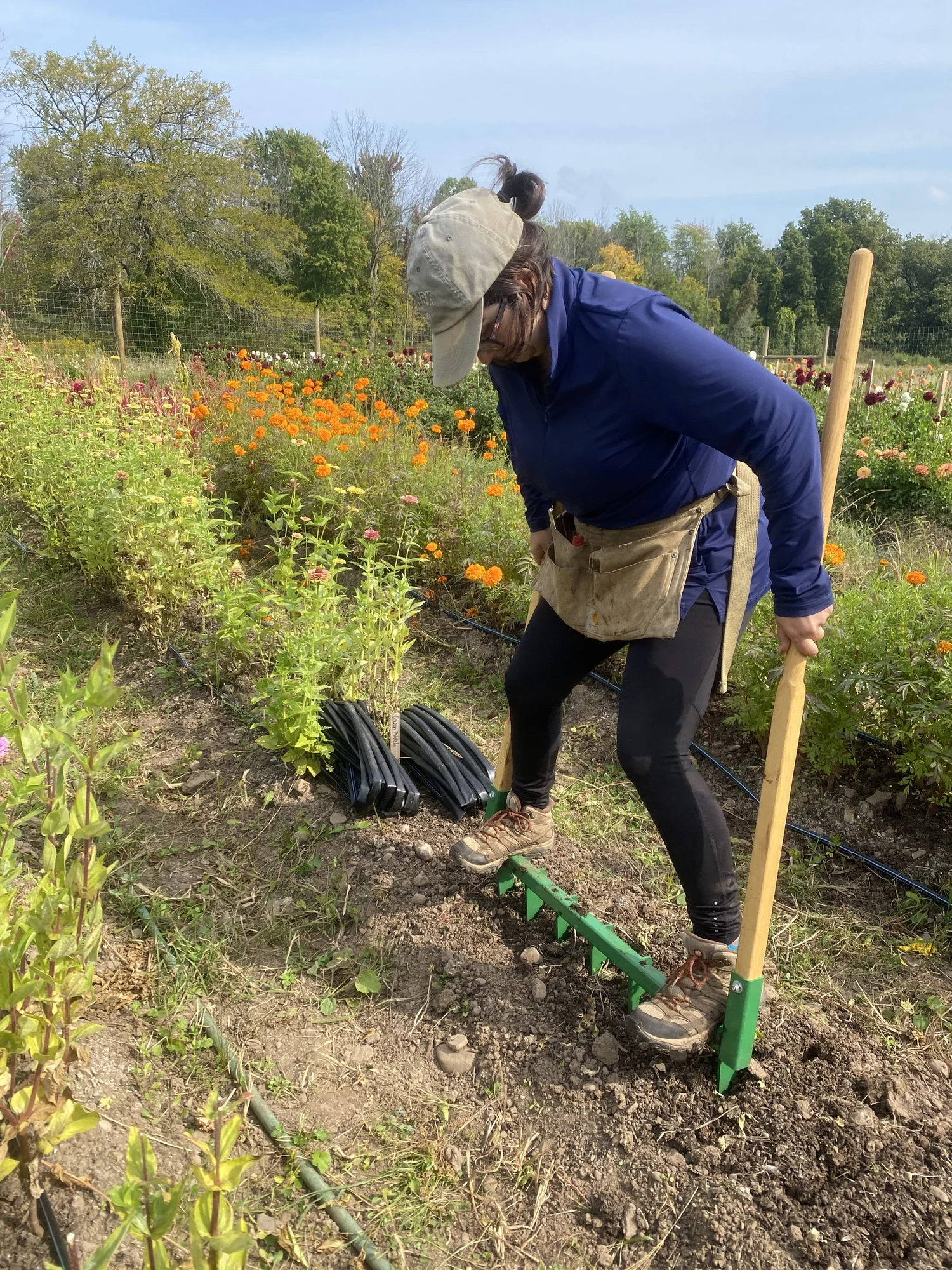
If you’ve ever struggled with heavy soil in your garden, you know how tough it can be to break through and prepare your ground properly. Using a garden fork might seem simple, but without the right technique, it can turn into hard work and leave you frustrated.
What if you could make this task easier and more effective? You’ll discover practical tips that will help you use your garden fork like a pro, saving you time and effort while improving your soil’s health. Keep reading to transform your gardening experience and get the best results from your heavy soil.
Choosing The Right Garden Fork
Using a garden fork in heavy soil needs the right tool. The right fork makes digging easier and saves your energy.
This guide helps you pick the best garden fork for tough soil. Look at types, materials, and handle design.
Types Of Garden Forks
Garden forks come in several types. Each type fits different tasks and soil conditions.
- Digging Forks:Strong tines for breaking hard soil.
- Border Forks:Smaller and lighter for flower beds.
- Manure Forks:Wider tines to move compost or manure.
- Trenching Forks:Narrow tines for making deep trenches.
Material And Durability
Materials affect the fork’s strength and how long it lasts. Choose a fork that suits heavy soil.
| Material | Benefits | Drawbacks |
| Steel | Strong and durable for tough soil | Heavier and can rust if not cared for |
| Stainless Steel | Rust-resistant and lasts long | More expensive |
| Aluminum | Lightweight and easy to handle | Less strong for heavy soil |
Handle Design And Comfort
Good handles help reduce strain and improve grip. Look for comfort when working long hours.
- Length:Longer handles give more leverage but need space to use.
- Shape:D-shaped handles offer a firm grip.
- Material:Wood feels warm and natural. Fiberglass is strong and light.
- Grip:Soft grips reduce blisters and slipping.

Credit: www.reddit.com
Preparing Heavy Soil
Heavy soil can be hard to work with in your garden. It often holds water and compacts easily. Preparing it well helps plants grow better.
A garden fork is a useful tool to loosen and turn heavy soil. Knowing how to prepare the soil first makes this task easier.
Assessing Soil Condition
Look closely at your soil before starting. Check if it is wet or dry, and notice any clumps or compact areas. This helps you decide the best way to prepare it.
- Dig a small hole about 6 inches deep.
- Take a handful of soil and squeeze it.
- If it stays in a tight ball, the soil is heavy and compacted.
- If it crumbles easily, the soil is lighter and easier to work.
- Note any stones or roots mixed in the soil.
Clearing Debris And Rocks
Remove any large stones, sticks, or roots from the soil. These objects can block your garden fork and damage it. Clearing debris also helps the soil loosen well.
- Use gloves to protect your hands.
- Pick out rocks bigger than a golf ball.
- Remove old roots and sticks.
- Use a rake to gather smaller debris.
Moisturizing Soil For Ease
Heavy soil is easier to work if it is slightly moist. Too dry soil is hard and breaks tools. Too wet soil gets sticky and clumps together. Aim for a damp, crumbly feel.
| Soil Moisture Level | How It Feels | Effect on Garden Fork |
|---|---|---|
| Dry | Hard and crumbly | Difficult to dig, breaks soil into dust |
| Moist | Damp and crumbly | Easiest to turn and loosen |
| Wet | Sticky and clumpy | Clogs fork, hard to work |
Proper Garden Fork Techniques
Using a garden fork in heavy soil can be tough. Good techniques make the work easier and safer.
This guide explains how to insert the fork, lift soil, and avoid injury while working.
Correct Fork Insertion
Push the garden fork straight down into the soil. Avoid forcing it at an angle.
Use your body weight to press down. This helps the tines enter the soil easily.
- Stand with feet shoulder-width apart
- Hold the fork handle firmly with both hands
- Push the tines vertically into the soil
- Do not twist or bend the fork while inserting
Leveraging And Lifting Soil
Once the fork is in the soil, use it as a lever to lift and loosen the soil.
Lift small sections at a time to avoid overworking the soil or yourself.
- Push the fork tines under the soil chunk
- Use the fork handle to lift the soil gently
- Break up large clumps by rocking the fork back and forth
- Work in small areas for better control
Avoiding Strain And Injury
Bending your knees and keeping your back straight prevents strain. Avoid sudden, forceful moves.
Take breaks and switch hands to reduce fatigue and injury risk.
- Keep your back straight when lifting soil
- Bend your knees to lower your body
- Use your legs to lift, not your back
- Take frequent breaks to rest muscles
- Wear gloves to protect your hands

Credit: www.theenglishgarden.co.uk
Enhancing Soil Workability
Using a garden fork in heavy soil can be tough without the right approach. Improving soil workability helps the fork break up soil easier and promotes healthy plant growth.
Adding organic matter and soil amendments at the right time makes soil softer and more fertile. These steps prepare your garden for better results.
Using Organic Matter
Organic matter like compost or manure improves soil texture and moisture retention. It helps heavy soil become crumbly and easier to dig with a garden fork.
- Spread a layer of compost over the soil surface.
- Use well-rotted manure to avoid burning plants.
- Mix organic matter into the top 6 to 8 inches of soil with the garden fork.
- Repeat adding organic matter each year to keep soil healthy.
Applying Soil Amendments
Soil amendments add nutrients and improve soil structure. Clay and sandy soils benefit from different amendments to balance drainage and hold moisture.
| Soil Type | Recommended Amendment | Benefit |
| Heavy Clay | Gypsum | Breaks up compacted clay |
| Heavy Clay | Sand | Improves drainage |
| Sandy Soil | Peat Moss | Increases water retention |
| Sandy Soil | Compost | Adds nutrients |
Use a garden fork to blend amendments into soil before planting. This makes heavy soil lighter and easier to work with.
Timing For Best Results
Timing your garden fork work and soil additions helps improve soil faster. The best time is usually in early spring or late fall.
- Work the soil when it is moist but not wet to avoid clumps.
- Apply organic matter and amendments before planting season.
- Allow time for the soil to settle after mixing amendments.
- Avoid working soil when it is too dry or too wet to keep soil structure healthy.
Maintenance Of Garden Fork
Keeping your garden fork in good condition helps it last longer. Regular maintenance makes it easier to use.
Cleaning, sharpening, and storing the fork properly are key tasks. They keep the tool safe and ready for the next job.
Cleaning After Use
Remove dirt and mud from the tines after each use. This stops rust and keeps the fork strong.
Use a stiff brush or water to clean the fork. Dry it well before storing to avoid moisture damage.
Sharpening Tines
Sharp tines dig into heavy soil more easily. Keep the edges pointed and smooth for better performance.
Use a metal file or sharpening stone. Move the tool in one direction to keep the edge even and safe.
- Check tines for dullness or damage
- File each tine at a slight angle
- Wear gloves to protect your hands
- Clean the tines after sharpening
Storage Tips
Store your garden fork in a dry place to avoid rust. Hang it up or place it off the ground.
Keep it away from children and pets. Proper storage keeps the tool in good shape and easy to find.
- Hang the fork on a wall hook
- Keep it in a shed or garage
- Cover the tines if needed
- Check for moisture and dry if wet

Credit: www.youtube.com
Frequently Asked Questions
What Is The Best Garden Fork For Heavy Soil?
A garden fork with a sturdy, steel build is ideal for heavy soil. Opt for one with sharp, pointed tines to penetrate tough ground. Long handles provide better leverage, reducing strain. Ergonomic grips enhance comfort, making it easier to work efficiently.
How Do You Use A Garden Fork Properly?
Insert the fork into the soil at an angle, applying firm pressure. Wiggle it back and forth to loosen the soil. Avoid overexertion by using your legs for leverage, not just your arms. Regularly clear soil from the tines for efficient use.
How Often Should You Fork Heavy Soil?
Fork heavy soil at least once each season to maintain soil health. Regular forking improves aeration, drainage, and root growth. Monitor soil conditions; increase frequency if the soil becomes compacted. This practice promotes healthier plants and a thriving garden.
What Precautions Should You Take With A Garden Fork?
Always wear gloves to protect your hands from blisters and injuries. Ensure proper footwear to avoid slipping. Check the fork for damages before use. Store it in a dry place to prevent rust. Regular maintenance extends its lifespan and efficiency.
Conclusion
Using a garden fork makes heavy soil easier to work with. Take your time and use steady pressure. Keep the fork sharp and clean for best results. Break up the soil into small pieces for better air and water flow.
Regular use helps improve soil health and plant growth. Remember, patience and care bring the best garden results. Enjoy working in your garden with confidence and ease.
