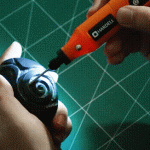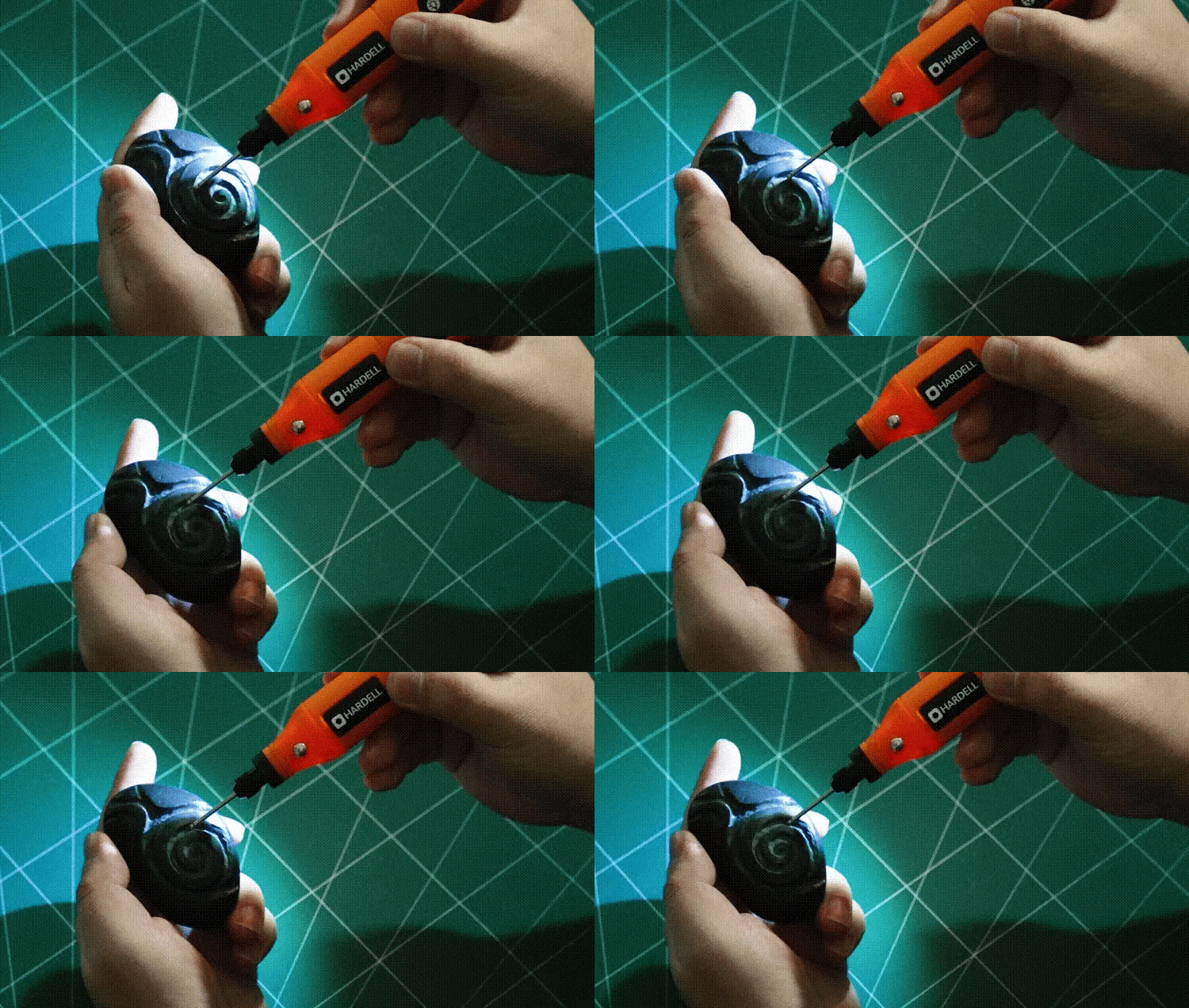
If you want to make your surfaces shine like new, mastering the use of a rotary tool for polishing is a game changer. You might think polishing is a tough or messy job, but with the right technique, your results can look professional and smooth every time.
Imagine transforming dull, scratched surfaces into glossy, eye-catching finishes — and doing it yourself with ease. In this guide, you’ll discover simple steps and insider tips that will help you get the most out of your rotary tool. Ready to bring out the shine and make your projects stand out?
Keep reading, because polishing perfection is just a few spins away.

Credit: sonaxusa.com
Choosing The Right Rotary Tool
Using a rotary tool for polishing surfaces requires the right equipment. The tool you choose affects the quality of your work.
Pick a rotary tool that fits your polishing needs. This guide helps you find the best option.
Types Of Rotary Tools
Rotary tools come in many styles. Each type has different power and speed levels for polishing.
Choose a rotary tool based on the size and type of surface you want to polish.
- Handheld Rotary Tools:Small and easy to control for detailed work.
- Bench Rotary Tools:Fixed on a table, good for steady polishing.
- Variable Speed Tools:Adjust speed for different polishing tasks.
- Corded Rotary Tools:Offer constant power for long jobs.
- Cordless Rotary Tools:Provide freedom to move but limited runtime.
Selecting Suitable Accessories
Accessories matter for polishing results. Use the right attachments with your rotary tool.
Choose accessories based on the surface type and polish level you want.
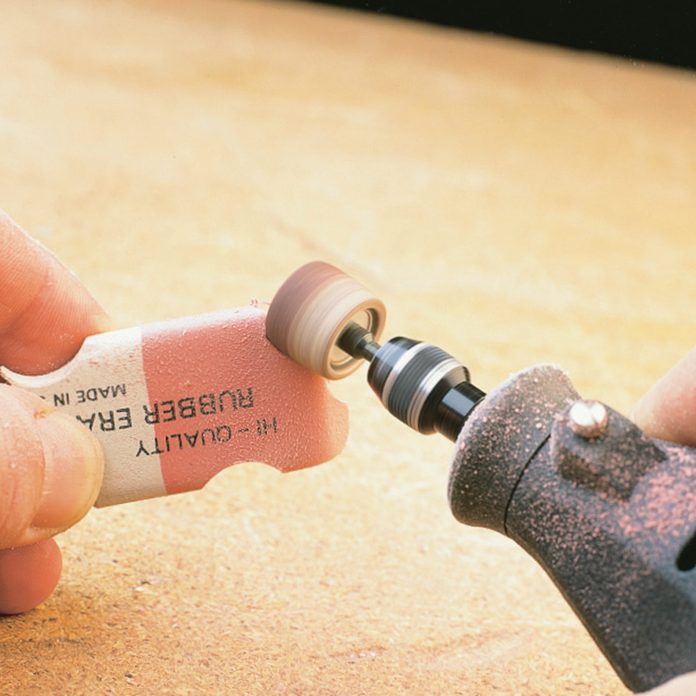
- Polishing Wheels:Soft wheels for light polishing on metals and plastics.
- Buffing Pads:Use with polish compounds for a shiny finish.
- Sanding Drums:Remove rough spots before polishing.
- Felt Tips:Good for fine polishing in small areas.
- Wire Brushes:Clean surfaces before polishing but use carefully.
Preparing The Surface
Preparing the surface is a key step before polishing with a rotary tool. It ensures the finish looks smooth and shines evenly.
Proper preparation removes dirt, grease, and rough spots. This helps the polishing process work better and last longer.
Cleaning And Degreasing
Clean the surface to remove dust, oils, and grease. Use a mild cleaner or degreaser. Wipe with a clean cloth until the surface feels dry and clean.
- Use a soft cloth or sponge with warm, soapy water.
- Rinse with clean water to remove soap residue.
- Apply a degreaser if the surface is oily or greasy.
- Dry the surface completely before polishing.
Sanding For Smoothness
Sanding removes scratches and rough areas. It creates a smooth base for polishing. Use fine-grit sandpaper for best results.
| Sanding Grit | Purpose | Notes |
| 400-600 | Remove light scratches | Good for initial smoothing |
| 800-1000 | Refine surface | Prepares for polishing |
| 1200+ | Final smoothing | Use before polishing for shine |
Setting Up The Rotary Tool
Before polishing surfaces, you need to set up your rotary tool correctly. This helps you get smooth and even results.
Focus on adjusting the speed and attaching the right polishing pads. Both steps are important for good performance.
Adjusting Speed Settings
Most rotary tools have variable speed controls. Choose the right speed for the surface you want to polish.
- Start at a low speed to avoid damage.
- Increase speed gradually if the tool handles it well.
- Use slower speeds for delicate surfaces.
- Use faster speeds for harder materials.
Attaching Polishing Pads
Polishing pads come in different materials and sizes. Attach the correct pad securely before starting.
| Pad Type | Best Use | Surface |
| Foam Pad | Light polishing | Wood, plastic |
| Felt Pad | Fine polishing | Metal, glass |
| Buffing Pad | Heavy polishing | Hard metals |
Polishing Techniques
Using a rotary tool for polishing helps smooth and shine many surfaces. You can achieve a clean finish with the right methods.
Polishing requires care and control to avoid damage. Follow these key techniques to get the best results.
Applying Polishing Compound
Start by choosing the right polishing compound for your surface. Apply a small amount evenly on the polishing pad or directly on the surface.
- Use a soft cloth or foam pad to spread the compound.
- Add more compound if the surface looks dry during polishing.
- Do not overuse the compound to avoid buildup.
Maintaining Consistent Pressure
Keep steady pressure while polishing. Too much force can harm the surface, and too little will not polish well.
| Pressure Level | Effect |
|---|---|
| Light | Polish gently but may take longer |
| Medium | Best balance for effective polishing |
| Heavy | Risk of damage or uneven finish |
Using Circular Motions
Move the rotary tool in small circular motions. This spreads the compound evenly and avoids streaks.
- Keep the circles tight and controlled.
- Overlap each circle slightly for full coverage.
- Do not stay too long in one spot to prevent heat damage.
Safety Tips
Using a rotary tool for polishing can make surfaces shine nicely. It is important to stay safe during the work.
Follow safety rules to avoid injuries and protect yourself from dust and sparks.
Wearing Protective Gear
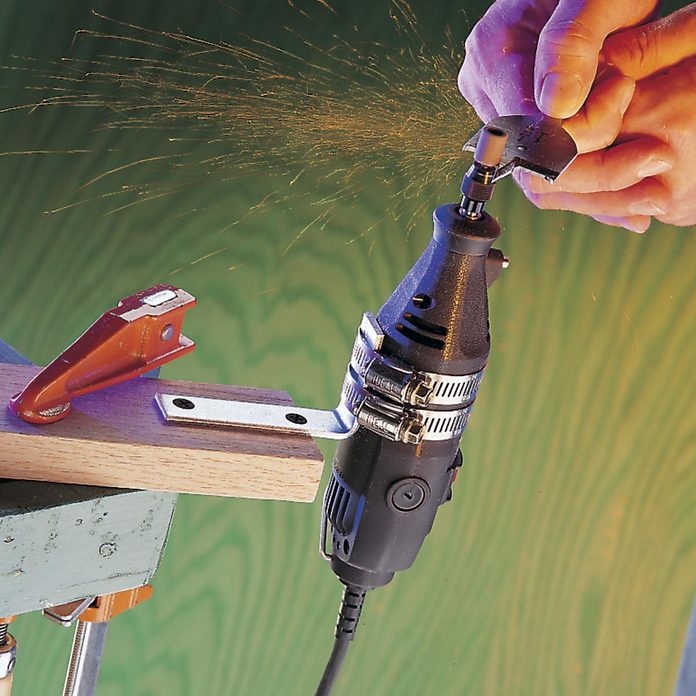
Always wear protective gear before using a rotary tool. It helps guard your eyes, hands, and lungs.
Use safety glasses to stop dust and tiny particles from hurting your eyes.
- Wear gloves to protect your hands from heat and sharp edges
- Use a dust mask to avoid breathing in fine dust
- Wear ear protection if the tool is loud
- Put on long sleeves to protect your skin from sparks
Ensuring Proper Ventilation
Work in a well-ventilated area to keep fresh air flowing. This reduces dust and fumes around you.
Good airflow helps you breathe easily and lowers the chance of breathing problems.
- Open windows and doors to let fresh air in
- Use fans to move air away from your workspace
- Avoid working in small, closed rooms without ventilation
- Take breaks outside to get fresh air
Credit: www.familyhandyman.com
Troubleshooting Common Issues
Using a rotary tool for polishing can be tricky at times. Common problems include damaging the surface or uneven polishing.
Knowing how to fix these issues will help you get better results and protect your work.
Avoiding Surface Damage
Surface damage happens if the tool spins too fast or the wrong attachment is used. It can also occur if you press too hard on the surface.
To avoid damage, use the right polishing pad and keep the tool moving gently. Do not stay in one spot for too long.
- Choose soft pads for delicate surfaces
- Use lower speed settings for sensitive materials
- Apply light pressure while polishing
- Keep the tool moving in small circles
- Test on a small area before full polishing
Dealing With Uneven Polishing
Uneven polishing leaves some spots shiny and others dull. It happens if you polish too fast or skip areas.
Work slowly and check your progress often. Make sure to cover all areas evenly to get a smooth finish.
- Use steady, overlapping strokes
- Work in sections to cover the whole surface
- Adjust speed to match the material type
- Stop and clean the surface before continuing
- Use a consistent pressure while polishing
Maintaining Your Rotary Tool
Keeping your rotary tool in good shape helps it work better. Regular care extends its life and improves safety.
Simple maintenance after each use can prevent problems. This guide shows how to clean and replace parts.
Cleaning After Use
Clean your rotary tool every time after polishing. Remove dust and debris to stop damage and overheating.
Use a soft brush or cloth to wipe the tool. Avoid water or harsh chemicals that can harm the motor.
- Unplug the tool before cleaning
- Brush off dust from vents and body
- Wipe with a dry or slightly damp cloth
- Check for stuck polish or residue
- Store in a dry, cool place
Replacing Worn Accessories
Worn polishing pads and bits reduce performance. Replace them to keep smooth and safe polishing.
Check accessories before each use. Replace if they are torn, cracked, or too worn down.
- Remove old accessories carefully
- Match new accessories to your tool’s size
- Use only recommended parts
- Tighten accessories securely before use
- Dispose of worn parts properly
Credit: www.familyhandyman.com
Frequently Asked Questions
What Rotary Tool Attachments Are Best For Polishing?
Use felt wheels, buffing pads, and polishing compounds. These attachments provide smooth, even polishing on various surfaces. Choose based on the material and desired finish.
How Do I Prepare Surfaces Before Polishing With A Rotary Tool?
Clean the surface thoroughly to remove dirt and debris. Sand rough areas lightly for a smooth base. Proper preparation ensures better polishing results.
What Speed Settings Work Best For Rotary Tool Polishing?
Start with low to medium speeds to avoid damage. Adjust speed based on surface type and polish needed. Slower speeds prevent overheating and improve control.
Can I Use A Rotary Tool On Metal Surfaces?
Yes, rotary tools work well on metals. Use appropriate attachments and polishing compounds for best results. Always wear safety gear to protect from debris.
Conclusion
Using a rotary tool for polishing is easy and effective. Follow the steps, and your surfaces will shine. Practice makes perfect, so don’t rush. Start with gentle pressure to avoid damage. Always wear safety gear to protect yourself. Experiment with different attachments for best results.
Clean your tool after each use to ensure longevity. Remember, patience is key to achieving a smooth finish. With these tips, you’ll polish like a pro. Enjoy the satisfaction of a job well done. Happy polishing!