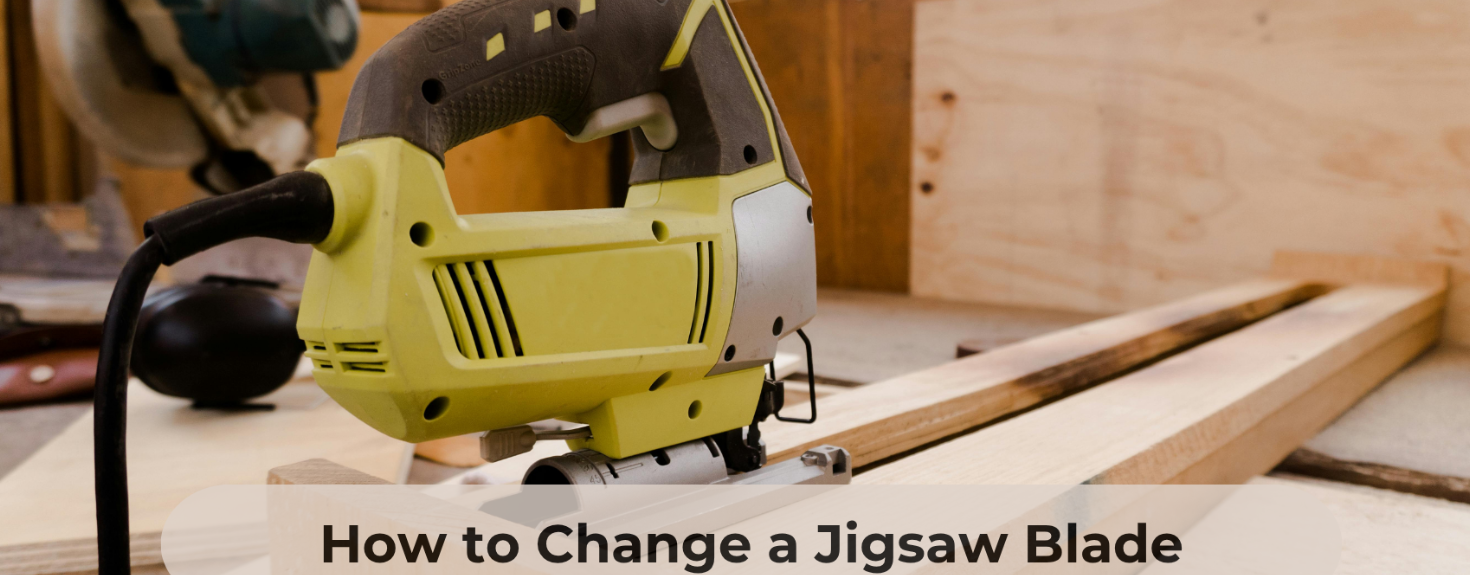
If you want your jigsaw to work smoothly and last longer, knowing how to lubricate its components is key. Without proper care, your tool can slow down, overheat, or even break.
But don’t worry—lubricating your jigsaw is easier than you think. You’ll discover simple steps to keep your jigsaw running like new. By the end, you’ll have the confidence to maintain your tool and avoid costly repairs. Ready to make your jigsaw perform at its best?
Let’s dive in!
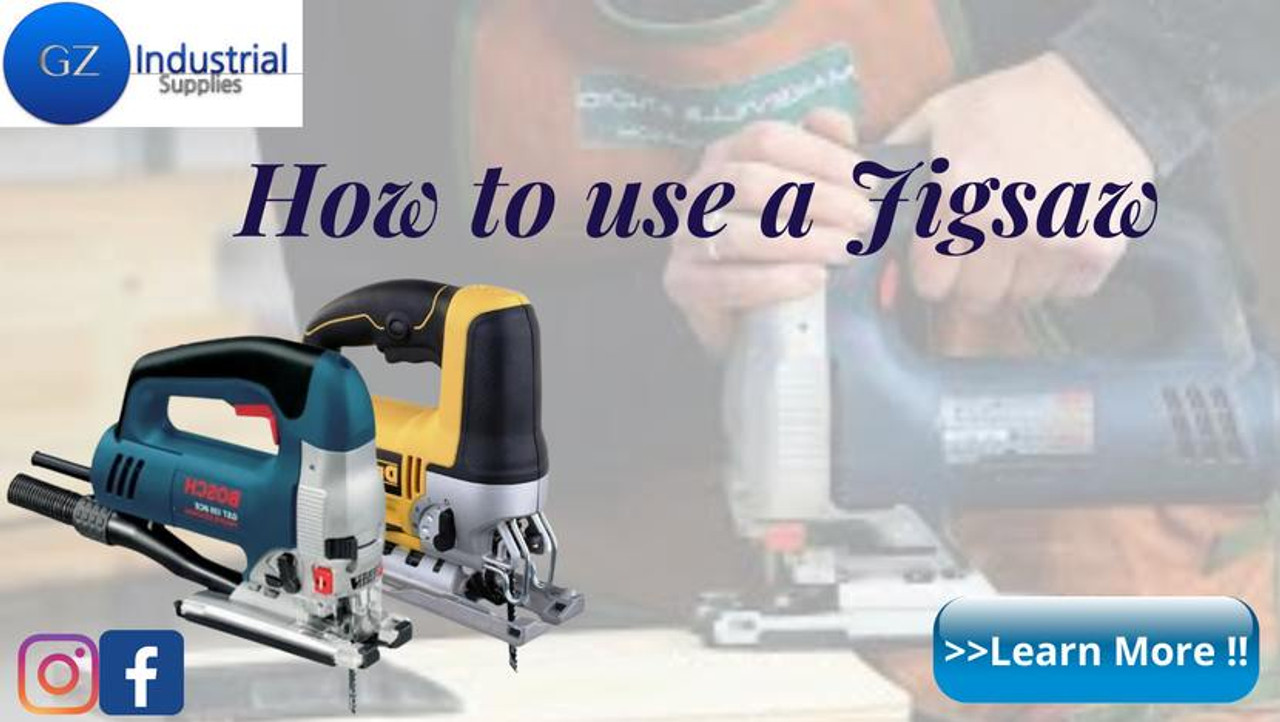
Credit: www.gz-supplies.com
Choosing The Right Lubricant
Lubricating your jigsaw helps it run smoothly and last longer. Picking the right lubricant is key to keeping parts in good shape.
This guide covers types of lubricants, their pros and cons, and where to find quality products.
Types Of Lubricants For Jigsaws
You can use different lubricants for jigsaw parts. The two main types are oil and grease. Each has its uses depending on the part and conditions.
- Oil:Thin and light, good for fast-moving parts.
- Grease:Thick and sticky, stays on parts longer.
- Dry lubricants:Powder or spray, useful in dusty places.
Oil Vs. Grease: Pros And Cons
| Lubricant | Advantages | Disadvantages |
|---|---|---|
| Oil | Easy to apply, penetrates small spaces | Dries out faster, may need reapplication |
| Grease | Lasts longer, protects against water | Can attract dust, harder to clean |
Where To Buy Quality Lubricants
You can find good lubricants at hardware stores, tool shops, and online retailers. Make sure to buy from trusted sellers to get genuine products.
- Local hardware stores offer advice and quick purchase.
- Tool specialty shops carry products made for power tools.
- Online stores have a wider selection and user reviews.
Preparing The Jigsaw For Lubrication
Lubricating your jigsaw helps it run smoothly and last longer. Preparing the tool correctly is important before you add any lubricant.
This guide will explain how to prepare your jigsaw for lubrication safely and effectively.
Safety Precautions
Before you start, make sure the jigsaw is unplugged from any power source. This stops it from turning on by mistake.
Wear safety gloves to protect your hands from sharp parts. Work in a clean, dry area with good light.
- Unplug the jigsaw from power
- Wear protective gloves
- Work in a well-lit, dry space
- Keep small parts away from children
Cleaning The Components
Clean the jigsaw parts before lubricating. Remove dust, dirt, and old grease using a soft cloth.
Use a small brush to reach tight spots and blow away loose debris with compressed air if available.
- Wipe parts with a dry or slightly damp cloth
- Use a soft brush for crevices
- Blow away dust with compressed air
- Remove all old lubricant and dirt
Disassembling Key Parts
Take apart the jigsaw carefully to access parts that need lubrication. Follow the user manual for guidance.
Keep screws and small parts organized. Do not force any pieces apart to avoid damage.
- Remove the blade and blade holder
- Open the casing if needed
- Keep screws in a container
- Handle parts gently
Lubricating Moving Parts
Keeping your jigsaw’s moving parts lubricated helps it run smoothly. Proper lubrication reduces wear and tear.
Use the right lubricant and apply it carefully to each part. This guide covers the key areas to lubricate.
Blade Clamp And Guide
The blade clamp holds the blade in place and needs regular lubrication. This prevents rust and eases blade changes.
- Clean the clamp area before applying lubricant.
- Use light machine oil for smooth movement.
- Apply a small drop on the clamp pivot points.
- Wipe off any excess to avoid dirt buildup.
Gear Mechanism
The gears transfer power inside the jigsaw. Lubricate them to keep noise low and parts moving freely.
| Gear Part | Recommended Lubricant | Frequency |
| Main Gear | Grease | Every 3 months |
| Pinion Gear | Light Oil | Monthly |
| Bevel Gear | Grease | Every 6 months |
Shaft And Bearings
Shafts and bearings support the blade’s movement. Keep these parts lubricated to avoid friction and damage.
Follow these tips for proper lubrication:
- Remove dust and debris before oiling.
- Use a few drops of oil on the shaft.
- Apply grease on bearings carefully.
- Spin the shaft to spread lubricant evenly.
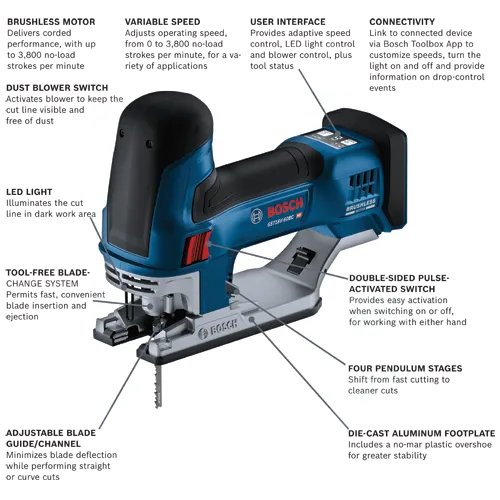
Credit: www.boschtools.com
Reassembling And Testing
After lubricating your jigsaw components, it is important to reassemble the tool carefully. Proper reassembly ensures the jigsaw works smoothly and safely.
Testing the jigsaw after reassembly helps find any issues early. Follow these steps to check that your tool runs well.
Proper Reassembly Techniques
Put all parts back in the right order and position. Use the manual if you are unsure about any step. Tighten screws securely but do not overtighten them.
- Place the blade holder and blade carefully.
- Fit the motor housing and align all connectors.
- Secure all screws and bolts firmly.
- Check that moving parts have no obstructions.
- Make sure the power switch works smoothly.
Checking For Smooth Operation
Before using the jigsaw, check how it moves and sounds. Smooth operation means less wear and better results.
| Check Point | What to Look For |
| Blade Movement | Moves freely without catching |
| Motor Sound | Runs quietly without grinding |
| Switch Operation | Clicks on and off easily |
| Lubrication | No dry or sticky parts |
Troubleshooting Common Issues
If the jigsaw does not work well, check these common problems and fixes.
- The blade does not move smoothly – add lubricant or check for dirt.
- Motor sounds loud or rough – clean or replace worn parts.
- Switch feels stuck – clean contacts or replace switch.
- Parts are loose – tighten screws and bolts.
Maintenance Tips For Longevity
Keeping your jigsaw in good shape helps it last longer. Proper lubrication reduces wear and tear.
Regular care saves money and keeps your tool running smoothly. Learn when and how to lubricate your jigsaw parts.
Regular Lubrication Schedule
Lubricate your jigsaw parts often to avoid damage. Follow a schedule based on how much you use the tool.
Check the manufacturer’s guide for specific instructions. Usually, oil moving parts every 10 hours of use.
- Clean the jigsaw before applying lubricant
- Use light machine oil or recommended grease
- Focus on blade clamps, gears, and moving joints
- Wipe off extra oil to prevent dust buildup
Storage Best Practices
Store your jigsaw in a dry, clean place to protect it from rust. Proper storage keeps lubrication effective.
Keep the tool in its case or on a shelf away from dust and moisture. Remove the blade before storing.
- Store in a cool, dry environment
- Use protective covers or cases
- Keep away from direct sunlight and humidity
- Check lubricant condition before long storage periods
Signs It’s Time To Re-lubricate
Notice when your jigsaw makes unusual noises or feels stiff. These signs mean it needs more lubrication.
Look for visible dryness or rust on metal parts. Slow blade movement also indicates the need for oil.
- Grinding or squeaking sounds
- Stiff or jerky blade movement
- Rust or dryness on gears and joints
- Blade overheating during use

Credit: onevantool.com
Frequently Asked Questions
How Often Should I Lubricate Jigsaw Components?
Lubricate jigsaw components every three months or after 100 hours of use. This ensures optimal performance and longevity. Regular maintenance helps prevent rust and wear. Always refer to the manufacturer’s guidelines for specific recommendations tailored to your jigsaw model.
What Type Of Lubricant Is Best For Jigsaws?
Use a light machine oil or silicone spray for jigsaw components. These lubricants reduce friction and prevent rust. Avoid using heavy grease as it can attract dust and debris. Always check your jigsaw’s manual for any specific lubricant recommendations.
Can I Use Wd-40 On Jigsaw Components?
Yes, you can use WD-40 for jigsaw components. It effectively displaces moisture and prevents rust. However, it’s advisable to apply a dedicated lubricant afterward for lasting protection. WD-40 is great for cleaning but not a long-term lubricant solution.
How Do I Apply Lubricant To My Jigsaw?
Clean the jigsaw first, then apply lubricant to moving parts. Use a small brush or cloth to distribute evenly. Focus on blade clamps, guide rollers, and pivot points. Wipe off excess lubricant to prevent dust accumulation. Always follow the manufacturer’s instructions for best results.
Conclusion
Keeping your jigsaw well-lubricated helps it work smoothly. Regular oiling stops parts from wearing out fast. Use the right lubricant and apply it carefully. Clean the tool before adding oil for best results. Small steps like this save time and money later.
Your jigsaw will last longer and cut better. A little care makes a big difference in performance. Try these tips to keep your tool in top shape. Simple actions lead to better results every time.