
Are your rose bushes not blooming as beautifully as you hoped? Pruning your roses the right way can make all the difference in boosting their health and encouraging vibrant growth.
If you want your garden to burst with colorful, fragrant roses season after season, learning how to prune correctly is a skill you can’t afford to miss. In this guide, you’ll discover simple, effective pruning tips that anyone can follow—no green thumb required.
Ready to transform your roses into stunning showstoppers? Let’s get started.
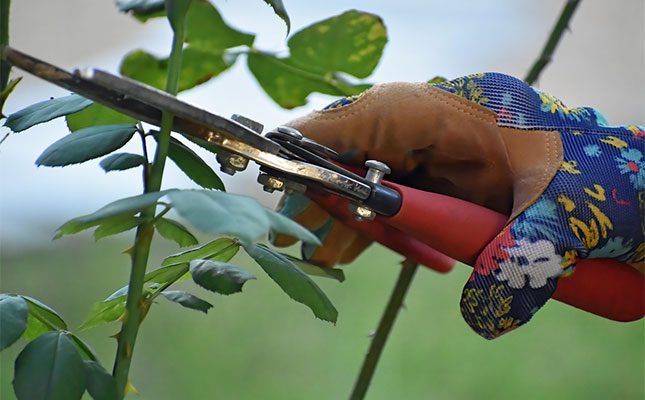
Credit: www.farmersweekly.co.za
Choosing The Right Time
Pruning roses at the right time helps them grow strong and healthy. Picking the best moment is important for good blooms.
Knowing when to prune also protects your roses from damage and disease. Let’s look at the best seasons and signs your roses show.
Best Seasons For Pruning
Roses grow best when pruned in the right seasons. Timing depends on your climate and rose type.
| Season | Why It’s Good | Notes |
|---|---|---|
| Early Spring | Removes winter damage and old wood | After last frost, before new growth starts |
| Late Winter | Prepares roses for spring growth | Best for mild climates |
| Late Summer | Light pruning for shape and health | Avoid heavy cuts to prevent frost damage |
Signs Your Roses Are Ready
Watch your roses for signs that show it is time to prune. These signs help you know when to cut back.
- Swollen buds appear on canes
- Old leaves start to yellow and fall
- Dead or damaged stems are visible
- New shoots begin to grow slowly
- Rose bushes look crowded or overgrown
Essential Tools For Pruning
Pruning roses helps keep them healthy and blooming. Using the right tools makes pruning easier and safer. Good tools also protect the plants from damage.
Before you start pruning, gather the right equipment. This guide covers pruners, safety gear, and tool care.
Types Of Pruners
There are several types of pruners. Each type suits different pruning tasks. Choose based on the thickness of the stems and your comfort.
- Bypass Pruners:Have two sharp blades that pass by each other like scissors. Best for clean cuts on live stems.
- Anvil Pruners:Have one sharp blade that cuts against a flat edge. Good for dry or dead wood.
- Loppers:Long-handled pruners for cutting thicker branches. They give more reach and leverage.
- Pruning Saw:Used for very thick branches that pruners cannot cut. It has a curved blade for smooth cutting.
Safety Gear And Maintenance
Safety gear protects you while pruning. Maintenance keeps your tools sharp and lasting longer.
| Safety Item | Purpose |
| Gloves | Protect hands from thorns and cuts |
| Safety Glasses | Shield eyes from flying debris |
| Long Sleeves | Guard arms from scratches |
| Tool Cleaning | Remove sap and dirt after use |
| Sharpening | Keep blades sharp for clean cuts |
| Oiling | Prevent rust and ensure smooth operation |
Preparing Your Rose Bush
Pruning roses helps keep them healthy and growing well. Getting your rose bush ready is the first step.
Cleaning and checking the bush lets you find what needs to be cut. This makes pruning easier and safer for the plant.
Cleaning And Inspecting
Start by removing leaves, weeds, and debris around your rose bush. This clears the area and helps you see the branches better.
Look closely at the branches and stems. Check for any signs of damage, pests, or disease before pruning.
- Remove fallen leaves and weeds near the base
- Check branches for cracks or broken parts
- Look for spots or unusual colors on leaves
- Notice any insects or webs on the bush
Removing Dead And Diseased Wood
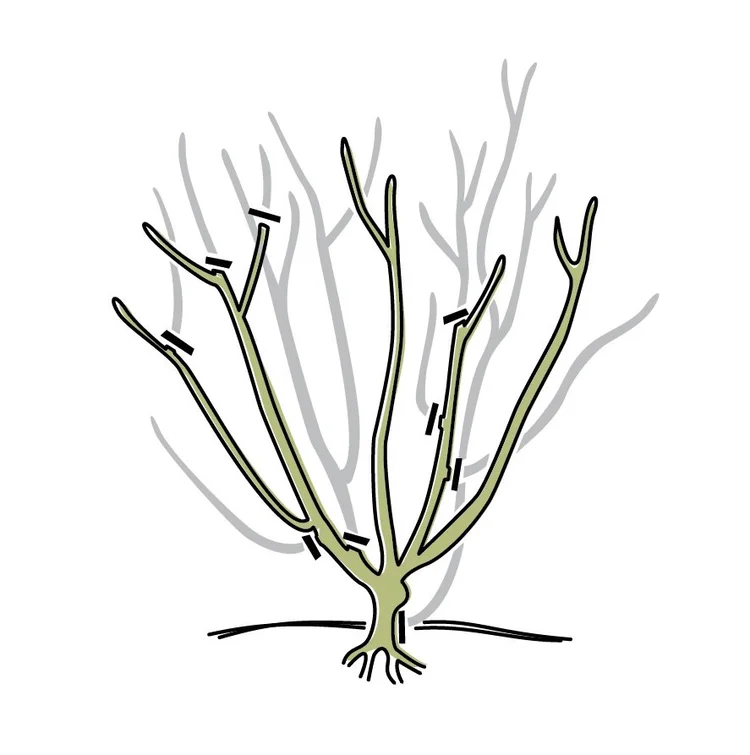
Cut off any wood that looks dead or sick. This stops disease from spreading and helps the rose grow strong.
Dead wood is dry and brown. Diseased wood may have black spots or soft areas. Always use clean, sharp tools for cutting.
- Cut dead branches back to healthy wood
- Remove stems with dark spots or holes
- Dispose of all removed wood away from the garden
- Clean tools after each cut to avoid spreading disease
Credit: www.swansonsnursery.com
Pruning Techniques
Pruning roses helps keep them healthy and strong. It encourages new growth and more blooms.
Using the right pruning methods improves air circulation and light exposure. This reduces disease and supports plant health.
Cutting At The Right Angle
Make cuts at a 45-degree angle, about a quarter inch above an outward-facing bud. This helps water run off and prevents rot.
A clean, angled cut encourages new shoots to grow outward, shaping the bush well.
How Much To Cut Back
Cut back about one-third of the rose’s height in early spring. Remove dead or weak stems completely.
- Remove any dead or damaged wood.
- Cut weak or thin stems to the base.
- Trim healthy stems by one-third to encourage strong growth.
Shaping For Airflow And Light
Good airflow and light reduce disease risk. Shape the rose bush by opening the center.
| Pruning Action | Benefit |
|---|---|
| Remove crossing branches | Prevents wounds and disease |
| Trim inward-growing stems | Improves airflow |
| Thin dense areas | Allows light to reach inner leaves |
Caring After Pruning
Pruning roses helps them grow strong and healthy. After pruning, proper care is very important. This care helps the plant recover quickly and produce more blooms.
Good watering, feeding, and protection keep your roses healthy. Watch your roses closely to catch any problems early. Follow these tips for the best results.
Watering And Feeding
Roses need enough water after pruning. Water deeply to reach the roots. Avoid watering the leaves to reduce disease risk. Feed roses with balanced fertilizer to help growth.
- Water once or twice a week, more in hot weather
- Use fertilizer with equal nitrogen, phosphorus, and potassium
- Apply fertilizer every 4 to 6 weeks during growing season
- Stop feeding in late fall to prepare for winter
Mulching Tips
Mulch keeps soil moist and cool around rose roots. It also stops weeds that steal nutrients. Use organic mulch like bark or compost for best results.
- Spread 2 to 3 inches of mulch around the base
- Keep mulch a few inches away from the rose stems
- Refresh mulch each spring and fall
- Mulch helps prevent soil erosion and temperature changes
Monitoring For Pests And Diseases
After pruning, check roses often for pests and diseases. Early detection helps control problems before they spread. Look for spots, holes, or bugs on leaves and stems.
- Inspect leaves for black spots or powdery mildew
- Look for aphids, spider mites, or beetles
- Remove infected leaves and dispose of them properly
- Use natural remedies or insecticidal soap if needed
Credit: www.creechlandscape.com
Common Mistakes To Avoid
Pruning roses helps them grow healthy and bloom well. Avoiding common mistakes can keep your plants strong.
Learn what to watch for when pruning. This way, your roses will stay beautiful and last longer.
Over-pruning
Cutting too much can hurt your rose bushes. Over-pruning removes too many stems and leaves.
This weakens the plant and stops it from growing well. Leave some healthy branches to keep the rose strong.
- Do not remove more than one-third of the plant.
- Keep some green growth for energy.
- Trim only old or weak stems, not healthy ones.
Ignoring Dead Growth
Dead or dry branches take energy from the plant. They can also spread diseases and pests.
Always remove dead growth to help the plant focus on new, healthy shoots.
- Look for brown or black stems.
- Cut dead wood back to healthy tissue.
- Check for damage after storms or cold weather.
Using Dull Tools
Dull pruning tools can harm your roses. They make uneven cuts that take longer to heal.
Sharp tools give clean cuts that heal fast. Clean and sharpen your tools before each use.
- Use sharp pruning shears for small branches.
- Disinfect tools to prevent disease spread.
- Sharpen blades regularly for better cuts.
Encouraging More Blooms
Pruning roses helps plants stay healthy and produce more flowers. Cutting old parts lets new buds grow.
Good pruning improves air flow and light. This makes roses bloom better throughout the season.
Deadheading Techniques
Deadheading means removing old, faded flowers from the rose bush. This stops the plant from making seeds.
Removing spent blooms helps the plant focus energy on new flowers. It also keeps the bush neat.
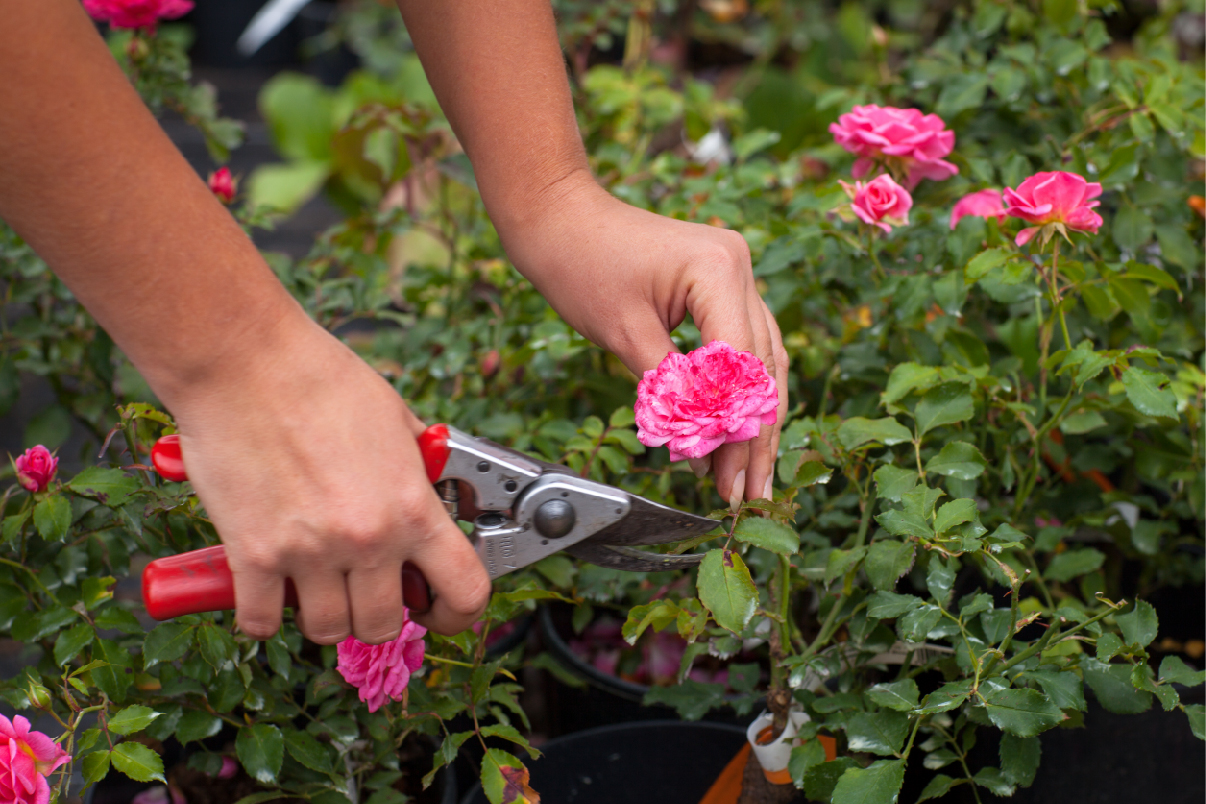
- Cut just above the first set of five leaves below the old flower.
- Use sharp, clean scissors or pruners to avoid damage.
- Remove all faded flowers regularly during bloom season.
- Check for dead or weak stems and cut them out too.
Fertilizing For Flower Production
Feeding roses with the right nutrients helps them grow strong and bloom more. Use a balanced fertilizer.
Apply fertilizer in early spring and after each bloom cycle. This keeps the rose bush healthy and productive.
- Choose fertilizer with equal parts nitrogen, phosphorus, and potassium.
- Follow package instructions for how much to use.
- Water the plants well after fertilizing to help nutrient absorption.
- Consider adding compost or organic matter for long-term health.
Frequently Asked Questions
How Often Should You Prune Roses?
Prune roses annually in late winter or early spring. This timing promotes healthy growth and abundant blooms. Regular pruning helps remove dead or diseased wood. It also shapes the plant and encourages new growth. Always use clean, sharp tools for best results.
What Tools Do You Need For Pruning Roses?
For pruning roses, you need sharp, clean pruning shears. Additionally, long-handled loppers help with thicker branches. A pair of gardening gloves protects your hands from thorns. Finally, disinfecting wipes or a bleach solution can clean tools between cuts to prevent disease spread.
Why Is Pruning Essential For Rose Health?
Pruning is vital to remove dead and diseased wood. It encourages healthy growth and prevents overcrowding. Proper pruning improves air circulation and light penetration. This reduces the risk of fungal diseases and enhances flower production. Regular pruning results in a healthier, more robust plant.
Can You Prune Roses In Summer?
Summer pruning is generally not recommended, but light trimming is okay. Remove spent blooms and dead branches. Avoid heavy pruning in summer as it may stress the plant. Focus on shaping and maintaining the rose bush. Reserve major pruning tasks for late winter or early spring.
Conclusion
Pruning roses helps keep plants healthy and strong. Cut old and weak branches to let new growth shine. Regular pruning improves air flow and stops diseases. It also encourages more flowers to bloom. Use sharp tools and prune at the right time.
Watch your roses grow better each season. Simple care makes a big difference in your garden. Keep practicing, and your roses will thank you. Healthy roses bring beauty and joy year after year.
