
If you use a belt sander regularly, you know how important its motor is to your work. But have you ever stopped to think about how to keep that motor running smoothly?
Taking care of your belt sander’s motor can save you time, money, and frustration. You’ll discover simple yet powerful tips that protect your tool and boost its performance. Keep reading to learn how easy it is to extend the life of your belt sander motor and get the most out of every project.
Choosing The Right Belt Sander Motor
Picking the right motor for your belt sander is important for good results. The motor affects power, speed, and durability.
Understanding motor types and quality helps you maintain your tool better. This guide covers key points to consider.
Types Of Motors
Belt sanders use mainly two types of motors: brushed and brushless. Each has its own benefits and drawbacks.
Brushed motors are simple and affordable. Brushless motors last longer and run cooler but cost more.
- Brushed motors: easy to maintain, may wear out faster
- Brushless motors: efficient, less maintenance, higher price
Power And Speed Considerations
Power and speed affect how well the sander works on different materials. Choose a motor that fits your tasks.
Higher power motors handle tough jobs but use more energy. Speed controls help adjust the sanding for smooth finishes.
- Power: Usually measured in amps or watts; higher means stronger motor
- Speed: Variable speed motors offer better control
- Match motor specs with your sanding needs
Motor Quality Indicators
Good quality motors last longer and perform better. Look for signs that show the motor is built well.
Check the motor housing, bearings, and wiring. Quality parts reduce noise and heat during operation.
- Durable motor housing protects internal parts
- High-quality bearings reduce friction and wear
- Thick wiring prevents electrical issues
- Proper insulation and cooling improve motor life
Routine Cleaning Practices
Keeping your belt sander motor clean helps it work well for a long time. Dust and dirt can cause problems if they build up inside the motor.
Regular cleaning stops damage and keeps the motor running smoothly. You should clean your motor often to avoid costly repairs.
Removing Dust And Debris
Dust and debris can get inside the motor and block parts. Use a soft brush to gently remove dust from the motor surface.
Be careful not to push dust further inside. Clean the belt sander after each use to stop dirt from building up.
Cleaning Air Vents
Air vents help cool the motor while it works. Dust in the vents can cause the motor to overheat.
Use a small brush or cloth to clean the vents carefully. Keep the vents clear so air flows freely and cools the motor.
Using Compressed Air Safely
Compressed air can blow dust out of tight spaces inside the motor. Use it carefully to avoid damage.
Hold the can upright and keep it a few inches from the motor. Blow short bursts of air to clean without harming parts.
- Do not use compressed air too close to the motor
- Avoid long blasts that can spin motor parts too fast
- Wear safety glasses to protect your eyes
- Use in a well-ventilated area
Lubrication Techniques
Keeping your belt sander motor well lubricated helps it run smoothly. Proper lubrication reduces wear and extends the motor’s life.
Understanding where and how to lubricate is key to good maintenance. Follow these tips to keep your motor in top shape.
Identifying Lubrication Points
Find the parts of the motor that need lubrication. Usually, these include bearings, shafts, and moving joints.
- Check the motor’s manual for lubrication spots.
- Look for grease fittings or oil holes.
- Listen for noise or feel for heat that shows wear.
- Inspect moving parts for dryness or rust.
Choosing Suitable Lubricants
Pick the right lubricant to protect your motor. Use types made for electric motors and high-speed parts.
| Lubricant Type | Use | Notes |
| Light machine oil | Bearings, shafts | Flows easily, good for small parts |
| Grease | Heavier load bearings | Stays in place, resists water |
| Silicone lubricant | Plastic parts near motor | Non-conductive, safe for plastics |
Frequency Of Lubrication
Lubricate your motor regularly to keep it working well. The right schedule depends on use and environment.
- Check the motor every 3 months for signs of dryness.
- Lubricate light-use motors twice a year.
- For heavy-use motors, lubricate every month.
- Always clean old lubricant before adding new.

Credit: www.vevor.com
Inspecting Motor Components
Checking the motor parts of your belt sander helps it work well. Regular inspections catch problems early.
Look closely at each part to find wear or damage. This keeps the motor running smoothly and lasts longer.
Checking Brushes And Commutators
Brushes transfer electricity to the motor. They wear down over time and must be checked often.
The commutator works with brushes to keep the motor spinning. Dirt or damage here can stop your tool.
- Remove dust and dirt from brushes and commutators.
- Replace brushes if they are shorter than the minimum length.
- Check commutators for scratches or burns.
- Use fine sandpaper to clean a dirty commutator surface.
Examining Bearings And Shafts
Bearings help the motor shaft turn smoothly. Worn bearings cause noise and poor performance.
The shaft connects parts inside the motor. It should spin freely without wobbling or rough spots.
- Listen for grinding or rattling sounds from bearings.
- Check the shaft for any bends or damage.
- Apply light oil if bearings feel dry.
- Replace bearings if they make noise or do not spin well.
Detecting Overheating Signs
Overheating can damage the motor and reduce its life. Watch for heat and smell changes.
Too much heat may come from blocked air vents or worn parts. Check these to avoid damage.
- Feel the motor casing for unusual warmth after use.
- Look for melted plastic or discoloration near vents.
- Smell for burning odors which indicate overheating.
- Keep air vents clean and clear of dust.
Preventing Motor Overload
Belt sander motors can get damaged if they work too hard. Overloading the motor shortens its life and causes problems.
Taking simple steps helps keep the motor safe and working well. These tips focus on proper use, pressure, and temperature.
Proper Usage Tips
Use the belt sander as the manufacturer suggests. Read the manual before starting. Do not run the sander for too long at once.
Turn off the sander when not sanding. Let the motor rest to avoid heating up. Keep the sander clean from dust and debris.
- Follow the user manual closely
- Run the sander only when needed
- Clean dust from vents and surfaces
- Give the motor breaks during use
Avoiding Excessive Pressure
Do not press too hard on the belt sander. Pressing hard makes the motor work harder than it should.
Let the sander do the work by moving it gently over the surface. Excessive pressure can cause motor overload and damage.
- Hold the sander lightly
- Move the sander smoothly
- Do not force the belt against the wood
- Use multiple passes for deep sanding
Monitoring Motor Temperature
Check the motor temperature during use. If it feels very hot, stop sanding and let it cool down.
Overheating can cause the motor to fail. Use cool air or fans to help if needed. Avoid using the sander in hot places.
- Feel the motor casing regularly
- Stop if the motor is too hot
- Use fans to cool the motor
- Avoid sanding in high heat
Storage And Handling Tips
Proper storage and careful handling keep your belt sander motor in good shape. It helps avoid damage and extends motor life.
Follow these simple tips to protect your motor from common risks during storage and transport.
Protecting From Moisture
Moisture can cause rust and electrical problems in belt sander motors. Store the motor in a dry, cool place away from water sources.
Use sealed plastic bags or wrap the motor in waterproof material to block moisture. Silica gel packs help absorb excess humidity inside the packaging.
Safe Transport Methods
Moving the motor safely prevents shocks and impacts that can damage parts. Always carry the motor with care.
- Use padded boxes or cases to cushion the motor.
- Keep the motor upright to protect internal components.
- Avoid stacking heavy items on top of the motor during transport.
- Label the package as fragile to alert handlers.
Long-term Storage Guidelines
| Storage Condition | Recommended Action |
|---|---|
| Temperature | Keep between 50°F and 77°F (10°C-25°C) |
| Humidity | Maintain below 60% to avoid rust |
| Cleaning | Wipe motor clean before storing |
| Lubrication | Apply light oil to moving parts |
| Inspection | Check motor every 3 months for damage |
Troubleshooting Common Issues
Keeping your belt sander motor in good shape helps it run longer. Motors can stop working or lose power over time. Knowing how to fix these problems saves time and money.
This guide shows how to identify and solve common motor problems. Follow these tips to keep your belt sander working well.
Motor Not Starting
If the motor does not start, check the power source first. Make sure the cord is plugged in and the outlet works. Look for blown fuses or tripped breakers.
- Test the power cord for cuts or damage
- Check the switch for proper function
- Inspect brushes and replace if worn out
- Look for loose wiring connections inside the motor
- Test the motor windings with a multimeter
Unusual Noises
Strange sounds like grinding or squealing mean the motor needs attention. These noises often come from worn parts or lack of lubrication.
| Noise Type | Possible Cause | Fix |
| Grinding | Damaged bearings | Replace bearings |
| Squealing | Dry motor shaft | Apply proper lubricant |
| Buzzing | Loose parts | Tighten screws and bolts |
Reduced Performance
The motor may slow down or lose power over time. Dust buildup and worn brushes cause weak performance. Clean and replace parts to restore power.
- Unplug the sander before cleaning.
- Use compressed air to remove dust inside the motor.
- Check brush length and replace if under 1/4 inch.
- Inspect the belt tension and adjust as needed.
- Keep the motor vents clear to prevent overheating.
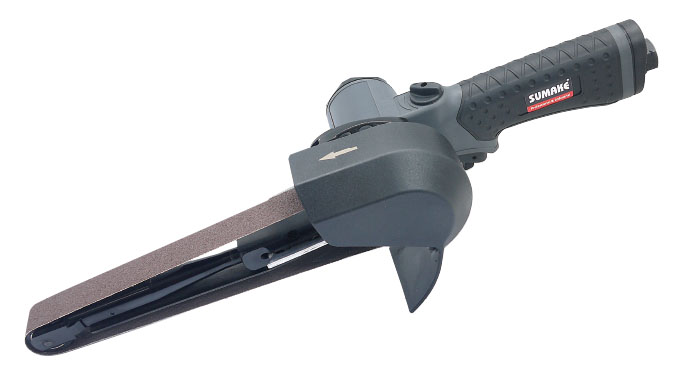
Credit: www.sumake.com

Credit: www.safetyandhealthmagazine.com
Frequently Asked Questions
How Often Should I Clean The Belt Sander Motor?
Regular cleaning is essential for optimal performance. Clean the belt sander motor every three months. If you use it frequently, consider cleaning monthly. Dust and debris can accumulate, causing the motor to overheat. Regular maintenance ensures longevity and efficiency.
What Lubricants Are Best For Belt Sander Motors?
Use high-quality, non-detergent oil for lubricating belt sander motors. Avoid using heavy oils or grease. These can attract dust and debris. A lightweight oil ensures smooth operation. It helps in reducing wear and tear on motor parts.
How Do I Know If The Motor Needs Repair?
Unusual noises or decreased performance indicate motor issues. A burning smell or excessive heat are also red flags. Regular inspection can help identify problems early. Addressing issues promptly can prevent costly repairs. It ensures the motor remains in good condition.
Can Overheating Damage A Belt Sander Motor?
Yes, overheating can significantly damage the motor. It can cause the motor to burn out. Regular maintenance and cleaning can prevent overheating. Ensure proper ventilation during use. This helps in maintaining optimal motor temperature.
Conclusion
Maintaining your belt sander motor keeps it running smoothly. Regular cleaning and checking prevent costly repairs. Always use the right parts and avoid overloading the motor. Small steps help extend the motor’s life. A well-kept motor saves time and money.
Simple care makes a big difference in performance. Stay consistent with your maintenance routine for best results. Keep your tools ready for every project.