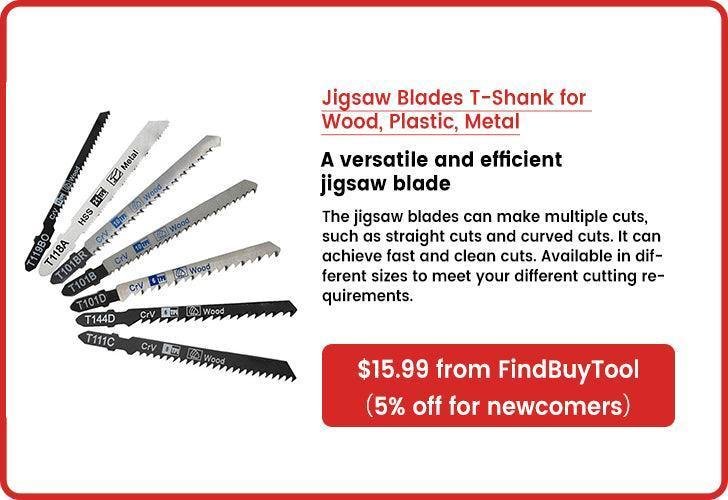
Are you tired of your jigsaw blades wearing out too quickly? Keeping your blades sharp and in good condition can save you time, money, and frustration.
In this guide, you’ll discover simple, effective tips to maintain your jigsaw blades for longer life. Whether you’re a beginner or a seasoned DIYer, these easy steps will help you get cleaner cuts and better results every time. Keep reading to unlock the secrets that professionals use to keep their blades performing at their best.
Your next project will thank you!

Credit: www.findbuytool.com
Choosing The Right Blade
Selecting the correct jigsaw blade affects your cutting results and blade life. Using the wrong blade can cause damage and wear.
Learn how to pick blades by material, teeth type, and size for longer use and better performance.
Material Types
Jigsaw blades come in different materials. Each suits a certain cutting task and material. Choose the right blade material to avoid quick wear.
- High Carbon Steel:Good for softwood and plastic. It is flexible but dulls fast on hard materials.
- Bi-Metal:Combines steel types for strength and durability. Works well on metal and hardwood.
- Tungsten Carbide:Very hard and lasts long. Best for cutting tiles, metal, and abrasive materials.
Blade Teeth And Pitch
Blade teeth shape and spacing affect cut smoothness and speed. Select teeth based on your project needs.
| Teeth Type | Best For | Description |
| Fine Teeth | Metal, Thin Wood | Closer teeth for smooth cuts but slower progress. |
| Coarse Teeth | Thick Wood, Plastic | Wider teeth for fast cutting but rougher edges. |
| Variable Pitch | Mixed Materials | Teeth with different spacing to reduce vibration and improve cut quality. |
Blade Size Considerations
Blade length and width impact cut depth and control. Choose size based on material thickness and tool compatibility.
- Use longer blades for thick materials to cut through fully.
- Narrow blades allow tighter curves and more precise cuts.
- Match blade shank size to your jigsaw model for secure fitting.

Credit: onevantool.com
Cleaning And Inspection
Keeping your jigsaw blades clean and checked helps them last longer. Dirt and damage reduce blade performance. Regular care saves money and improves cutting quality.
Learn how to remove debris, spot wear, and know when to replace blades. These simple steps keep your tools ready for work.
Removing Debris And Resin
Debris and resin build-up dull blades and cause overheating. Clean blades after each use for best results.
- Use a stiff brush to remove sawdust and wood chips.
- Apply a blade cleaner or rubbing alcohol to dissolve resin.
- Wipe blades dry with a clean cloth to avoid rust.
- Avoid soaking blades in water to protect metal parts.
Checking For Damage And Wear
Inspect blades for cracks, bends, or missing teeth before use. Damaged blades can break or cut poorly.
| Damage Type | Signs to Look For | Effect on Performance |
| Cracks | Visible lines or splits on blade | Blade may snap during use |
| Bends | Blade does not sit straight | Uneven cuts and vibration |
| Missing Teeth | Gaps where teeth should be | Rough cuts and slower progress |
When To Replace Blades
Replace blades that no longer cut well or show serious damage. Using worn blades risks safety and work quality.
- Blade cuts slower or requires more force.
- Teeth are dull or broken.
- Blade bends or warps during use.
- Visible cracks appear on the blade.
- Blade causes rough or uneven cuts.
Proper Usage Techniques
Using jigsaw blades correctly helps them last longer. Proper techniques reduce wear and keep cuts clean.
Follow these tips to protect your blades and improve your cutting results.
Correct Cutting Speeds
Cutting too fast can dull the blade quickly. Cutting too slow wastes time and may cause burning.
Use the right speed for the material and blade type. Adjust speed as you cut thicker or harder materials.
- Soft wood: medium to high speed
- Hard wood: medium speed
- Metal or plastic: slow speed
Avoiding Excessive Pressure
Pressing too hard makes the blade bend or break. It also strains the jigsaw motor.
Let the blade do the cutting. Guide the tool gently and keep steady pressure for smooth cuts.
- Use light, even pressure
- Do not force the blade through the material
- Pause if the blade feels stuck
Using The Right Cutting Direction
Cutting in the wrong direction can damage the blade teeth. It also affects cut accuracy.
Follow the blade’s design and the material grain. This prevents chipping and blade wear.
- Blade teeth should face forward
- Cut with the grain on wood
- Use straight cuts for long edges
Storage And Handling
Proper storage and handling keep jigsaw blades sharp and safe. Careful habits extend the blade’s life. This guide covers key tips to protect your blades.
Storing and handling blades with care reduces damage and wear. Follow simple steps to keep blades ready for use and avoid injuries.
Protecting Blade Edges
Blade edges are very sharp and fragile. Avoid dropping blades or rubbing edges on hard surfaces. Always handle blades by the shank, not the teeth.
Use blade guards or covers when possible. These protect the teeth from bending or dulling. If no cover is available, wrap the blade in a soft cloth.
Organizing Blades Safely
Keep blades organized to avoid damage and for easy access. Separate blades by type and size to prevent confusion and accidents.
- Use a storage box with slots for each blade
- Label blade compartments by size and tooth type
- Store blades vertically to prevent bending
- Keep blades out of reach of children
- Inspect blades before storing to clean off debris
Environmental Factors
Humidity and temperature affect blade condition. Moisture causes rust and dulls blades. Heat can weaken the metal over time.
| Condition | Effect on Blades | Storage Tip |
|---|---|---|
| High Humidity | Rust and corrosion | Store in dry place with silica gel packs |
| Extreme Heat | Metal warping | Avoid direct sunlight and hot areas |
| Cold Temperatures | Brittle metal | Keep blades at room temperature |
Sharpening And Maintenance Tools
Keeping jigsaw blades sharp makes cutting easier and safer. Proper tools help maintain blade edges for longer use. Regular care reduces wear and improves performance.
This guide explains sharpening methods, the best tools to use, and how often to maintain your blades.
Sharpening Methods
Sharpening jigsaw blades can be done in different ways depending on the blade type and your skill level.
- Use a fine diamond file to gently sharpen the teeth.
- Employ a rotary tool with a small grinding attachment for precise sharpening.
- Try hand sharpening with a small triangular file for minor edge touch-ups.
Recommended Tools
| Tool | Purpose | Notes |
| Diamond File | Sharpen blade teeth | Good for fine edges |
| Rotary Tool | Grind and shape teeth | Use small grinding bits |
| Triangular File | Hand sharpening | Best for small touch-ups |
| Blade Cleaning Brush | Remove debris | Prevents rust build-up |
| Lubricant Spray | Reduce friction | Use before cutting |
Frequency Of Maintenance
The frequency of sharpening depends on how often you use the blades and the material you cut.
- Sharpen blades after every 5 to 10 hours of use.
- Clean blades after each job to remove sawdust and pitch.
- Apply lubricant spray before starting long cuts.
- Replace blades if teeth become too worn or damaged.

Credit: allflavorworkshop.com
Troubleshooting Common Issues
Jigsaw blades can face problems that lower their performance. Fixing these issues helps your blade last longer.
Learn how to spot and solve common blade troubles. This keeps your cuts clean and your work safe.
Blade Bending And Warping
Blades may bend or warp if used too hard or with wrong settings. This causes uneven cuts and may break the blade.
Check the blade before use. Avoid forcing the blade through thick or hard materials too fast.
- Use the right blade for the material
- Keep blade tension correct if adjustable
- Cut slowly and steadily without pushing hard
- Replace blades that show signs of bending
Rough Cuts And Splintering
Rough cuts and splintering happen when the blade is dull or not suited for the material. This makes edges uneven and messy.
Use a sharp blade and choose one designed for clean cuts. Adjust the saw speed to match the material type.
- Replace dull blades promptly
- Use fine-toothed blades for smooth cuts
- Slow down the cutting speed for fragile materials
- Support the material firmly while cutting
Overheating Problems
Blades can overheat if used too fast or too long without breaks. Heat damages the blade and reduces its life.
Take breaks during long cuts. Use a blade that suits the material hardness and thickness.
- Cut at recommended speeds
- Pause often to cool the blade
- Keep blades clean from resin and debris
- Use blades made from heat-resistant materials
Frequently Asked Questions
How Do I Clean Jigsaw Blades Effectively?
To clean jigsaw blades, use a wire brush to remove debris. Soak them in soapy water for stubborn grime. Dry thoroughly to prevent rust. Regular cleaning helps maintain sharpness and performance.
How Often Should Jigsaw Blades Be Replaced?
Replace jigsaw blades when they become dull or damaged. Frequent users may need replacements every few weeks. Always inspect blades for wear to ensure optimal performance and safety.
What Materials Can Damage Jigsaw Blades Quickly?
Cutting metal or hard materials can dull blades quickly. Excessive heat and friction increase wear. Always use the correct blade for your material to prolong its lifespan.
Can Improper Storage Affect Jigsaw Blade Longevity?
Yes, improper storage can lead to rust and damage. Store blades in a dry, cool place. Use blade covers or cases to prevent moisture exposure and physical damage.
Conclusion
Taking care of your jigsaw blades saves money and time. Clean blades work better and last longer. Store them in a dry place to avoid rust. Check blades often for wear and replace when dull. Use the right blade for each material you cut.
Small steps keep blades sharp and cutting smooth. Keep your tools ready for any project ahead. Simple care makes a big difference in blade life. Stay safe and enjoy clean, easy cuts every time.