Are you looking for a simple way to keep your shrubs and trees healthy and thriving? Mulching around them is one of the best things you can do.
But if you’re unsure how to mulch properly, you might be missing out on benefits like moisture retention, weed control, and protecting roots from extreme temperatures. You’ll discover easy, step-by-step tips to mulch around your shrubs and trees the right way.
By the end, you’ll have the confidence to boost your garden’s beauty and health with mulch that really works. Keep reading to find out how!
Choosing The Right Mulch
Mulch helps protect shrubs and trees by keeping soil moist and cool. It also stops weeds from growing near them.
Choosing the right mulch is important. It affects plant health and garden appearance.
Organic Vs Inorganic Mulch
Organic mulch comes from natural materials like bark or leaves. It breaks down and adds nutrients to the soil.
Inorganic mulch includes materials like rubber or stones. It does not decompose and lasts longer.
- Organic mulch improves soil health.
- Inorganic mulch controls weeds well.
- Organic mulch needs to be replaced more often.
- Inorganic mulch can help with drainage.
Best Mulch Types For Shrubs
Shrubs do well with mulches that keep soil moist and warm. Organic mulches work best.
Some mulches also help protect shrub roots in cold weather.
- Wood chips: They hold moisture and look natural.
- Pine bark: It breaks down slowly and adds nutrients.
- Compost: It improves soil and feeds shrubs.
- Straw: Good for moisture but can blow away easily.
Best Mulch Types For Trees
Trees need mulch that protects roots and keeps soil cool. Both organic and inorganic mulches can work.
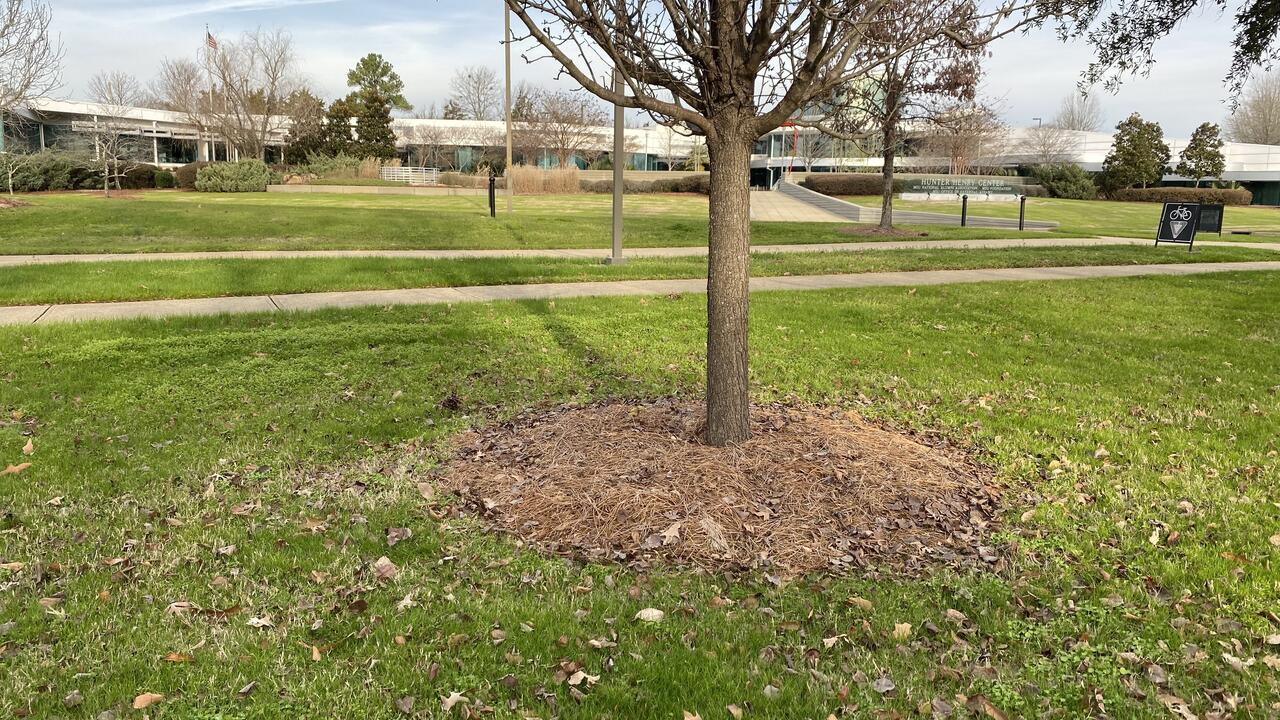
Mulch should be spread wide but not piled against the tree trunk.
- Shredded leaves: They add nutrients and keep soil moist.
- Bark nuggets: Long lasting and protect tree roots well.
- Rubber mulch: Does not decay and controls weeds.
- Gravel: Good for drainage but does not add nutrients.
Credit: extension.msstate.edu
Preparing The Area
Mulching around shrubs and trees helps keep soil moist and healthy. Proper preparation makes mulch work better.
Start by getting the area ready before placing the mulch. This makes plants stronger and cleaner.
Clearing Weeds And Debris
Remove all weeds and old mulch from the area around your plants. Weeds steal water and nutrients from shrubs and trees.
Clear away sticks, leaves, and other debris to create a clean space for the new mulch. This stops pests and diseases.
- Pull weeds by hand or use a hoe
- Rake up leaves and twigs
- Dispose of old mulch if it is moldy or compacted
- Check the area for any plant disease signs
Soil Preparation Tips
Loosen the soil gently around the shrubs and trees. This helps water and air reach the roots better.
Add organic matter like compost to improve soil health. This feeds your plants and improves drainage.
- Use a garden fork or trowel to loosen soil
- Mix in a thin layer of compost or aged manure
- Level the soil surface before adding mulch
- Avoid damaging roots while preparing soil
Proper Mulching Techniques
Mulching helps protect shrubs and trees. It keeps soil moist and stops weeds from growing.
Using the right mulching method makes plants healthier. It also helps soil stay cool in summer and warm in winter.
Correct Mulch Depth
Apply mulch at the right thickness. Too thin mulch does not protect well. Too thick mulch can harm roots.
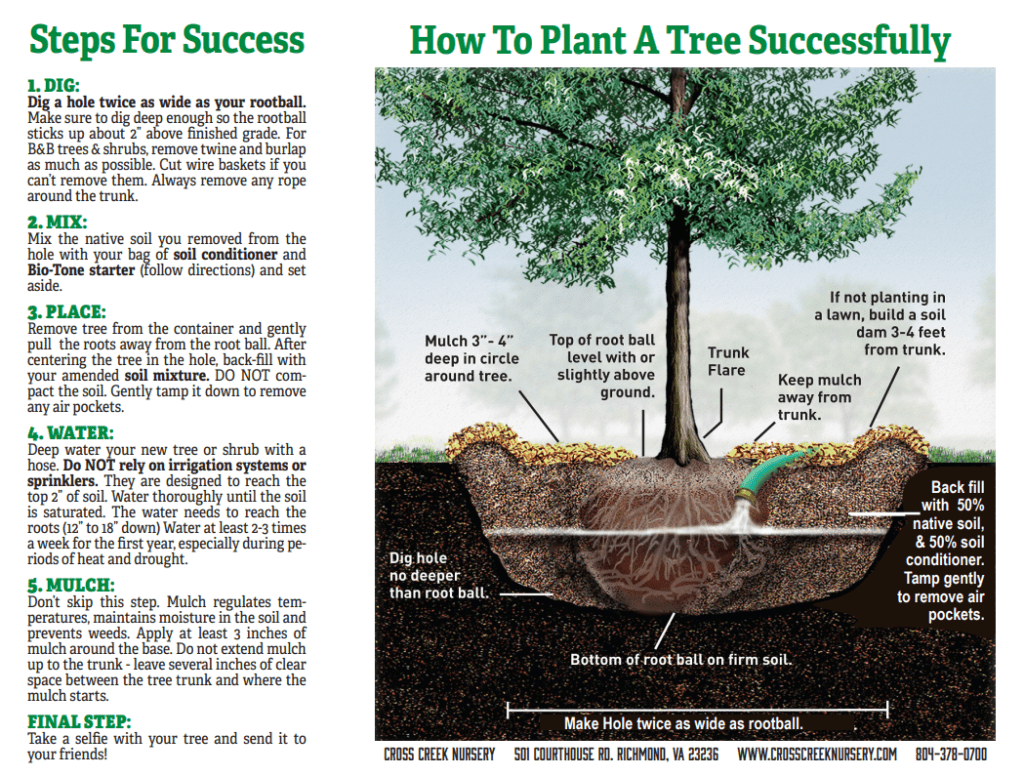
Spread mulch 2 to 4 inches deep. This depth holds moisture and stops weeds. Avoid piling mulch more than 4 inches.
- Less than 2 inches: not enough moisture retention
- 2 to 4 inches: ideal depth for most plants
- More than 4 inches: can block air and water
Mulch Placement Around Shrubs
Place mulch around shrubs but keep it away from the main stems. Mulch touching stems can cause rot.
Leave a small gap of a few inches between the mulch and the shrub base. This allows air to reach the plant’s stem.
- Clear mulch from touching shrub stems
- Spread mulch in a wide ring around the shrub
- Keep mulch 2 to 4 inches thick
Mulch Placement Around Trees
Mulch around trees helps keep roots cool and moist. Keep mulch away from the tree trunk to prevent decay.
Create a mulch ring around the tree. Extend it out to the drip line if possible. Avoid piling mulch against the bark.
- Keep mulch 6 to 12 inches away from the trunk
- Spread mulch evenly to the tree’s drip line
- Use 2 to 4 inches of mulch depth
Avoiding Common Mulching Mistakes
Mulching around shrubs and trees helps keep soil moist and healthy. But many people make simple mistakes that harm plants. Learning how to mulch properly keeps your plants safe.
These tips explain common mulching errors and how to fix them. Avoid these problems to help your shrubs and trees grow strong.
Mulch Volcanoes Explained
A mulch volcano happens when mulch is piled high against a tree trunk. It looks like a small mountain around the base. This can cause serious problems for the tree.
Mulch volcanoes trap moisture and cause the bark to rot. They also invite insects and diseases that harm the tree. The roots may not get enough air to grow.
- Mulch should be spread in a thin layer, about 2 to 4 inches deep.
- Keep mulch 2 to 3 inches away from the tree trunk.
- Remove old mulch piled up against the trunk before adding new mulch.
Preventing Over-mulching
Over-mulching means adding too much mulch around plants. Thick mulch layers block water and air from reaching roots. This can weaken or kill shrubs and trees.
Mulch also breaks down and uses nitrogen in the soil. Too much mulch can starve plants of nutrients they need to grow.
- Use mulch in a layer 2 to 4 inches thick only.
- Do not pile mulch over existing mulch without removing old layers.
- Check mulch regularly and remove any excess buildup.
- Water plants after mulching to help mulch settle and keep roots moist.
Maintaining Mulch For Longevity
Mulching around shrubs and trees helps keep soil moist and protects roots. Proper care of mulch keeps it effective for a long time.
Regular maintenance prevents mulch from breaking down too fast. It also stops weeds and pests from growing near your plants.
When To Refresh Mulch
Refresh mulch once a year to keep it fresh and useful. The best time is in early spring or late fall.
Refreshing mulch adds nutrients and keeps the soil temperature steady. It also improves the look of your garden beds.
- Early spring helps plants grow strong
- Late fall protects roots during winter
- Refreshing prevents soil erosion
- It stops mulch from compacting too much
Signs Mulch Needs Replacement
Check mulch often for signs it needs replacing. Old mulch loses color and breaks down into soil.
Look for compacted mulch or mold growth. These signs mean the mulch is no longer healthy or useful.
- Mulch looks faded or gray
- Soil is dry even after watering
- Mulch is hard and clumped together
- Mold or fungus appears on the surface
- Weeds grow easily through mulch

Credit: diylandscape.supply
Benefits Of Proper Mulching
Mulching around shrubs and trees helps keep plants healthy. It adds a protective layer over the soil.
Proper mulching saves water, controls weeds, and keeps soil temperature steady.
Moisture Retention
Mulch holds water in the soil by reducing evaporation. This helps plants get water longer after rain or watering.
It also improves soil structure, letting water soak in better and reach roots deep down.
Weed Control
Mulching blocks sunlight from reaching weed seeds. This stops many weeds from growing near your plants.
- Reduces the need to pull weeds by hand
- Keeps the area around plants clean and neat
- Prevents weeds from stealing water and nutrients
Soil Temperature Regulation
| Season | Effect of Mulching |
| Summer | Keeps soil cooler and protects roots from heat |
| Winter | Insulates soil and keeps roots warmer |
Mulch acts like a blanket. It keeps the soil from getting too hot in summer or too cold in winter.
Credit: www.crosscreeknursery.com
Frequently Asked Questions
What Is The Best Mulch For Trees And Shrubs?
The best mulch for trees and shrubs is organic mulch like wood chips or shredded bark. These mulches decompose over time, enriching the soil with nutrients. They also help retain moisture, suppress weeds, and regulate soil temperature, promoting healthier growth for your plants.
How Thick Should Mulch Be Around Shrubs?
Mulch should be spread 2-4 inches thick around shrubs. This thickness helps prevent weed growth and conserves soil moisture. Avoid piling mulch against shrub stems to prevent rot. A consistent layer ensures the benefits of mulching while allowing water and nutrients to reach the roots effectively.
Can You Mulch Too Close To Tree Trunks?
Yes, mulching too close to tree trunks can cause rot and pest issues. Maintain a gap of 3-6 inches between the mulch and trunk. This gap prevents moisture from accumulating against the bark, reducing the risk of diseases and allowing proper air circulation around the base.
How Often Should I Replace Mulch?
Replace mulch annually or when it has decomposed significantly. Over time, mulch breaks down and loses its effectiveness. Refreshing mulch annually ensures consistent soil protection, moisture retention, and weed suppression. Regular replacement also enhances the aesthetic appeal of your garden landscape.
Conclusion
Mulching around shrubs and trees helps keep soil moist and healthy. It stops weeds from growing and protects roots from cold or heat. Spread mulch evenly but avoid piling it against the trunk. Regularly check mulch thickness and add more when needed.
This simple care step supports plant growth and keeps your garden neat. Try these tips to make your plants stronger and your garden look better. Mulching is easy and worth the effort.