Are you tired of constantly watering your shrubs, only to see the soil dry out quickly? Mulching around your shrubs can be the simple solution you need to keep moisture locked in and your plants healthy.
But not all mulching methods work the same, and doing it wrong might even harm your shrubs. You’ll discover easy, effective steps to mulch correctly and boost moisture retention. Keep reading to learn how to give your shrubs the care they deserve with minimal effort.
Benefits Of Mulching Shrubs
Mulching around shrubs helps keep soil moist and plants healthy. It also protects roots from weather changes.
Using mulch improves the growth of shrubs by creating a better environment for roots to grow.
Enhancing Soil Moisture
Mulch holds water in the soil and stops it from drying out quickly. This helps shrubs get water for a longer time.
It also reduces the need to water shrubs often, saving time and water resources.
Weed Suppression
Mulch blocks sunlight from reaching weed seeds. This stops weeds from growing near shrubs.
Fewer weeds mean shrubs get more nutrients and space to grow strong and healthy.
Temperature Regulation
Mulch keeps the soil cool in summer and warm in winter. This protects shrub roots from extreme temperatures.
Stable soil temperatures help shrubs grow better and avoid stress caused by heat or cold.
Improving Soil Health
As mulch breaks down, it adds nutrients to the soil. This improves soil quality and supports plant growth.
Good soil has more helpful organisms like worms and microbes that help shrubs absorb nutrients.
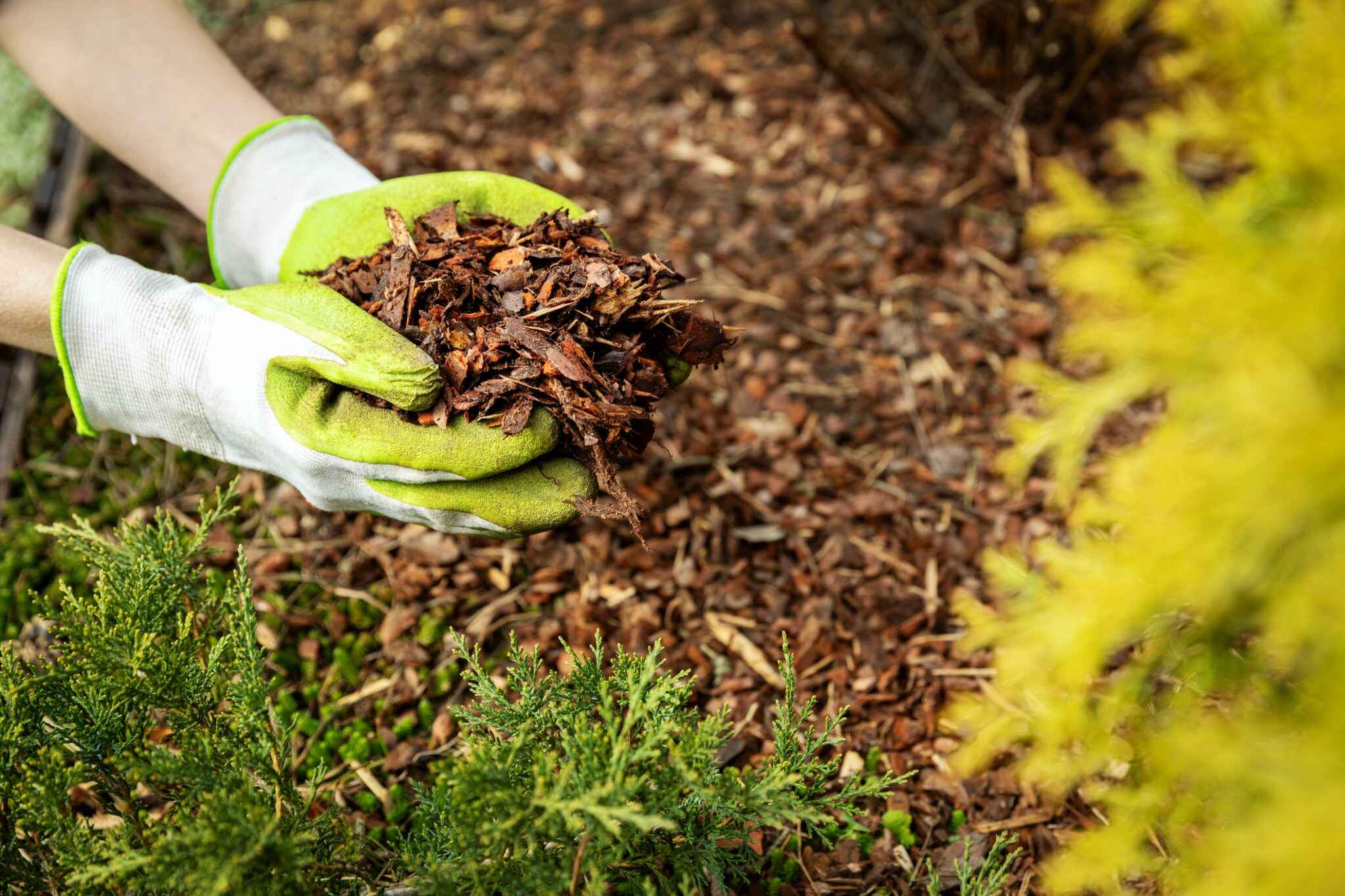
Credit: soilkings.com
Choosing The Right Mulch
Mulching around shrubs helps keep soil moist and protects roots. Picking the right mulch is key for healthy plants.
Different mulches have different benefits. Knowing these helps you choose the best one for your shrubs.
Organic Vs Inorganic Mulch
Organic mulch comes from natural materials like wood or leaves. It breaks down and adds nutrients to the soil. Inorganic mulch uses materials like rocks or plastic. It lasts longer but does not improve soil quality.
- Organic mulch improves soil health
- Inorganic mulch controls weeds longer
- Organic mulch needs replacing more often
- Inorganic mulch can keep soil temperature steady
Common Mulch Materials
| Material | Type | Benefits |
| Bark chips | Organic | Good moisture retention and slow breakdown |
| Compost | Organic | Adds nutrients and improves soil |
| Rubber mulch | Inorganic | Long-lasting and weed resistant |
| Gravel | Inorganic | Good drainage and low maintenance |
| Leaves | Organic | Free and enriches soil as it breaks down |
Best Mulch For Shrubs
The best mulch for shrubs holds moisture well and protects roots. It should not harm the plant or soil.
- Bark mulch keeps soil cool and moist
- Compost adds nutrients and improves soil texture
- Leaf mulch is easy to find and breaks down naturally
- Gravel works well in dry climates but does not add nutrients
Preparing The Area
Mulching around shrubs helps keep soil moist and healthy. Preparing the area properly makes mulch work better.
Cleaning and readying the space lets moisture reach the roots more easily. It also stops weeds from growing.
Clearing Debris
Remove leaves, sticks, and old mulch from around the shrubs. Debris can block water and air from reaching the soil.
Clearing debris creates a clean surface for new mulch. It also reduces pests and diseases near the plants.
Weed Removal
Pull out all weeds by hand or use a hoe to clear the area. Weeds compete with shrubs for water and nutrients.
Removing weeds before mulching stops them from growing through the mulch layer later on.
- Pull weeds carefully to remove roots
- Use mulch to block new weed growth
- Check regularly and remove any new weeds
Soil Preparation
Loosen the soil around the shrubs using a garden fork or trowel. This helps mulch water soak into the ground.
Add compost or organic matter to improve soil quality. Healthy soil holds moisture better and feeds the plants.
- Loosen soil up to 6 inches deep
- Mix in compost or aged manure
- Level the soil before adding mulch

Credit: www.russelltreeexperts.com
Proper Mulching Techniques
Mulching helps keep soil moist and protects plants. Doing it right makes shrubs grow healthy.
Use the correct depth, distance, and layering to get the best results with mulch.
Correct Mulch Depth
Apply mulch at the right thickness to keep moisture and let air reach roots. Too thick blocks air; too thin dries out soil.
- Spread mulch 2 to 4 inches deep around shrubs.
- Check depth yearly and add more if needed.
- Use shredded bark, wood chips, or compost as mulch.
Mulching Distance From Shrubs
Keep mulch away from the shrub trunk to avoid rot and pests. Mulch too close traps moisture against stems.
| Distance from Trunk | Reason |
| 3 to 6 inches | Prevents rot and pest problems |
| Extend mulch to drip line | Protects roots and retains moisture |
Layering Tips
Layer mulch properly for good moisture retention and weed control. Use several thin layers instead of one thick layer.
- Clear weeds and grass before adding mulch.
- Lay newspaper or cardboard under mulch to stop weeds.
- Add mulch in 1-2 inch layers, pressing lightly between layers.
- Refill mulch annually as it breaks down.
Maintaining Mulched Areas
Mulching around shrubs helps keep soil moist and plants healthy. To get the best results, you need to maintain the mulch regularly.
Good maintenance stops problems like dry soil or pests. It also keeps your garden looking neat and tidy.
Regular Moisture Checks
Check the soil moisture under the mulch every few days. Moist soil helps roots grow strong and keeps shrubs healthy.
If the soil feels dry, water the area well. Avoid watering too much to stop root rot.
- Use your finger to feel the soil about 2 inches deep
- Water only when the soil is dry at this depth
- Early morning watering works best
Replenishing Mulch
Mulch breaks down over time and thins out. Add fresh mulch to keep a layer about 2 to 3 inches thick.
Replacing mulch helps keep moisture in and stops weeds from growing near shrubs.
- Check mulch depth every season
- Add new mulch if the layer is less than 2 inches
- Spread mulch evenly without piling it on the shrub stems
Avoiding Common Mistakes
Some mulch mistakes can harm your shrubs. Avoid piling mulch too close to the stems to stop rot.
Do not use too much mulch, or water may not reach the roots. Keep mulch loose and well-aerated.
- Keep mulch at least 3 inches away from shrub stems
- Do not layer mulch thicker than 4 inches
- Remove old or moldy mulch before adding new mulch
Seasonal Mulching Tips
Mulching helps keep moisture around shrubs. It also protects roots from temperature changes.
Using mulch at the right time of year improves shrub health and growth.
Spring Application
Apply fresh mulch in spring after the last frost. This keeps soil moist and cool.
- Clear old mulch and weeds from around shrubs.
- Spread 2 to 3 inches of organic mulch like bark or compost.
- Keep mulch a few inches away from shrub stems to avoid rot.
- Water the mulch layer lightly after spreading.
Summer Care
Check mulch during summer for dryness or compaction. Good mulch keeps moisture longer.
| Task | Why | How Often |
| Water mulch | Keep soil moist | Weekly or after dry spells |
| Fluff mulch | Prevent compaction | Monthly |
| Add mulch | Maintain thickness | As needed |
Winter Protection
Mulch helps protect roots from freezing in winter. Add a thicker layer before cold weather.
Winter mulching tips:
- Apply 3 to 4 inches of mulch after soil freezes.
- Use straw, shredded leaves, or wood chips.
- Do not pile mulch against shrub trunks.
- Remove excess mulch in early spring.

Credit: www.hariththarang.com
Frequently Asked Questions
What Is The Best Mulch For Shrubs?
The best mulch for shrubs includes organic materials like wood chips, bark, or pine needles. These materials decompose slowly, improving soil quality over time. They also help retain moisture and regulate soil temperature. Avoid using stones or rubber mulch as they can retain heat and harm the shrubs.
How Thick Should Mulch Be Around Shrubs?
Apply mulch around shrubs in a layer 2 to 4 inches thick. This thickness helps retain moisture, suppress weeds, and insulate the soil. Avoid piling mulch against shrub stems, as it can lead to rot or attract pests. Keep mulch a few inches away from the shrub’s base.
Can Mulch Improve Shrub Health?
Yes, mulch can significantly improve shrub health. It retains soil moisture, reduces erosion, and suppresses weed growth. Mulch also adds organic matter as it decomposes, enriching soil nutrients. Furthermore, it regulates soil temperature, protecting shrub roots from extreme conditions.
Should I Mulch Shrubs Every Year?
Mulching shrubs annually is recommended. It replenishes decomposed material, maintaining effective moisture retention and weed suppression. Regular mulching also ensures consistent soil temperature regulation and nutrient addition. Inspect mulch annually and add more if necessary, ensuring it’s always 2 to 4 inches thick.
Conclusion
Mulching around shrubs keeps soil moist and healthy. It stops water from evaporating too fast. Mulch also blocks weeds that steal water and nutrients. Spread mulch evenly, but not too close to stems. Check mulch thickness regularly and add more if needed.
This simple step helps shrubs grow strong and green. Try mulching today for better garden results. Your shrubs will thank you with lush leaves and flowers. Easy care, great rewards.