When it comes to electrical work, having the right tools can make all the difference. If you want your connections to be secure and reliable, choosing the best crimping tool is key.
But with so many options out there, how do you find the one that fits your needs perfectly? This guide will help you discover the top crimping tools designed to make your job easier, faster, and safer. Keep reading to find the tool that will boost your confidence and get your electrical projects done right every time.
Types Of Crimping Tools
Crimping tools help join wires and connectors securely. They come in different types for various jobs.
Choosing the right crimping tool makes electrical work easier and safer. Each type has its own features.
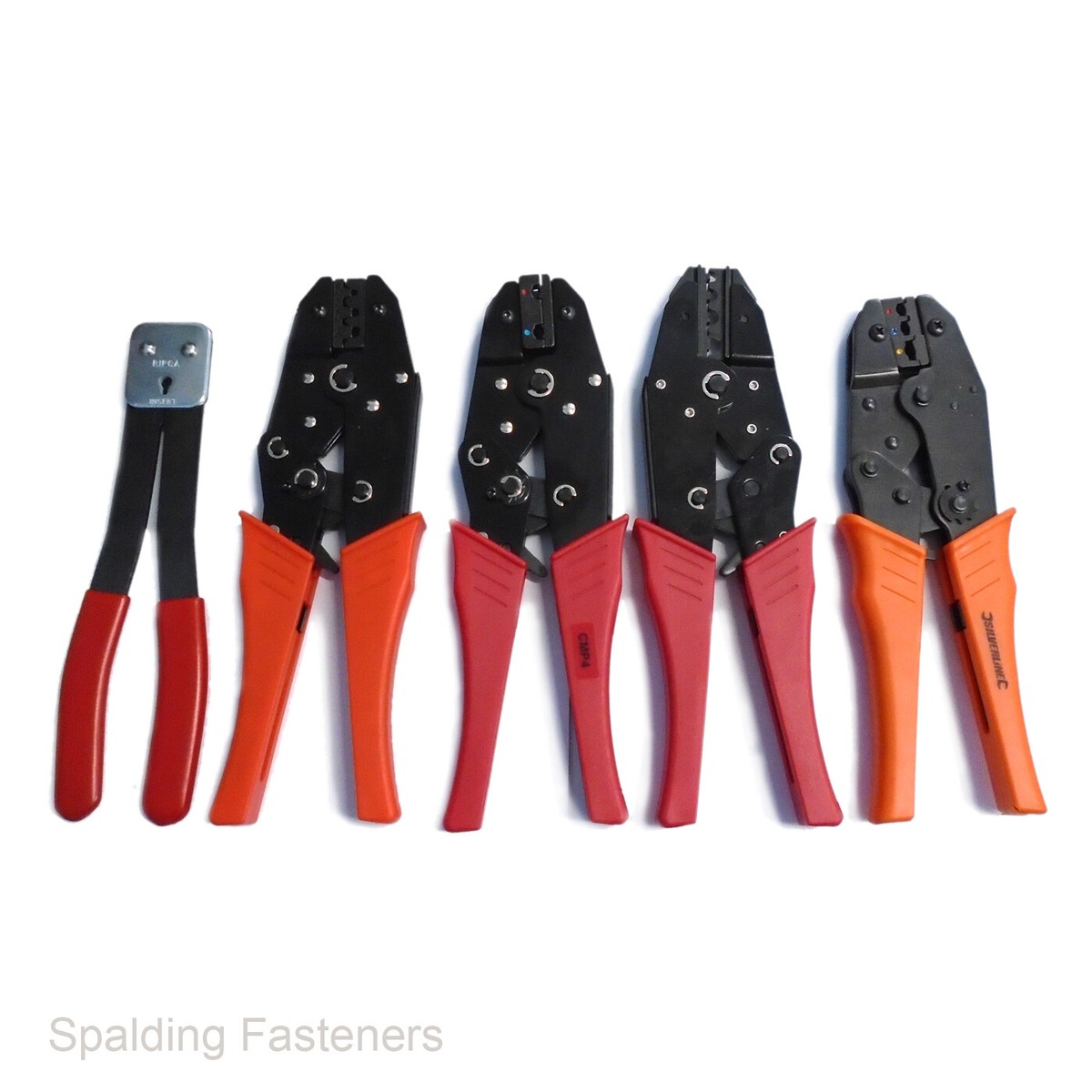
Manual Crimpers
Manual crimpers are hand-operated tools. They are simple, lightweight, and easy to use for small tasks.
These tools work well for home wiring or low-volume jobs. They need physical force to crimp wires.
Hydraulic Crimpers
Hydraulic crimpers use fluid pressure to create strong crimps. They are good for heavy-duty electrical cables.
- Provide high force with less effort
- Suitable for thick wires and large connectors
- Often used in industrial settings
- Require occasional maintenance of hydraulic parts
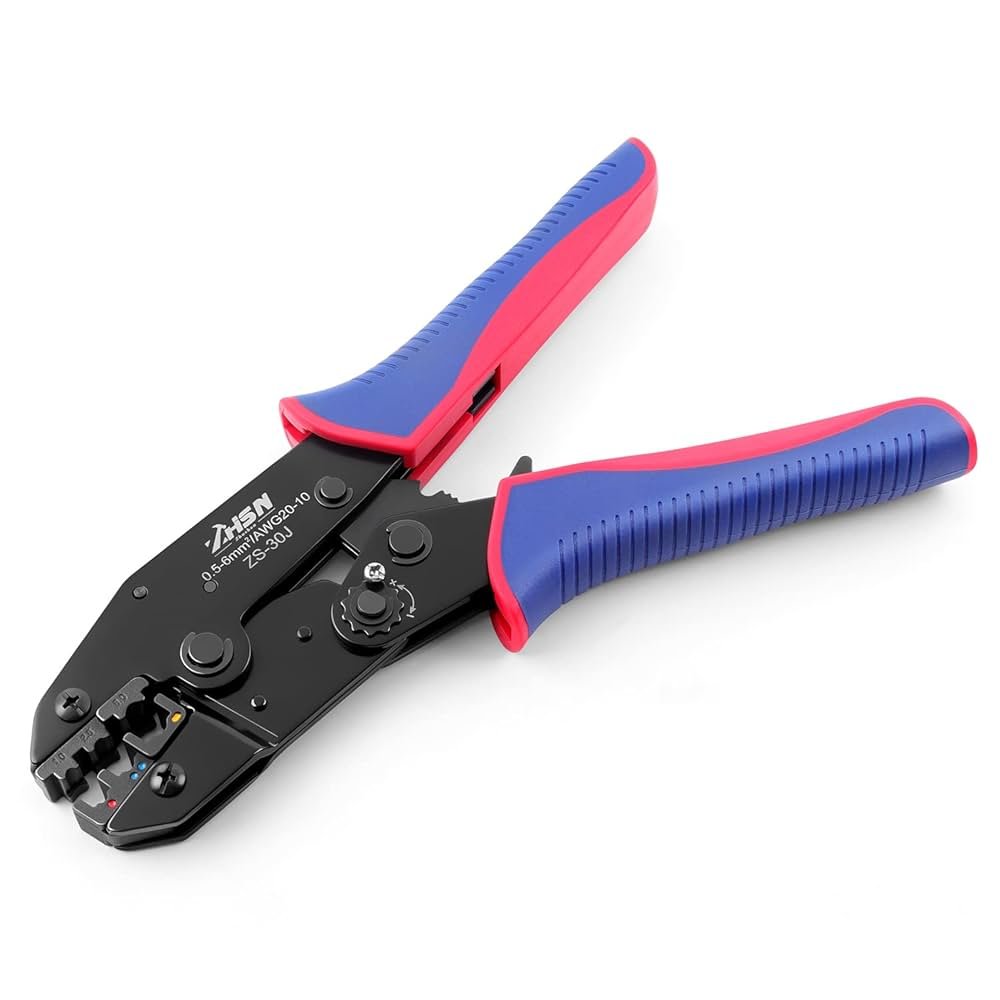
Ratchet Crimpers
Ratchet crimpers have a locking mechanism. This ensures a complete crimp before the tool releases.
They give consistent pressure and improve safety. These tools are popular for electrical and network cables.
Pneumatic Crimpers
Pneumatic crimpers use compressed air to operate. They allow fast and repeated crimping without fatigue.
| Feature | Benefit |
| Air-powered | Reduces manual effort |
| High speed | Increases work efficiency |
| Consistent pressure | Improves connection quality |
| Requires air compressor | Limits portability |
Key Features To Consider
Choosing the right crimping tool is important for electrical work. It helps make strong and safe connections.
Look at key features that affect how well the tool works and how comfortable it is to use.
Jaw Design And Material
The jaw design affects how the tool crimps wires and connectors. It should fit the sizes you use most.
Good jaw material is strong and resists wear. Steel jaws last longer and keep a tight grip.
- Choose jaws that match wire sizes
- Steel or hardened materials are best
- Proper shape ensures secure crimps
Ergonomics And Grip
The tool should feel comfortable in your hand. A good grip reduces hand fatigue during work.
Look for handles with cushioned or non-slip materials. They help you hold the tool safely.
- Cushioned handles reduce pressure on hands
- Non-slip grips improve control
- Ergonomic shapes fit natural hand positions
Adjustability And Precision
Adjustable crimping tools let you set pressure or size. This helps make precise crimps.
Precision ensures connections are tight but not damaged. Check if the tool has easy adjustment features.
- Adjustable pressure settings improve accuracy
- Clear markings guide proper adjustments
- Consistent crimps prevent electrical issues
Durability And Build Quality
Strong build quality means the tool lasts longer. It should handle regular use without breaking.
Look for rust-resistant coatings and solid construction. These features protect your investment.
- Use tools made from high-quality steel
- Rust-resistant coatings add protection
- Solid joints prevent loosening over time
Top Crimping Tools For Precision
Choosing the right crimping tool is important for electrical work. It helps make strong and safe connections.
Different tools suit different needs. Some are best for pros, others for home projects or heavy jobs.
Best For Professional Electricians
Professional electricians need tools that deliver precise and reliable crimps every time. These tools often have adjustable settings for different wire sizes.
High-quality materials ensure durability. Many come with ratcheting mechanisms to avoid incomplete crimps.
- Adjustable crimping pressure
- Ergonomic handles for long use
- Compatible with multiple connector types
- Ratcheting system for precise crimps
Best For Diy Enthusiasts
DIY users want easy-to-use tools that work well for small projects. These tools are lightweight and simple to operate.
They often cover common wire sizes and connectors found in home wiring and electronics.
- Simple manual operation
- Works with common wire gauges
- Lightweight and portable
- Good for occasional use
Best Budget Option
Budget crimping tools offer basic functionality at a low price. They are suitable for beginners and light tasks.
These tools may lack advanced features but still provide decent crimps for simple jobs.
- Affordable price
- Basic crimping for standard connectors
- Manual operation
- Good for light or occasional use
Best For Heavy-duty Jobs
Heavy-duty crimping tools handle large wires and tough connectors. They are built strong for industrial and commercial tasks.
These tools often have powered or ratcheting mechanisms to reduce user effort and improve safety.
- Designed for thick cables and heavy connectors
- Strong build and materials
- Reduces hand fatigue with power or ratchet
- Suitable for industrial use

Credit: www.amazon.com
Maintenance Tips For Longevity
Keeping your crimping tool in good shape helps it last longer. Regular care ensures safe and efficient work.
Simple maintenance steps can prevent damage and keep the tool working well for years.
Cleaning And Lubrication
Clean your crimping tool after every use. Dirt and debris can cause wear and reduce performance.
Apply light machine oil to moving parts. This keeps the tool smooth and stops rust from forming.
- Wipe off dirt with a clean cloth
- Use a small brush to remove stuck debris
- Add a drop of oil to joints and hinges
- Wipe excess oil to avoid dirt buildup
Storage Recommendations
Store your crimping tool in a dry place. Moisture causes rust and damages metal parts.
Keep the tool in a case or toolbox to protect it from dust and impacts.
- Use a tool box or pouch for storage
- Keep away from damp or humid areas
- Store in a clean, organized space
- Avoid placing heavy items on top
Regular Inspection And Calibration
Check your crimping tool often for damage or wear. Early fixes prevent bigger problems.
Calibrate the tool as recommended to keep crimp quality high. Poor calibration causes weak connections.
- Inspect jaws and handles for cracks or bends
- Test crimp strength on scrap wire
- Adjust calibration screws if needed
- Replace worn parts promptly
Common Mistakes To Avoid
Using a crimping tool correctly is important for safe electrical work. Many beginners make simple mistakes that affect the quality of their work. Avoiding these errors helps ensure strong and reliable connections.
This guide covers common mistakes when using crimping tools. Learn what to watch out for to get the best results every time.
Using The Wrong Tool For The Job
Choosing the wrong crimping tool can damage wires or connectors. Each tool fits specific wire sizes and connector types. Using the wrong one leads to poor crimps and unsafe connections.
- Use a tool designed for the wire gauge you work with.
- Match the tool to the connector type, such as insulated or non-insulated.
- Avoid using pliers or other tools not meant for crimping.
- Check the tool’s specifications before starting the job.
Neglecting Proper Wire Preparation
Proper wire preparation ensures a strong crimp. Many make mistakes by not stripping wire insulation correctly or leaving damaged wire strands. This weakens the connection and may cause failures.
| Common Wire Preparation Mistakes | Impact on Crimp |
| Stripping too much insulation | Exposes wire, risks shorts |
| Stripping too little insulation | Poor contact inside connector |
| Damaging wire strands | Weakens electrical connection |
| Not cleaning wire ends | Reduces conductivity |
Over-crimping Or Under-crimping
Applying too much or too little pressure during crimping harms the connection. Over-crimping can break wires or connectors. Under-crimping causes loose connections that can fail under stress.
- Use a ratcheting crimping tool for consistent pressure.
- Practice on scrap wires before working on real projects.
- Check the crimp for a tight, secure fit without deforming the connector.
- Follow the tool manufacturer’s instructions carefully.
Credit: www.ebay.ca

Credit: www.amazon.com
Frequently Asked Questions
What Is The Best Crimping Tool For Electrical Work?
The best crimping tool offers durability, precision, and ease of use. Look for adjustable dies and ergonomic grips for comfort and accuracy.
How Do I Choose A Crimping Tool For Wires?
Choose a tool based on wire gauge compatibility, jaw design, and crimping force. Ensure it matches your specific electrical tasks.
Can I Use A Crimping Tool For Different Connectors?
Yes, versatile crimping tools support multiple connector types like insulated terminals and coaxial cables. Check tool specifications for compatibility.
Why Is Wire Gauge Important In Crimping Tools?
Wire gauge determines the tool’s ability to create secure crimps. Using the correct gauge ensures strong electrical connections and safety.
Conclusion
Choosing the right crimping tool is crucial for electrical work. It ensures reliable and safe connections. Different tools suit different needs and budgets. Consider tool quality, durability, and ease of use. Investing in the right tool saves time and effort.
It also enhances work precision. Research and compare options before buying. Customer reviews offer valuable insights. A good crimping tool benefits both professionals and DIY enthusiasts. Make informed choices for efficient and effective work. Happy crimping!