When you’re working on a woodworking project, having the right tools can make all the difference. One tool you might overlook is the mallet, but choosing the best mallet for woodworking can save you time, protect your work, and improve your results.
Whether you’re carving, chiseling, or assembling, the right mallet feels like an extension of your hand. You’ll discover the top mallets designed to boost your precision and comfort. Keep reading to find the perfect match for your woodworking needs and take your craft to the next level.
Types Of Woodworking Mallets
Woodworking mallets come in many forms. Each type suits different tasks in the workshop. Choosing the right mallet helps you work safely and efficiently.
Here are the main types of mallets used in woodworking. Understanding their features can guide your choice for your project.
Wooden Mallets
Wooden mallets have a solid wooden head and handle. They are traditional tools used to strike chisels or shape wood without damaging it. The wood absorbs some impact, reducing dents.
Rubber Mallets
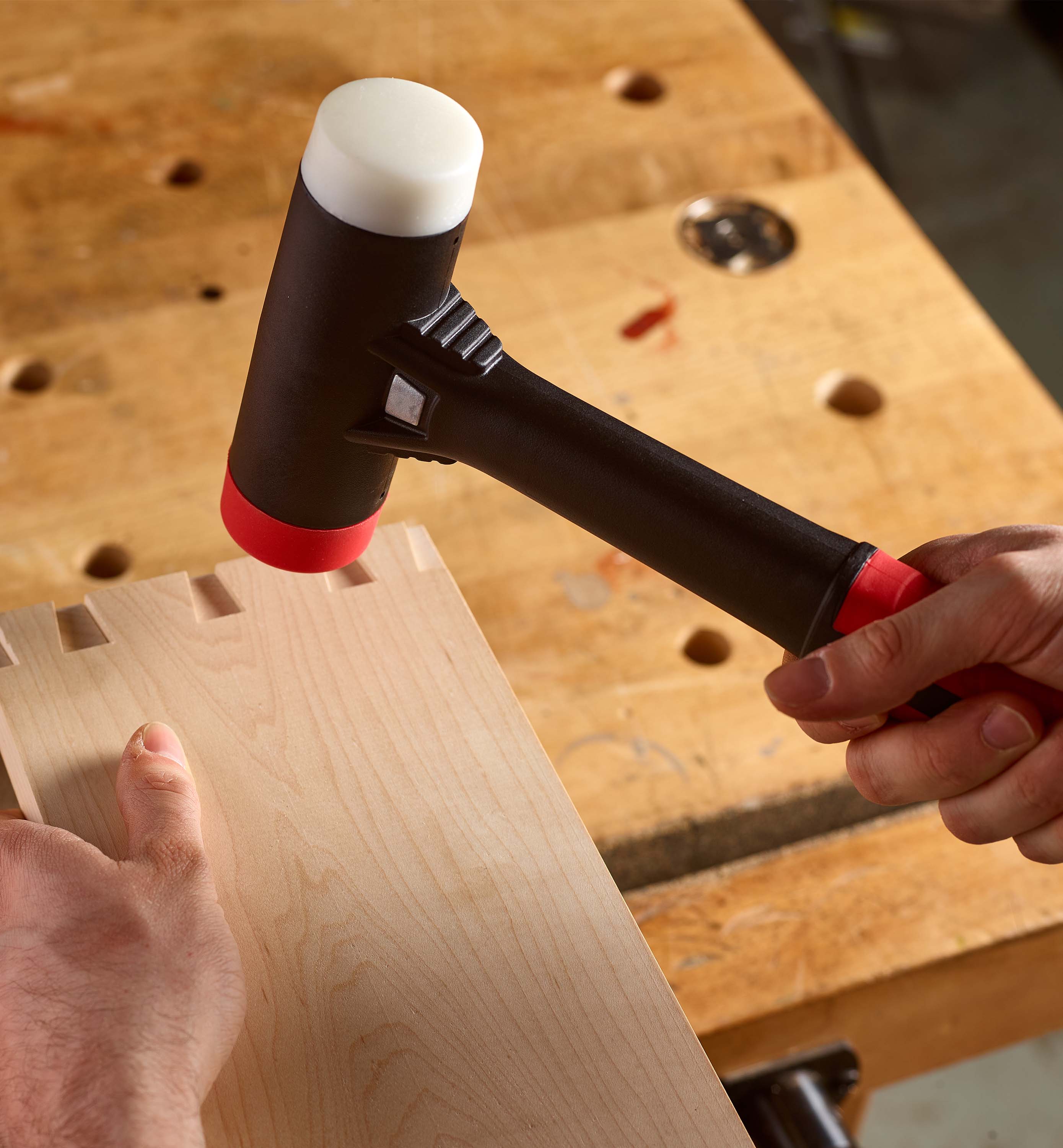
Rubber mallets feature a rubber head that is gentle on surfaces. They are ideal for assembling furniture or tapping wood pieces without leaving marks. The soft head reduces shock.
- Soft rubber heads prevent damage
- Used for delicate woodworking tasks
- Good for fitting joints
- Available in different weights
Rawhide Mallets
Rawhide mallets have heads wrapped with rawhide. They provide a firm but non-marring strike. These mallets are useful for fine woodworking and leatherwork. The rawhide surface lasts long and is gentle on tools.
Plastic Mallets
Plastic mallets use a hard plastic head. They offer durability and resist wear. These mallets deliver a strong blow without splintering. Plastic mallets work well for heavy assembly and outdoor woodworking.
| Type | Head Material | Best Use |
| Wooden Mallet | Wood | Chiseling and shaping wood |
| Rubber Mallet | Rubber | Fitting joints and delicate taps |
| Rawhide Mallet | Rawhide wrapped | Fine woodworking and leatherwork |
| Plastic Mallet | Plastic | Heavy assembly and outdoor use |

Credit: www.reddit.com
Key Features To Consider
Choosing the right mallet for woodworking can improve your work quality. Certain features make a mallet easier and safer to use.
Focus on key aspects like material, weight, handle, and durability. These affect the tool’s performance and lifespan.
Material Quality
Good mallets are made from strong, dense wood or durable synthetic materials. The head should resist dents and chips to last longer.
Check for smooth finishes and no cracks. This ensures safety and comfort during use.
Weight And Balance
The mallet’s weight affects control and power. A well-balanced mallet reduces hand strain and improves accuracy.
- Heavier heads deliver stronger strikes
- Light mallets allow for faster work
- Balance between head and handle aids steady swings
Handle Design
Handles should fit comfortably in your hand. Look for smooth surfaces that prevent blisters and offer a firm grip.
| Handle Type | Benefit |
|---|---|
| Wooden | Traditional feel and natural grip |
| Rubber-coated | Extra slip resistance |
| Ergonomic shape | Reduces hand fatigue |
Durability Factors
Durability depends on material quality and construction. Check for solid joints and reinforced heads.
Tips for durability:
- Avoid mallets with loose parts
- Store in dry places to prevent warping
- Regularly inspect for cracks or wear
Top Picks For Precision
Choosing the right mallet is key for woodworking. It helps you work with control and care.
Some mallets suit fine details better than others. Here are top picks for precise work.
Best Wooden Mallet For Fine Joinery
Wooden mallets offer a solid feel and control. They are great for shaping and fitting joints.
These mallets have a smooth head that won’t damage wood edges. They give soft but firm taps.
- Usually made from hardwood like maple or beech
- Balanced weight for accurate strikes
- Good for chiseling and assembling joints
Best Rubber Mallet For Delicate Work
Rubber mallets are gentle on surfaces. They prevent dents and marks on soft wood.
Use them for tapping pieces into place without breaking or scratching. The rubber head absorbs shock well.
- Soft rubber head protects delicate materials
- Lightweight and easy to handle
- Ideal for veneer and thin wood sheets
Best Rawhide Mallet For Detail Tasks
Rawhide mallets have a firm yet flexible head. They give precise control for fine detail work.
These mallets are good for adjusting joints or carving. The rawhide surface reduces damage risks.
- Head wrapped in tightly packed rawhide
- Absorbs impact and spreads force evenly
- Commonly used in carving and delicate assembly
Top Picks For Durability
Choosing the right mallet is key for woodworking projects. Durable mallets last longer and protect your tools.
This guide covers heavy-duty wooden mallets, long-lasting plastic mallets, and impact-resistant mallets.
Heavy-duty Wooden Mallets
Wooden mallets offer a traditional feel and good control. They work well for shaping wood and chiseling.
Hardwoods like hickory or maple make these mallets tough and long-lasting. They resist dents and cracks.
- Made from solid hardwood
- Heavy head for strong impact
- Comfortable wooden handle
- Good for fine woodworking tasks
Long-lasting Plastic Mallets
Plastic mallets resist wear and tear better than wood. They handle moisture well and do not rot.
These mallets are lighter but still durable. They work well for general carpentry and assembly work.
- Made from tough plastic materials
- Resists cracking and chipping
- Lightweight and easy to handle
- Suitable for various woodworking jobs
Impact-resistant Mallets
Impact-resistant mallets have heads made from rubber or composite materials. They absorb shock well.
These mallets protect delicate surfaces and reduce user fatigue. They are ideal for fine adjustments.
- Heads made of rubber or composites
- Soft impact for delicate work
- Durable and shock absorbing
- Good for precision woodworking
Maintenance Tips For Mallets
Taking care of your woodworking mallet helps it last longer. Regular maintenance keeps it safe and effective.
Simple steps like cleaning, storing, and checking the handle can protect your mallet from damage.
Cleaning And Storage
Clean your mallet after each use to remove dust and wood chips. Use a dry cloth or soft brush to wipe it down.
Store your mallet in a dry place away from moisture. Avoid leaving it in direct sunlight or damp areas.
- Wipe off dirt and resin after use
- Keep it in a toolbox or hang on a pegboard
- Use a cloth cover for extra protection
Handle Care
Check the mallet handle for cracks or splinters before each use. Smooth any rough spots with fine sandpaper.
Apply boiled linseed oil or wood conditioner to wooden handles. This prevents drying and keeps the wood strong.
- Inspect handle regularly for damage
- Smooth rough areas to avoid splinters
- Oil wooden handles once a month
When To Replace Your Mallet
Replace your mallet if the head cracks or splits. A damaged head can break during use and cause injury.
Change the mallet if the handle becomes loose or breaks. Loose handles reduce control and increase risk of accidents.
- Replace mallet head if cracked or chipped
- Do not use mallet with loose or broken handle
- Inspect mallet regularly for signs of wear
Credit: www.leevalley.com
Choosing The Right Mallet For Your Project
Picking the right mallet makes woodworking easier and safer. The right tool protects the wood and helps you work well.
Different mallets suit different woods and project sizes. Think about your wood type, project scale, and budget.
Matching Mallet To Wood Type
Soft woods need softer mallets to avoid dents. Hard woods need heavier mallets for good impact.
Wooden mallets work well on soft wood. Rubber or rawhide mallets suit delicate wood surfaces.
- Soft wood: wooden or rubber mallets
- Hard wood: hardwood or rawhide mallets
- Delicate surfaces: rawhide or plastic mallets
Considering Project Scale
Small projects need light mallets for control. Big projects need heavier mallets for power.
Choose mallet size based on the work. A small mallet avoids damage in fine work.
- Small projects: lightweight mallets (around 12-16 oz)
- Medium projects: medium weight mallets (16-24 oz)
- Large projects: heavy mallets (24 oz or more)
Budget Vs. Quality
Cheap mallets may wear out quickly. Quality mallets last longer and work better.
Balance price and quality. A good mallet is a smart investment for your tools.
- Low budget: basic wooden or rubber mallets
- Mid budget: hardwood or rawhide mallets
- High budget: premium hardwood with good finish

Credit: www.amazon.com
Frequently Asked Questions
What Type Of Wood Is Best For Woodworking Mallets?
Hardwoods like maple, beech, and oak are best for woodworking mallets. They offer durability and resist dents, ensuring long-lasting performance. These woods provide a good balance of weight and hardness, making them ideal for precise woodworking tasks without damaging tools.
How Do Wooden Mallets Protect Chisels?
Wooden mallets absorb impact better than metal hammers, reducing chisel damage. Their softer heads prevent chisel handles from splitting. This protection extends tool life and allows for controlled, accurate strikes during woodworking.
What Size Mallet Is Ideal For Woodworking?
A mallet weighing between 12 to 24 ounces suits most woodworking jobs. This size offers enough force without being too heavy or tiring. Choose a mallet size that feels comfortable and balanced in your hand for better control.
Can I Use A Rubber Mallet For Woodworking?
Rubber mallets are suitable for delicate woodworking tasks where surface damage must be avoided. They deliver softer blows and prevent marring. However, they lack the weight needed for heavy joinery, making wooden mallets preferable for those jobs.
Conclusion
Choosing the right mallet is crucial for woodworking success. Consider the material and weight for your projects. Wooden mallets offer a classic feel and control. Rubber mallets reduce surface damage, while steel heads provide power. Each type has its strengths.
Match them to your specific needs. Invest in quality for better results. A good mallet improves precision and efficiency. It helps you achieve smooth finishes and accurate cuts. Explore options, and find what fits your style. Happy woodworking!