
Are you ready to take your gardening skills to the next level? Pruning might seem tricky at first, but with the right techniques, you can help your plants grow stronger and healthier.
Imagine turning your garden into a vibrant, thriving space with just a few simple cuts. You’ll discover the best pruning methods designed especially for beginners like you. By the end, you’ll feel confident and excited to start shaping your plants for beautiful results.
Keep reading, and unlock the secret to a flourishing garden!
Why Pruning Matters
Pruning helps plants grow healthy and strong. It removes dead parts and lets light in.
Good pruning makes plants look nice. It can increase fruit and flower production too.
Improves Plant Health
Pruning removes dead or diseased branches. This stops problems from spreading to healthy parts.
It also lets air flow better. Good air flow helps prevent fungus and pests.
Encourages Growth
Cutting back branches helps plants grow new shoots. This makes plants bushier and fuller.
Pruning young plants shapes them. It guides how they grow for strong structure.
Increases Flowers And Fruit
Removing old growth helps plants focus energy on flowers and fruit. This can boost harvests.
Pruning at the right time improves bloom size and fruit quality.
Prevents Damage
Cutting weak or crowded branches stops them from breaking in wind or snow.
Proper pruning keeps plants safe and stable during storms.
Enhances Appearance
Pruning shapes plants to look neat and attractive. It removes uneven growth and dead wood.
Well-pruned plants add beauty to any garden or yard.
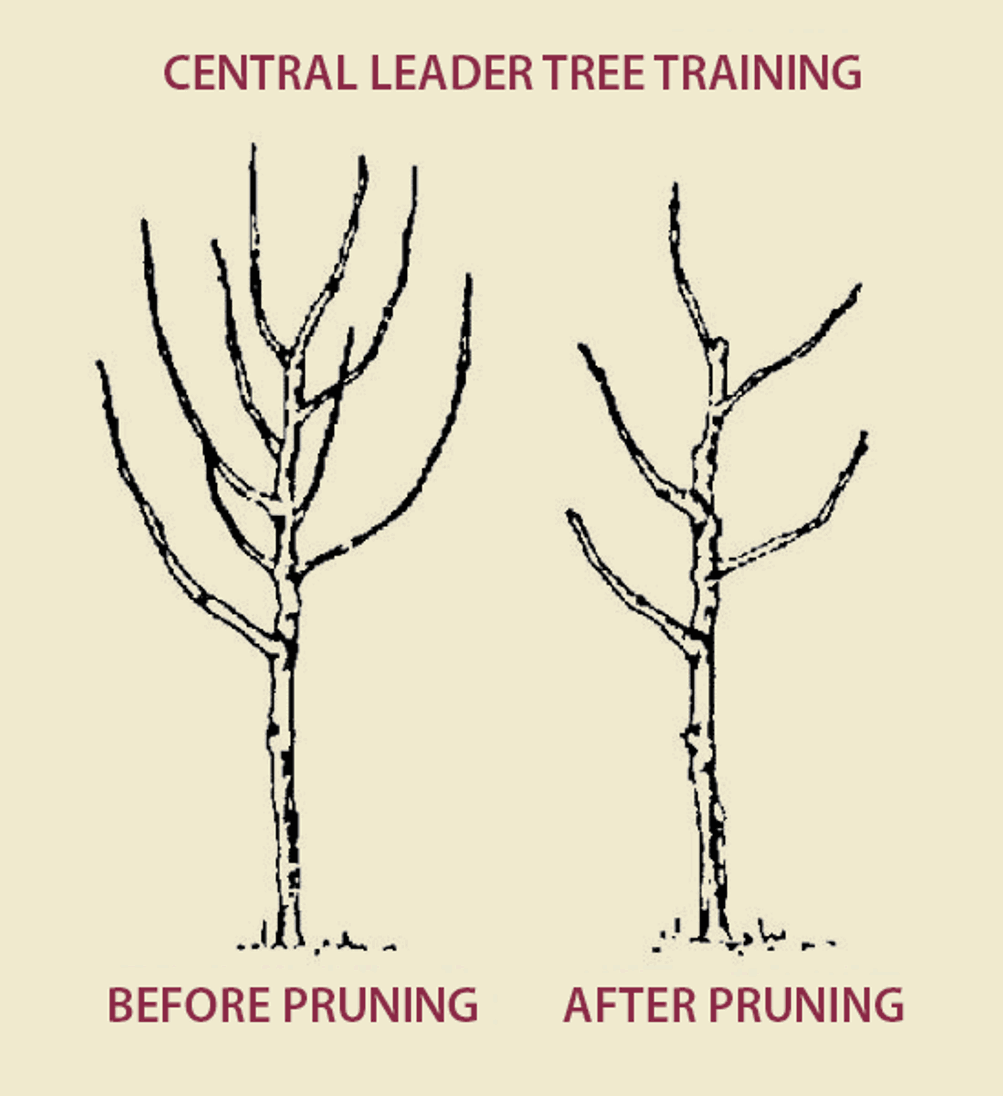
Credit: www.starkbros.com
Basic Tools You Need
Pruning plants helps keep them healthy and growing well. Using the right tools makes pruning easier and safer.
This guide covers the basic tools every beginner should have before starting to prune.
Pruning Shears
Pruning shears are small scissors made for cutting branches up to ¾ inch thick. They are easy to handle and perfect for shaping plants.
Loppers
Loppers have long handles and cut thicker branches up to 2 inches wide. They give more leverage and reduce hand strain.
Hand Saw
A hand saw is needed for branches that are too thick for shears or loppers. It can cut branches larger than 2 inches safely.
Gloves
Gloves protect your hands from thorns, splinters, and dirt while pruning. Choose gloves that fit well and are durable.
Tool Maintenance Items
Keeping your tools clean and sharp helps them last longer and work better. Basic maintenance items include oil and a sharpening stone.
- Lubricate moving parts with light oil
- Sharpen blades regularly for clean cuts
- Clean dirt and sap from tools after use
| Tool | Purpose | Branch Size |
| Pruning Shears | Cut small branches | Up to ¾ inch |
| Loppers | Cut medium branches | Up to 2 inches |
| Hand Saw | Cut large branches | Over 2 inches |
| Gloves | Protect hands | All sizes |
| Tool Maintenance | Keep tools sharp and clean | N/A |
When To Prune Plants
Pruning helps plants grow healthy and strong. Choosing the right time to prune is important.
Different plants need pruning at different times. Knowing when to prune saves your plants from harm.
Prune During Dormant Season
Many plants do best when pruned during their dormant season. This is usually late winter or early spring.
Pruning during dormancy helps avoid stress and reduces the chance of disease.
Prune After Flowering
Some plants bloom before summer. You should prune these right after they finish flowering.
- Remove dead or weak branches
- Shape the plant for better growth
- Encourage more flowers next season
Prune In Early Spring
Early spring pruning helps many shrubs and trees. It encourages new growth and strong branches.
| Plant Type | Best Pruning Time |
| Deciduous Trees | Early Spring |
| Flowering Shrubs | After Flowering |
| Evergreens | Late Winter |
Avoid Pruning In Late Summer Or Fall
Pruning late in the year can cause new growth that won’t harden before winter. This can hurt the plant.
Simple Pruning Methods
Pruning helps plants grow strong and healthy. It improves air flow and light inside the plant. Simple pruning methods are easy for beginners to learn and use.
Use the right pruning technique for each plant type. This guide covers pinching, thinning, and heading cuts. Each method shapes plants and encourages growth.
Pinching
Pinching is removing the soft tips of new growth. It stops the plant from growing too tall. This makes the plant bushier and stronger.
- Use your fingers to pinch off small shoots.
- Pinch just above a leaf node.
- Do this early in the growing season.
- Repeat as needed to keep shape.
Thinning
Thinning removes whole branches or stems at the base. It opens the plant’s center for better air and light. This reduces disease risk and helps fruit ripen.
| Benefit | Thinning Effect |
| Air circulation | Improves airflow inside plant |
| Light penetration | Lets sunlight reach inner leaves |
| Plant health | Reduces pests and diseases |
| Fruit quality | Encourages bigger, healthier fruit |
Heading Cuts
Heading cuts remove the end part of a branch. This stops growth at the cut point. It makes new shoots grow from below the cut.
To make a heading cut:
- Choose a branch that is too long or weak.
- Cut it back to just above a healthy bud or side shoot.
- Use clean, sharp tools for smooth cuts.
- Check for new growth after a few weeks.
Pruning Different Plant Types
Pruning helps plants grow well and stay healthy. It means cutting parts of the plant. This can improve flowers, fruit, and shape.
Different plants need different pruning methods. Knowing how to prune each type is important for good results.
Flowering Shrubs
Pruning flowering shrubs helps make more blooms and keeps the plant strong. Cut dead or weak branches first. Prune after the shrub blooms for best results.
- Remove old wood to encourage new growth
- Thin crowded branches to let light in
- Cut back any branches that cross or rub together
- Shape the shrub to keep it neat
Fruit Trees
Fruit trees need careful pruning to produce good fruit. Cut small branches to let air and light reach the fruit. Remove any suckers or water sprouts.
| Pruning Task | Purpose | When to Prune |
| Remove dead branches | Prevent disease | Anytime |
| Thin branches | Improve air flow | Late winter |
| Cut back long branches | Control size | Early spring |
| Remove suckers | Focus energy on fruit | Growing season |
Houseplants
Pruning houseplants keeps them healthy and looking good. Remove dead leaves and trim long stems. This helps the plant grow fuller.
Tips for pruning houseplants:
- Use clean scissors to avoid infection
- Cut just above a leaf node
- Do not remove more than one-third of the plant at once
- Check plants regularly for dead or yellow leaves

Credit: www.amazon.ca
Common Mistakes To Avoid
Pruning helps plants grow strong and healthy. Beginners often make mistakes that can harm plants.
Knowing what to avoid keeps your plants safe. This guide covers common pruning errors.
Cutting Too Much At Once
Removing too many branches can stress plants. It stops growth and makes plants weak.
Always prune a small amount. This lets the plant recover faster and stay healthy.
Pruning At The Wrong Time
Cutting during the wrong season can hurt plants. Some plants bleed sap or get diseases.
Learn the best time to prune each plant type. This helps plants heal well and grow back strong.
Using Dull Or Dirty Tools
Dull tools make uneven cuts that damage plants. Dirty tools can spread diseases to healthy parts.
Keep your tools sharp and clean. Use rubbing alcohol to disinfect them before pruning.
Ignoring Branch Angles
Cutting branches straight across can trap water. This causes rot and disease in the plant.
Make angled cuts to help water run off. This prevents damage and keeps plants healthy.
Leaving Large Stubs
Cutting too far from the main stem leaves stubs. These can die back and invite pests.
Cut close to the branch collar without cutting it. This helps the plant heal quickly.
Not Removing Dead Or Diseased Wood
Dead branches do not help plants grow. Diseased wood spreads problems to healthy parts.
Always remove dead or sick branches first. This keeps your plant strong and disease-free.
Aftercare For Pruned Plants
Pruning helps plants grow better and stay healthy. After pruning, plants need special care to heal well.
Good aftercare can prevent disease and promote strong new growth. Let’s look at key steps to care for pruned plants.
Watering Needs
Water pruned plants carefully. They need enough moisture to recover but not too much to cause rot.
- Water deeply after pruning
- Check soil moisture regularly
- Adjust watering based on weather
Protecting From Sun And Wind
Pruned plants may be more sensitive to sun and wind. Shield them to avoid stress and damage.
Use shade cloth or move pots to a protected spot if possible.
Feeding Your Plants
Fertilize pruned plants to support new growth. Use a balanced fertilizer with equal parts nitrogen, phosphorus, and potassium.
| Fertilizer Type | Purpose | Application |
| Balanced 10-10-10 | Supports overall growth | Apply 1 week after pruning |
| High Nitrogen | Encourages leaf growth | Use on leafy plants |
| Phosphorus-rich | Boosts root development | Best for new or young plants |
Cleaning Pruning Tools
Clean pruning tools after use to avoid spreading disease. Use rubbing alcohol or a bleach solution.
Here is a simple cleaning method:
- Wipe tools with a cloth soaked in rubbing alcohol.
- Let them air dry completely.
- Store tools in a dry place.
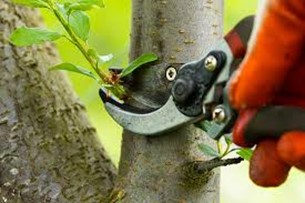
Credit: northshoregardeninglife.ca
Frequently Asked Questions
What Are The Basic Pruning Tools For Beginners?
For beginners, essential pruning tools include hand pruners, loppers, and pruning saws. Hand pruners are ideal for small branches, while loppers help with thicker ones. Pruning saws are best for larger branches. These tools provide precision and ease, ensuring effective pruning and healthy plant growth.
When Is The Best Time To Prune Plants?
The ideal time to prune most plants is during late winter or early spring. This period promotes healthy growth as plants are dormant. However, some flowering shrubs are best pruned after blooming. Always research specific plant needs to ensure optimal results and avoid damaging the plant.
How Often Should Beginners Prune Their Plants?
Prune plants annually or as needed to maintain shape and health. Regular pruning encourages growth and prevents disease. Frequency depends on the plant type and growth rate. Beginners should monitor their plants and remove dead or diseased branches promptly. This ensures vibrant and thriving plants.
What Are Common Mistakes In Pruning?
Common pruning mistakes include over-pruning, incorrect timing, and using dull tools. Over-pruning stresses plants, while poor timing can hinder growth. Dull tools damage branches and invite disease. Beginners should learn proper techniques and maintain sharp tools for effective pruning. This prevents plant stress and promotes healthy growth.
Conclusion
Pruning helps plants grow healthy and strong. Start with simple cuts and watch your garden thrive. Use the right tools and clean your blades often. Pay attention to the plant’s shape and remove dead or weak branches. Practice makes pruning easier and more effective.
Enjoy the process and see your plants improve over time. Keep learning and caring for your garden every season. Your plants will thank you with beautiful blooms and fresh growth.
