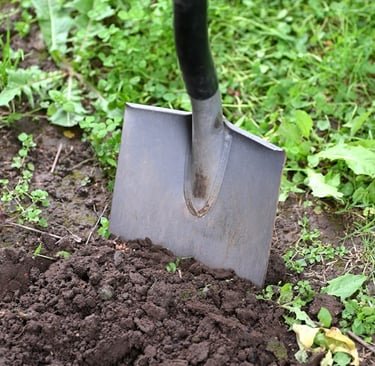
If you want your garden to flourish, mastering the best techniques for using a garden hoe is a game changer. This simple tool can save you time, reduce effort, and make your soil healthier.
But are you using it the right way? You’ll discover easy tips that can transform your gardening routine. Keep reading to unlock the secrets that will make your garden thrive like never before. Your plants will thank you!
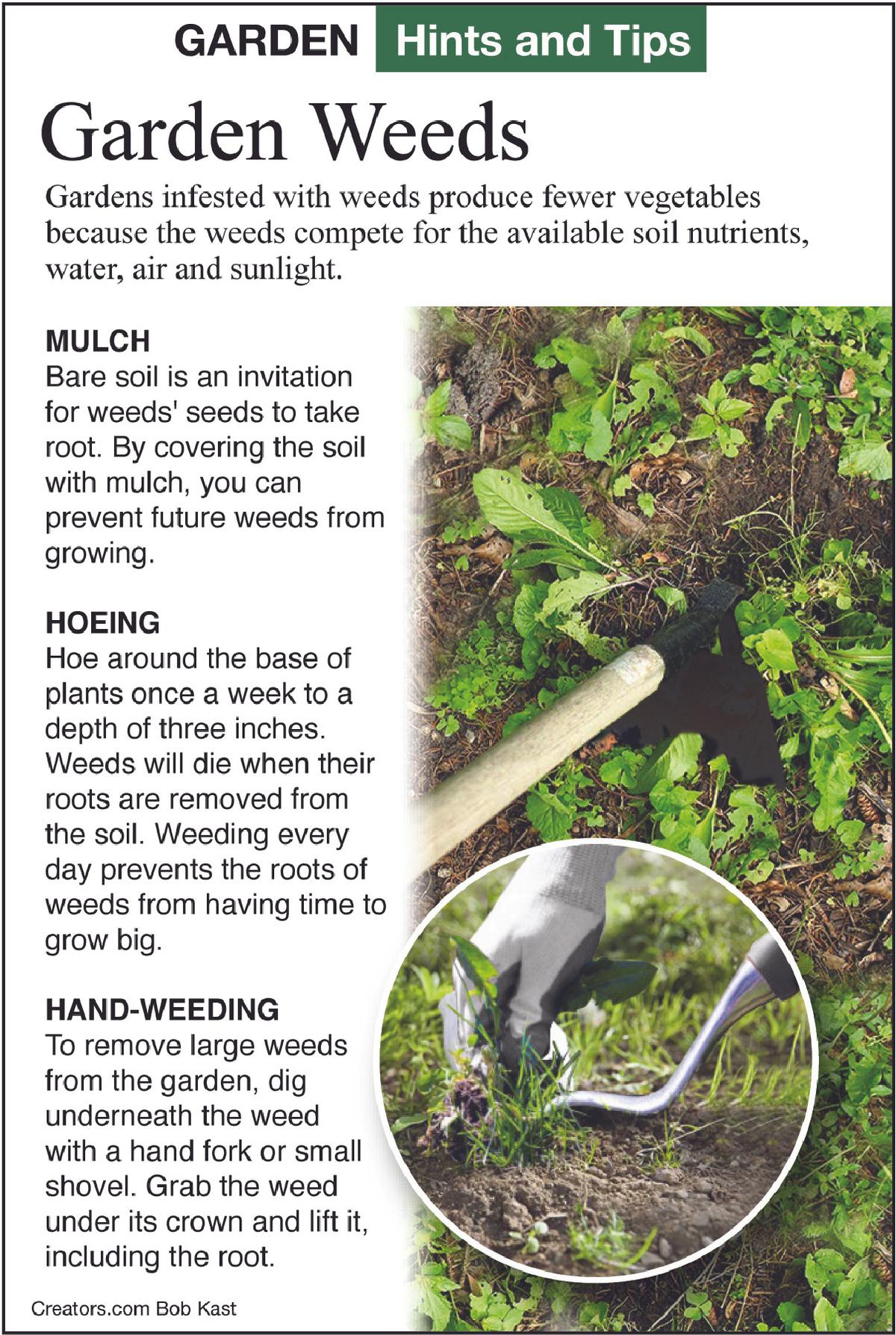
Credit: www.theepochtimes.com
Choosing The Right Hoe
Using a garden hoe helps keep your garden neat and healthy. Picking the right hoe makes your work easier and faster.
Different hoes suit different tasks. Knowing about them helps you choose the best one for your garden.
Types Of Garden Hoes
Garden hoes come in many shapes and sizes. Each type has a special use that fits certain gardening jobs.
- Draw Hoe: Has a flat blade for digging and chopping soil.
- Stirrup Hoe: Features a loop blade that cuts weeds just below the soil.
- Warren Hoe: Has a pointed blade for breaking hard ground.
- Collinear Hoe: Thin blade for slicing weeds in tight spaces.
- Wheel Hoe: A small wheel with blades for large garden rows.
Materials And Durability
Hoеs are made from different materials. Strong materials last longer and work better.
Steel blades resist rust and stay sharp. Wooden handles feel comfortable but need care. Fiberglass handles are light and strong.
- Steel blades: Durable and sharp for hard soil
- Wood handles: Comfortable grip but may crack
- Fiberglass handles: Lightweight and strong
- Aluminum parts: Rust-resistant but less strong
Selecting Based On Garden Needs
Think about your garden size and soil type before picking a hoe. Choose tools that fit your garden tasks.
Small gardens need light hoes for easy use. Hard soil needs strong blades. Large gardens benefit from hoes with wheels for speed.
- For small gardens: Choose lightweight hoes for comfort
- For tough soil: Pick hoes with strong, sharp blades
- For weeding: Use hoes with narrow blades
- For big gardens: Consider wheel hoes to cover more ground

Credit: www.reddit.com
Preparing Your Garden
Using a garden hoe correctly starts with good preparation. Preparing your garden well helps plants grow strong and healthy.
This guide covers key steps for garden preparation. Follow these to get your soil and space ready for planting.
Clearing Debris
Remove leaves, sticks, and rocks from your garden area. This clears the way for planting and helps the soil breathe.
- Pick up large debris by hand
- Use a rake to gather smaller materials
- Dispose of weeds to prevent regrowth
- Check for any trash or unwanted objects
Soil Assessment
Check your soil to understand its condition. Healthy soil supports plant roots and holds moisture well.
| Test | What to Check | Why It Matters |
| Texture | Sandy, Clay, Loam | Affects water and air flow |
| pH Level | Acidic, Neutral, Alkaline | Determines nutrient availability |
| Moisture | Dry, Moist, Wet | Impacts plant growth |
Marking Planting Areas
Plan where each plant will grow by marking the spots. This helps organize your garden and makes planting easier.
Use these tools for marking:
- String or twine stretched between stakes
- Wooden or metal stakes to outline rows
- Garden spray paint for clear visual guides
Basic Hoeing Techniques
A garden hoe is a simple tool that helps keep soil healthy and plants strong. Using it right saves time and effort.
Good hoeing clears weeds and breaks soil without hurting your plants. Learn how to hold and move the hoe well.
Proper Grip And Stance
Hold the hoe with both hands, one near the top and the other in the middle. Keep your arms relaxed but firm.
Stand with feet shoulder-width apart. Keep your back straight and bend slightly at the knees. This stance helps you work longer without pain.
- Grip the handle firmly but not too tight
- Keep your body balanced
- Use your legs and arms together to move the hoe
Using The Hoe For Weeding
Move the hoe just below the soil surface to cut weed roots. Use short, chopping motions to avoid digging too deep.
Hoe weeds when the soil is dry. This makes it easier to remove weeds and reduces soil clumping.
- Hold the hoe at a low angle
- Chop weeds close to the ground
- Work in small sections for better control
Breaking Up Soil Clumps
Use the hoe to break large soil clumps into smaller pieces. This improves water flow and root growth.
Push the hoe blade into the clumps and pull back gently. Repeat until soil feels loose and crumbly.
- Work in rows or small patches
- Be gentle to protect nearby plants
- Remove stones and debris while hoeing
Advanced Hoeing Methods
Using a garden hoe well can save time and keep plants healthy. Advanced techniques help shape your garden better.
These methods improve soil and make planting easier. Learn how to shape beds, create furrows, and hoe in tight areas.
Shaping Garden Beds
Shaping beds makes planting neat and organized. Use the hoe to form smooth edges and raised beds for good drainage.
- Clear weeds and debris first
- Push soil to build raised edges
- Use the flat side of the hoe to smooth the surface
- Shape beds to match your garden layout
Creating Furrows For Seeds
Furrows help plant seeds in straight rows. They keep seeds at the right depth for good growth.
| Hoe Angle | Depth | Purpose |
| 45 degrees | 1 inch | Shallow furrows for small seeds |
| 60 degrees | 2 inches | Deeper furrows for larger seeds |
| 90 degrees | Varies | Breaking hard soil before planting |
Hoeing In Tight Spaces
Small spaces need careful hoeing to avoid damage. Use a short-handled hoe for control.
Tips for tight spaces:
- Use gentle, short strokes
- Hold the hoe close to the blade
- Clear small weeds by tapping, not digging
- Work slowly to protect nearby plants
Maintaining Your Hoe
Taking care of your garden hoe helps it last longer and work better. Regular maintenance keeps the blade sharp and the handle strong.
Simple steps like cleaning, sharpening, and storing properly make a big difference. These habits save you time and effort in the garden.
Cleaning After Use
Clean your hoe right after using it. Dirt and plant sap can cause rust and damage if left on the blade.
Use water and a brush to remove soil. Dry the hoe completely before storing to stop rust from forming.
- Remove dirt with a stiff brush
- Wash with water if needed
- Dry the blade and handle well
- Check for any stuck debris
Sharpening The Blade
A sharp blade cuts through soil easily. It makes gardening faster and less tiring.
Use a metal file or sharpening stone to sharpen the hoe blade. Hold the tool steady and file at a consistent angle.
- Wear gloves for protection
- File in one direction only
- Keep the original blade angle
- Check sharpness by feeling the edge carefully
Storing Safely
Store your hoe in a dry place to avoid rust and damage. Keep it off the ground and away from moisture.
Hang the hoe on a wall or place it in a tool rack. This keeps the blade safe and prevents accidents.
- Find a dry, ventilated spot
- Hang the hoe by its handle
- Keep it away from children and pets
- Check the tool regularly for rust or damage
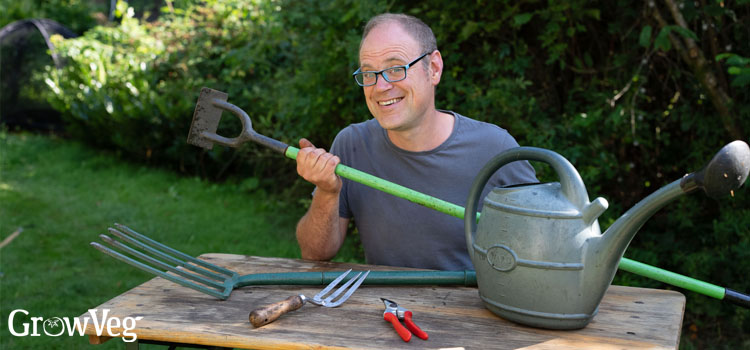
Credit: www.growveg.com
Common Mistakes To Avoid
Using a garden hoe is a simple task that helps keep your garden healthy. Avoiding common mistakes makes your work easier and more effective.
Here are key mistakes to watch out for when using a garden hoe. Fixing these will protect your plants and save your time.
Overworking The Soil
Digging or hoeing the soil too much can harm its structure. Overworking destroys soil layers and kills helpful microbes.
- Stop hoeing once the soil is loose and crumbly.
- Avoid hoeing wet soil to prevent compaction.
- Let the soil rest between hoeing sessions.
Ignoring Safety Tips
Not using proper safety measures can cause injuries. Always use the right tools and protect your body.
- Wear gloves to avoid blisters and cuts.
- Use sturdy shoes to protect your feet.
- Keep a firm grip on the hoe handle.
- Be aware of your surroundings to avoid hitting people or objects.
Using The Wrong Hoe Type
Choosing the wrong hoe wastes effort and can damage plants. Different hoes suit different tasks in the garden.
| Hoe Type | Best Use | Mistake to Avoid |
|---|---|---|
| Draw Hoe | Breaking up soil | Using for delicate weeding |
| Dutch Hoe | Weeding shallow roots | Digging deep soil |
| Collinear Hoe | Cutting weeds just below soil | Hoeing rocky soil |
Maximizing Efficiency
Using a garden hoe correctly saves time and effort. It helps keep your garden healthy and neat.
Knowing the best ways to use a hoe improves your work. This guide covers key techniques for better results.
Timing Your Hoeing Sessions
Hoe your garden when the soil is dry or slightly moist. Wet soil can clump and stick to the hoe.
Choose early morning or late afternoon to avoid heat. This keeps you comfortable and plants safe.
- Hoe before weeds grow tall
- Check weather; avoid hoeing before rain
- Hoe regularly for best weed control
Combining Hoeing With Other Tools
Use a hoe together with a rake or hand trowel to improve garden care. Each tool helps in different ways.
Hoe to loosen soil, then rake to smooth it. Use a trowel for planting or removing deep roots.
- Hoe to break up soil surface
- Rake to clear debris and level ground
- Trowel for detailed planting work
Adapting Techniques For Different Plants
Use gentle hoeing near delicate plants to avoid damage. Hard hoeing suits tough weeds and open soil.
Adjust hoe depth and angle based on plant type. Shallow hoeing works well around seedlings and roots.
- Shallow hoeing near young plants
- Deeper hoeing for weed removal in open areas
- Use narrow hoe blades for tight spaces
Frequently Asked Questions
What Are The Benefits Of Using A Garden Hoe?
Using a garden hoe helps maintain soil health by aerating and loosening it. It effectively removes weeds, reducing competition for nutrients. A hoe also ensures efficient water absorption and improves root growth, promoting healthier plants. Regular hoeing can lead to a more productive and visually appealing garden.
How Do You Use A Garden Hoe Effectively?
To use a garden hoe effectively, hold it with a firm grip. Stand with your feet shoulder-width apart for balance. Use short, chopping motions to break up soil or remove weeds. Keep the blade sharp for best results. Regularly clean your hoe to maintain efficiency.
What Types Of Garden Hoes Are Available?
Garden hoes come in various types, including draw hoes, scuffle hoes, and stirrup hoes. Each has a specific function, like breaking soil or cutting weeds. Choose the right hoe based on your gardening needs. Understanding each type will help you select the best tool for your garden tasks.
How Often Should You Hoe Your Garden?
Hoe your garden at least once a week to keep weeds at bay. Regular hoeing maintains soil health and ensures better plant growth. The frequency might increase during the growing season. Consistent maintenance prevents weeds from establishing and makes gardening tasks more manageable.
Conclusion
A garden hoe helps keep your soil healthy and neat. Use steady, even strokes for best results. Regular hoeing stops weeds from growing too fast. Keep your tool clean to last longer. Practice often, and you will get better with time.
A good hoe technique saves energy and makes gardening fun. Start small, stay patient, and enjoy your garden’s progress. Simple steps lead to healthy plants and a tidy yard. Your garden will thank you for the care you give.