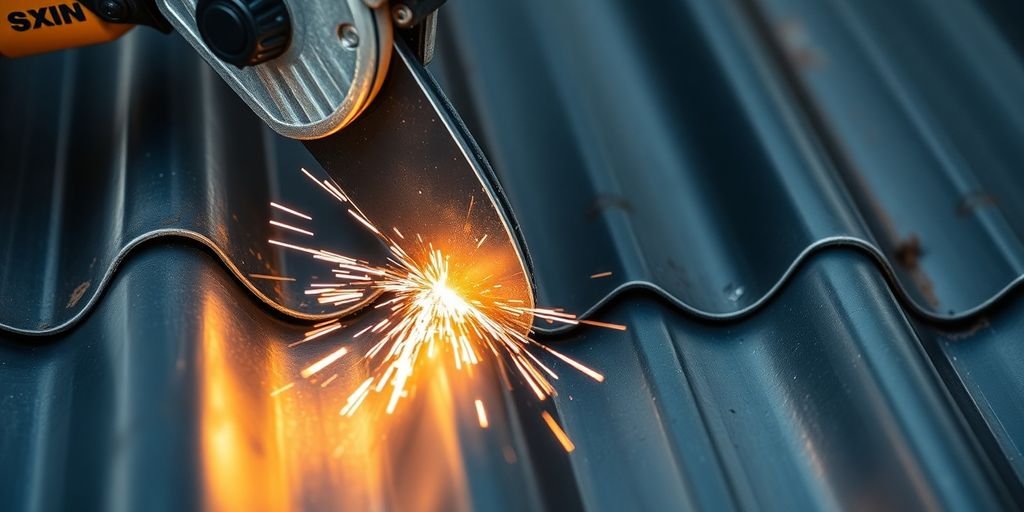
Looking to cut metal at home but not sure where to start? You’re in the right place.
Cutting metal might seem tricky or even dangerous, but with the right tools and simple techniques, you can do it safely and accurately. Whether you’re working on a DIY project, fixing something around the house, or creating something new, knowing the best way to cut metal will save you time, money, and frustration.
Keep reading, and you’ll discover easy-to-follow tips that anyone can master—even if you’ve never done it before. Your next metal-cutting task is about to get a whole lot easier.
Choosing The Right Tools
Cutting metal at home needs the right tools to work well and stay safe. Picking the correct tools helps make clean cuts and saves time.
Different tools suit different types of metal and thicknesses. Knowing which tools to use makes the job easier and safer.
Handheld Vs. Power Tools
Handheld tools are simple and easy to control. They work well for small or thin metal pieces. Power tools cut faster and handle thick metal better.
Handheld tools need more effort but give precise cuts. Power tools use electricity or batteries. They save time but need careful handling.
- Handheld tools:Tin snips, hacksaws, metal files
- Power tools:Angle grinders, jigsaws with metal blades, circular saws
Essential Cutting Tools For Metal
Some tools are must-haves for cutting metal at home. Choose tools that fit your metal type and thickness. Sharp blades make clean cuts and reduce effort.
Basic cutting tools include snips for thin sheets and grinders for thick metal. A metal cutting blade helps with straight and curved cuts.
- Tin snips for thin metal sheets
- Hacksaws for small pipes and rods
- Angle grinders for thick or hard metal
- Metal cutting blades for jigsaws and circular saws
- Clamps to hold metal steady
Safety Gear Essentials
Safety gear protects your body from metal shards and sparks. Always wear the right equipment to avoid injuries while cutting metal.
Use eye protection, gloves, and ear protection. Proper clothing also helps prevent burns and cuts during the work.
- Safety goggles or glasses
- Heavy-duty gloves
- Ear protection like earplugs or earmuffs
- Long sleeves and pants made of sturdy material
- Dust mask to avoid inhaling metal dust
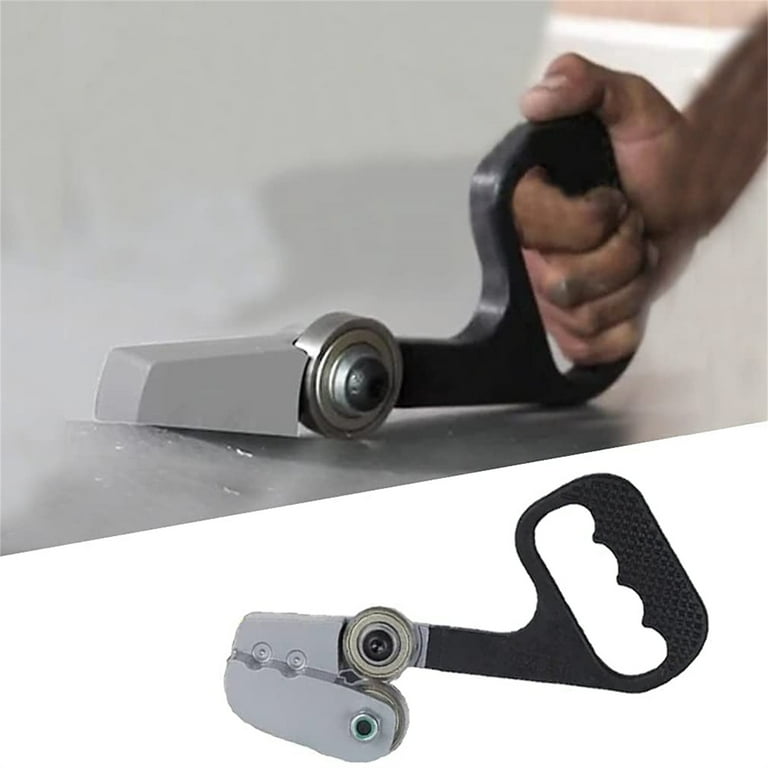
Credit: www.walmart.com
Preparing Metal For Cutting
Cutting metal at home needs careful preparation. Proper steps help you make clean and safe cuts.
Preparing metal well saves time and keeps your work accurate. Follow these key steps before cutting.
Marking Accurate Cut Lines
Clear and precise cut lines guide your tool. Mark your metal with a fine tip marker or pencil.
Use a ruler or straight edge to draw straight lines. Double-check measurements before marking.
- Clean the metal surface first for better marks
- Use permanent markers for dark metals
- Try soapstone for high heat cutting
- Measure twice, mark once to avoid mistakes
Securing Metal Pieces
Hold metal firmly to prevent movement during cutting. Use clamps or a vice to secure pieces.
Stable metal helps you cut safely and precisely. Avoid holding metal by hand while cutting.
- Use strong clamps suited for metal thickness
- Place clamps near the cutting line, but not in the way
- Check that metal is steady before you start cutting
- Work on a flat, solid surface for best results
Cleaning And Inspecting Metal
Clean metal to remove dirt, rust, or oil. Dirty metal can cause poor cuts or tool damage.
Inspect metal for cracks or weak spots. Fix or avoid damaged areas before cutting.
- Use a wire brush or sandpaper to clean metal
- Wipe metal with a cloth and mild cleaner
- Look closely for bends or holes
- Replace metal that is too damaged to cut safely
Cutting Techniques For Different Metals
Cutting metal at home requires the right tools and methods. Different metals need different cutting techniques to work well.
Using the correct approach helps you cut metal safely and get clean edges. Learn how to handle aluminum, steel, and various thicknesses.
Cutting Aluminum And Soft Metals
Aluminum and other soft metals are easier to cut than hard metals. You can use tools like tin snips, hacksaws, or a rotary tool with a metal cutting disc.
Use gentle pressure to avoid bending or warping the metal. Keep your cutting line steady for a smooth edge.
- Use sharp blades to reduce rough edges
- Clamp the metal to keep it still
- Wear gloves to protect your hands
Handling Steel And Hard Metals
Steel and hard metals need stronger tools for cutting. An angle grinder with a cutting wheel or a plasma cutter works well for these metals.
Cut slowly and carefully to avoid overheating the metal. Overheating can cause damage or warping.
- Use eye protection to guard against sparks
- Keep the cutting tool cool by pausing often
- Mark your cut lines clearly before starting
Working With Thin Vs. Thick Metal Sheets
Thin metal sheets cut more easily but can bend or warp if not handled carefully. Use light pressure and sharp tools.
Thick metal sheets need more power and stronger tools. Use tools like a metal saw or plasma cutter for thick sheets.
| Metal Thickness | Recommended Tools | Cutting Tips |
|---|---|---|
| Thin Sheets (under 1/8 inch) | Tin snips, rotary tool, hacksaw | Use gentle pressure and support metal well |
| Thick Sheets (over 1/8 inch) | Angle grinder, metal saw, plasma cutter | Cut slowly, cool tools often, clamp metal |

Credit: www.youtube.com
Step-by-step Cutting Process
Cutting metal at home can be safe and easy with the right steps. You need good tools and a clear plan.
This guide shows you how to set up your workspace and make straight or curved cuts on metal.
Setting Up Your Workspace
Start by choosing a clean, well-lit area for your metal cutting. Make sure the space is free of clutter.
Wear safety gear like gloves, goggles, and a mask. Keep a fire extinguisher nearby for safety.
- Work on a sturdy, flat surface
- Use clamps to hold metal steady
- Keep tools organized and reachable
- Ensure good ventilation in the area
Executing Straight Cuts
Mark your cutting line clearly on the metal with a ruler and marker. Use tape for a cleaner edge.
Choose the right saw or cutter for straight cuts, like a hacksaw or metal-cutting circular saw.
- Secure the metal with clamps
- Follow the marked line slowly
- Keep the saw steady and straight
- Wear ear protection for loud tools
Making Curved And Detailed Cuts
For curves, draw your shape clearly on the metal. Use a jigsaw or metal snips for detailed cuts.
Cut slowly and carefully, moving the tool to follow the curves. Take breaks if needed to stay precise.
- Use fine blades for detailed work
- Hold the metal firmly but gently
- Go slow to avoid mistakes
- File edges after cutting for smoothness
Finishing And Safety Tips
Cutting metal at home can be tricky without the right finishing and safety steps. Good finishing makes your project look neat and protects you from sharp edges.
Safety is very important when cutting metal. Using the right tools and wearing protection helps prevent accidents and injuries.
Smoothing Edges And Burrs
After cutting metal, edges often have sharp burrs. These can cause cuts or catch on clothes. Smoothing the edges makes your work safer and cleaner.
Use a metal file or sandpaper to remove burrs. Move the tool in one direction to avoid rough spots. Take your time for a smooth finish.
- Wear gloves to protect your hands while filing
- Check edges by lightly running your finger along them
- Use finer grit sandpaper for a smooth final touch
Proper Tool Maintenance
Keeping your tools sharp and clean helps you cut metal safely and easily. Dull tools can slip and cause accidents.
Regularly check your tools for damage. Clean blades and remove metal dust after each use. Store tools in a dry place to avoid rust.
- Sharpen blades using a sharpening stone or file
- Lubricate moving parts to keep tools working well
- Replace worn out or broken parts immediately
Preventing Common Mistakes
Many beginners make simple mistakes when cutting metal. Avoid these to get better results and stay safe.
Always measure twice before cutting. Keep your hands clear of the cutting path. Use clamps to hold metal steady.
- Do not rush the cutting process
- Wear safety glasses and gloves at all times
- Check the tool’s speed and settings before starting
- Make sure your workspace is clean and well-lit

Credit: www.youtube.com
Frequently Asked Questions
What Is The Safest Way To Cut Metal At Home?
Using a metal cutting saw with proper safety gear is safest. Always wear gloves, goggles, and a mask to protect from sparks and debris.
Can I Use A Hacksaw For Cutting Metal?
Yes, a hacksaw works well for thin metal sheets and small projects. It’s affordable and easy but requires manual effort.
Which Tools Cut Metal Quickly And Efficiently?
Angle grinders and metal cutting saws cut metal fast and clean. They are ideal for thicker metal and larger tasks.
How Do I Prevent Metal From Bending While Cutting?
Secure metal firmly using clamps or a vice. Cut slowly and steadily to avoid bending or warping the metal.
Conclusion
Cutting metal at home is easier than you think. Choose the right tool for your project. Always wear safety gear to protect yourself. Take your time and measure twice before cutting. Practice on scrap metal to gain confidence. Keep your workspace clean and organized.
With patience and care, you can get great results. Metal cutting can be safe and simple at home. Try these tips and enjoy your DIY projects.