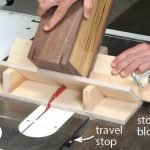
Are you ready to take your woodworking skills to the next level? Cutting dados can transform your projects, making joints stronger and designs cleaner.
But if you’re unsure about the best way to cut dados, you might waste time, materials, or end up with a weak joint. You’ll discover simple, effective techniques that fit your tools and skill level. Whether you’re a beginner or looking to improve your craft, these tips will help you cut perfect dados every time.
Keep reading to unlock the secrets that will make your woodworking easier and more precise.
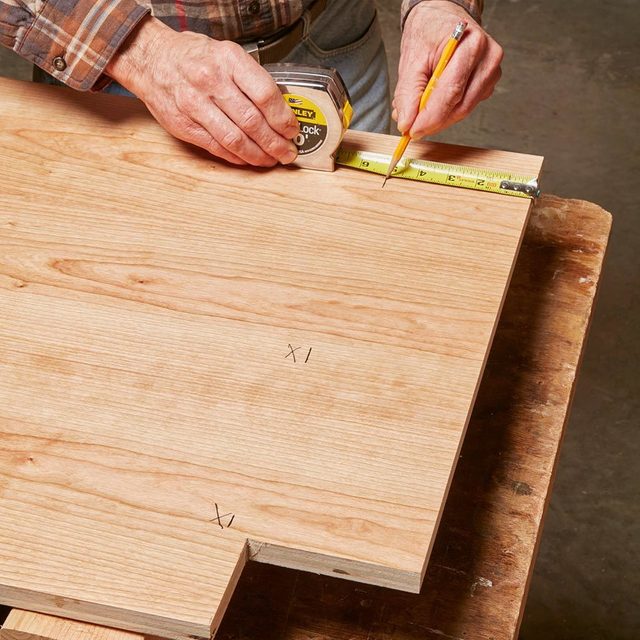
Credit: www.familyhandyman.com
Choosing The Right Tools
Cutting dados needs the right tools for clean and strong joints. Picking the correct tool saves time and effort.
Different tools work best for different types of dado cuts. Learn which tools fit your project needs.
Router Vs Table Saw
Routers and table saws are common tools for cutting dados. Each tool has its benefits and limits.
Routers offer precise control and clean edges. Table saws are faster for wider dados.
- Router: Great for detailed and shallow dados
- Table Saw: Best for deep or wide dados
- Router: Requires guide or jig for straight cuts
- Table Saw: Uses dado blade sets for width adjustments
Selecting Router Bits
Router bits come in many shapes and sizes. Choose the right bit for the dado style and wood type.
Straight bits are common for dados. Rabbeting bits add clean edges and grooves.
- Straight Bits: Cut flat-bottom dados
- Rabbeting Bits: Create edge grooves
- Spiral Bits: Reduce tear-out on hardwoods
- Flush Trim Bits: Perfect for clean edges
Blade Types For Table Saws
Table saw blades affect the quality of dado cuts. Choose blades made for clean and smooth cuts.
Dado blade sets have multiple blades and chippers. They let you change the width of the cut easily.
- Stacked Dado Sets: Allow adjustable cut widths
- Chipper Blades: Remove waste material between blades
- Combination Blades: Good for crosscuts and rip cuts
- Flat-top Chippers: Create flat bottom dados
Preparing Your Workspace
Cutting dados requires a clean and organized workspace. A tidy area helps you work safely and precisely.
Before you start, set up your tools and materials so you can work efficiently without distractions.
Setting Up Safety Gear
Always wear safety gear before cutting dados. It protects you from dust and sharp tools.
Use goggles to protect your eyes, earplugs for noise, and a dust mask for breathing safety.
- Wear safety goggles to shield your eyes
- Use ear protection to reduce loud noises
- Put on a dust mask to avoid breathing dust
- Wear gloves if handling rough wood
Clamping And Securing Wood
Secure the wood firmly before cutting dados. Clamping stops the wood from moving during cuts.
Use clamps that fit your workbench and can hold the wood tightly without damage.
- Choose clamps that fit the size of your wood
- Place clamps to hold wood steady
- Check that wood does not shift when pressed
- Use scrap wood under clamps to avoid marks
Measuring And Marking Accurately
Measure twice before cutting dados. Accurate marks guide your cuts and avoid mistakes.
Use a sharp pencil and a ruler or square to draw clear, straight lines on the wood.
- Measure the width and depth of the dado carefully
- Mark the start and end points clearly
- Use a square tool to draw straight lines
- Double-check measurements before cutting
Cutting Dados With A Router
Cutting dados with a router creates strong joints in woodworking. This method gives you clean and precise grooves for shelves, cabinets, and frames.
Using a router allows control over the depth and width of dados. It works well on different wood types and thicknesses.
Setting Depth And Width
Adjust the router bit to set the correct depth and width of the dado. Measure twice to avoid mistakes. The depth should match the thickness of the material to fit snugly.
- Use a depth gauge or ruler to set the router bit depth.
- Choose a straight or dado bit with the right width.
- Test the settings on a scrap piece of wood first.
- Adjust slowly to achieve the perfect fit.
Using A Straightedge Guide
A straightedge guide helps keep the router on track. It ensures that the dado lines are straight and even. Clamp the guide firmly to your workpiece before routing.
| Type of Guide | Use |
| Metal Straightedge | Provides a firm edge to follow |
| Wooden Batten | Easy to clamp and adjust |
| Router Fence | Built-in guide on some routers |
Multiple Passes Technique
Make several shallow cuts instead of one deep cut. This method keeps the router stable and prevents tear-out. It also improves accuracy.
- Set the router bit to a shallow depth for the first pass.
- Complete the cut along the dado line.
- Increase the depth slightly for each next pass.
- Repeat until you reach the final depth.
- Clean up any rough edges with sandpaper.
Cutting Dados With A Table Saw
Cutting dados on a table saw helps create grooves for shelves or joints. This method is precise and works well for many woodworking projects.
Using the right setup and safety steps ensures clean cuts and protects you during work. Learn how to adjust the blade, use a dado stack, and feed wood safely.
Adjusting Blade Height
Set the blade height to match the depth of the dado you want to cut. Too high or too low can cause rough cuts or damage your wood.
Use a ruler or a blade height gauge to measure carefully. The blade should cut just deep enough to make a clean groove.
Using A Dado Stack
A dado stack lets you cut wider grooves in one pass. It uses multiple blades and chippers stacked together.
- Choose the right size stack for the groove width needed.
- Install the dado stack carefully on the arbor.
- Check that all parts are tight and secure.
- Test the cut on scrap wood before working on your project.
Feeding Wood Safely
Keep your hands away from the blade when feeding wood through the saw. Use push sticks or push blocks to guide the wood safely.
| Safety Tip | Description |
| Use Push Sticks | Keep hands at a safe distance from the blade. |
| Feed Wood Slowly | Prevent kickback by moving wood steadily. |
| Keep Fence Tight | Maintain wood alignment for a straight cut. |
| Wear Safety Gear | Use goggles and hearing protection. |
Alternative Methods
Cutting dados can be done in many ways beyond the usual router method. These alternative methods use different tools and techniques. You can choose what fits your tools and skill level.
Each method has pros and cons. Some are faster, others give more control. This guide covers three popular alternatives to help you decide.
Using A Circular Saw
A circular saw can cut dados with the right setup. Use a straight edge guide to keep the cuts straight and clean. Adjust the blade depth to match the dado depth needed.
- Set the blade depth slightly deeper than the dado width.
- Clamp a straight edge to your workpiece for guidance.
- Make multiple passes, moving the saw sideways to remove material.
- Clean up the bottom of the dado with a chisel if needed.
Hand Tools Approach
Hand tools offer precise control for dados. You can use chisels and a hand saw to cut the groove carefully. This method works well for small projects or fine woodworking.
| Tool | Purpose |
| Marking Gauge | Mark dado width and depth |
| Back Saw | Make vertical cuts on dado edges |
| Chisel | Remove waste wood and clean bottom |
| Mallet | Tap chisel safely |
Combining Techniques
Using more than one method can improve accuracy and efficiency. For example, start with a circular saw to remove most material, then finish with chisels for a clean bottom.
Here is a simple combo approach:
- Use a circular saw with guide to cut the dado sides.
- Make shallow passes to avoid mistakes.
- Chisel the waste between cuts for a smooth bottom.
- Sand lightly if needed for a perfect fit.
Troubleshooting Common Issues
Cutting dados can be tricky for many woodworkers. Small errors cause rough edges or uneven cuts. Fixing these problems saves time and improves your work.
This guide covers ways to prevent tear-out, fix uneven cuts, and handle chatter marks. Follow these tips to get cleaner results.
Preventing Tear-out
Tear-out happens when wood fibers lift and break during cutting. It leaves rough edges and ruins the finish. You can avoid this by using the right tools and techniques.
- Use a sharp blade designed for fine cuts.
- Cut the wood slowly and steadily.
- Place painter’s tape over the cut line before cutting.
- Score the cut line with a utility knife to break fibers.
- Cut from the back side to reduce visible tear-out.
Fixing Uneven Cuts
Uneven dados cause gaps and poor fit. They happen when your saw or router moves off track. Adjust your setup to fix this problem.
| Cause | Solution |
| Loose fence or guide | Tighten and secure fence before cutting |
| Dull blade or bit | Replace with a sharp blade or bit |
| Incorrect depth setting | Measure and set correct cutting depth |
| Wrong feed speed | Feed wood evenly and at a steady pace |
Dealing With Chatter Marks
Chatter marks are small ripples left on the cut surface. They result from vibration or loose tools. Reducing vibration will smooth the cut.
Try these tips to reduce chatter marks:
- Use a sharp and balanced blade or bit.
- Check that the tool is firmly mounted.
- Reduce the cutting speed.
- Use clamps to hold the wood firmly.
- Make multiple light passes instead of one deep cut.
Finishing And Cleaning Dados
Cutting dados creates grooves in wood for joints. Finishing these grooves is important for a clean look.
Proper cleaning and finishing make the dado strong and neat. This helps your project last longer.
Sanding Inside The Groove
Sanding smooths the inside of the dado groove. This removes rough spots and splinters.
Use a small sanding block or folded sandpaper. Move it gently to keep the groove shape.
- Start with medium grit sandpaper (120 grit)
- Finish with fine grit sandpaper (220 grit)
- Sand evenly to avoid changing groove size
Applying Wood Filler
Wood filler fills small gaps and holes inside the dado. It helps create a smooth surface.
Choose filler that matches your wood color. Apply with a putty knife and press it into the groove.
- Apply thin layers of wood filler
- Let each layer dry before adding more
- Sand the dried filler smooth before sealing
Sealing And Protecting
Sealing dados protects the wood from moisture and dirt. It also improves the finished look.
Use wood sealer or varnish to coat the groove. Apply with a brush and let it dry completely.
- Choose a sealer suitable for your wood type
- Apply thin, even coats inside the groove
- Allow proper drying time between coats
- Lightly sand between coats for smooth finish

Credit: www.reddit.com
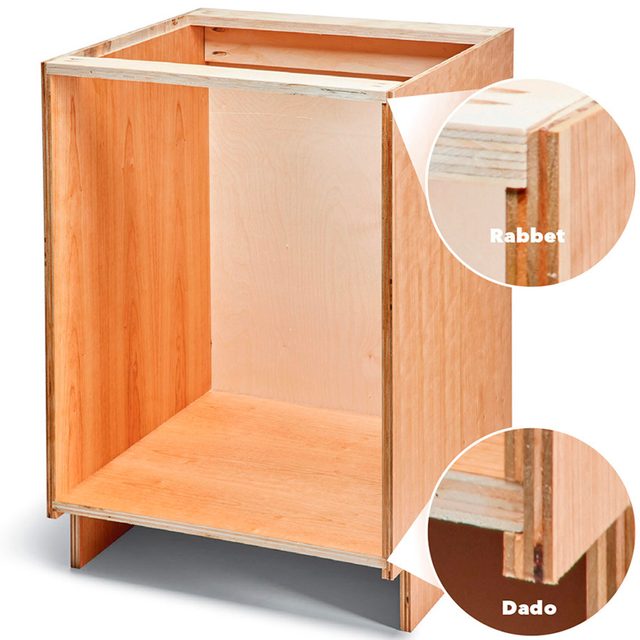
Credit: www.familyhandyman.com
Frequently Asked Questions
What Is The Best Tool For Cutting Dados?
The table saw is the best tool for cutting clean, precise dados quickly. It offers adjustable depth and width options for perfect fits.
How Do I Ensure Accurate Dado Cuts?
Use a dado blade set and measure twice before cutting. Secure the wood firmly and make shallow passes to maintain accuracy.
Can I Cut Dados Without A Dado Blade?
Yes, you can cut dados using a router or a circular saw with multiple passes. This method is slower but effective for smaller projects.
What Wood Types Are Ideal For Dado Joints?
Softwoods like pine and hardwoods like oak both work well. Choose wood that matches your project for durability and appearance.
Conclusion
Cutting dados accurately makes woodworking projects stronger and neater. Choose the right tools and follow safety steps carefully. Practice on scrap wood first to build your confidence. Take your time for precise cuts and clean edges. With patience and the right method, your dados will fit perfectly.
Keep learning and trying new techniques to improve skills. Enjoy the process and the quality results you create.