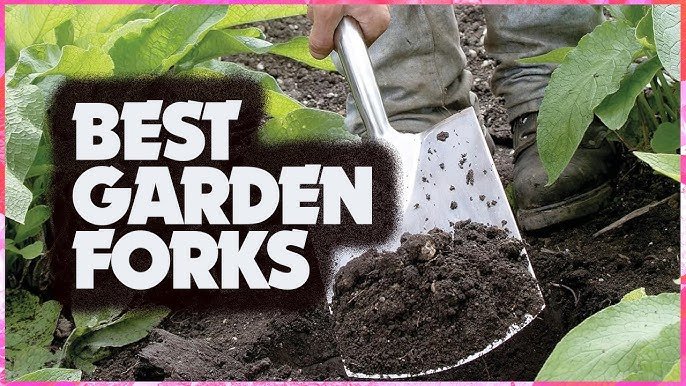
Imagine stepping into your garden, the sun warming your back, and knowing exactly what to do to make your plants thrive. A garden fork can be your secret weapon in achieving just that.
But are you using it to its full potential? Whether you’re a seasoned gardener or just starting out, discovering the best ways to use a garden fork can transform your gardening routine. This tool isn’t just for turning soil; it’s your ally in creating a lush, vibrant garden.
You’ll learn how to maximize its benefits, ensuring your garden becomes the envy of the neighborhood. Keep reading to unlock the secrets of your garden fork and elevate your gardening skills to the next level!
Credit: gardenitemreviews.com
Choosing The Right Garden Fork
Garden forks help you dig, turn soil, and remove weeds. Picking the right one makes your work easier.
Think about the types, materials, and handle design before buying a garden fork.
Types Of Garden Forks
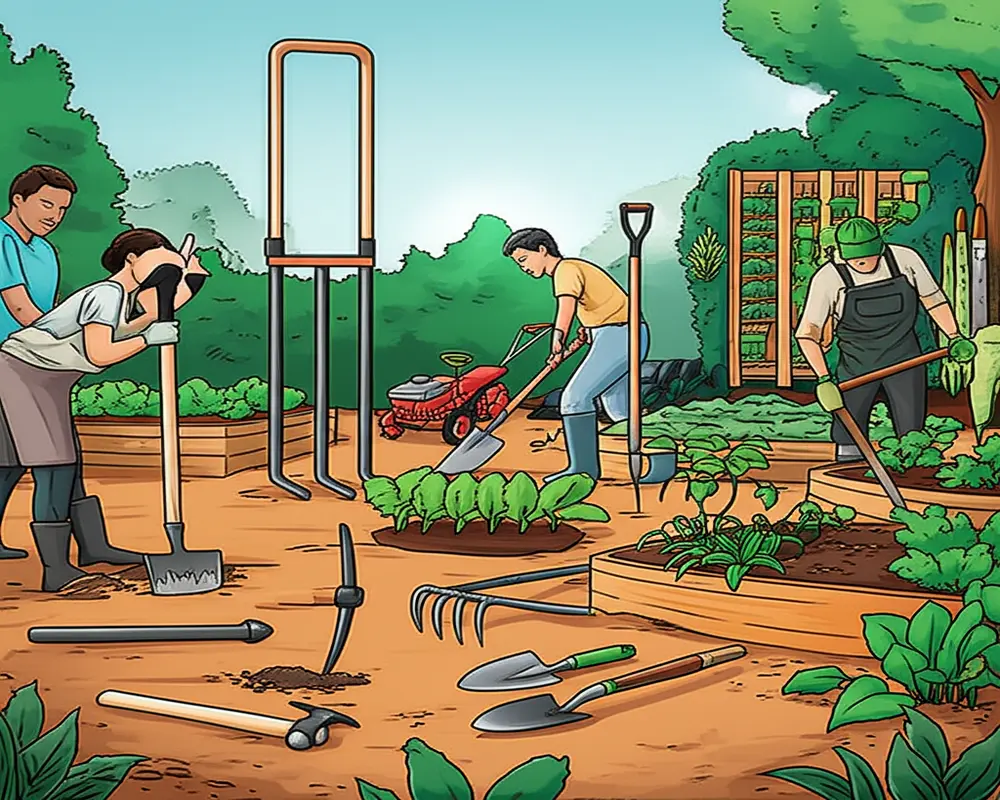
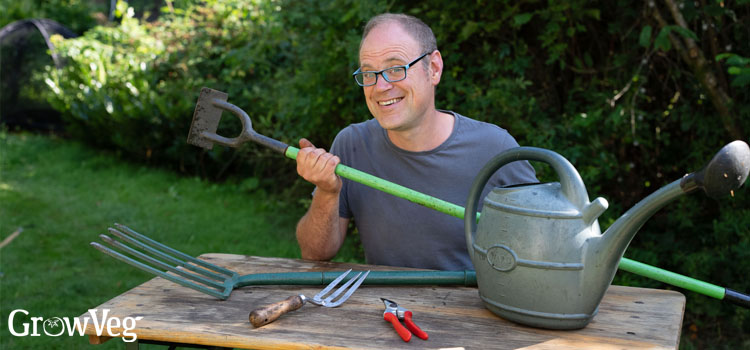
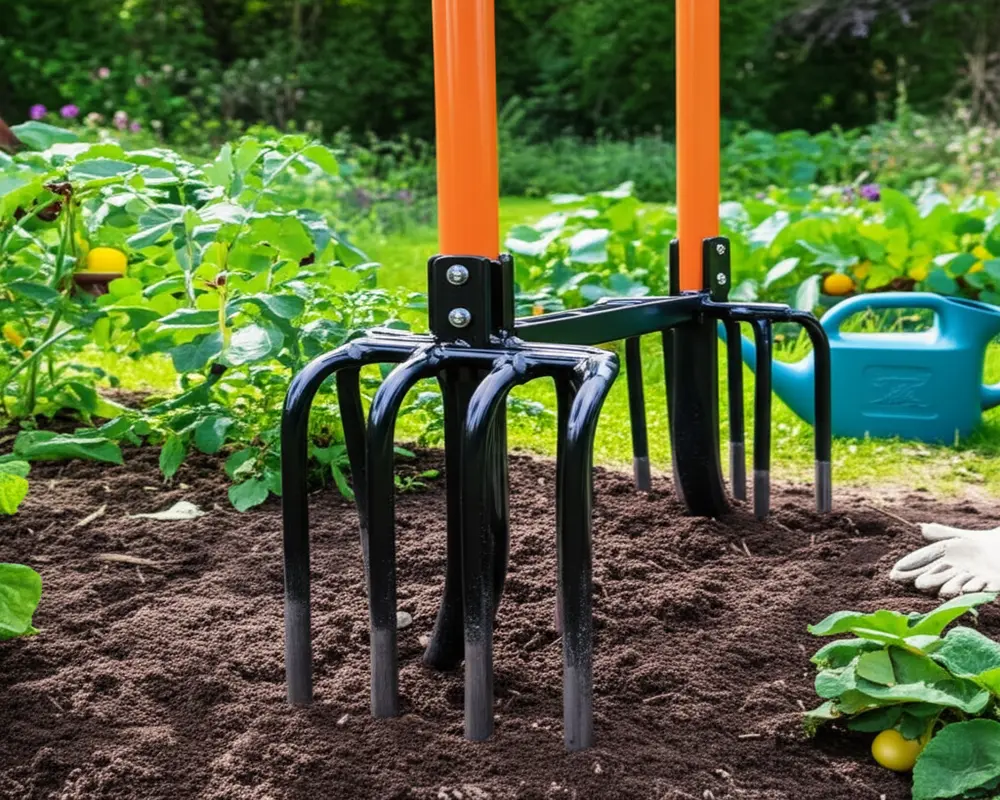
There are several types of garden forks for different tasks. Each type has a unique shape and size.
- Digging Fork:Has strong, wide tines to break hard soil.
- Border Fork:Smaller and lighter for working in tight spaces.
- Leaf Fork:With thin tines for moving leaves and light debris.
- Potato Fork:Designed to lift root crops without damage.
Material And Durability
Garden forks come in different materials. Choose one that lasts long and fits your needs.
Steel forks are strong and resist bending. Stainless steel resists rust but costs more.
- Carbon Steel:Very strong but may rust without care.
- Stainless Steel:Rust-resistant and easy to clean.
- Aluminum:Light but less durable for tough soil.
Handle Design And Comfort
The handle affects how comfortable the fork feels. Look for a handle that fits your hand well.
Wooden handles feel natural and absorb shock. Plastic or fiberglass handles may be lighter and last longer.
- Length:Longer handles give more leverage but may be harder to control.
- Shape:D-shaped handles are easy to grip.
- Grip:Some handles have rubber grips to reduce slipping.
Preparing Soil With A Garden Fork
Using a garden fork helps prepare soil for planting. It makes soil loose and ready for seeds or plants.
A garden fork works well for digging and mixing soil without damaging it.
Loosening Compact Soil
Garden forks break up hard soil clumps. This makes the soil softer and easier for roots to grow.
Push the fork into the soil and gently lift to loosen it. Move across the area to cover all compact spots.
- Stand with feet apart for balance
- Insert the fork tines deep into the soil
- Lift and shake the fork to break soil
- Repeat until soil feels loose
Turning Over Soil Layers
Turning soil brings fresh nutrients to the surface. It also buries old roots and weeds deep down.
Use the garden fork to lift and flip the soil gently. Avoid breaking the soil too much to keep its structure.
- Work in small sections
- Insert fork deeply and tilt forward
- Lift and turn the soil over
- Cover the entire planting area
Incorporating Organic Matter
Add compost or manure to soil to improve its quality. Garden forks help mix these materials well with the soil.
Mixing organic matter improves soil nutrition and water retention. It also supports healthy plant growth.
- Spread organic matter evenly on soil surface
- Use garden fork to dig and mix layers
- Work the matter deep into the soil
- Ensure even distribution for best results
Weed Control Techniques
Weeds can damage your garden by taking nutrients from plants. Using a garden fork helps control weeds effectively.
This tool lets you remove weeds without harming your garden soil too much. Here are some ways to use a garden fork for weed control.
Lifting Weeds From Roots
Push the garden fork under the weed near its roots. Lift the weed gently to pull it out with the root intact.
Removing the whole root stops the weed from growing back quickly. This keeps your garden clean for longer.
- Insert fork close to the weed base
- Lift slowly to avoid breaking roots
- Remove all root parts from soil
Preventing Soil Disturbance
Use the garden fork carefully to avoid shaking the soil too much. Disturbed soil can bring new weed seeds to the surface.
Keep soil structure healthy by lifting weeds gently. This helps plants grow better and stops new weeds from sprouting.
- Insert fork vertically to limit soil movement
- Lift weeds without turning large soil clumps
- Work in small sections for control
Combining With Mulching
After removing weeds with a garden fork, add mulch to the soil surface. Mulch blocks light, stopping weed seeds from growing.
Mulching keeps soil moist and cool. This creates a better environment for your plants and reduces weed problems.
- Clear weeds using the garden fork
- Apply a 2-3 inch layer of mulch
- Use organic mulch like straw or wood chips
- Replace mulch yearly for best results
Credit: www.growveg.com
Planting And Transplanting
A garden fork is a useful tool for planting and transplanting. It helps you work the soil gently and carefully.
Using a garden fork properly makes it easier to move plants without hurting them.
Creating Planting Holes
Use the garden fork to loosen the soil where you want to plant. This makes planting holes easier to dig.
Push the fork into the ground and pull it back to break up the soil. This creates space for roots to grow.
- Work the soil at least 8-12 inches deep
- Remove stones and large clumps
- Make holes slightly bigger than the plant roots
Handling Root Balls
When transplanting, use the garden fork to lift plants with their root balls intact. This protects the roots.
Gently slide the fork under the root ball to loosen the soil around it. Then lift the plant carefully.
- Insert fork tines evenly around the plant
- Lift slowly to keep soil intact
- Support the plant base while moving
Avoiding Root Damage
Use the garden fork to loosen soil gently. Avoid stabbing or cutting roots with the fork.
Work the soil around the roots carefully to keep them healthy and strong after transplanting.
- Insert fork tines slowly near roots
- Lift soil without breaking roots
- Keep roots moist during transplant
Harvesting Root Vegetables
Using a garden fork helps you harvest root vegetables safely. It makes digging easier without damaging the crops.
Root vegetables like carrots, potatoes, and beets grow underground. You need to lift them carefully to keep them fresh.
Loosening Soil Around Crops
Start by inserting the garden fork near the base of the plants. Push the fork down gently to loosen the soil.
Lift the soil away from the roots without stabbing the vegetables. This loosens the ground and makes lifting easier.
- Insert fork about 6 inches from the plant stem
- Push the fork deep enough to reach the roots
- Rock the fork back and forth to loosen soil
- Work around the plant in a circle if needed
Lifting Vegetables Carefully
After loosening the soil, use the fork to lift the vegetables gently. Avoid piercing or breaking them.
Lift the root vegetables by sliding the fork under them and lifting slowly. Hand-pick any loose vegetables from the soil.
- Slide fork under the vegetable roots
- Lift gently to avoid damage
- Pick loose vegetables by hand
- Place harvested vegetables in a basket carefully
Cleaning And Storage Tips
Brush off excess soil from the vegetables. Do not wash them right after harvest to avoid rot.
Store root vegetables in a cool, dry place with good air circulation. Keep them away from direct sunlight to maintain freshness.
- Gently brush off dirt with your hands or a soft brush
- Do not soak vegetables in water immediately
- Store in a cool, dark, and dry area
- Use breathable containers like wooden crates or mesh bags
Maintaining Your Garden Fork
Keeping your garden fork in good shape helps it last longer. Proper care makes your work easier and safer.
Regular maintenance prevents damage and rust. It also keeps the tool sharp and ready for use.
Cleaning After Use
Remove soil and plant debris from the tines after every use. This stops dirt from hardening and causing rust.
Use a stiff brush or a hose to clean the fork. Dry it well before storing to avoid moisture buildup.
- Brush off loose dirt
- Wash with water if needed
- Dry completely with a cloth
Sharpening Tines
Sharp tines make digging easier and less tiring. Use a metal file to keep the tips pointed.
File each tine evenly. Check the sharpness often and sharpen again as needed to maintain good performance.
- Secure the fork in a vice or hold firmly
- File each tine at a consistent angle
- Remove burrs and rough edges
- Wear safety gloves while sharpening
Storage And Rust Prevention
Store your garden fork in a dry place. Moisture causes rust and weakens the metal over time.
Apply a light coat of oil on the metal parts to protect them. Hang the fork or place it off the ground.
- Keep tool indoors or in a shed
- Oil tines and metal parts regularly
- Hang on wall hooks or racks
- Check for rust and clean if found
Safety Tips For Using A Garden Fork
Using a garden fork helps with soil turning and plant care. It is important to use it safely to avoid injuries. Following safety tips can keep your gardening experience safe and effective.
Learn how to handle the garden fork properly and what gear to wear. Also, know how to avoid common injuries while working in the garden.
Proper Handling Techniques
Hold the garden fork firmly with both hands. Keep your back straight and bend your knees when digging. Push the fork into the ground carefully without using too much force. Lift soil or debris with steady movements to avoid straining your muscles.
- Stand with feet shoulder-width apart for balance.
- Insert the fork tines straight into the soil.
- Use your leg muscles to lift, not your back.
- Keep your hands away from the sharp tines.
- Move slowly to control the fork’s motion.
Protective Gear Recommendations
Wear the right gear to protect yourself from injuries and dirt. Gloves protect your hands from cuts and blisters. Sturdy shoes keep your feet safe if the fork slips. Long sleeves and pants can stop scratches from plants or soil.
| Protective Gear | Purpose |
| Gloves | Prevent cuts and blisters |
| Sturdy Shoes | Protect feet from sharp tools |
| Long Sleeves and Pants | Shield skin from scratches |
| Eye Protection | Guard against flying debris |
Avoiding Common Injuries
Many injuries happen due to carelessness or poor technique. Avoid sudden movements or overreaching with the fork. Keep the tool clean and sharp to work efficiently. Store the garden fork safely when not in use to prevent accidents.
- Do not use the fork on hard surfaces like concrete.
- Check the fork for damage before each use.
- Take breaks to avoid fatigue and muscle strain.
- Keep children and pets away while working.
- Store the fork with the tines down or covered.
Credit: gardenitemreviews.com
Frequently Asked Questions
What Is The Primary Use Of A Garden Fork?
A garden fork is mainly used for loosening soil and aerating garden beds. It helps break up compacted earth and improves drainage for healthier plants.
How Do You Use A Garden Fork For Compost Turning?
Insert the fork into the compost pile, lift and turn the materials gently. This process aerates the compost and speeds up decomposition efficiently.
Can A Garden Fork Help In Removing Weeds?
Yes, a garden fork can loosen soil around weeds, making them easier to pull out. It disturbs roots without damaging nearby plants.
Is A Garden Fork Suitable For Rocky Or Hard Soil?
A garden fork is ideal for breaking tough, rocky soil. Its strong tines penetrate hard ground better than a spade or shovel.
Conclusion
A garden fork helps keep soil healthy and plants strong. It breaks up hard ground and mixes in compost well. Use it to remove weeds and dig up roots easily. This tool saves time and effort in your garden work.
Keep it clean and sharp for best results. Small steps with a garden fork lead to big garden success. Try different ways to see what works best for you. Enjoy the fresh air and the joy of gardening!
