When it comes to woodworking, having the right tools can make all the difference. Choosing the best carpenter square is one of those decisions that can boost your accuracy and save you time.
But with so many options out there, how do you pick the one that fits your needs perfectly? You’ll discover simple tips and key features to look for, so you can find a carpenter square that feels just right in your hands.
Keep reading, and you’ll never have to second-guess your measurements again.

Credit: www.youtube.com
Types Of Carpenter Squares
Carpenter squares help measure and mark wood for cutting and fitting. Each type has a special use for different tasks.
Knowing the types of carpenter squares helps you choose the right one for your project.
Try Squares
Try squares are simple tools with a wooden or metal handle and a steel blade. They check if edges are exactly 90 degrees.
They are good for basic right-angle checks on small wood pieces and furniture parts.
Combination Squares
Combination squares have a ruler and a movable head that forms a 90-degree angle or 45-degree angle. They measure depth and check level.
This tool is versatile for marking, measuring, and checking angles in many woodworking projects.
Speed Squares
Speed squares are triangular and made of metal. They help mark quick, accurate lines for cuts and angles.
They are popular for roofing, framing, and fast layout jobs because they are easy to use and hold.
Framing Squares
Framing squares are large L-shaped tools with long legs. They help measure and mark large wood pieces for framing walls and roofs.
They are useful for laying out stairs, rafters, and other framing tasks that need precise angles and measurements.
Key Features To Consider
Choosing the right carpenter square helps you make accurate cuts and measurements. Look for key features that suit your work style and needs.
This guide covers important points like material, size, and extra tools to help you pick the best option.
Material And Durability
A good carpenter square should be strong and last long. Common materials include stainless steel, aluminum, and plastic. Steel is heavy but very durable. Aluminum is lighter and resists rust. Plastic is cheap but less sturdy.
Measurement Accuracy
Accurate markings are key for precise work. Look for clear, easy-to-read numbers and lines. Some squares have laser-etched or engraved measurements that do not fade over time.
- Check if measurements are in inches, centimeters, or both.
- Look for fine graduations for detailed work.
- Confirm that the edges are straight and true.
Size And Portability
Carpenter squares come in various sizes. Smaller squares are easy to carry and store. Larger ones cover more area and help with bigger projects. Choose a size that fits your usual tasks and workspace.
| Size | Best For |
| 6 inches | Small projects and tight spaces |
| 12 inches | General woodworking and framing |
| 24 inches or more | Large projects and layout work |
Additional Tools And Markings
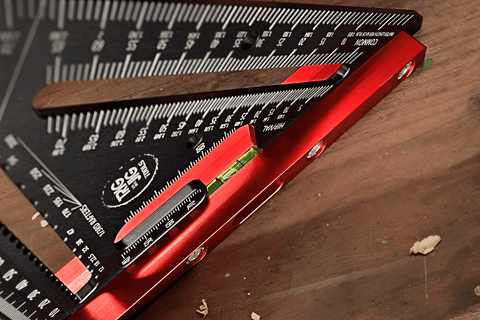
Some carpenter squares have extra features that add value. These include protractor markings, rulers on both edges, or built-in levels. These tools save time and improve accuracy.
- Protractor scales for measuring angles
- Multiple units like metric and imperial
- Built-in spirit level for checking horizontals
- Notches for marking cut lines
Choosing Based On Project Needs
Choosing the right carpenter square depends on the type of project you have. Different projects need different features and sizes of squares.
Picking the best square helps you work faster and get accurate measurements. Think about your project before buying.
Woodworking Projects
Woodworking needs precise angles and smooth edges. A smaller, lightweight square is easier to handle for these tasks.
Try a combination square or a speed square for marking and measuring wood pieces. These tools fit well in tight spaces.
- Use a combination square for adjustable measurements
- Speed squares help mark quick angles and lines
- Smaller squares are good for fine, detailed work
Framing And Construction
Construction projects need strong and large squares for framing walls and roofs. Durability is important to handle rough conditions.
A framing square is best for these projects. It helps check right angles and measure long boards easily.
- Choose a large framing square for big lumber
- Look for heavy-duty materials for long use
- Clear markings make measuring faster
Metalworking Applications
Metalworking needs squares that resist rust and have strong edges. Metal squares with steel bodies work best.
Try a machinist’s square or a precision square. They offer exact angles and hold up under pressure.
- Choose stainless steel or hardened metal squares
- Look for tight, accurate edges for metal cuts
- Smaller sizes help with detailed metal parts

Credit: www.amazon.ca
Maintenance And Care Tips
Keeping your carpenter square in good shape helps you get accurate measurements every time. Simple care routines can extend the life of your tool.
Regular maintenance protects your square from wear and damage. Follow these tips to keep it working well.
Cleaning And Storage
Clean your carpenter square after each use to remove dust and dirt. Wipe it with a dry or slightly damp cloth. Avoid soaking it in water to protect the material.
- Use a soft brush to clear hard-to-reach areas
- Dry the tool completely before storing
- Store it in a dry, cool place away from direct sunlight
- Keep it in a protective case to prevent scratches
Calibration Checks
Check your carpenter square for accuracy regularly. Compare it with a known straight edge or a calibrated square. Small errors can affect your work.
| Check Method | What to Look For |
| Visual Inspection | Look for bent edges or dents |
| Edge Alignment | Check if the square lines are straight |
| Comparison Test | Match against a trusted square for angle accuracy |
| Marking Test | Draw a line and measure with another tool to confirm precision |
Preventing Rust And Damage
Rust weakens your carpenter square and lowers accuracy. Use these steps to avoid rust and other damage.
- Apply a light coat of machine oil on metal parts
- Keep the square dry, especially after use in humid places
- Avoid dropping or bending the tool
- Use rust inhibitors or protective sprays if needed
Top Brands And Models
Choosing the right carpenter square is important for accurate work. Different brands offer various models that suit different needs.
This guide covers top brands and their popular models. It helps you find the best square for your budget and skill level.
Budget-friendly Options
Budget-friendly carpenter squares give good value without high cost. These models are great for beginners and hobbyists.
They usually have durable materials and clear markings. You can use them for basic measuring and marking tasks.
- Swanson Tool S0101 7-Inch Speed Square <li. 7-inch="" carpenter="" e75="" empire="" level="" li="" square
- Irwin Tools Combination Square
Professional Grade Squares
Professional grade squares offer high accuracy and strong build quality. They suit carpenters who need precise measurements daily.
These squares often feature stainless steel or aluminum construction. They include advanced features for layout and angle measurements.
- Starrett 12-Inch Combination Square
- Johnson Level & Tool 12-Inch Aluminum Square
- Stabila 7-Inch Aluminum Speed Square

Credit: fencearmor.com
Frequently Asked Questions
What Is A Carpenter Square Used For?
A carpenter square measures and marks right angles in woodworking. It ensures accuracy and precision in cuts and layouts. This tool is essential for framing, roofing, and other carpentry tasks. It helps maintain consistent and professional results.
How To Choose The Best Carpenter Square?
Select a carpenter square based on material, size, and accuracy. Look for sturdy materials like steel or aluminum. Choose a size that fits your project needs. Ensure clear, easy-to-read markings for precise measurements. Durability and comfort also matter.
What Are The Types Of Carpenter Squares?
Common types include framing squares, try squares, and combination squares. Each serves different purposes like measuring angles or marking lines. Framing squares are large and used for structural work. Try squares check right angles. Combination squares offer multiple functions.
Can A Carpenter Square Measure Angles Other Than 90 Degrees?
Yes, some carpenter squares like combination squares can measure various angles. They have adjustable heads to set custom angles. This versatility helps in complex woodworking projects. However, basic framing squares primarily measure 90-degree angles only.
Conclusion
Selecting the right carpenter square is essential for precise work. Consider durability, material, and size. A reliable square ensures accurate measurements. This leads to better carpentry results. Brands offer various options for different needs. Choose one that suits your projects best.
Proper maintenance extends the tool’s life. Store it correctly to avoid damage. Regular checks keep it in top condition. Investing in a good square saves time and effort. It boosts the quality of your work. Happy carpentry!