When you’re working on a woodworking project, the right clamps can make all the difference. Choosing the right wood clamps isn’t just about holding pieces together—it’s about making your work easier, safer, and more precise.
You want clamps that fit your project perfectly and help you get the job done without frustration. You’ll discover how to pick the best wood clamps for your needs, avoid common mistakes, and improve your woodworking results. Keep reading, and you’ll never struggle with slipping or uneven pressure again.
Types Of Wood Clamps
Wood clamps hold pieces of wood firmly together. They help during gluing or assembly. Choosing the right clamp makes work easier.
There are several types of wood clamps. Each type fits specific tasks and wood sizes. Knowing their use helps pick the best one.
Bar Clamps
Bar clamps have a long metal bar and two jaws. One jaw is fixed, and the other slides to adjust the size. They offer strong pressure and are good for wide wood pieces.
C-clamps
C-clamps look like the letter “C”. They have a screw that tightens the clamp. These clamps are strong and work well on small to medium wood parts.
Spring Clamps
Spring clamps use a spring to hold wood pieces. They open and close quickly. These clamps are good for light tasks and small projects.
- Easy to use with one hand
- Best for temporary holds
- Not for heavy pressure tasks
Pipe Clamps
Pipe clamps use a metal pipe as the bar. The clamp parts fit on the pipe and slide to size. They are very strong and can hold large wood pieces.
| Feature | Pipe Clamps |
| Length | Depends on pipe size |
| Strength | High |
| Use | Large wood pieces |
Corner Clamps
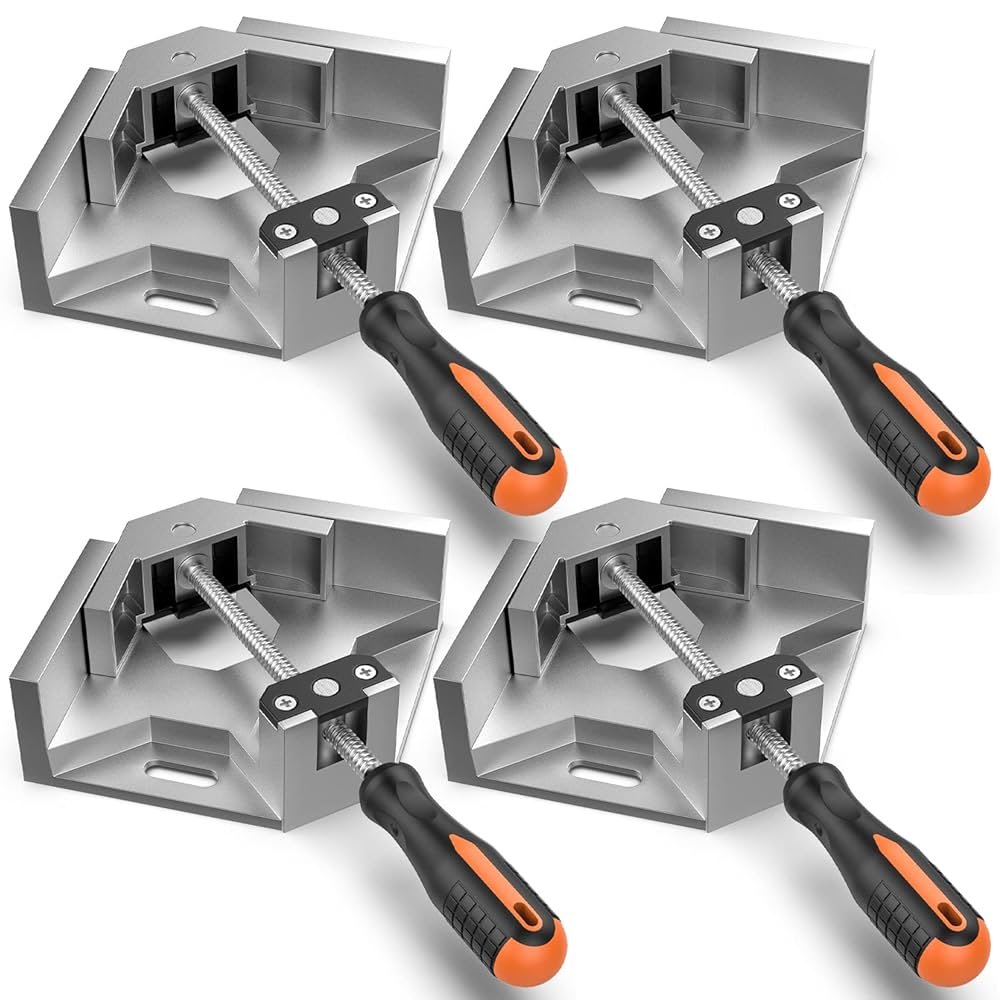
Corner clamps hold wood pieces at a right angle. They are perfect for making frames and boxes. These clamps keep corners steady while gluing or screwing.

Credit: www.youtube.com
Materials And Build Quality
Choosing the right wood clamps depends on the materials used and how well they are built. Strong materials last longer and hold wood firmly.
Good build quality means the clamp works smoothly and does not break easily. This helps in making precise wood projects.
Steel Vs Aluminum
Steel clamps are very strong and heavy. They hold tight and can handle tough jobs without bending.
Aluminum clamps are lighter and easier to carry. They resist rust but may not be as strong as steel.
- Steel is best for heavy-duty clamping
- Aluminum is good for light to medium jobs
- Steel can rust if not cared for
- Aluminum is rust-resistant and low maintenance
Plastic Components
Plastic parts in clamps reduce weight and cost. They are often used for handles and adjustment knobs.
High-quality plastic feels strong and does not crack easily. Cheap plastic may break or wear out fast.
- Look for clamps with sturdy plastic handles
- Check if plastic parts move smoothly
- Avoid clamps with brittle or thin plastic
Grip Pads And Pads Protection
Grip pads protect wood from scratches and dents. They also help the clamp hold better without slipping.
Pads made of rubber or soft plastic work well. Some clamps offer replaceable pads for longer use.
- Use clamps with soft grip pads for delicate wood
- Replace worn pads to keep wood safe
- Hard pads may damage soft wood surfaces
Clamping Force And Size
Choosing the right wood clamps depends mainly on clamping force and size. These factors ensure a secure hold and protect your workpieces.
Understanding how to measure clamping pressure and select the correct size helps you work efficiently and safely.
Measuring Clamping Pressure
Clamping pressure is the force applied by the clamp to hold materials together. It is usually measured in pounds or newtons.
- Check the clamp’s maximum pressure rating before use.
- Use a pressure gauge if precise force is required.
- Apply enough pressure to hold pieces firmly without causing damage.
- Adjust pressure based on wood type and thickness.
Choosing The Right Size
Clamp size affects how much material you can hold and the clamp’s leverage. Size includes throat depth and opening capacity.
| Clamp Size | Throat Depth | Maximum Opening |
| Small | 2-3 inches | 2-4 inches |
| Medium | 4-6 inches | 6-12 inches |
| Large | 7+ inches | 12+ inches |
Adjustability Features
Adjustable clamps allow you to change size and pressure quickly. Look for these key features:
- Quick-release mechanisms for fast opening and closing
- Sliding bars or screw handles for fine pressure control
- Swivel pads to protect wood surfaces
- Multiple locking positions for versatility

Credit: www.amazon.com
Specialty Clamps For Unique Projects
Wood clamps come in many shapes and sizes to help with different tasks. Specialty clamps are made for unique woodworking projects. They help hold pieces tightly and at the right angle.
Choosing the right clamp makes your work easier. It also keeps your wood safe from damage. Below are some specialty clamps that fit special needs.
Miter Clamps
Miter clamps hold two pieces of wood at a perfect 45-degree angle. This is useful when making picture frames or boxes. They keep corners tight while glue dries.
- Hold corners firmly without slipping
- Adjust to fit different thicknesses
- Easy to use with one hand
- Prevent gaps in joints
Strap Clamps
Strap clamps use a strong band to wrap around odd shapes. They are good for frames or boxes with unusual sizes. The strap tightens to hold everything in place.
| Feature | Benefit |
|---|---|
| Flexible strap | Fits any shape or size |
| Adjustable tension | Controls how tight the clamp is |
| Compact design | Easy to store and carry |
| Non-marring surface | Protects delicate wood finishes |
Band Clamps
Band clamps wrap around large or irregular shapes. They are good for round tables or chairs. The band tightens evenly to hold pieces together.
- Make sure the band is clean and smooth
- Place padding between clamp and wood
- Tighten slowly to avoid damage
- Check alignment before glue sets
Ergonomics And Ease Of Use
Choosing the right wood clamps is important for comfort and efficiency. Ergonomics help reduce hand strain during long projects.
Easy-to-use clamps save time and make woodworking more enjoyable. Look for features that fit your hand and work style.
Handle Design
Good handle design makes clamps easier to grip and control. Soft or textured handles prevent slipping and reduce fatigue.
Ergonomic handles fit the natural shape of your hand. This helps you apply pressure evenly and avoid pain.
Quick-release Mechanisms
Quick-release clamps open and close fast. This feature saves time when adjusting clamp positions.
They also reduce the effort needed to remove the clamp. This helps prevent hand strain during repetitive tasks.
- Allows one-handed operation
- Speeds up clamp changes
- Improves workflow efficiency
Weight Considerations
Lighter clamps are easier to handle and move around. They reduce fatigue during long use periods.
Heavier clamps may offer more stability but can tire your hands quickly. Choose weight based on your project needs.

Credit: www.amazon.com
Budget And Value
Choosing the right wood clamps depends a lot on your budget. You want good value for the money you spend. It is important to balance cost and quality.
Some clamps are cheap but may not last long. Others cost more but offer better performance. Think about how often you will use the clamps.
Affordable Options
Affordable clamps work well for hobbyists and occasional use. They are usually made from lighter materials. These clamps can handle small projects.
Look for clamps with solid grips and decent pressure. Avoid very cheap clamps that break easily. Affordable options save money but may wear out faster.
- Spring clamps with plastic or metal jaws
- Basic bar clamps with adjustable arms
- Quick-release clamps for easy use
Professional Grade Clamps
Professional clamps are made for heavy and frequent use. They use strong materials like steel or cast iron. These clamps hold workpieces firmly and last long.
They cost more but provide better results. Choose professional grade clamps if you work on large projects or run a workshop. They offer reliability and precision.
- Heavy-duty pipe clamps
- Parallel clamps with even pressure
- F-style clamps with strong frames
Long-term Investment
Buying quality clamps saves money over time. Durable clamps need fewer replacements. They keep your work safe and accurate.
Think about how long the clamps will last and how well they work. Good clamps improve your woodworking experience. They pay off by reducing frustration and fixing mistakes.
- Check clamp materials and construction
- Consider warranty and brand reputation
- Choose clamps suited for your project types
Maintenance And Storage Tips
Wood clamps last longer if you take good care of them. Proper maintenance keeps them working well.
Storing clamps correctly also saves space and prevents damage. Follow these tips to keep your clamps in top shape.
Cleaning Clamps
Clean clamps after each use to remove dust and glue. Dirt can make clamps hard to adjust.
Use a soft cloth and mild soap with water for cleaning. Avoid harsh chemicals that can damage the metal or wood parts.
- Wipe off glue residue before it dries
- Dry clamps completely after cleaning
- Use a brush for tight spots and threads
Preventing Rust
Rust can ruin metal clamps and make them stiff. Keep clamps dry and store them in a dry place.
Apply light oil to metal parts to stop rust. Oil also helps clamps move smoothly.
- Use machine oil or WD-40 spray
- Wipe off extra oil after application
- Check clamps regularly for rust spots
Organizing Your Clamps
Keep clamps organized to save time and space. A neat workspace helps you find clamps quickly.
Use racks, hooks, or pegboards to store clamps. Group clamps by size or type for easy access.
- Install wall racks for large clamps
- Hang smaller clamps on pegboards
- Label storage areas by clamp size
Frequently Asked Questions
What Types Of Wood Clamps Are Best For Woodworking?
Bar clamps, C-clamps, and spring clamps are best for woodworking. Bar clamps are ideal for larger projects. C-clamps provide strong pressure for smaller tasks. Spring clamps are perfect for quick, light holds. Choosing depends on project size and clamping force needed.
How Do I Choose The Right Clamp Size?
Select a clamp size that matches your project width. Choose clamps longer than your wood piece for flexibility. Using the right size ensures secure hold and even pressure. Oversized clamps can be cumbersome, while undersized clamps may not hold well.
Why Is Clamping Pressure Important In Woodworking?
Clamping pressure ensures glued joints bond properly and stay aligned. Too little pressure causes weak joints; too much can damage wood. Proper pressure evenly distributes glue and prevents gaps. Adjust pressure based on wood type and project requirements.
Can Wood Clamps Damage My Project?
Yes, clamps can damage wood if over-tightened or used without protection. Always use clamp pads or scrap wood to protect surfaces. Apply pressure gradually to avoid dents or marks. Proper technique prevents damage and ensures a clean finish.
Conclusion
Choosing the right wood clamps makes your projects smoother. It saves time. It ensures precision. Different clamps serve different needs. Consider the task at hand. Match the clamp to the job. Balance quality and budget. High-quality clamps last longer. They offer better grip.
Safety is crucial. Invest in reliable clamps. They protect both wood and worker. Think about storage space too. Some clamps take up less room. A well-chosen clamp can make all the difference. Happy woodworking!