
Are you trying to decide between a corded and cordless drill but feeling stuck? Choosing the right drill can make your projects easier, faster, and more enjoyable.
You might think they’re pretty much the same, but the difference between a corded and cordless drill can change everything—from how you work to the results you get. Keep reading, and you’ll discover which drill fits your needs perfectly, helping you tackle your next task with confidence and ease.

Credit: mafpro.in
Corded Drill Features
Corded drills use power from an electric outlet. They do not rely on batteries.
These drills are common for jobs needing steady power and long use.
Power Supply And Performance
Corded drills get power from a plug, so they run continuously without stopping.
They usually have higher and steady power than cordless drills.
- Constant power without battery drain
- Strong torque for tough drilling tasks
- Good for heavy-duty and long jobs
Design And Weight
Corded drills often weigh more due to their motor size and cord.
The cord limits how far you can move, but the drill feels stable in hand.
- Heavier than cordless drills
- Has a power cord attached
- Usually larger body design
Usage Scenarios
Corded drills suit jobs where power and time matter more than mobility.
They work well in workshops or places with easy outlet access.
- Indoor projects with power sockets
- Long tasks needing steady power
- Heavy drilling in wood, metal, or concrete
Cordless Drill Features
Cordless drills do not need a power cord to work. They use batteries to run, making them easy to carry.
This makes cordless drills popular for jobs where power outlets are not nearby.
Battery Technology And Runtime
Cordless drills use rechargeable batteries, usually lithium-ion. These batteries hold a charge for a long time.
Runtime depends on the battery size and drill use. Bigger batteries last longer but weigh more.
- Lithium-ion batteries are light and charge fast
- Battery capacity is measured in amp-hours (Ah)
- Runtime can range from 30 minutes to several hours
- Some models have removable batteries for quick swaps
Portability And Convenience
Cordless drills are easy to carry and use anywhere. No cords mean you can work in tight spaces or outdoors.
They are lighter than corded drills, which reduces hand fatigue during long jobs.
- No need to find a power outlet
- Works well in places with limited space
- Easy to store and transport
- Quick to start and stop with no cord tangling
Ideal Applications
Cordless drills fit well for light to medium work like drilling holes and driving screws.
They are great for home repairs, furniture building, and jobs on ladders or outdoors.
- DIY projects around the house
- Installing shelves or cabinets
- Outdoor tasks like fence building
- Working in places without power access
Power Comparison
Corded and cordless drills are common tools for many projects. Their power sources affect how they work.
Understanding the power differences helps you pick the right drill for your needs.
Consistent Power Output
Corded drills get power directly from an electrical outlet. This means they deliver steady power all the time.
Cordless drills use batteries that lose charge over time. Their power can drop as the battery runs low.
- Corded drills keep the same speed and strength during use.
- Cordless drills may slow down when battery power is low.
- Consistent power is important for tough jobs.
Battery Limitations
Cordless drills rely on batteries that need charging. Battery life limits how long you can use the drill.
Charging time and battery capacity affect cordless drill power and usage time.
- Batteries can run out during work and need recharging.
- Older batteries hold less charge and lose power faster.
- Extra batteries can help but add to cost and weight.
Mobility And Flexibility
Choosing between a corded and cordless drill depends on how you move while working. Mobility and flexibility matter a lot for drills.
This guide looks at the differences in mobility and flexibility of corded and cordless drills.
Working Without Outlets
Cordless drills work without needing to plug into power outlets. They run on batteries, so you can use them anywhere.
Corded drills need to be near an outlet or use a long extension cord. This limits where you can work.
- Cordless drills work well outdoors or far from power sources.
- Corded drills are limited to places with easy outlet access.
- Battery life limits cordless drill use time before recharging.
- Corded drills can run as long as they are plugged in.
Ease Of Movement
Cordless drills offer easy movement. No cords get in the way while you work in tight or high spaces.
Corded drills can be harder to move around because of the cord. The cord may get tangled or caught on objects.
- Cordless drills let you move freely and work in any direction.
- Corded drills require care to avoid pulling or tripping on the cord.
- Cordless drills are lighter without the cord attached.
- Corded drills can feel heavier due to the cord and power supply.
Maintenance Needs
Both corded and cordless drills require care to work well for a long time. Proper maintenance keeps them safe and ready to use.
Maintenance needs differ between corded and cordless drills. Understanding these helps you take better care of your tool.
Battery Care
Cordless drills need battery care to keep them working well. Batteries lose power if not charged or stored right.
Keep batteries at room temperature and avoid full drains. Charge them regularly and store in a dry place.
- Use the charger made for your battery type
- Do not leave batteries plugged in after full charge
- Store batteries away from heat and moisture
- Charge batteries before long storage periods
Cord Management
Corded drills need careful cord management to avoid damage and hazards. A tangled or cut cord can stop the drill from working.
Keep cords untangled and check for cuts or wear. Store the drill with the cord wrapped loosely to avoid stress.
- Unplug the drill before inspecting the cord
- Avoid sharp bends or twists in the cord
- Use cord protectors if working in rough areas
- Replace damaged cords immediately
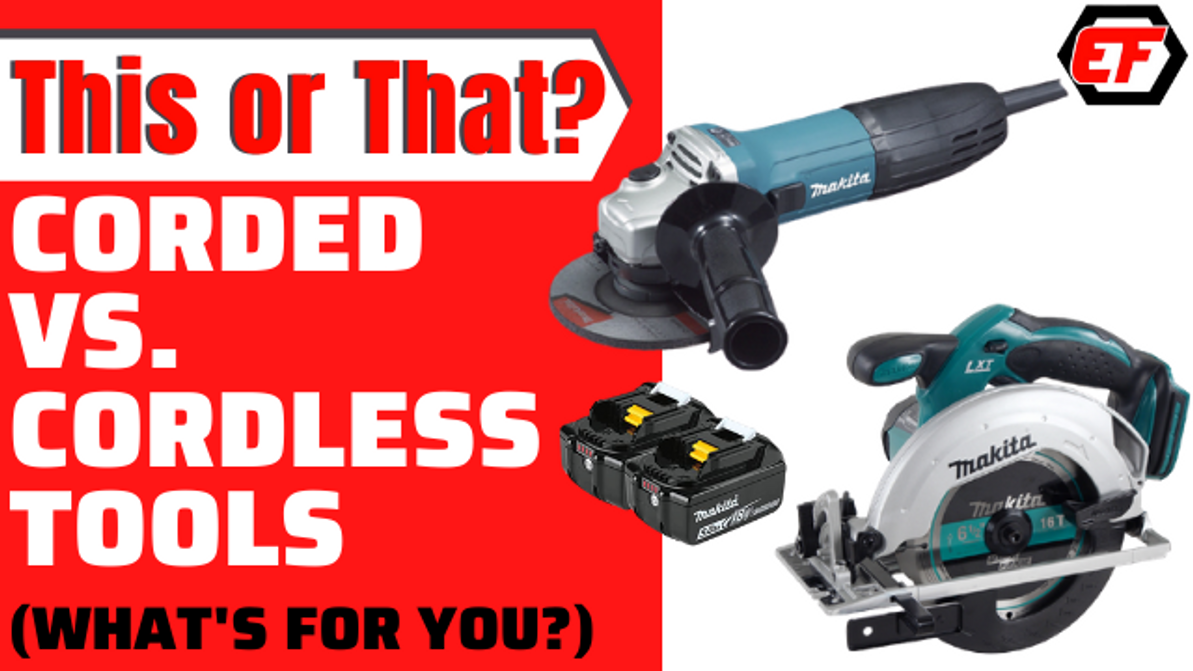
Credit: edmfast.com
Cost Factors
The cost of corded and cordless drills varies based on many factors. Understanding these costs helps you choose the right drill for your needs.
Some costs happen once, while others occur over time. We look at both to compare corded and cordless drills.
Initial Investment
Corded drills usually cost less to buy at first. They come without batteries or chargers, which lowers the price.
Cordless drills cost more initially because they include batteries and chargers. The battery quality also affects the price.
- Corded drill price range: $30 to $100
- Cordless drill price range: $50 to $200
- Better batteries increase cordless drill costs
- Extra accessories can add to both types
Long-term Expenses
Cordless drills have ongoing costs like replacing batteries. Batteries lose power over time and need to be changed.
Corded drills cost less to maintain but may need repairs or replacement cords. Their power source is constant.
- Cordless drill batteries may need replacement every 1-3 years
- Battery replacements can cost $30 to $100 each
- Corded drills rarely need parts replaced except cords
- Electricity cost for corded drills is usually low
Safety Considerations
Using drills safely is important to avoid injuries. Both corded and cordless drills have different risks.
Understanding these risks helps you work carefully and protect yourself.
Cord Hazards
Corded drills have power cords that can cause accidents. People can trip over the cord and fall.
The cord can also get damaged, causing electric shocks or short circuits.
- Keep cords away from walkways
- Check cords for cuts or frays
- Do not pull the drill by the cord
- Unplug the drill when not in use
Battery Risks
Cordless drills use batteries that can overheat or leak. This can cause burns or damage.
Using the wrong charger or dropping the battery can increase risks.
- Use only the recommended charger
- Do not expose batteries to heat
- Store batteries in a dry place
- Replace damaged batteries immediately
Choosing The Right Drill
Choosing between a corded and cordless drill depends on your needs. Each type has features that suit different tasks.
Understanding your project, preferences, and budget helps you pick the right drill for your work.
Project Type
Corded drills offer constant power, making them good for heavy tasks. Cordless drills are better for light jobs and places without outlets.
For drilling into hard materials or long projects, corded drills work well. For quick fixes or small projects, cordless drills are handy.
- Corded drills are best for continuous use and tough materials.
- Cordless drills are portable and good for easy tasks.
User Preferences
Some users like the freedom of moving without cords. Others prefer the steady power of a corded drill.
Consider how you feel about weight, ease of use, and charging time. Cordless drills are lighter but need charging. Corded drills are heavier but always ready.
- Cordless drills offer mobility and less weight.
- Corded drills provide constant power without charging.
- Think about how often you use the drill and where.
Budget Constraints
Corded drills usually cost less upfront than cordless ones. Cordless drills need batteries and chargers, adding to the price.
Also, remember to budget for battery replacements in cordless drills. Corded drills only need electricity to run.
- Corded drills have lower initial cost.
- Cordless drills have higher cost due to batteries.
- Consider long-term costs like battery replacement.
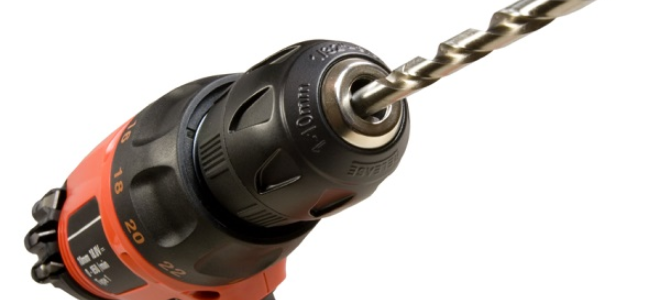
Credit: www.doityourself.com
Frequently Asked Questions
What Is The Main Difference Between Corded And Cordless Drills?
Corded drills require a constant power source, offering unlimited runtime. Cordless drills use batteries, providing portability. Corded drills tend to be more powerful and lightweight. Cordless models offer flexibility and convenience, especially in areas without electrical outlets. The choice depends on your specific needs and preferences.
Are Cordless Drills As Powerful As Corded Drills?
Cordless drills have improved significantly in power with advancements in battery technology. However, corded drills generally offer more consistent power output. For heavy-duty tasks, corded drills might be preferable. Cordless drills are ideal for lighter tasks and areas without easy access to electricity.
Which Is More Suitable For Heavy-duty Tasks?
Corded drills are generally more suitable for heavy-duty tasks due to their continuous power supply. They provide consistent performance without worrying about battery life. Cordless drills can handle some heavy tasks but may require frequent recharging. The choice depends on task frequency and access to power sources.
Do Cordless Drills Have Longer Runtime Than Corded Drills?
Cordless drills have limited runtime, dependent on battery charge. Corded drills offer unlimited runtime with continuous power supply. For extended projects, corded drills might be more reliable. Cordless drills offer convenience but may need spare batteries for prolonged use. Battery technology advancements continue to improve cordless drill runtime.
Conclusion
Corded drills offer steady power without breaks. Cordless drills give freedom to move anywhere. Each type suits different jobs and needs. Choose based on your work style and place. Both tools can do the job well. Understanding their differences helps you pick right.
Simple and clear choices lead to better results. Keep your tasks easy and efficient with the right drill.