Have you ever grabbed a screwdriver and wondered which one to use—flathead or Phillips? Choosing the right screwdriver isn’t just about convenience; it can save you time, prevent damage, and make your tasks much easier.
Understanding the key differences between flathead and Phillips screwdrivers will give you the confidence to tackle any project like a pro. Keep reading, and you’ll discover simple tips that will change the way you work with screws forever.
Flathead Screwdriver Design
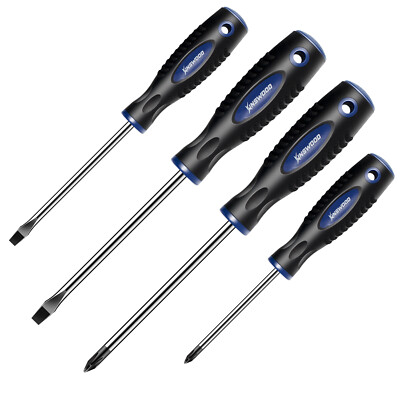
A flathead screwdriver has a simple design. It has a single flat blade used to turn screws.
This tool works well with screws that have a straight, horizontal slot on the head.
Blade Shape And Size
The blade of a flathead screwdriver is flat and straight. It comes in different widths and thicknesses.
The size of the blade matches the screw slot size to fit tightly and avoid slipping.
- Narrow blades for small screws
- Wide blades for large screws
- Thicker blades for heavy-duty screws
Handle Types
Flathead screwdrivers have various handle designs. Handles help users hold and turn the tool easily.
Handles come in plastic, rubber, or wood, shaped for comfort and grip.
- Plastic handles are lightweight and affordable
- Rubber handles provide better grip
- Wood handles offer a classic feel
Material And Durability
The blade is usually made of steel to resist wear and tear. Some blades have coatings to prevent rust.
Durable materials help the screwdriver last longer and perform well under pressure.
- Carbon steel blades for strength
- Stainless steel blades for rust resistance
- Coated blades for extra protection
Phillips Screwdriver Design
The Phillips screwdriver is a popular tool used worldwide. It has a unique design that fits specific screws.
This design helps apply more torque and reduces slipping while turning screws.
Cross-shaped Tip Features
The tip of a Phillips screwdriver has a cross shape. This fits into screws with a matching cross pattern.
The cross shape helps the screwdriver stay in the screw head. It allows better grip and control.
- Four arms create a tight fit inside screw slots
- Reduces slipping or cam-out during use
- Helps apply more force with less effort
Handle Variations
Phillips screwdrivers come with different handle styles. These affect comfort and grip during work.
Some handles are soft and rubbery, while others are hard plastic or wood. The shape can be round, oval, or ergonomic.
- Rubber handles offer a better grip
- Hard plastic handles are durable
- Ergonomic handles reduce hand fatigue
Material And Strength
Phillips screwdriver tips are made from strong metals like steel. This keeps them from bending or breaking.
Handles can be made from plastic, rubber, or wood. The metal shaft is usually chrome-plated to prevent rust.
- Steel tips resist wear and tear
- Chrome plating protects from corrosion
- Quality materials ensure long tool life
Screw Compatibility
Screwdrivers come in many types, but flathead and Phillips are the most common. Each fits different screws.
Choosing the right screwdriver helps avoid damage and makes work easier. It depends on the screw’s head shape.
Flathead Screw Uses
Flathead screwdrivers work with screws that have a single straight slot. These screws are simple and old-fashioned.
Flathead screws are common in woodworking and light electrical work. They are easy to manufacture and use.
- Wood screws for furniture
- Light switches and outlets
- Cabinets and doors
- Some metalworking projects
Phillips Screw Applications
Phillips screwdrivers fit screws with a cross-shaped slot. These screws resist slipping better than flathead screws.
Phillips screws are used in many industries, including electronics and automotive. They allow more torque without damage.
- Electronics assembly
- Car parts and repairs
- Construction projects
- Appliance manufacturing
Matching Screws With Drivers
Use a flathead driver for flathead screws and a Phillips driver for Phillips screws. This prevents slipping and damage.
Using the wrong driver can strip the screw head or make it hard to turn. Match the driver size to the screw size as well.
| Screw Type | Driver Type | Common Use |
|---|---|---|
| Flathead | Flathead screwdriver | Woodwork, basic repairs |
| Phillips | Phillips screwdriver | Electronics, cars, appliances |
Advantages Of Flathead Screwdrivers
Flathead screwdrivers are one of the oldest and simplest tools. They have a single flat blade that fits into a straight slot on screws.
These screwdrivers have many benefits that make them useful in different tasks. They can work in various situations and offer practical advantages.
Simplicity And Versatility
Flathead screwdrivers have a simple design with one flat tip. This makes them easy to use and maintain.
They can fit different sizes of screws with straight slots. This versatility means you can use one tool for many jobs.
- Fits a variety of flat slot screws
- Works on older or non-standard screws
- Simple shape means easy repair and replacement
Cost-effectiveness
Flathead screwdrivers are usually cheaper than other types. Their simple design lowers the production cost.
You can buy them in sets or alone without spending much money. This makes them good for home toolkits and beginners.
- Lower price than many other screwdriver types
- Widely available in hardware stores
- Durable tools that last a long time
Ease Of Use In Certain Situations
Flathead screwdrivers work well for some tasks. They are good for prying or scraping as well as screwing.
The flat tip fits into small or tight spaces where other screwdrivers might not work. This helps in repairs and crafts.
- Can be used to open paint cans or pry lids
- Fits screws in narrow or shallow slots
- Offers better control for gentle turning
Advantages Of Phillips Screwdrivers
Phillips screwdrivers are popular tools used for many tasks. They have unique features that make them useful.
This type of screwdriver offers benefits over flathead screwdrivers. It helps users work faster and easier.
Better Grip And Torque
Phillips screwdrivers fit tightly into screw heads. This design gives a strong grip on screws.
They allow users to apply more turning force, called torque. This helps in driving screws deeper or loosening tight screws.
Reduced Slippage
The cross-shaped tip of a Phillips screwdriver reduces slipping. It stays better in the screw slot than a flathead.
Less slippage means fewer damaged screws and safer work. It also prevents the tool from slipping off and causing injury.
Common Usage In Industry
Phillips screwdrivers are widely used in many industries. They are the standard for electronics, automotive, and construction.
Many manufacturers design screws with Phillips heads. This makes the screwdriver easy to find and use for repairs and assembly.
Credit: www.ebay.ca
Common Mistakes And Misuse
Many people use the wrong screwdriver type for their screws. This can cause problems and damage.
Understanding the difference between flathead and Phillips screwdrivers helps avoid these mistakes.
Using Flathead On Phillips Screws
Flathead screwdrivers have a single flat blade. Phillips screws have a cross-shaped slot.
Using a flathead on Phillips screws can slip out easily. This makes it hard to turn the screw.
- Flathead tip does not fit the cross slot well
- Slipping can strip the screw head
- More force is needed, increasing risk of injury
Using Phillips On Flathead Screws
Phillips screwdrivers have a pointed cross shape. Flathead screws need a straight blade.
Using Phillips on flathead screws often causes poor grip. The screwdriver can slip and damage the screw.
- The Phillips tip does not fill the flat slot
- Slipping may cause scratches or dents
- Less control when turning the screw
Potential Damage Risks
Using the wrong screwdriver can damage both the screw and the tool.
Damaged screws are hard to remove. The tool’s tip may also wear out faster.
- Stripped screw heads make repairs difficult
- Slipping tools can harm nearby materials
- Worn screwdriver tips reduce effectiveness
- Extra force may cause hand injuries
Choosing The Right Screwdriver
Picking the right screwdriver is important for any job. Using the correct type helps you work faster and avoid damage.
Flathead and Phillips screwdrivers are common. Each fits different screws and tasks.
Assessing The Screw Type
Look at the screw head before choosing a screwdriver. Flathead screws have a single straight slot. Phillips screws have a cross-shaped slot.
Using the wrong screwdriver can strip the screw or damage the tool.
- Flathead screwdriver fits flat, straight slots
- Phillips screwdriver fits cross-shaped slots
- Match the screwdriver size to the screw size
Considering Task Requirements
Think about the task before picking a screwdriver. Some jobs need more torque or precision.
Flathead screwdrivers work well for light tasks and simple screws. Phillips screwdrivers hold better for tougher jobs.
- Use flathead for small repairs and light screws
- Use Phillips for mechanical work or bigger screws
- Choose longer or shorter handles based on space
Tool Quality And Comfort
Good quality tools last longer and feel better to use. Look for screwdrivers with strong tips and comfortable grips.
Comfort helps reduce hand fatigue during work. A good grip also improves control and safety.
- Choose screwdrivers with sturdy, well-made tips
- Pick handles that feel comfortable in your hand
- Non-slip grips help in wet or oily conditions

Credit: www.cromwell.ro
Maintenance And Care Tips
Taking care of your flathead and Phillips screwdrivers helps them last longer. Proper maintenance keeps them safe and effective to use.
Regular care prevents damage and makes your work easier. Follow simple steps to clean, store, sharpen, and use your tools safely.
Cleaning And Storage
Clean your screwdrivers after each use. Dirt and grease can build up on the tips and handles.
Store them in a dry place to avoid rust. Use a tool box or a rack to keep them organized.
- Wipe tips with a cloth to remove dirt
- Use mild soap and water for tough grime
- Dry tools completely before storing
- Keep in a dry, cool area to prevent rust
- Avoid tossing tools into a drawer loosely
Sharpening And Replacement
Flathead screwdrivers may need sharpening if the tip is worn. Use a file to reshape the blade carefully.
Phillips screwdrivers cannot be sharpened easily. Replace them if the tip becomes stripped or damaged.
- Use a metal file to sharpen flathead tips
- Check screwdriver tips often for wear
- Replace Phillips tips if they lose shape
- Keep spare screwdrivers for quick replacement
Safety Practices
Always use the right screwdriver for the screw. This prevents slipping and damage to the tool or workpiece.
Wear safety glasses to protect your eyes from flying debris. Keep your hands away from the screwdriver tip when in use.
- Match screwdriver type to screw head
- Use the correct size to avoid slipping
- Wear safety glasses during work
- Keep hands clear of the tip area
- Store tools safely to avoid accidents

Credit: www.cromwell.ro
Frequently Asked Questions
What Is A Flathead Screwdriver Used For?
A flathead screwdriver is used for screws with a single slot on top. It is ideal for applications where a Phillips screwdriver would not work. Commonly, it is used in carpentry and basic household repairs. It offers better torque for screws requiring a straighter, more precise application.
Why Choose A Phillips Screwdriver?
A Phillips screwdriver is designed for screws with a cross-shaped slot. It is widely used in electronics, machinery, and construction. The design allows for better grip and torque, reducing the risk of slippage. It is particularly useful for tasks requiring precision and speed in screw driving.
Can I Use A Flathead On Phillips Screws?
Using a flathead on Phillips screws is not recommended. The flathead can slip and damage both the screw and tool. This mismatch increases the risk of stripping the screw head. It’s best to use the correct tool to ensure efficiency and preserve materials.
How To Identify A Screwdriver Type?
Identifying a screwdriver type is easy. Look at the tip: flatheads have a straight, flat edge; Phillips have a cross shape. This difference helps in selecting the right tool for your screw type. Using the correct screwdriver enhances safety and efficiency in your projects.
Conclusion
Flathead and Phillips screwdrivers each have clear uses. Flathead fits simple, straight slots. Phillips works best with cross-shaped screws. Choosing the right tool makes work easier and safer. Using the wrong screwdriver can damage screws or tools. Keep both types handy for different tasks.
Knowing their differences saves time and effort. This small knowledge helps in many DIY projects. Simple tools, big impact.