Choosing the right drill bit can make all the difference in your project’s success. Whether you’re working with wood, metal, or concrete, picking the wrong bit can lead to frustration, wasted time, and poor results.
But don’t worry—this guide will help you find the perfect drill bit for your needs. By the end, you’ll know exactly which bit to use, saving you effort and getting the job done right the first time. Ready to master drill bit selection and boost your DIY skills?
Let’s dive in.
Types Of Drill Bits
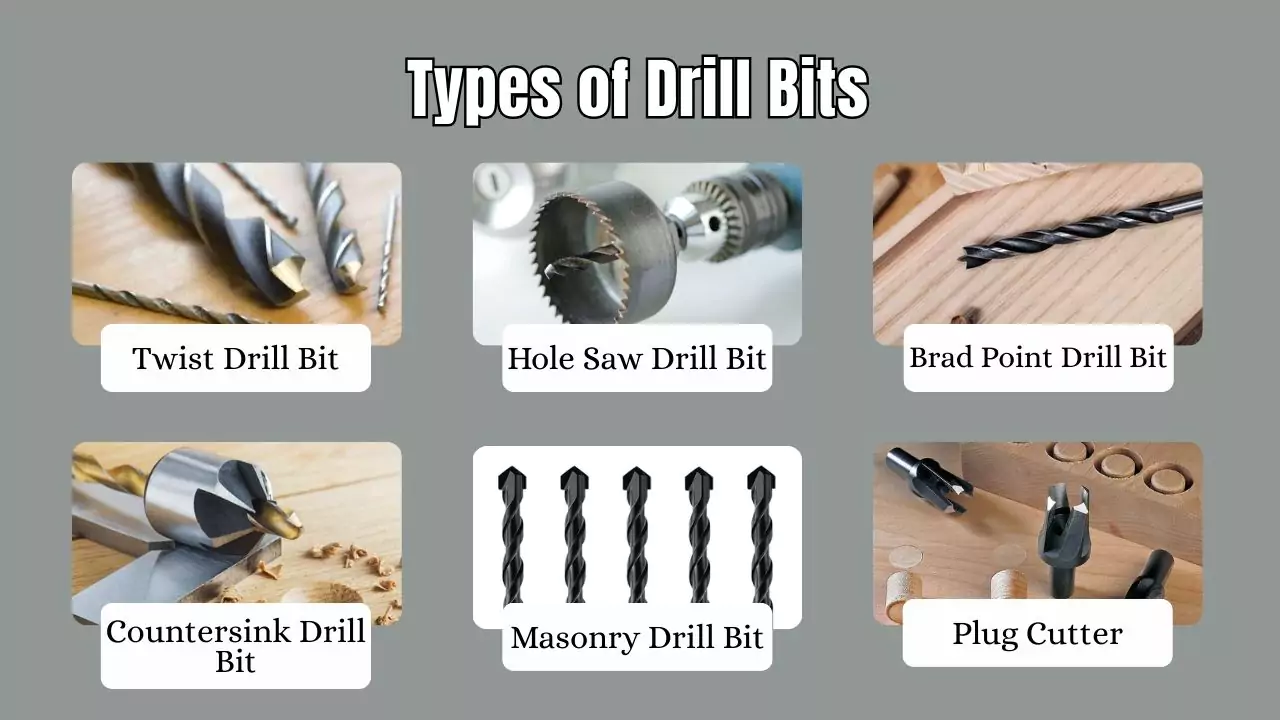
Drill bits come in many types. Each type fits a special job.
Choosing the right drill bit helps you drill clean and fast holes.
Twist Bits
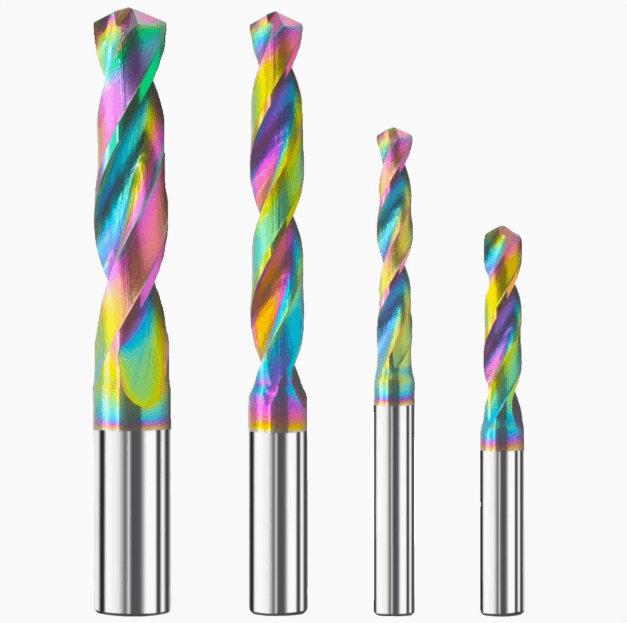
Twist bits are the most common drill bits. They have spiral grooves that remove debris as they drill.
These bits work well on wood, metal, and plastic. They come in many sizes.
Brad Point Bits
Brad point bits are made for wood drilling. They have a sharp tip that keeps the bit from wandering.
These bits make clean, precise holes with little splintering on the wood surface.
Masonry Bits
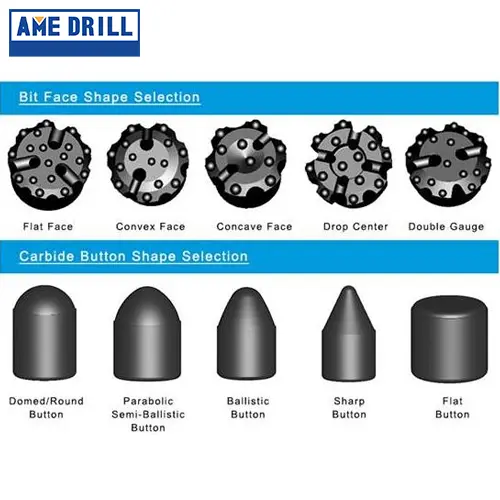
Masonry bits are for drilling into brick, stone, and concrete. They have a strong tip made of carbide.
The tip is tough and can handle hard materials without breaking easily.
Spade Bits
Spade bits have a flat blade with a sharp point. They drill large holes in wood quickly.
These bits are good for rough work where speed matters more than smooth holes.
Forstner Bits
Forstner bits make clean, flat-bottomed holes in wood. They have a center point and circular cutting edges.
These bits are useful for woodworking projects that need neat holes for hardware or hinges.
Hole Saws
Hole saws cut large holes by using a circular saw blade on a drill. They are good for pipes and wiring.
They come in many sizes and work well on wood, metal, and plastic with the right type.

Credit: www.amazon.in
Materials And Coatings
Choosing the right drill bit depends on the material and coating. These factors affect strength and durability. Understanding them helps pick the best bit for your job.
This guide explains common materials and coatings for drill bits. Each type has unique features and uses.
High-speed Steel
High-Speed Steel (HSS) drill bits are common and affordable. They work well for drilling wood, plastic, and soft metals. HSS bits keep their hardness even when hot.
Cobalt
Cobalt drill bits contain a small amount of cobalt metal. This makes them stronger and more heat resistant. They are good for drilling hard metals like stainless steel.
Carbide-tipped
Carbide-tipped bits have a hard carbide tip on a steel body. They last longer and cut faster. These bits are best for tough materials like cast iron and tile.
- Very hard and wear-resistant
- Can handle high speed and heat
- More brittle than steel bits
- Use with care to avoid breaking
Titanium Coated
Titanium-coated drill bits have a thin titanium nitride layer. This coating reduces friction and increases bit life. They are good for metal, wood, and plastic drilling.
| Feature | Benefit |
| Reduced friction | Less heat and wear |
| Improved hardness | Longer bit life |
| Not sharpenable | Coating wears off after resharpening |
Black Oxide
Black oxide drill bits have a black finish that resists rust. They last longer than plain steel bits. These bits are good for general drilling in wood and metal.
Advantages of Black Oxide Coating:
- Corrosion resistance
- Improved durability
- Cost-effective
Choosing The Right Size
Selecting the correct drill bit size is key to a good result. The right size helps the fastener fit well and keeps the material safe.
Using the wrong size can cause damage or weak joints. Learn how to pick the best size for your project.
Matching Bit Size To Drill And Fastener
Choose a bit that matches your fastener size. The hole should be just right for the screw or nail.
If the hole is too small, the fastener may split the wood. If it is too big, the fastener won’t hold tightly.
- Use the drill bit size listed on the fastener package.
- For screws, the bit should match the core diameter (without threads).
- For nails, pick a bit slightly smaller than the nail’s diameter.
Pilot Holes And Clearance Holes
Pilot holes guide screws into hard materials and prevent splitting. They are smaller than the screw’s outer diameter.
Clearance holes are larger. They allow the screw to pass freely through the top piece before gripping the base material.
- Pilot hole size equals the screw’s core diameter.
- Clearance hole size matches the screw’s outer diameter.
- Use a drill bit set with labeled sizes for easy choice.
Depth Considerations
Drill holes deep enough for the fastener to fit fully. Too shallow holes can cause splitting or weak holds.
Use a depth stop or mark the drill bit with tape to drill the right depth each time.
- Measure fastener length before drilling.
- Mark drill bit to control depth.
- Check depth often on thick materials.
Material-specific Tips
Choosing the right drill bit depends on the material you want to drill. Different materials need special bits for best results.
Using the correct drill bit helps you work faster and avoid damage to your tools or material.
Wood Drilling
For wood, use bits with sharp points to start drilling easily. Spade bits and auger bits work well for bigger holes.
Keep the drill speed medium to avoid burning the wood. Clear wood chips often to keep the hole clean.
- Use brad point bits for clean holes
- Spade bits are good for quick, large holes
- Keep drill speed moderate to prevent burning
- Remove wood chips regularly
Metal Drilling
Choose high-speed steel (HSS) or cobalt bits for metal. These bits stay sharp longer and handle heat well.
Use low drill speed and apply steady pressure. Cool the bit with oil to prevent overheating.
- HSS bits are good for soft metals
- Cobalt bits work better with hard metals
- Drill slowly to avoid bit damage
- Use cutting oil to cool the bit
Concrete And Masonry
Use carbide-tipped masonry bits for concrete and bricks. These bits are tough and resist wear from hard surfaces.
Use a hammer drill mode if available. Drill in short bursts and clear dust to keep the bit sharp.
- Carbide-tipped bits last longer on masonry
- Hammer drill mode improves drilling speed
- Drill in short bursts to avoid overheating
- Clear dust from the hole often
Plastic Drilling
Use standard twist drill bits for most plastics. Slow drill speed helps prevent melting or cracking.
Apply gentle pressure and back the bit out to clear plastic shavings. Avoid bits with sharp points that can crack plastic.
- Standard twist bits work well on plastic
- Drill slowly to avoid melting
- Use gentle pressure to prevent cracks
- Clear shavings by pulling the bit out often
Drill Speed And Pressure
Choosing the right drill speed and pressure is important for good results. Using the correct settings helps you drill clean holes and protects the drill bit.
Different materials need different speeds and pressure. Understanding these can make your drilling safer and easier.
Optimal Speeds For Different Materials
Each material needs a specific drill speed. Soft materials need faster speeds. Hard materials need slower speeds.
Choosing the right speed keeps the bit sharp and prevents damage to the material.
| Material | Recommended Drill Speed (RPM) |
|---|---|
| Wood | 1500 – 3000 |
| Aluminum | 1000 – 1500 |
| Steel | 300 – 700 |
| Plastic | 1000 – 2000 |
| Masonry | 300 – 500 |
Applying Consistent Pressure
Use steady pressure while drilling. Too much force can break the bit or damage the material.
Too little pressure slows drilling and causes heat build-up. Find a balance for smooth drilling.
- Push firmly but gently
- Let the drill bit do the work
- Stop if the drill slows down or binds
Avoiding Bit Overheating
Drill bits get hot from friction. Heat can dull or break the bit quickly.
Use proper speed and pressure to reduce heat. Cool the bit by pausing or using lubricant.
- Use cutting oil for metals
- Take breaks to cool the bit
- Reduce speed if the bit smokes or smells burnt
Credit: www.amedrillsupply.ca
Maintenance And Safety
Proper maintenance and safety help your drill bits last longer. They also keep you safe while working. Follow simple steps to care for your tools and protect yourself.
Keep drill bits sharp and store them correctly. Always wear the right safety gear. These habits make your work easier and reduce risks.
Sharpening Drill Bits
Sharp drill bits cut better and need less force. Dull bits can slip and cause accidents. Use a grinding tool or sharpening stone to keep edges sharp.
- Hold the drill bit steady and align it with the grinder.
- Gently grind the cutting edges at the correct angle.
- Cool the bit in water to avoid overheating.
- Check the bit for even sharpness on both sides.
- Repeat sharpening if needed, but avoid removing too much metal.
Proper Storage
Store drill bits in a dry place to stop rust. Use a case or rack to keep bits organized. Avoid tossing bits loosely in a box to prevent damage.
| Storage Method | Benefit |
|---|---|
| Plastic case with slots | Keeps bits separated and safe |
| Wooden rack | Easy access and ventilation |
| Magnetic strip | Quick grab but avoid moisture |
| Drawer with compartments | Organized and dust-free |
Personal Protective Equipment
Wear safety gear to protect your eyes, hands, and ears. Drill bits can cause flying debris and loud noise. Use the right equipment every time you drill.
- Safety goggles to shield your eyes
- Gloves to protect your hands from sharp edges
- Earplugs or earmuffs for noise reduction
- Dust mask to avoid inhaling particles
- Close-fitting clothes to prevent catching in the drill
Credit: samhotool.com
Frequently Asked Questions
What Factors Affect Drill Bit Selection?
Material type, drill bit size, and drill speed affect selection. Consider hardness and thickness of the material for best results. Choose the right bit type for metal, wood, or masonry.
How To Choose The Right Drill Bit Size?
Match drill bit size to the hole diameter needed. Use a drill bit gauge or chart for accuracy. Always select a slightly smaller bit for pilot holes.
What Are Common Drill Bit Types And Uses?
Twist bits are for general use on wood and metal. Masonry bits work for concrete and brick. Spade bits are best for large wood holes.
Can Drill Bit Material Impact Performance?
Yes, drill bits come in high-speed steel, cobalt, and carbide. Harder materials last longer and resist heat better. Choose based on drilling material and frequency of use.
Conclusion
Choosing the right drill bit is crucial for your projects. It ensures efficiency and precision. Always match the drill bit to the material. This prevents damage and extends tool life. Keep your tools sharp and in good condition. Regular maintenance is key.
By considering these tips, you save time and effort. Your work quality will improve significantly. Explore different types and sizes available. Practice makes perfect in selecting the right bit. With practice, you’ll make confident choices. Happy drilling and always prioritize safety in your work.