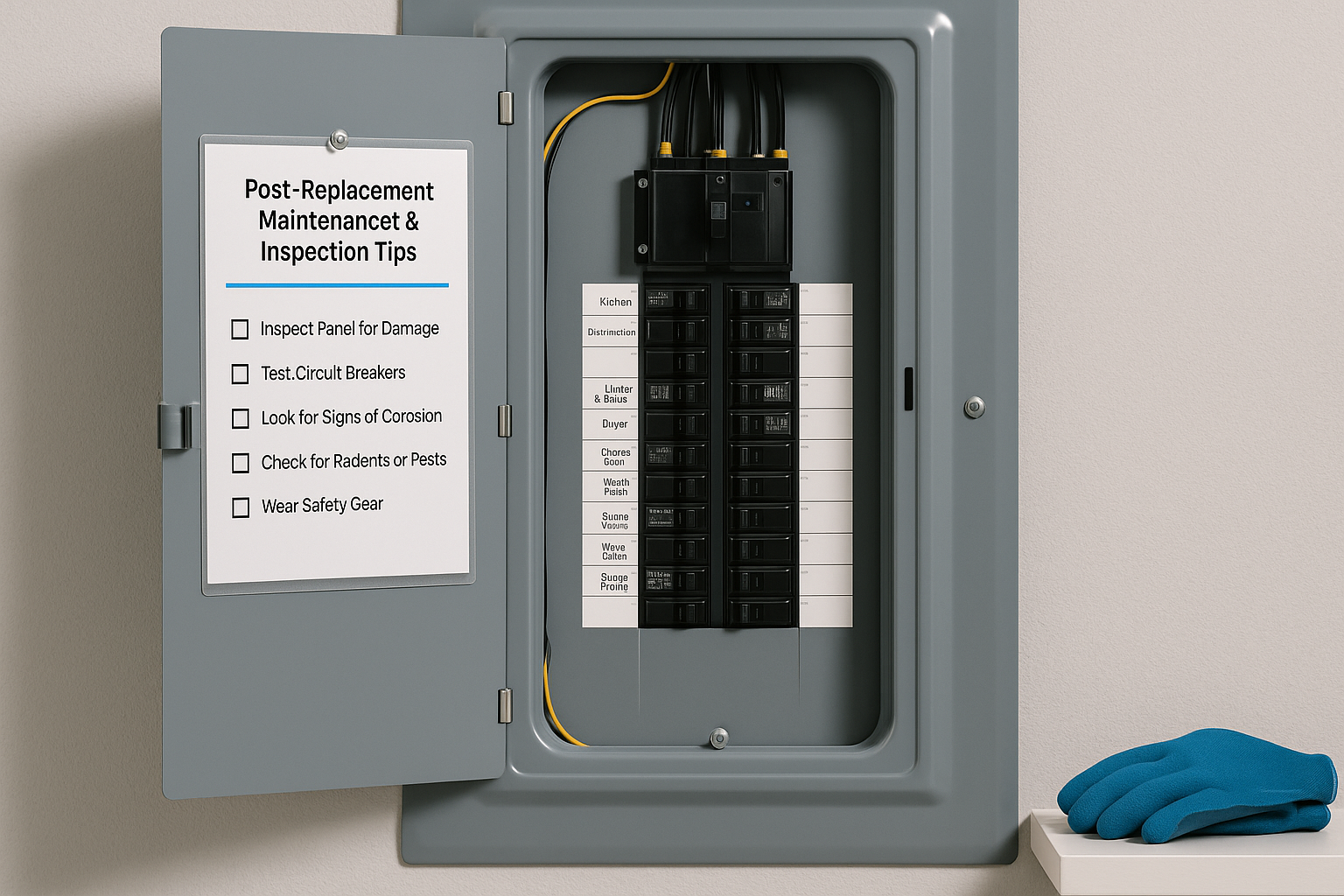
Your home or workplace relies on electrical breakers to keep you safe from power surges and electrical faults. But have you ever stopped to think about how well your breakers are maintained?
Neglecting their upkeep can lead to unexpected outages or even dangerous hazards. You’ll discover simple yet effective electrical breaker maintenance tips that anyone can follow. By taking a few easy steps, you’ll protect your property, save money, and ensure your electrical system runs smoothly.
Keep reading to learn how to keep your breakers in top shape and avoid costly problems down the line.
Signs Of A Faulty Breaker
Electrical breakers protect your home from electrical problems. They stop electricity when there is danger. It is important to know when a breaker is faulty.
Faulty breakers can cause power loss or fire risks. Watch for signs that show your breaker needs maintenance or replacement.
Frequent Tripping Issues
A breaker that trips often may be weak or damaged. It can turn off power without a real problem. This causes frustration and power interruptions.
Frequent tripping can mean the breaker is overloaded or short-circuiting. If it happens too much, call an electrician to check it out.
Burn Marks And Odors
Look for burn marks on the breaker or the panel. Dark spots or melted plastic are clear signs of damage. Strange odors like burning plastic also warn of a problem.
These signs mean the breaker is overheating. Overheating can cause fires. Turn off power and get a professional to inspect it right away.
Unusual Noises
Buzzing, crackling, or popping sounds near the breaker are not normal. These noises show electrical faults inside the breaker or panel.
Do not ignore these sounds. They can mean loose wires or damaged parts. Have an expert check the breaker to keep your home safe.

Credit: www.danwilcoxelectric.com
Tools Needed For Maintenance
Electrical breaker maintenance needs the right tools. Using proper tools keeps you safe and makes work easier.
This guide covers three main tools you need for breaker maintenance: insulated screwdrivers, voltage testers, and protective gear.
Insulated Screwdrivers
Insulated screwdrivers protect you from electric shocks. They have a special coating on the handle and shaft.
Use insulated screwdrivers to tighten or loosen screws in electrical panels safely.
- Look for screwdrivers rated for at least 1000 volts
- Choose sizes that fit the screws in your breaker box
- Inspect insulation for cracks or damage before use
Voltage Tester
A voltage tester checks if wires or breakers have electric current. It helps avoid shocks and mistakes.
Before working on a breaker, always test the voltage to confirm power is off.
- Use a non-contact voltage tester for quick checks
- Choose a tester with clear indicators like lights or sounds
- Test the tester on a known live source before use
Protective Gear
Protective gear keeps you safe from electrical hazards. Always wear the right gear during maintenance.
Basic gear includes gloves, safety glasses, and insulated boots.
- Use rubber gloves rated for electrical work
- Wear safety glasses to protect your eyes
- Insulated boots help prevent electric shocks
- Keep your clothes tight and avoid loose items
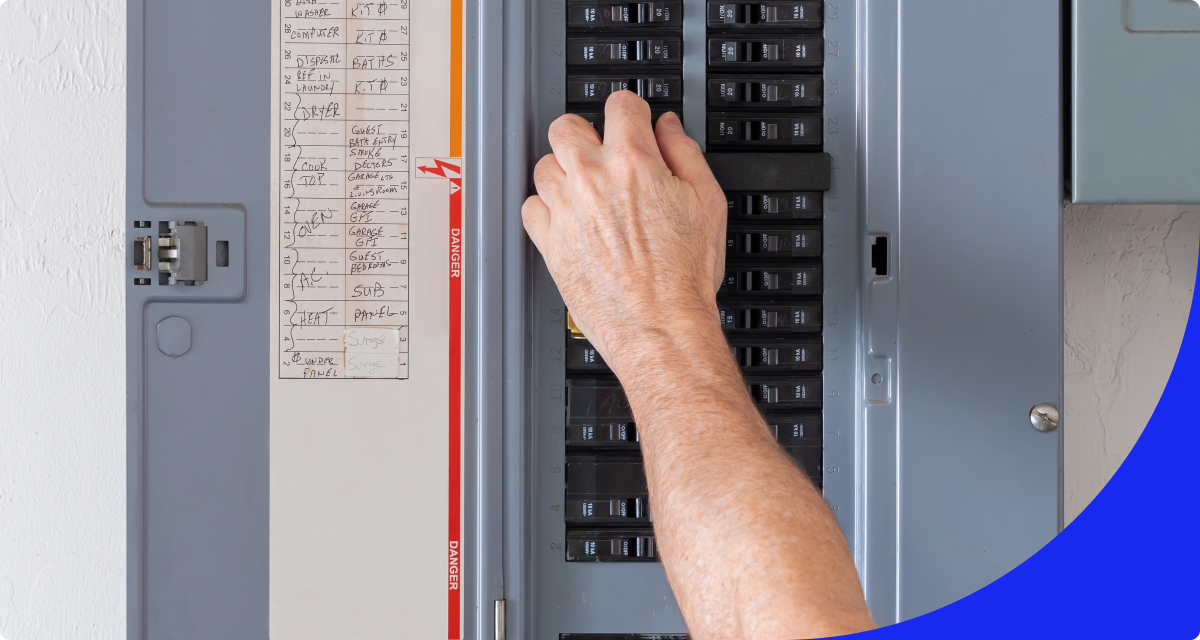
Step-by-step Breaker Inspection
Regular inspection of electrical breakers helps prevent failures and hazards. This guide walks you through key maintenance steps.
Follow these clear steps to keep your breaker in good working condition and ensure safety.
Power Shutoff Procedures
Always turn off the main power before inspecting breakers. This avoids electrical shock and damage.
- Locate the main breaker panel.
- Switch off the main breaker to cut power supply.
- Verify power is off using a voltage tester.
- Use insulated gloves for extra protection.
- Only then, open the breaker panel cover.
Visual Inspection Techniques
Look carefully for signs of damage or wear on the breaker and surrounding parts.
| Inspection Item | What to Check |
|---|---|
| Breaker Switch | Check for cracks or burn marks |
| Panel Interior | Look for dust, rust, or corrosion |
| Wiring | Inspect for frayed or loose wires |
| Labels | Ensure labels are clear and readable |
Tightening Connections
Loose connections can cause overheating and failures. Tighten all screws and terminals firmly.
- Use a screwdriver to check all terminal screws.
- Tighten any loose screws carefully without over-tightening.
- Ensure wires are properly seated under terminals.
- Re-check after tightening to confirm no movement.
Credit: www.onesto-ep.com
Cleaning And Lubrication Tips
Regular maintenance keeps electrical breakers working safely. Cleaning and lubrication help prevent problems.
These tips focus on removing dust and choosing the right lubricant. Applying lubricant correctly is also important.
Removing Dust And Debris
Dust and debris can block breaker parts. Use a soft brush or compressed air to clean them.
Turn off power before cleaning. Avoid using water or wet cloths to prevent damage.
- Switch off the breaker and power supply
- Use a dry, soft brush to remove dust
- Blow compressed air gently on hard-to-reach areas
- Do not use liquids or sprays
Lubricant Selection
Choose a lubricant made for electrical components. It should not attract dust or cause corrosion.
Silicone-based or dry film lubricants work well. Avoid oil-based lubricants that can gum up parts.
- Use silicone spray or dry film lubricant
- Check that the lubricant is non-conductive
- Avoid petroleum-based oils or grease
- Read product labels for electrical safety
Application Methods
Apply lubricant sparingly to moving parts. Too much can cause buildup and attract dust.
Use a small brush or spray nozzle for precise application. Wipe off any excess immediately.
- Turn off power before applying lubricant
- Apply a thin layer to hinges and pivot points
- Do not lubricate electrical contacts directly
- Wipe away extra lubricant with a clean cloth
Testing Breaker Functionality
Electrical breakers protect your home from electrical faults. Testing their functionality helps keep your system safe. Regular checks prevent possible hazards.
Use simple tools and safe methods to confirm breakers work correctly. This guide covers using a multimeter, load testing, and resetting breakers safely.
Using A Multimeter
A multimeter helps check if a breaker allows current to pass. Set it to measure voltage or continuity. Test both sides of the breaker for power flow.
- Turn off power before testing.
- Set the multimeter to the correct mode.
- Place probes on breaker terminals.
- Check for voltage or continuity readings.
- If no reading, breaker may be faulty.
Load Testing
Load testing confirms if a breaker trips under actual electrical load. Use a table to track test results and conditions.
| Test Condition | Expected Result | Actual Result | Pass/Fail |
| No Load | Breaker remains ON | ||
| Normal Load | Breaker remains ON | ||
| Overload | Breaker trips OFF |
Resetting Breakers Safely
Reset breakers carefully to avoid damage or injury. Follow these steps for safety.
- Turn off all connected devices.
- Switch breaker to OFF position firmly.
- Wait a few seconds before switching ON.
- Turn devices back on one at a time.
- Observe for any immediate trips or faults.
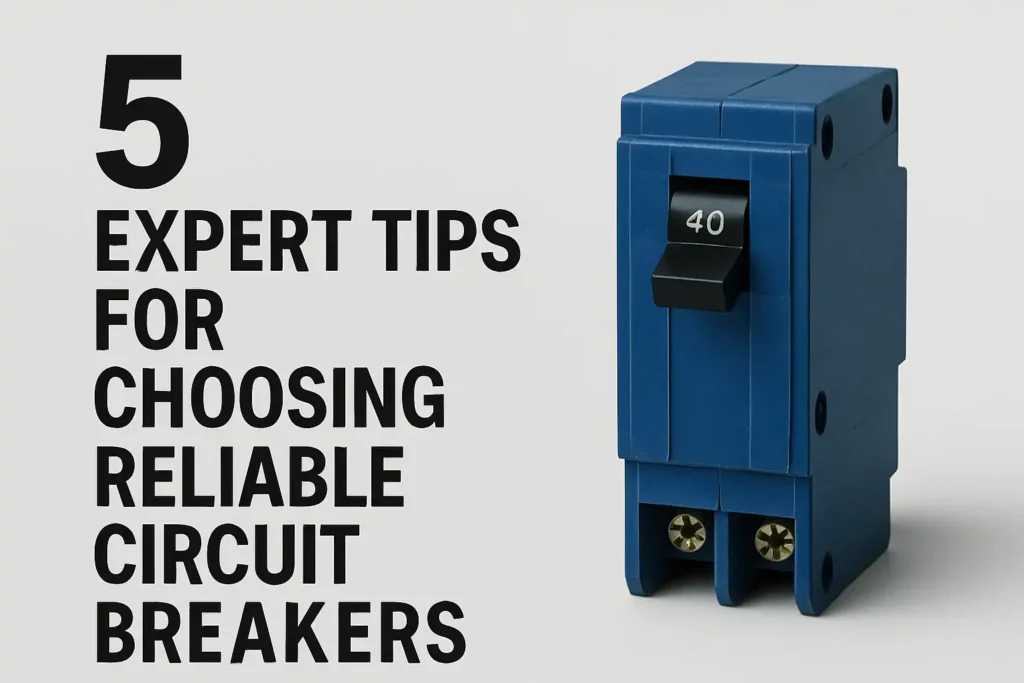
When To Replace A Breaker
Electrical breakers protect your home from electrical faults. Over time, breakers can wear out and fail.
Knowing when to replace a breaker helps keep your home safe and your electrical system working well.
Signs Replacement Is Needed
Breakers show certain signs when they need replacement. Watch for these warning signals to avoid hazards.
- Frequent tripping without overload
- Burn marks or melted plastic on the breaker
- Breaker feels hot to touch
- Breaker does not reset properly
- Age of breaker exceeds 10-15 years
- Electrical shocks or sparks near the panel
Choosing The Right Breaker
Selecting the correct breaker is key for safety and function. Match the breaker to your electrical system needs.
| Breaker Type | Use Case | Amperage Range |
|---|---|---|
| Standard Circuit Breaker | General home circuits | 15A – 60A |
| GFCI Breaker | Wet areas like kitchens and bathrooms | 15A – 50A |
| AFCI Breaker | Protects against electrical fires | 15A – 120A |
| Double-Pole Breaker | High power appliances | 30A – 100A |
Professional Installation
Installing breakers requires skill. A professional ensures correct and safe installation.
- Check for proper breaker compatibility
- Turn off main power before work
- Secure all connections tightly
- Test the breaker after installation
- Follow local electrical codes and standards
Safety Precautions During Maintenance
Working on electrical breakers can be dangerous without the right safety steps. Always follow safety rules to avoid accidents and injuries.
Use proper gear and procedures to keep yourself and others safe during maintenance tasks.
Personal Protective Equipment
Wear the correct protective gear before starting any work on electrical breakers. This gear protects you from electrical shocks and burns.
- Insulated gloves to prevent electric shocks
- Safety goggles to protect eyes from sparks
- Flame-resistant clothing to reduce burn risks
- Hard hats to guard against head injuries
- Rubber-soled boots for electrical insulation
Lockout/tagout Procedures
Always use lockout/tagout to keep the breaker off while you work. This stops accidental power flow that can cause serious harm.
| Step | Action |
| 1 | Turn off the main power supply |
| 2 | Attach a lock to the breaker switch |
| 3 | Place a tag with your name and date |
| 4 | Verify that the breaker is off by testing |
| 5 | Only remove lock and tag after work is done |
Avoiding Common Hazards
Be alert to risks that happen often during breaker maintenance. Knowing these hazards helps you avoid accidents.
- Never touch live wires or parts without power off
- Keep the work area dry to avoid electric shocks
- Watch for loose connections that can cause sparks
- Do not wear metal jewelry during work
- Use tools with insulated handles only
Credit: www.ahs.com
Frequently Asked Questions
What Is The Best Frequency For Electrical Breaker Maintenance?
Electrical breaker maintenance should be done at least once a year. Regular checks help prevent failures and ensure safety. High-use or critical systems may require more frequent inspections to maintain optimal performance and avoid electrical hazards.
How Do I Identify Signs Of Breaker Malfunction?
Look for frequent trips, unusual noises, or burning smells near the breaker. These signs indicate potential issues like overloads or internal damage. Early detection helps prevent electrical fires and system failures by prompting timely maintenance or replacement.
Can I Perform Breaker Maintenance Myself Safely?
Basic maintenance like visual inspections and cleaning dust is safe for homeowners. However, detailed testing and repairs should be done by licensed electricians. Electrical breakers handle high voltage, and improper handling can cause injury or further damage.
Why Is Breaker Maintenance Important For Home Safety?
Regular maintenance ensures breakers function correctly during faults, preventing electrical fires and shocks. It helps identify wear and tear early, reducing the risk of power outages. Proper upkeep extends breaker lifespan and protects your home’s electrical system.
Conclusion
Regular electrical breaker maintenance keeps your home safe. Inspect breakers for any signs of wear. Clean them gently with a dry cloth. Tighten any loose connections. Replace damaged breakers promptly. Regular checks prevent unexpected power failures. Safety always comes first.
Follow these tips to maintain efficiency. A little effort goes a long way. Protect your home and family. It’s simple and essential. Maintenance can save time and money. Ensure your electrical system runs smoothly. Stay proactive with these easy steps.
Your home deserves the best care. Keep it safe and sound.
