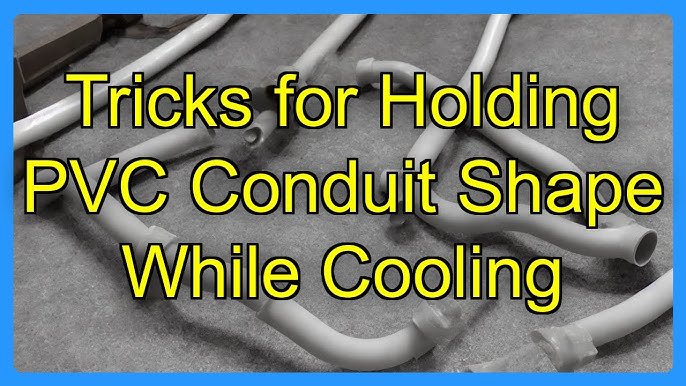
Are you struggling to bend electrical conduit just right? Getting those bends perfect can save you time, effort, and frustration on any project.
Whether you’re a beginner or looking to sharpen your skills, mastering electrical conduit bending techniques is key to a clean, professional finish. You’ll discover simple tips and tricks that make bending easier and more precise. Keep reading to transform your approach and boost your confidence every time you pick up that conduit bender.
Types Of Electrical Conduits
Electrical conduits protect and route electrical wiring in buildings. Different types serve different purposes and environments.
Choosing the right conduit depends on the installation location, flexibility needs, and protection level required.
Rigid Metal Conduit
Rigid Metal Conduit (RMC) is a thick, heavy metal tube. It offers strong mechanical protection for wires.
RMC is good for outdoor or industrial use. It resists impact and corrosion well.
Flexible Metal Conduit
Flexible Metal Conduit (FMC) is made of spiraled metal that bends easily. It helps in tight or complex spaces.
- Allows easy routing around obstacles
- Used in machinery or movable equipment
- Provides moderate protection against damage
Electrical Metallic Tubing
Electrical Metallic Tubing (EMT) is a thin-walled metal conduit. It is lighter and easier to bend than RMC.
EMT is common indoors for wiring in commercial buildings. It offers good protection and is cost-effective.
Non-metallic Conduit
Non-Metallic Conduit (NMC) uses plastic materials like PVC. It is lightweight and resists moisture and chemicals.
| Type | Material | Best Use |
| RMC | Steel or Aluminum | Outdoor and Industrial |
| FMC | Spiraled Metal | Flexible Routing |
| EMT | Thin Steel | Indoor Commercial |
| NMC | PVC or Plastic | Wet or Corrosive Areas |
Credit: ftp.spaceneedle.com
Essential Tools For Bending
Bending electrical conduit needs the right tools. These tools help shape conduits safely and correctly.
Using proper tools makes bending easier and ensures a good fit in electrical installations.
Manual Benders
Manual benders are simple tools for shaping conduit by hand. They work well for small jobs.
These benders come in different sizes for various conduit diameters. They use leverage to bend pipes.
- Lightweight and portable
- Good for quick bends
- Require physical effort
- Ideal for tight spaces
Hydraulic Benders
Hydraulic benders use fluid pressure to bend conduit. They need less strength from the user.
These benders are suited for large or thick conduits. They provide smooth, precise bends.
- Powerful and efficient
- Reduce user fatigue
- Require a power source
- Best for heavy-duty work
Measuring Tools
Measuring tools help mark conduit before bending. Accurate measurements prevent mistakes.
Common measuring tools include tape measures and angle finders. They ensure correct bend angles.
- Tape measure for length
- Protractor or angle finder for angles
- Marker or pencil for marks
- Level to check straightness
Safety Gear
Safety gear protects you while bending conduit. It reduces the risk of injury.
Wear gloves, safety glasses, and sturdy shoes. These items keep your hands, eyes, and feet safe.
- Gloves to protect hands
- Safety glasses for eye protection
- Steel-toed shoes for foot safety
- Long sleeves to avoid cuts
Basic Bending Techniques
Bending electrical conduit is a key skill for safe and neat wiring. It helps fit conduit around corners and obstacles.
Using proper bending techniques saves time and prevents damage to the conduit and wires inside.
Identifying Bend Points
Bend points are spots where the conduit needs to change direction. Find them by measuring the space carefully.
Look for walls, corners, or equipment that the conduit must go around. Mark these points before bending.
Marking And Measuring
Measure the distance from the conduit end to the bend point. Use a tape measure for accuracy.
Mark the conduit clearly at the bend point with a pencil or marker. Double-check all measurements.
- Measure twice to avoid mistakes
- Mark the exact spot for the bend
- Use a straight edge for clear lines
Forming Standard Bends
Standard bends include 90-degree and 45-degree bends. Use a conduit bender to form these shapes.
Place the conduit in the bender at the mark. Pull the handle slowly to bend the conduit to the needed angle.
- Align the mark with the bender’s arrow
- Bend slowly to avoid kinks
- Check angle with a protractor or angle finder
Avoiding Common Mistakes
Do not rush when bending conduit. Rushing causes sharp bends and damage.
Do not bend too close to the conduit end. This can weaken the pipe and make wiring harder.
- Measure carefully before bending
- Use the right bender size for your conduit
- Make smooth bends without kinks
- Keep bends away from conduit ends

Credit: medium.com
Advanced Bending Methods
Electrical conduit bending is important for neat and safe wiring. Advanced bending methods help fit conduits in tight spaces.
These methods include special bends that shape conduits around obstacles or change directions smoothly.
Offset Bends
Offset bends move the conduit over or around an obstacle. This lets the conduit keep running straight but at a different level.
They require two bends at equal angles with a straight section between them.
- Measure the height and distance of the offset
- Bend the conduit at the correct angles
- Keep the bends parallel to avoid twisting
Saddle Bends
Saddle bends let the conduit go over a pipe or other object. The conduit forms a small hump to clear the obstacle.
This bend uses two offset bends close together and a straight section between them.
- Identify the obstacle’s height and width
- Make two offset bends at the right distance
- Maintain smooth curves to avoid damage
Back-to-back Bends
Back-to-back bends allow the conduit to change direction quickly in a small space. The bends face each other closely.
This method is useful for sharp turns or tight corners.
- Mark two bend points close together
- Bend the conduit at opposite angles
- Check the angle to fit the space exactly
Three-point Bends
Three-point bends create a smooth curve with three bends. This helps guide conduit around corners or obstacles.
This method uses two outside bends with a center bend in the opposite direction.
- Mark three points on the conduit
- Bend the first and third points outward
- Bend the middle point inward to shape the curve
Tips For Precision And Efficiency
Electrical conduit bending needs accuracy to fit pipes properly. Precise bends save time and reduce waste. This guide shares key tips to improve your bending work.
Using simple methods and the right tools helps you bend conduits faster. Focus on good habits and clear planning to get the best results every time.
Consistent Measuring Practices
Always measure twice before bending. Use a reliable tape measure or ruler. Mark the pipe clearly to avoid mistakes. Consistency in measuring ensures each bend fits the design.
Using Templates And Jigs
Templates and jigs help make repeat bends with the same shape and angle. They guide the pipe and reduce guesswork. This saves time and keeps the work neat.
- Choose or make a jig that fits your conduit size
- Check the template’s angle before bending
- Use jigs for complex or multiple bends
- Store templates safely to keep them accurate
Maintaining Tools
Clean and sharpen your bending tools regularly. Well-maintained tools bend smoothly and reduce pipe damage. Check for wear or cracks before each use.
| Tool | Maintenance Task | Frequency |
| Bender | Lubricate moving parts | Monthly |
| Measuring Tape | Clean and check markings | Weekly |
| Templates | Inspect for damage | Before use |
Planning Bend Sequences
Plan your bends in order before starting. This avoids mistakes and pipe clashes. Think about the space and how the conduit will fit in the area.
- Review the layout and bend locations
- Decide the order of bends for easy handling
- Mark the conduit for each bend
- Bend slowly and check angles often

Credit: shieldenstrut.com
Troubleshooting Bending Issues
Bending electrical conduit correctly is important for safety and fit. Sometimes problems like kinks or cracks appear. These issues need quick fixes to avoid delays.
This guide covers common bending problems and how to fix them. You will learn about dealing with material limits and adjusting bends on site.
Dealing With Kinks And Cracks
Kinks and cracks weaken the conduit and can cause electrical hazards. They often happen from too much force or wrong tools.
- Use the right bender size for the conduit diameter.
- Apply steady pressure, not quick jerks.
- Inspect conduit before bending for damage.
- If a kink occurs, cut out the damaged part and re-bend a new section.
Correcting Inaccurate Bends
Bends may not be at the right angle or position. This can cause fitting problems in tight spaces.
To fix inaccurate bends, try these methods:
- Mark bend points clearly before starting.
- Use angle guides on the bender tool.
- Slowly adjust the bend by hand if small corrections are needed.
- Replace conduit if the bend is too far off.
Handling Material Limitations
Some conduits are harder to bend due to their material type or thickness. Knowing these limits helps avoid damage.
| Material | Bend Difficulty | Tips |
|---|---|---|
| EMT (Thin Steel) | Easy | Use standard hand bender |
| Rigid Steel | Hard | Use hydraulic bender or heat |
| PVC | Moderate | Heat gently before bending |
| Aluminum | Moderate | Use sharp, slow bends to avoid cracking |
Adjusting For Field Conditions
Field conditions like uneven ground or tight spaces affect bending quality. Adjust your technique to fit the environment.
Try these tips:
- Use a portable bending stand for level support.
- Work with helpers to hold conduit steady.
- Measure space carefully before bending.
- Make smaller bends to fit odd angles.
Safety Precautions During Bending
Bending electrical conduit requires care to avoid injuries. Following safety rules protects you and others on site.
Use the right equipment and stay aware of your surroundings. Safety helps you work efficiently and prevents accidents.
Proper Personal Protective Equipment
Wear the right protective gear before bending conduit. This gear reduces the risk of cuts, bruises, and eye injuries.
- Safety glasses to protect your eyes from flying debris
- Gloves to protect your hands from sharp edges
- Steel-toed boots for foot protection
- Long sleeves to shield your arms
Safe Handling Of Tools
Use tools carefully to avoid accidents. Keep tools clean and in good shape to work smoothly.
| Tool | Safety Tip |
| Bender | Check for cracks or damage before use |
| Measuring tape | Retract slowly to avoid injury |
| Hammer | Use with a firm grip and proper force |
| Gloves | Wear to improve grip and protect hands |
Working In Confined Spaces
Confined spaces limit your movement and increase risk. Stay alert and keep the area well-lit and ventilated.
Follow these tips when working in tight areas:
- Do not work alone; have a spotter nearby.
- Keep tools organized to avoid tripping.
- Take breaks to avoid fatigue.
- Use portable lights to improve visibility.
Electrical Hazard Awareness
Always check for live wires before bending conduit. Contact with electricity can cause serious harm or death.
- Turn off power to the work area
- Use a voltage tester to confirm no current
- Keep metal tools away from energized circuits
- Stay clear of wet or damp conditions
Frequently Asked Questions
What Are Common Electrical Conduit Bending Techniques?
Common techniques include the use of a hand bender, pipe bender, and rotary bender. Each method offers precise angle control for smooth conduit bends. Choosing the right technique depends on conduit size and project requirements, ensuring safe and efficient electrical installations.
How Do You Measure Angles For Conduit Bending?
Use a protractor or angle finder to measure conduit bend angles accurately. Mark the bend point on the conduit before bending. Correct measurement ensures proper alignment and prevents damage or stress on electrical wiring inside the conduit.
What Tools Are Essential For Conduit Bending?
Essential tools include a conduit bender, measuring tape, marker, and level. These tools help create accurate bends and maintain the conduit’s structural integrity. Using the right tools enhances safety and professionalism in electrical conduit installations.
Why Is Accurate Bending Important In Electrical Conduits?
Accurate bending prevents conduit damage and ensures proper wire routing. It reduces strain on electrical cables and maintains system safety. Precise bends lead to efficient installation and long-lasting electrical system performance.
Conclusion
Mastering electrical conduit bending takes practice and patience. Each technique serves a purpose. Proper bending ensures safety and efficiency. Always measure accurately to avoid mistakes. Use the right tools for the best results. Practice different methods to gain confidence. Remember, safety first when working with electricity.
Consult professionals if unsure about any step. Keep learning and improving your skills. With time, your bending techniques will improve. Stay dedicated and focused for the best outcomes.