Are you confident that your home or workplace is properly protected from electrical hazards? Understanding electrical grounding is key to keeping you, your family, and your property safe.
This guide will break down everything you need to know about electrical grounding in simple terms. By the end, you’ll feel empowered to check your own setup or talk confidently with a professional. Don’t leave your safety to chance—keep reading to discover how proper grounding can prevent shocks, fires, and costly damage.
Credit: www.jadelearning.com
Basics Of Electrical Grounding
Electrical grounding is a safety practice used in electrical systems. It helps protect people and equipment from electric shocks and damage.
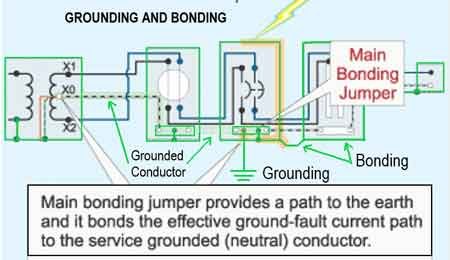
Grounding provides a safe path for electricity to flow into the earth. This prevents dangerous voltage buildup in electrical devices.
Purpose Of Grounding
Grounding keeps electrical systems safe and stable. It helps in many ways, such as:
- Protecting people from electric shocks
- Preventing damage to electrical devices
- Reducing the risk of fire caused by electrical faults
- Stabilizing voltage levels in the system
- Helping circuit breakers work correctly
Types Of Grounding Systems
There are several types of grounding systems used in electrical installations. Each type has a specific use and method.
| Grounding Type | Description | Common Use |
|---|---|---|
| Equipment Grounding | Connects metal parts of equipment to earth ground. | Protects people from shock by preventing energized parts. |
| System Grounding | Connects one system conductor to ground. | Controls voltage during faults and stabilizes system voltage. |
| Static Grounding | Prevents static electricity buildup. | Used in areas with flammable materials to avoid sparks. |
| Signal Grounding | Provides a reference point for electronic signals. | Used in sensitive electronic circuits to reduce noise. |
Key Components In Grounding
Electrical grounding protects people and equipment from electrical faults. It provides a safe path for electricity to flow into the earth. Understanding the key parts helps ensure safe and effective grounding systems.
Three main components make up a grounding system. These are grounding electrodes, ground conductors, and grounding connectors. Each part plays a specific role in the safety and function of the system.
Grounding Electrodes
Grounding electrodes are metal parts that touch the earth. They send electrical current safely into the ground. Common types include rods, plates, and pipes made of copper or steel.
- Ground rods driven into the soil
- Metal water pipes buried underground
- Concrete-encased electrodes
- Ground plates placed in soil
Ground Conductors
Ground conductors are wires that connect parts of the grounding system. They carry electricity from electrical equipment to the grounding electrode. These wires must be strong and resistant to corrosion.
| Type | Material | Use |
| Equipment Grounding Conductor | Copper or aluminum | Connects equipment frames to ground |
| Grounding Electrode Conductor | Copper or copper-clad steel | Connects electrode to grounding system |
| Bonding Jumper | Copper | Connects metal parts together |
Grounding Connectors
Grounding connectors join grounding conductors to electrodes or equipment. They must fit tightly to prevent loose connections. Good connectors resist corrosion and keep the system safe.
- Clamp connectors for rods and pipes
- Compression connectors that use pressure
- Exothermic welds for permanent bonds
- Screw-on lugs for equipment grounding
Safety Benefits Of Proper Grounding
Proper electrical grounding is essential for safety in homes and workplaces. It helps protect people and equipment from electrical hazards.
This guide explains how grounding prevents electrical shock and reduces fire risks.
Preventing Electrical Shock
Grounding directs stray electricity safely into the earth. This lowers the chance of electric shock for anyone using electrical devices.
- Stops electrical current from passing through the human body
- Protects against damage from electrical faults
- Ensures circuit breakers work correctly
- Keeps metal parts of equipment safe to touch
Reducing Fire Risks
Proper grounding helps prevent electrical fires by managing excess electricity and avoiding overheating.
| Cause | How Grounding Helps |
| Short Circuits | Directs fault current safely to ground |
| Overloaded Circuits | Allows breakers to trip quickly |
| Static Electricity | Discharges static buildup to prevent sparks |

Credit: www.angi.com
Grounding For Electrical Efficiency
Electrical grounding helps systems run safely and smoothly. It directs unwanted electricity away from devices.
Good grounding improves power use and protects equipment from damage.
Improving Equipment Performance
Proper grounding stabilizes voltage levels for machines. It reduces the chance of power surges that harm parts.
- Prevents overheating of electrical components
- Enhances the lifespan of devices
- Ensures consistent power flow
- Reduces the risk of short circuits
Minimizing Electrical Noise
Electrical noise can cause errors and slow down machines. Grounding cuts down this interference.
| Noise Source | Effect on Equipment | Grounding Benefit |
| Static electricity | Malfunctions and data loss | Redirects static charge safely |
| Electromagnetic interference | Signal distortion | Blocks unwanted signals |
| Radio frequency interference | Communication errors | Stabilizes signal reception |
Common Grounding Mistakes To Avoid
Electrical grounding is important for safety and system reliability. Mistakes in grounding can cause shocks and damage.
Knowing common errors helps prevent problems in your electrical setup. Avoid these mistakes to keep your system safe.
Incorrect Electrode Installation
Electrodes must be installed correctly to create a good ground connection. Wrong placement or depth lowers effectiveness.
Common errors include placing electrodes in dry soil or too close to each other. These reduce grounding performance.
- Install electrodes in moist, conductive soil
- Space electrodes properly to avoid interference
- Drive electrodes deep enough for stable grounding
- Avoid corrosion by using proper materials
Poor Bonding Practices
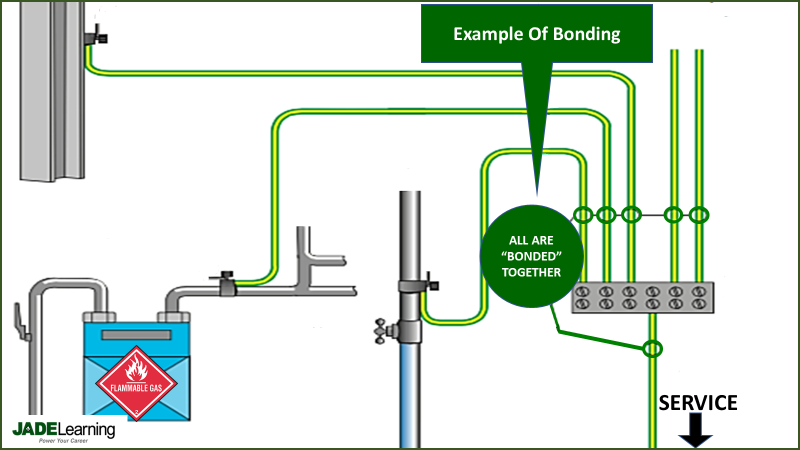
Bonding connects all metal parts to the ground system. Poor bonding can cause dangerous voltage differences.
Many errors happen from loose connections or missing bonds. This causes shock hazards and equipment damage.
- Ensure tight and secure connections
- Bond all metal parts that can carry current
- Use proper bonding conductors with correct size
- Inspect bonds regularly for corrosion and looseness
Step-by-step Grounding Installation
Proper electrical grounding protects people and equipment. This guide explains how to install grounding safely and correctly.
Follow these steps to ensure a secure grounding system at your site.
Site Assessment
Start by checking the location where grounding will be installed. Look for soil type, moisture, and space available.
- Test soil resistance with a ground resistance tester
- Check for nearby underground utilities
- Ensure the area is free from debris and obstacles
- Confirm accessibility for future maintenance
Material Selection
Choose the right materials for your grounding system. Quality parts last longer and work better.
| Material | Use | Benefit |
| Copper Rod | Ground electrode | Good conductivity and corrosion resistance |
| Galvanized Steel Rod | Ground electrode | Cost-effective but less corrosion-resistant |
| Copper Wire | Connection conductor | Flexible and durable |
| Ground Clamp | Secure connections | Prevents loosening and corrosion |
Installation Procedures
Install grounding by following these clear steps to ensure safety and compliance.
- Drive the grounding rod vertically into the ground at least 8 feet deep.
- Attach the grounding wire securely to the rod with a ground clamp.
- Run the grounding wire to the main electrical panel or equipment.
- Connect the grounding wire to the grounding bus bar inside the panel.
- Test the system with a ground resistance tester to confirm proper grounding.
Testing And Maintenance Tips
Electrical grounding systems need regular checks to keep them safe and working well.
Testing and maintenance help find problems early and stop damage or accidents.
Ground Resistance Testing
Ground resistance testing measures how well the grounding system conducts electricity to the earth.
- Use a ground resistance tester or earth tester device.
- Test during dry weather for accurate results.
- Check all grounding rods and connections.
- Compare results with local electrical codes.
- Repeat testing at least once a year.
Regular Inspection
Inspect the grounding system to find wear, rust, or loose connections.
| Inspection Item | What to Check | Frequency |
| Ground Rod | Rust, corrosion, and damage | Every 6 months |
| Connections | Tightness and corrosion | Every 3 months |
| Wiring | Insulation and breaks | Every 6 months |
| Test Results | Compare with previous tests | Annually |
Grounding In Different Environments
Electrical grounding is important for safety and system stability. It helps prevent electrical shocks and damage.
Different environments need different grounding approaches. This guide covers grounding in homes, businesses, and factories.
Residential Grounding
Homes use grounding to protect people and devices. A grounding rod is often driven into the earth near the house.
The grounding system connects the electrical panel to this rod. It stops electric shocks during faults or lightning strikes.
- Ground rods are placed at least 8 feet deep
- Ground wires connect the panel to the rod
- Metal pipes may also be part of grounding
- Regular checks ensure the system works well
Commercial And Industrial Grounding
Businesses and factories need stronger grounding systems. They use more power and have complex equipment.
These systems use multiple ground rods, grids, or mats to spread electrical current safely into the earth.
- Ground grids cover large areas under the building
- Multiple rods connect to reduce resistance
- Special grounding for sensitive machines
- Regular testing is critical for safety
Latest Standards And Regulations
Electrical grounding is essential for safety and system performance. It protects people and equipment from electrical faults.
Standards and rules guide how to install and maintain grounding systems properly. These rules change as technology advances.
National Electrical Code
The National Electrical Code (NEC) sets rules for electrical grounding in the United States. It updates every three years to improve safety.
NEC covers grounding methods for buildings, equipment, and wiring systems. It helps reduce electric shock and fire risks.
- Defines grounding electrode systems
- Specifies conductor sizes for grounding
- Details grounding for electrical panels and devices
- Requires proper bonding of metal parts
- Includes rules for grounding in special locations
International Standards
International bodies set global rules for electrical grounding. These standards help unify safety practices worldwide.
Organizations like the International Electrotechnical Commission (IEC) publish standards used in many countries. They guide grounding for different electrical systems.
- IEC 60364 covers electrical installations and grounding
- Sets grounding requirements for power systems and equipment
- Includes protection against electrical shock and lightning
- Recommends testing and maintenance procedures
- Supports sustainable and safe electrical design

Credit: www.dfliq.net
Frequently Asked Questions
What Is Electrical Grounding And Why Is It Important?
Electrical grounding connects electrical systems to the earth. It prevents electrical shock, protects equipment, and ensures safety. Grounding stabilizes voltage levels and reduces fire risks caused by electrical faults.
How Does Grounding Protect Electrical Devices?
Grounding directs excess electricity safely into the earth. It prevents damage from power surges, lightning, and faults. This protection extends the life of electrical devices and reduces repair costs.
What Materials Are Commonly Used For Grounding?
Copper and galvanized steel are common grounding materials. Copper offers excellent conductivity and corrosion resistance. Steel is durable and cost-effective but may require protective coatings.
Can Improper Grounding Cause Electrical Hazards?
Yes, improper grounding can lead to shocks, fires, and equipment failure. It compromises safety and increases the risk of electrical accidents. Proper grounding ensures safe and reliable electrical operation.
Conclusion
Understanding electrical grounding keeps your home and devices safe. A secure electrical system prevents unwanted shocks and fires. Grounding directs excess electricity safely into the earth. It protects both people and property. Regular checks ensure your grounding system works effectively.
Hire a professional for complex issues. Safety should always come first. Learning the basics empowers you to make informed decisions. Remember, proper grounding saves lives. Keep your home safe and secure. Stay informed, stay safe.