Your electrical panel is the heart of your home’s power system. If it’s not safe, you could face serious risks like electrical shocks, fires, or costly repairs.
That’s why you need a simple, clear checklist to keep your panel in top shape. You’ll discover easy steps to spot dangers before they become problems. By following this safety checklist, you’ll protect your home, your family, and your peace of mind.
Keep reading to make sure your electrical panel is safe and secure.
Signs Of Electrical Panel Issues
Electrical panels control power in your home. They keep electricity flowing safely.
Knowing signs of trouble helps prevent accidents and costly repairs.
Frequent Circuit Breaker Trips
When circuit breakers trip often, it shows overload or a short circuit. This stops power to prevent damage.
- Too many devices on one circuit
- Faulty wiring inside walls
- Damaged circuit breakers
- Old or worn-out electrical panel
Burning Smell Or Discoloration
A burning smell near your panel means wires may be overheating. Discoloration or melted parts also show heat damage.
| Warning Sign | Possible Cause |
| Burning Smell | Overheating wires or connections |
| Yellow or Brown Stains | Heat damage on panel or walls |
| Melted Plastic | High heat from electrical faults |
Buzzing Or Crackling Noises
Buzzing sounds may come from loose wires or overloaded circuits. Crackling noises can mean sparks inside the panel.
Sounds to watch for:
- Low buzzing or humming
- Crackling or popping noises
- Clicking sounds when breakers trip
Credit: www.luminpdf.com
Routine Inspection Steps
Inspecting your electrical panel regularly keeps it safe and working well. This helps find problems before they get worse.
Follow simple steps to check your panel. These steps include looking at it, checking connections, and testing breakers.
Visual Examination
Look closely at the panel cover and inside for damage or dirt. Check for signs of rust, burn marks, or water leaks.
Make sure the panel door fits tightly and the labels are clear. Remove any dust or debris that could cause problems.
Checking For Loose Connections
Turn off the main power before touching wires. Use a screwdriver to gently tighten any loose screws on wires and terminals.
Loose connections can cause sparks or overheating. Check all wires carefully to keep the panel safe.
- Inspect wire terminals for tight fit
- Look for damaged or frayed wires
- Tighten screws that hold wires in place
Testing Breaker Functionality
Switch each breaker off and on to check if it moves smoothly. Listen for clicks that show it works well.
Test breakers using a voltage tester or call a professional if unsure. This keeps your system safe from overloads.
- Turn breakers fully off and then on
- Use a voltage tester to check power flow
- Replace breakers that do not work properly
Safety Precautions During Inspection
Inspecting an electrical panel needs care to avoid accidents. Safety must be the top priority. Follow strict steps to keep yourself safe while working.
Understanding safety rules helps prevent electric shocks and injuries. Use the right tools and protective gear for each task.
Power Shutoff Procedures
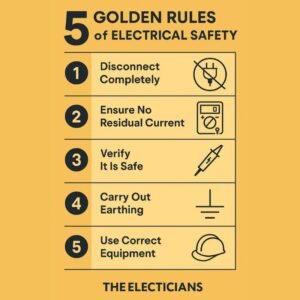
Always turn off the power before inspecting an electrical panel. Check the main breaker switch and verify power is off using a tester. This step is vital to prevent electric shock.
- Locate the main power switch or breaker.
- Switch the power off completely.
- Use a voltage tester to confirm no electricity flows.
- Do not rely on switches alone; always test.
- Post warning signs if needed to keep others away.
Proper Use Of Tools
Use insulated tools designed for electrical work. Check tools for damage before use. Using wrong or broken tools can cause short circuits or injuries.
| Tool | Purpose | Safety Tip |
| Insulated Screwdriver | Tighten or loosen screws | Check insulation for cracks |
| Voltage Tester | Check power presence | Test on known live source first |
| Wire Stripper | Remove wire insulation | Use correct size for wire |
Personal Protective Equipment
Wear protective gear to reduce injury risks. Gloves and goggles protect against shocks and sparks. Use flame-resistant clothing if possible.
- Insulated rubber gloves to prevent electric shock
- Safety goggles to protect eyes from sparks
- Non-conductive footwear to avoid grounding
- Long-sleeve flame-resistant shirts for skin protection
- Hard hats if working near overhead hazards

Credit: www.fulcrumapp.com
Upgrading Your Electrical Panel
Electrical panels control the flow of electricity in your home. Upgrading them can improve safety and power capacity.
Old or faulty panels can cause electrical problems. Knowing when and how to upgrade helps protect your home.
When To Consider An Upgrade
Consider upgrading if your electrical panel is outdated or damaged. Signs include frequent breaker trips or flickering lights.
Adding new appliances or home additions may need more electrical capacity. Upgrading prevents overloads and hazards.
- Panel is more than 20-30 years old
- Frequent breaker trips or blown fuses
- Home renovation or new appliances
- Panel shows signs of rust or damage
Choosing The Right Panel
Choose a panel that fits your home’s size and electrical needs. Look for panels with enough circuits for your appliances.
Modern panels offer better safety features and support higher power loads. Check the panel’s amperage rating before buying.
- Match panel size with home electrical load
- Consider future power needs
- Look for panels with safety certifications
- Choose a brand with good reviews
Hiring A Licensed Electrician
Always hire a licensed electrician for panel upgrades. They have the training to do the job safely and follow codes.
A professional ensures the panel is installed correctly. This lowers the risk of electrical fires and damage.
- Check electrician’s license and insurance
- Ask for references or reviews
- Get a written estimate before starting
- Ensure they follow local electrical codes
Preventing Electrical Hazards
Electrical panels control power in buildings. Keeping them safe stops fires and shocks. Use a checklist to find dangers early.
Regular checks help protect people and property. Follow simple steps to keep electrical panels safe.
Avoiding Overloads
Do not connect too many devices to one circuit. Overloads cause wires to heat and start fires. Know the panel’s limits.
Use the right breaker size for each circuit. Replace old or damaged breakers quickly to prevent failures.
- Check the total load on each circuit
- Keep breaker ratings within safe limits
- Replace faulty breakers immediately
Keeping The Panel Area Clear
Keep the area around the panel free of clutter. This allows easy access in emergencies. It also helps air flow to prevent overheating.
Never store flammable items near the panel. Keep the panel door closed and unlocked for quick entry.
- Clear at least 3 feet around the panel
- Do not block the panel with boxes or tools
- Keep the panel door easy to open
Regular Maintenance Schedule
Check the panel at least once a year. Look for signs of wear like rust, burns, or loose wires. Fix problems fast.
Hire a licensed electrician for detailed inspections. Keep records of maintenance to track panel health over time.
- Inspect for damage and corrosion
- Tighten loose connections
- Test breakers and replace if needed
- Schedule professional check-ups yearly
Emergency Response Tips
Knowing how to act during electrical emergencies helps keep you safe. Quick and calm responses can prevent injuries and damage.
This guide covers key tips for handling electrical fires, shocks, and when to call professionals for help.
Handling Electrical Fires
Electrical fires need special care. Do not use water to put out these fires. Water conducts electricity and can cause shock.
- Turn off the power source if it is safe to do so.
- Use a Class C fire extinguisher designed for electrical fires.
- Evacuate the area if the fire spreads quickly.
- Call emergency services immediately.
- Do not touch electrical equipment or outlets during the fire.
Dealing With Electrical Shocks
If someone receives an electrical shock, act fast but safely. Do not touch the person if they are still in contact with the electrical source.
| Action | Details |
|---|---|
| Turn off power | Switch off the main electrical supply or unplug the device. |
| Separate the person | Use a non-conductive object like wood to move them away from the source. |
| Check for breathing | If not breathing, begin CPR if trained. |
| Call for help | Dial emergency services immediately. |
| Keep warm | Cover the person with a blanket to prevent shock. |
When To Call Professionals
Some electrical problems need expert help. Call a professional if you notice any of these signs after an emergency.
- Burning smell near electrical panels or outlets.
- Sparks or smoke coming from electrical equipment.
- Repeated electrical shocks or tingling sensations.
- Power outages or frequent circuit breaker trips.
- Visible damage to wiring or panels.

Credit: www.scribd.com
Frequently Asked Questions
What Is An Electrical Panel Safety Checklist?
An electrical panel safety checklist is a guide to inspect and maintain electrical panels. It ensures safe operation and prevents hazards like shocks or fires. Regular checks include verifying wiring, breakers, labels, and signs of damage or overheating.
How Often Should I Inspect My Electrical Panel?
Inspect your electrical panel at least once a year. Frequent inspections help identify issues early and maintain safety. If you notice unusual noises or smells, inspect immediately and call a professional.
What Are Common Electrical Panel Hazards To Check?
Common hazards include loose wires, rust, corrosion, burnt marks, and overloaded circuits. Check for unusual heat or smells. These issues can cause electrical failures or fires if not addressed promptly.
Can I Perform Electrical Panel Checks Myself?
Basic visual inspections can be done safely by homeowners. However, detailed checks and repairs should be done by licensed electricians to avoid risks of shock or injury.
Conclusion
Keeping your electrical panel safe protects your home and family. Regular checks help prevent hazards and ensure smooth operation. Always follow the checklist steps for peace of mind. Look for signs of wear or damage. Replace or repair parts when needed.
Turn off power before inspecting any components. Keep the area around the panel clean and accessible. Safety should always be your priority. Be proactive, not reactive, to avoid costly repairs. Consult a professional for complex issues. Your diligence today ensures safety tomorrow.
Stay informed and stay safe.