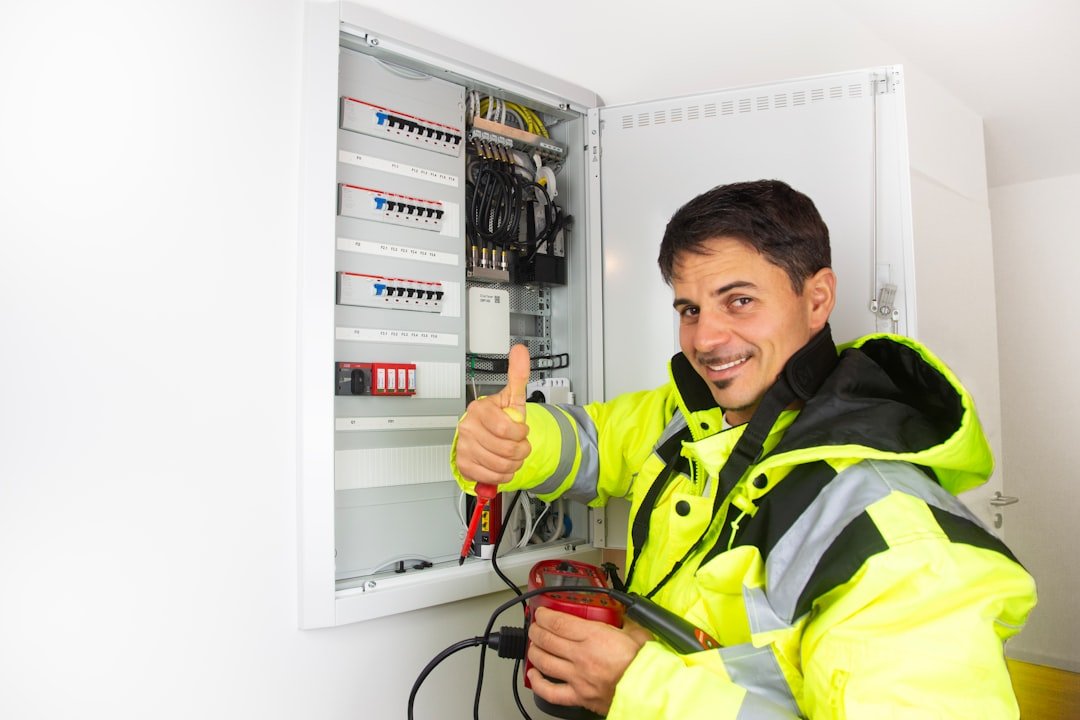
Your electrical panel is the heart of your home’s power system. If it’s not handled properly, it can become a serious safety risk.
Are you sure you’re doing everything right to keep your family and property safe? This guide will give you simple, effective tips to protect yourself and your home from electrical hazards. Keep reading to learn how small actions can prevent big problems and give you peace of mind.
Credit: www.aaastl.com
Importance Of Electrical Panel Safety
Electrical panels control the flow of electricity in a building. They keep the power safe and organized. Proper safety with electrical panels helps stop accidents and fires.
Knowing how to handle electrical panels is important for every home and workplace. It protects people and electrical equipment from damage.
Keep Electrical Panels Dry And Clean
Water and dust can cause short circuits and fires in electrical panels. Always keep the panel area dry and free of dirt. Avoid placing liquids near the panel.
Avoid Overloading Circuits
Overloading circuits can cause overheating and damage. Check the panel’s capacity and do not connect too many devices to one circuit. Use professional help for panel upgrades.
Regular Inspection And Maintenance
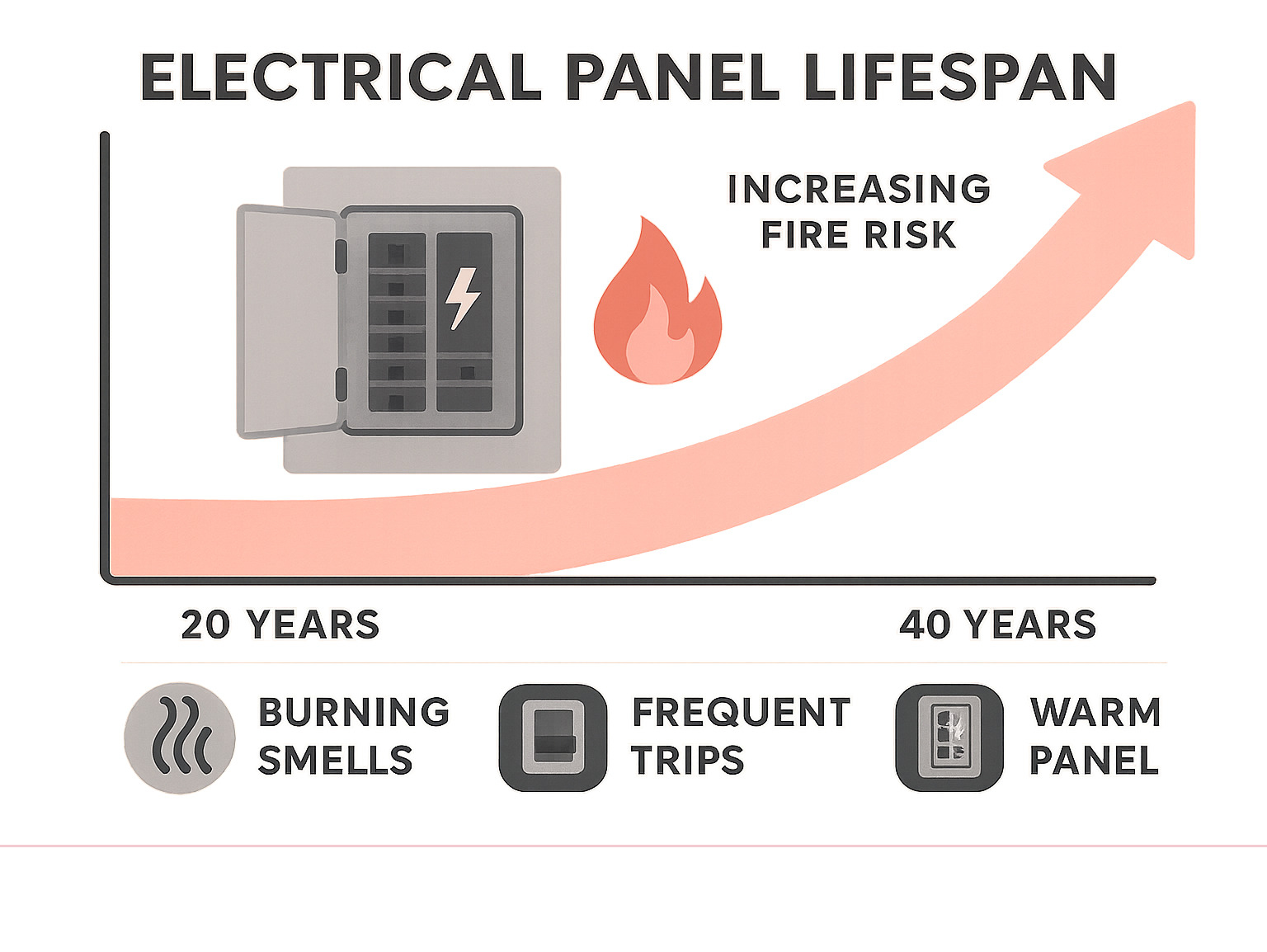
Inspect electrical panels regularly to find problems early. Look for signs like rust, loose wires, or burning smells. Maintenance keeps the panel safe and working well.
- Check for corrosion and rust on panel parts
- Tighten any loose screws or wires
- Replace damaged or worn-out components
- Test circuit breakers for proper function
Know Emergency Procedures
In case of an electrical emergency, quick action can save lives. Know how to shut off the main power switch safely. Call a licensed electrician if there is any problem.
| Emergency Action | Why It Is Important |
| Turn off main power | Stops electricity flow to prevent shock or fire |
| Use a fire extinguisher | Put out electrical fires safely |
| Call a professional | Ensures expert help to fix problems |

Credit: www.esfi.org
Common Electrical Panel Hazards
Electrical panels control the flow of electricity in buildings. They must be safe to avoid fires and shocks.
Knowing common hazards helps keep your home and workplace safe from electrical problems.
Overloaded Circuits
Overloaded circuits happen when too many devices use one circuit. This causes overheating and can start fires.
Check the number of devices plugged in and avoid exceeding the circuit’s limit.
- Turn off unused devices
- Spread appliances across different circuits
- Upgrade panel if you need more power
Faulty Wiring
Faulty wiring means wires are damaged or connected wrong. This can cause shocks and electrical fires.
Look for signs like flickering lights or burning smells. Fix wiring problems quickly with a professional.
- Check for loose or frayed wires
- Replace old or damaged wiring
- Hire an expert for repairs
Moisture Exposure
Moisture near electrical panels can cause rust and short circuits. Water and electricity are a dangerous mix.
Keep panels dry and away from leaks or damp areas to prevent electrical hazards.
- Install panels in dry places
- Fix leaks near electrical areas
- Use waterproof covers if needed
Improper Installation
Improper installation means the panel or parts are not set up correctly. This causes unsafe conditions and failures.
Always use certified electricians for installation. Check that all parts meet safety standards.
- Follow local electrical codes
- Use correct panel size and type
- Inspect work before use
Signs Of Electrical Panel Issues
Electrical panels control the power in your home. Problems in the panel can cause serious safety risks. Recognizing signs of trouble early can prevent damage.
Check your electrical panel often for warning signs. These signs tell you when to call a professional electrician.
Frequent Circuit Breaker Trips
Circuit breakers stop the flow of electricity to protect your home. If they trip often, it shows a problem. This can mean overloaded circuits or faulty wiring.
- Too many devices on one circuit
- Short circuits in wiring
- Old or damaged breakers
Burning Smell Or Sparks
A burning smell near the panel is a serious warning. Sparks or smoke are signs of overheating or electrical shorts. Turn off power and call an expert immediately.
Discolored Or Warm Panel
Look for dark stains or melted areas on the panel cover. The panel should not feel warm to the touch. Heat shows loose connections or overloaded circuits.
| Warning Sign | Possible Cause |
| Discoloration | Overheating or burnt wires |
| Warm Panel | Loose connections or overload |
| Melted Plastic | Electrical fire risk |
Flickering Lights
Lights that flicker or dim often point to electrical panel issues. This can be caused by loose wiring or circuit problems. It may also mean your panel is too small for your home’s needs.
Check these causes of flickering lights:
- Loose wire connections
- Faulty breakers
- Old electrical panels
- High power demand
Routine Electrical Panel Maintenance
Electrical panels need regular care to keep your home safe. Small problems can grow if the panel is not checked often.
Routine maintenance helps prevent electrical fires and power failures. Follow simple steps to keep the panel working well.
Regular Inspections
Look at the panel every few months for signs of damage. Check for rust, loose wires, or burnt marks on breakers.
- Check for unusual smells near the panel
- Listen for buzzing sounds when power is on
- Look for breakers that trip often
- Make sure the panel door closes tightly
Tightening Connections
Loose wires can cause sparks or fires. Use a screwdriver to tighten all screws and connections inside the panel.
Turn off the main power before working on the panel. Tight connections keep electricity flowing safely and smoothly.
Cleaning The Panel
Dust and dirt can block airflow and cause overheating. Clean the panel to keep it dry and clear of debris.
Use these tips to clean the panel safely:
- Turn off all power before cleaning
- Use a dry cloth or soft brush to remove dust
- Do not use water or liquids near the panel
- Check for insects or nests inside the panel
Updating Old Components
Old breakers and fuses can fail to protect your home. Replace outdated parts with new ones that meet current safety standards.
| Component | Signs to Replace | Safety Benefit |
| Breakers | Frequent tripping or burning smell | Prevents overload and fires |
| Fuses | Blown fuses or corroded contacts | Stops electrical shorts |
| Wiring | Cracks or frayed insulation | Reduces shock risk |
Diy Safety Precautions
Working on an electrical panel can be risky. Safety is very important. Follow these tips to stay safe while doing DIY electrical work.
These precautions help prevent shocks and accidents. Always be careful and know your limits.
Power Shutdown Steps
Always turn off the main power before starting work. This stops electricity from flowing and lowers shock risk.
Check that the power is off by using a voltage tester. Never touch wires if power is still on.
- Find the main breaker switch
- Switch it to the “off” position
- Use a voltage tester to confirm power is off
- Double check all circuits are off before touching wires
Using Proper Tools
Use tools designed for electrical work. Insulated handles help protect you from shocks.
Never use damaged or worn tools. They can cause accidents or fail when needed most.
- Choose screwdrivers and pliers with insulated grips
- Use voltage testers to check circuits
- Keep tools clean and in good condition
- Replace tools that have cracks or damage
Avoiding Water Contact
Water and electricity do not mix. Keep the electrical panel dry at all times.
Do not work near water or with wet hands. Water increases the chance of electric shock.
- Check for leaks or dampness near the panel
- Dry your hands before touching anything
- Do not work outside in rain or wet conditions
- Keep the area clean and dry
When To Call A Professional
Some electrical jobs need expert help. If you are unsure, call a licensed electrician.
Danger signs include sparks, burning smells, or frequent breaker trips. Do not try to fix these yourself.
- If you feel uncomfortable or unsure
- If wiring looks old or damaged
- If breakers trip often
- If you see sparks or smell burning
Upgrading Your Electrical Panel
Electrical panels control the power in your home. Upgrading your panel can keep your home safe. Old panels may not handle new electrical needs.
Knowing when and how to upgrade your panel helps avoid hazards. This guide explains key steps for a safe upgrade.
Signs You Need An Upgrade
Older panels may cause frequent breaker trips or flickering lights. If your panel is outdated, it might not support modern appliances.
- Breakers trip often without clear reasons
- Fuses blow frequently
- Lights flicker when using many devices
- Panel feels hot or smells burnt
- Your home has added many new appliances
Choosing The Right Panel
Select a panel that fits your home’s power needs. Consider the size of your home and the number of devices you use.
- Check the panel’s amperage rating
- Think about future electrical needs
- Choose a brand that meets safety standards
- Pick a panel with enough slots for breakers
Hiring A Licensed Electrician
Always hire a licensed electrician for panel upgrades. They know safety codes and proper installation techniques.
DIY upgrades can cause fires or shocks. Professionals inspect your system and fix any hidden problems.
- Check the electrician’s license and insurance
- Ask for references or reviews
- Get a written estimate before work starts
- Ensure permits and inspections are done
Benefits Of Modern Panels
New panels offer better safety and performance. They handle more power and reduce the risk of electrical fires.
- Improved circuit breaker technology
- Support for more electrical devices
- Better protection against overloads
- Energy efficiency and reliability
- Compliance with current electrical codes
Child And Pet Safety Around Panels
Electrical panels are important but can be dangerous for children and pets. It is important to keep these areas safe to prevent accidents.
Simple safety steps can protect your family and pets from electrical shocks and injuries near panels.
Securing The Panel Door
Keep the panel door closed and locked at all times. A locked door stops kids and pets from touching wires inside.
Use a strong latch or lock made for electrical panels. Check it often to make sure it works well.
- Install a lock that only adults can open
- Make sure the door fits tightly
- Check the lock regularly for damage
Installing Safety Covers
Safety covers add extra protection inside the panel. They block direct contact with wires and switches.
Choose covers that fit your panel well. Covers should be made from strong, non-conductive material.
- Use plastic or rubber covers on live parts
- Cover all unused openings in the panel
- Replace damaged covers immediately
Educating Family Members
Teach children and adults about the dangers of electrical panels. Clear rules help keep everyone safe.
Explain why they should not touch or play near the panel. Remind them to tell an adult if the panel door is open.
- Tell children to stay away from panels
- Show adults how to check the panel safely
- Review safety rules regularly
Emergency Response Tips
Electrical panels can be dangerous if not handled correctly. Knowing how to react during an emergency can save lives and property.
Follow safety steps carefully to reduce risks during electrical problems.
Handling Electrical Fires
Do not use water to put out an electrical fire. Water conducts electricity and can cause shocks.
Use a Class C fire extinguisher made for electrical fires. If you do not have one, turn off power first.
- Stay calm and alert others nearby
- Switch off the power at the main panel if safe
- Use a fire extinguisher rated for electrical fires
- Call emergency services if fire grows
- Do not try to fight large fires yourself
First Aid For Electric Shock
Do not touch a person still in contact with electricity. You can get shocked too.
Turn off the power source or use a non-conductive object to move the person away safely.
- Call emergency services immediately
- Check if the person is breathing and has a pulse
- If not breathing, start CPR if trained
- Keep the person lying down and warm
- Do not give food or drink until fully conscious
When To Evacuate
Leave the area if you see smoke, fire, or smell burning. Electrical fires spread fast.
Evacuate if the electrical panel is damaged or sparking. Stay away from water near the panel.
- Alert others and guide them to safety
- Use the nearest safe exit
- Do not use elevators
- Call emergency services from a safe place
- Wait for firefighters before returning inside

Credit: www.angi.com
Frequently Asked Questions
What Are The Basic Electrical Panel Safety Tips?
Always turn off the main power before inspecting. Use insulated tools and wear protective gear. Keep the panel dry and clean. Avoid overloading circuits and regularly check for signs of damage or corrosion.
How Often Should Electrical Panels Be Inspected?
Electrical panels should be inspected at least once a year. Regular checks help identify wear, loose connections, or corrosion. This prevents hazards and ensures safe electrical operation in your home or workplace.
Can I Upgrade My Electrical Panel Safely?
Upgrading your electrical panel should be done by a licensed electrician. They ensure compliance with safety standards and local codes. Proper upgrades prevent overloads, improve capacity, and enhance overall electrical safety.
What Are Signs Of Electrical Panel Problems?
Look for burning smells, flickering lights, or tripped breakers. Warm or discolored panels also indicate issues. These signs suggest potential hazards that need immediate professional inspection to prevent electrical fires.
Conclusion
Electrical panel safety protects your home and family. Always keep panels clear and dry. Never touch panels with wet hands or tools. Regularly check for signs of damage or wear. Call a licensed electrician for repairs or upgrades. Safe habits prevent fires and electric shocks.
Stay alert and respect electrical systems. Small steps make a big difference in safety. Remember, your attention keeps your home secure.