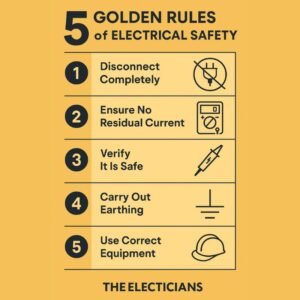
Your home and workplace rely on electricity every day, but are you sure you’re using it safely? One small mistake can lead to serious accidents or damage.
That’s why having a clear electrical safety checklist is essential—especially if you’re just starting out. This guide will help you spot risks, prevent hazards, and protect yourself and those around you. Keep reading, and you’ll gain simple yet powerful tips that anyone can follow to stay safe with electricity.
Don’t wait until something goes wrong—take control of your electrical safety now.
Credit: ftp.spaceneedle.com
Basic Electrical Hazards
Electricity powers many things in our homes. It can be dangerous if not handled properly. Knowing basic electrical hazards helps keep you safe.
Understanding risks and warning signs allows you to prevent accidents. This checklist is for beginners to learn simple safety tips.
Common Risks At Home
Many electrical hazards happen at home. Faulty wiring, old appliances, and wet areas can cause shocks or fires. It is important to watch for these risks.
- Damaged cords or plugs that expose wires
- Overloaded power outlets with too many devices
- Using electrical devices near water like sinks or bathtubs
- Old or broken circuit breakers and fuses
- Improper use of extension cords
Signs Of Electrical Problems
Electrical issues often show warning signs. Spotting them early can stop accidents. Check your home regularly for these signs.
- Flickering or dimming lights
- Warm or discolored outlets and switches
- Buzzing or crackling sounds from outlets
- Frequent circuit breaker trips
- Sparking when plugging or unplugging devices
- Burning smells near electrical equipment
Essential Safety Gear
Working with electricity can be dangerous. Using the right safety gear helps protect you from harm.
This checklist shows essential tools and protective equipment beginners need for electrical safety.
Tools Every Beginner Needs
Having the right tools makes electrical work safer and easier. Beginners should choose tools made for electrical tasks.
- Insulated Screwdrivers: Prevent electric shocks when tightening screws.
- Voltage Tester: Checks if wires have current before touching.
- Wire Strippers: Remove insulation without cutting wires.
- Multimeter: Measures voltage, current, and resistance safely.
- Electrical Tape: Covers exposed wires to avoid shocks.
Protective Equipment
Protective equipment shields your body from electric shocks and burns. Always wear the right gear before starting work.
- Rubber Gloves: Stop electricity from passing through your hands.
- Safety Glasses: Protect eyes from sparks and debris.
- Insulated Boots: Keep feet safe from electric currents.
- Flame-Resistant Clothing: Reduces injury from electrical fires.
- Hard Hat: Protects your head from falling objects.
Safe Handling Practices
Working safely with electricity is important. It helps prevent shocks and fires.
Follow simple rules to protect yourself and others while handling electrical tools and devices.
Turning Off Power
Always switch off the power before working on any electrical equipment. This stops electricity from flowing and lowers the risk of shocks.
- Locate the main power switch or circuit breaker.
- Turn off the power to the area you will work on.
- Use a voltage tester to confirm power is off.
- Do not start work until you are sure the power is off.
Avoiding Wet Conditions
Water and electricity do not mix. Wet conditions increase the chance of electric shock.
| Do | Don’t |
| Keep electrical tools dry | Use tools with wet hands |
| Work in dry areas only | Use equipment in rain or puddles |
| Wear rubber-soled shoes | Stand on wet floors |
Proper Use Of Cords And Plugs
Correct use of cords and plugs keeps electrical devices safe to use. Damaged cords can cause fires or shocks.
- Check cords for cuts or frays before use.
- Do not pull cords to unplug devices; hold the plug.
- Use cords with proper ratings for your tools.
- Avoid running cords under carpets or doors.
- Replace damaged cords immediately.
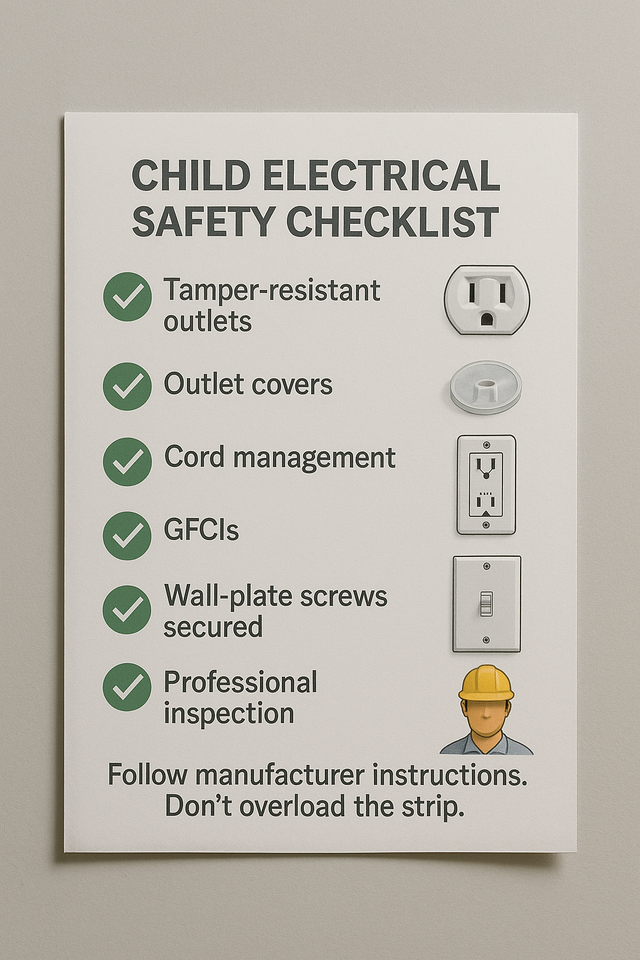
Credit: www.casecontractinginc.com
Inspecting Electrical Devices
Inspecting electrical devices helps keep your home safe from shocks and fires.
Regular checks can find problems early. This guide shows simple ways to inspect devices.
Checking For Damage
Look closely at cords, plugs, and devices for any signs of damage. Broken parts can cause accidents.
- Check for frayed or cracked wires
- Look for burn marks or discoloration
- Make sure plugs fit tightly in outlets
- Look for loose parts or broken switches
- Do not use devices with damaged cords
Testing Outlets And Switches
Test outlets and switches to ensure they work correctly and safely. Faulty parts can cause shocks.
| Test Method | What to Look For |
| Plug in a small device | Device powers on without flickering |
| Flip the switch | Switch moves smoothly and controls device |
| Use an outlet tester | Shows correct wiring and no faults |
| Check for sparks or noise | None should appear or be heard |
Preventive Measures
Electrical safety is important to keep your home and family safe. Taking preventive steps can stop accidents before they happen.
Simple actions like checking your circuits and using safety devices help prevent shocks and fires.
Avoiding Overloading Circuits
Overloading circuits can cause wires to heat up and start fires. You must spread out your electrical devices across different outlets.
- Do not plug many devices into one outlet.
- Use power strips with built-in circuit breakers.
- Unplug devices that are not in use.
- Check the amperage rating of your circuit and devices.
Using Ground Fault Circuit Interrupters
Ground Fault Circuit Interrupters (GFCIs) protect you from electrical shock. They shut off power quickly if they detect a problem.
| Location | Why Use GFCI |
| Bathrooms | Water increases shock risk |
| Kitchens | Many appliances near water |
| Outdoor outlets | Exposed to weather |
| Basements | Higher moisture levels |
Regular Maintenance Tips
Keep your electrical system safe by checking it often. Look for signs of wear or damage.
Follow this checklist for regular maintenance:
- Inspect cords and plugs for cracks or frays
- Check outlets for warmth or sparks
- Test GFCI outlets monthly
- Replace worn or damaged equipment immediately
- Hire a licensed electrician for complex issues
Credit: www.luminpdf.com
Emergency Response Steps
Electrical accidents need quick and careful actions. Knowing what to do can save lives and reduce harm. This guide shows simple steps for emergencies involving electric shock and fires.
Stay calm and follow the instructions below to handle these situations safely. Always call for professional help after doing first aid.
What To Do In Electric Shock
If someone gets an electric shock, act quickly but safely. Do not touch the person if they are still in contact with the electrical source.
- Turn off the power source if possible.
- Use a non-conductive object like a wooden stick to move the person away from the source.
- Check the person’s breathing and pulse.
- If the person is not breathing, start CPR immediately.
- Call emergency services right away.
- Keep the person still and warm until help arrives.
Handling Electrical Fires
Electrical fires need special care. Water can make these fires worse. Use the right tools and follow safe steps to stop the fire.
| Action | Details |
|---|---|
| Cut Power | Switch off the electricity supply if safe to do so. |
| Use a Fire Extinguisher | Use a Class C or multipurpose extinguisher designed for electrical fires. |
| Do Not Use Water | Water conducts electricity and can cause shock or spread fire. |
| Evacuate Area | Leave the building if the fire grows or smoke spreads quickly. |
| Call Fire Department | Alert emergency services immediately for help. |
When To Call A Professional
Electrical work can be risky if you do not have the right skills. Knowing when to call a professional keeps you safe and avoids damage. This guide helps beginners understand the signs that mean you need expert help.
Calling a qualified electrician ensures the job is done correctly and meets safety standards. Learn how to spot problems and choose the right expert for your electrical needs.
Signs You Need Expert Help
Some electrical issues are clear signs to stop and call a professional right away. Watch for these common warning signs around your home or office.
- Frequent circuit breaker trips or blown fuses
- Flickering or dimming lights when using appliances
- Burning smell or sparks near outlets or switches
- Warm or discolored outlet covers
- Buzzing or crackling sounds from electrical panels
- Outlets or switches that do not work properly
- Visible damage to wires or cords
- Extension cords used as permanent wiring
Choosing A Qualified Electrician
Selecting the right electrician is important for safety and quality. Use these tips to find a skilled and trustworthy professional.
| Tip | What to Check |
| License | Make sure the electrician is licensed in your state |
| Insurance | Confirm they have liability and workers’ compensation insurance |
| Experience | Look for electricians with good reviews and years of work |
| Estimates | Get written quotes before work begins |
| Warranty | Ask if the work and parts have a warranty |
Frequently Asked Questions
What Is The Basic Electrical Safety Checklist For Beginners?
A basic checklist includes inspecting cords, avoiding water near outlets, and using proper insulation. It prevents shocks and fires effectively.
How Often Should I Inspect Electrical Equipment?
Inspect electrical equipment monthly for damage or wear. Regular checks help identify hazards early and maintain safety.
What Safety Gear Is Essential For Electrical Work?
Wear insulated gloves, safety goggles, and non-conductive footwear. These protect against electric shocks and injuries during work.
Can Beginners Safely Handle Electrical Repairs At Home?
Beginners should avoid complex repairs and hire professionals. Simple tasks like unplugging devices are safe with proper caution.
Conclusion
Safety should always be a priority with electrical tasks. This checklist helps beginners stay safe. Remember to use the right tools and gear. Check cords for any damage. Avoid overloading your outlets. Turn off power before fixing anything. Always follow instructions carefully.
These steps can prevent accidents. Keep learning and stay informed. Practice makes perfect in electrical safety. Always remain cautious and aware. Your safety and that of others matter most. Use this checklist as a guide. Stay safe and confident in your electrical projects.