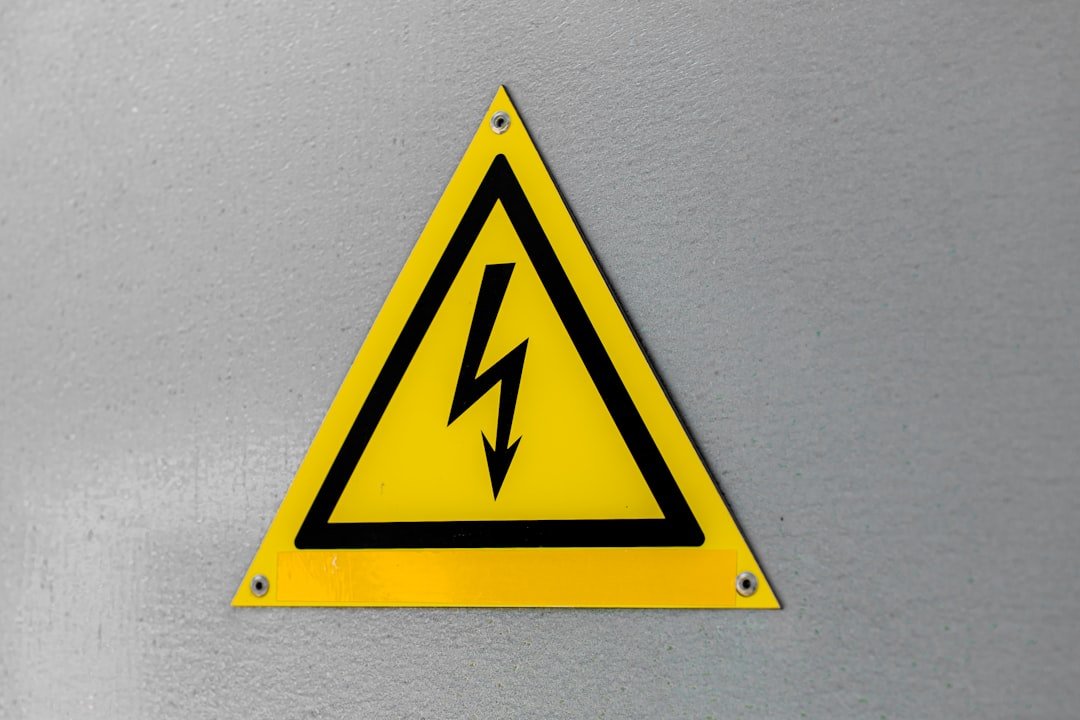
Are you new to handling electrical tools or working around electrical systems? Staying safe should be your top priority.
Even a small mistake can lead to serious injury or damage. But don’t worry—understanding a few simple electrical safety tips can protect you and those around you. You’ll discover easy-to-follow advice that will help you avoid common risks and feel confident whenever you deal with electricity.
Keep reading to learn how to keep yourself safe and prevent accidents before they happen.

Credit: www.esfi.org
Basic Electrical Hazards
Electricity can be dangerous if not handled carefully. Knowing basic hazards helps keep you safe at home and work.
Simple safety steps reduce the risk of shocks, fires, and other accidents involving electricity.
Common Risks At Home
Many electrical dangers come from everyday items in your house. Faulty wiring, overloaded outlets, and wet areas are common risks.
Using damaged cords or appliances can cause electric shocks or start fires.
- Exposed wires in walls or cords
- Overloading power strips or outlets
- Using electrical devices near water
- Old or damaged appliances
- Poorly maintained electrical panels
Signs Of Electrical Problems
Look for signs that show electrical issues. Early detection helps prevent accidents and costly repairs.
Common signs include flickering lights, buzzing sounds, and warm outlets.
- Lights that flicker or dim often
- Outlets or switches that feel warm or hot
- Burning smell near electrical devices
- Frequent circuit breaker trips
- Buzzing or crackling sounds from outlets
Safe Use Of Electrical Devices
Using electrical devices safely is important to avoid accidents. Beginners should learn basic safety tips to protect themselves and their homes.
Simple habits and care can reduce the risk of electrical shocks, fires, and damage to devices.
Proper Handling Techniques
Always hold electrical devices by their handles or insulated parts. Keep your hands dry when touching plugs or switches. Never pull a cord to unplug a device.
- Unplug devices by holding the plug, not the cord
- Keep cords away from water and heat
- Do not use damaged cords or plugs
- Turn off devices before cleaning or fixing them
Avoiding Overloads
Plugging too many devices into one outlet can cause overloads. Overloads may lead to sparks or fires. Use outlets carefully to keep your home safe.
| Tip | Reason |
| Use one device per outlet | Prevents overloads |
| Do not use multiple extension cords | Reduces risk of overheating |
| Check circuit breaker if power drops | Protects wiring from damage |
| Replace worn outlets and plugs | Ensures good connection |
Using Quality Equipment
Choose electrical devices and accessories that meet safety standards. Cheap or poor-quality items may break easily or cause accidents.
Checklist for Quality Equipment:
- Look for safety certifications on products
- Buy from trusted brands or stores
- Check for sturdy plugs and cords
- Read instructions before use
Wiring And Circuit Safety
Electrical wiring and circuits keep our homes powered and safe. Knowing how to handle them is important for beginners.
Simple checks and proper care can prevent many accidents. Follow these tips to protect yourself and your property.
Inspecting Wiring Regularly
Look at your wiring often to catch problems early. Check for cracks, frays, or loose connections. Damaged wires can cause fires or shocks.
- Turn off power before inspecting wires.
- Look for discoloration or burn marks.
- Check outlets and switches for warmth or sparks.
- Replace old or worn wires immediately.
- Use proper tools and safety gear during checks.
Circuit Breakers And Fuses
Circuit breakers and fuses stop electrical flow if there is a fault. They keep your home safe from overloads and short circuits.
| Device | Function | Action if Tripped |
| Circuit Breaker | Stops power during overload | Switch it off then on again |
| Fuse | Breaks circuit if current is high | Replace the fuse with the correct rating |
When To Call A Professional
Some electrical problems need expert help. Calling a licensed electrician keeps you safe and ensures the work is done right.
- If wires are hot or sparking
- When circuit breakers trip often
- If you smell burning or see scorch marks
- For new wiring or major repairs
- If you are unsure about any electrical work
Preventing Electrical Fires
Electrical fires can cause serious damage and harm. It is important to know how to prevent them. Simple safety steps help protect your home and family.
This guide shares basic tips for beginners. Follow these rules to reduce the risk of electrical fires in your home.
Safe Appliance Usage
Use electrical appliances safely to avoid fire risks. Always check cords and plugs for damage before use.
- Do not overload power outlets with many devices.
- Unplug appliances when not in use.
- Keep appliances away from water to avoid short circuits.
- Replace old or damaged cords immediately.
- Follow manufacturer instructions for all devices.
Keeping Flammable Materials Away
Flammable materials near electrical sources increase fire risk. Keep these items at a safe distance from outlets and appliances.
| Flammable Material | Safe Distance From Electrical Sources |
| Paper and Cardboard | At least 3 feet |
| Clothing and Fabrics | At least 3 feet |
| Cleaning Products | At least 5 feet |
| Gasoline and Other Fuels | Stored outside or in ventilated areas |
Smoke Detectors And Alarms
Smoke detectors alert you early to electrical fires. Proper installation and maintenance keep them working well.
- Install smoke detectors in every bedroom and hallway.
- Test alarms monthly to ensure they work.
- Replace batteries at least once a year.
- Replace smoke detectors every 10 years.
Outdoor Electrical Safety
Working with electricity outdoors requires care. Safety helps prevent shocks and fires.
This guide shares key tips for beginners to stay safe outside with electrical tools and cords.
Handling Extension Cords
Use extension cords made for outdoor use only. They have stronger insulation to resist weather.
- Check cords for damage before use.
- Keep cords away from water and sharp edges.
- Do not overload cords with too many devices.
- Unplug cords by pulling the plug, not the wire.
- Store cords in a dry place when not in use.
Weather Precautions
Weather can affect electrical safety outdoors. Rain and moisture increase risks.
| Weather Condition | Safety Advice |
| Rain | Keep cords and devices dry and off the ground. |
| Snow | Clear snow from cords and outlets before use. |
| Wind | Secure cords to avoid damage or tripping hazards. |
| Heat | Do not leave cords in direct sunlight for long periods. |
Ground Fault Circuit Interrupters (gfcis)
GFCIs help protect people from electric shock by shutting off power fast.
Install GFCI outlets in outdoor areas. Test them monthly by pressing the test button. Replace if they do not trip properly.

Credit: www.esfi.org
First Aid For Electrical Injuries
Electrical injuries can happen to anyone. Knowing first aid helps save lives and reduce harm.
This guide covers how to spot electrical shock and what to do next.
Recognizing Electrical Shock
Electrical shock happens when electricity passes through the body. It can cause burns, muscle pain, or unconsciousness.
Common signs include:
- Muscle spasms or pain
- Tingling or numbness
- Burn marks on skin
- Difficulty breathing
- Loss of consciousness
Emergency Response Steps
Do not touch the person if they are still in contact with electricity. Turn off the power source first.
After power is off, follow these steps:
- Check if the person is breathing and has a pulse.
- If not breathing, begin CPR if you know how.
- Cover burns with a clean cloth, but do not apply ointments.
- Keep the person calm and still.
- Call emergency services immediately.
When To Seek Medical Help
Get medical help even if the injury looks minor. Some problems may show later.
See a doctor if the person has:
- Burns or blisters
- Chest pain or breathing trouble
- Confusion or unconsciousness
- Muscle pain or weakness
- Irregular heartbeat
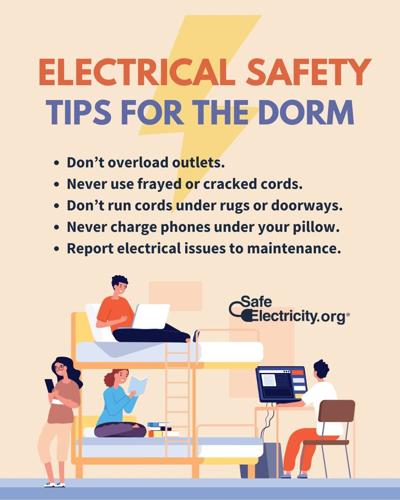
Credit: www.wsiltv.com
Frequently Asked Questions
What Are The Basic Electrical Safety Tips For Beginners?
Always turn off power before working on electrical devices. Use insulated tools and wear rubber-soled shoes. Avoid overloading outlets and keep water away from electrical equipment. Regularly check cords for damage and replace faulty ones immediately.
How Can I Prevent Electrical Shocks At Home?
Use ground fault circuit interrupters (GFCIs) in wet areas. Avoid touching electrical devices with wet hands. Ensure all outlets have covers and avoid using damaged cords. Keep electrical appliances away from water sources to reduce shock risks.
Why Is Proper Grounding Important In Electrical Safety?
Proper grounding prevents electrical shocks by directing excess electricity safely into the earth. It protects both users and devices from electrical faults. Always ensure your home’s electrical system is properly grounded and inspected regularly by professionals.
When Should I Call A Professional Electrician?
Call a professional if you notice sparks, burning smells, or frequent circuit breaker trips. Avoid DIY work on high-voltage systems or complex wiring. Safety is critical; experts have the right tools and knowledge to fix electrical issues safely.
Conclusion
Staying safe with electricity is crucial. Always remember to unplug appliances. Check wires for wear and tear. Avoid using water near electrical outlets. Keep children away from electrical hazards. Use surge protectors for valuable devices. Install smoke detectors for added safety.
Never overload power strips. Educate family members about electrical safety. If unsure, consult a professional. Practicing these tips can prevent accidents and injuries. Safety should always be a priority. Stay informed, stay cautious. Protect yourself and your home from electrical dangers.
Your awareness can make all the difference. Stay safe, be smart with electricity.