When you work on electrical circuits, your safety should always come first. One small mistake can lead to serious injury or even worse.
But don’t worry—understanding the right safety steps can protect you and make your work much easier. This article will guide you through simple, practical tips to keep you safe every time you handle circuits. Keep reading, because your safety is too important to leave to chance.
Common Electrical Hazards
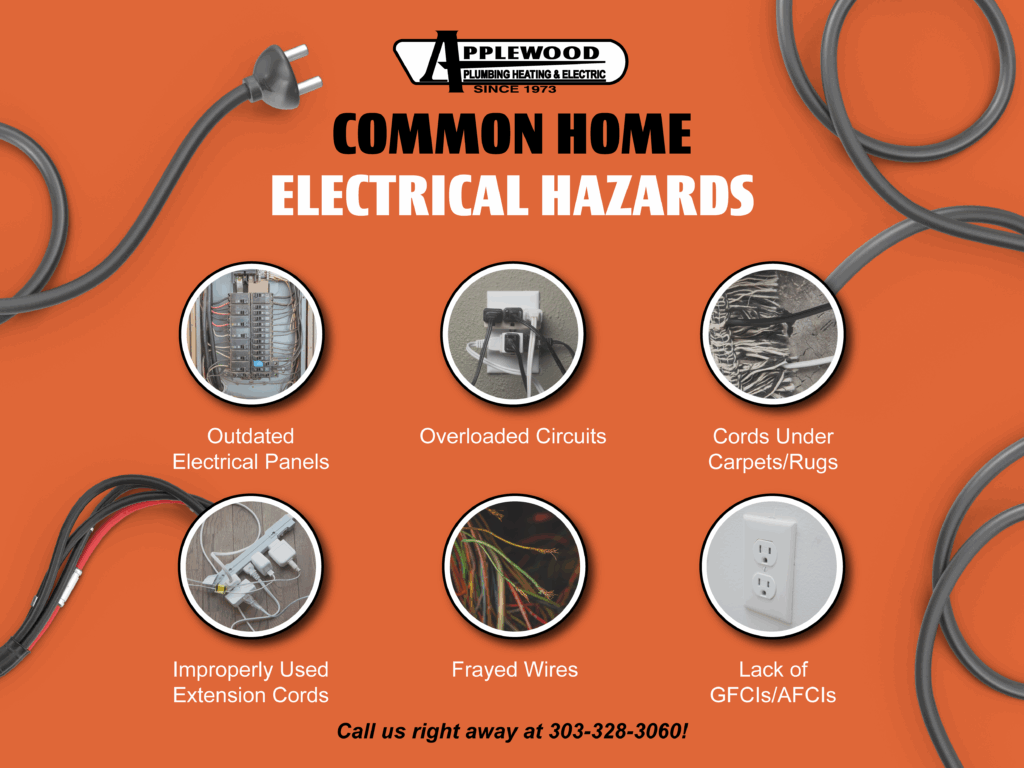
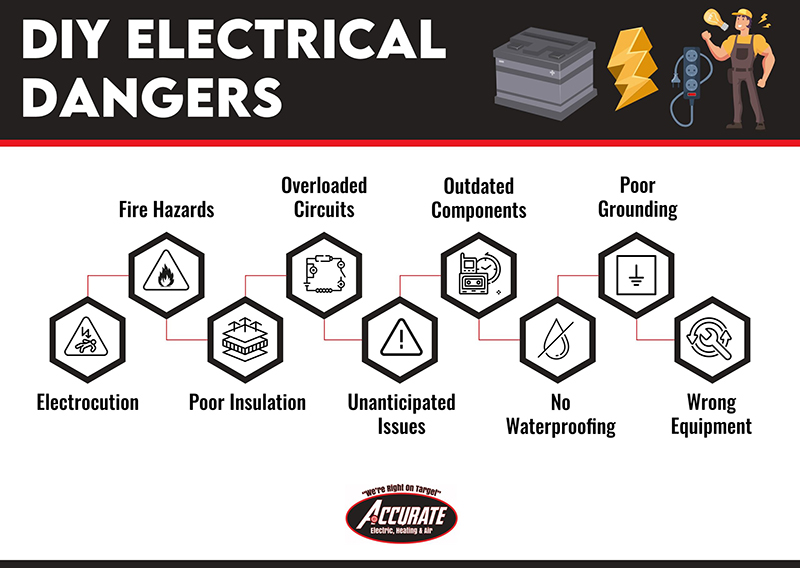
Working on electrical circuits can be dangerous without the right safety measures. Many hazards can cause injury or damage.
Understanding these common electrical hazards helps you stay safe and protect your work area.
Shock And Electrocution Risks
Electric shock happens when the body touches an electrical source. It can cause burns, muscle spasms, or even death.
Electrocution is a severe form of shock that stops the heart or breathing. Always avoid contact with live wires.
Arc Flash Dangers
An arc flash releases a huge amount of energy in a flash. It can cause severe burns and damage to your eyes and ears.
- Arc flashes can reach temperatures of 35,000°F (19,427°C).
- They produce loud blasts that can damage hearing.
- Flying molten metal from the flash can cause serious injury.
- Proper protective gear is essential to reduce risk.
Fire Hazards From Faulty Wiring
| Cause | Risk | Prevention |
|---|---|---|
| Old or damaged wires | Short circuits causing sparks | Regular inspection and replacement |
| Loose connections | Overheating and fire | Tighten all wiring connections |
| Overloaded circuits | Excess heat buildup | Use proper circuit breakers |
| Poor installation | Electrical fires | Hire licensed electricians |

Credit: www.esfi.org
Essential Safety Equipment
Working on electrical circuits requires careful use of safety gear. This gear helps protect you from shocks and injuries.
Use the right tools and equipment every time. This keeps you safe and helps you work better.
Insulated Tools
Insulated tools have special handles that stop electricity. They keep you safe from electric shocks while working on live circuits.
- Use insulated screwdrivers and pliers with certified insulation.
- Check tools for cracks or damage before use.
- Never remove the insulation from tool handles.
- Store insulated tools separately to avoid damage.
Personal Protective Gear
Wear personal protective gear to shield yourself from sparks and electric shocks. This gear lowers the risk of injury.
| Protective Item | Purpose |
| Rubber Gloves | Stop electric current from passing through your hands |
| Safety Glasses | Protect eyes from sparks and debris |
| Flame-Resistant Clothing | Reduce injury from electrical fires or arcs |
| Insulated Boots | Prevent electric shock through feet |
Voltage Detectors And Testers
Voltage detectors help find live wires without touching them. Testers check if circuits are safe to work on.
Here are key points about voltage detectors and testers:
- Use non-contact voltage detectors to spot live wires safely.
- Test voltage testers regularly for accuracy.
- Always verify power is off before starting work.
- Follow the device instructions carefully.
Safe Work Practices
Working safely on electrical circuits helps prevent injuries and accidents. Following clear rules keeps you and others safe.
Use the right methods to handle electricity carefully. Learn key safety steps before starting any work on circuits.
De-energizing Circuits
Always turn off power before touching any electrical parts. Confirm the circuit is dead by testing it with proper tools.
Use signs or barriers to warn others the circuit is off. This prevents accidental re-energizing during work.
Lockout And Tagout Procedures
Lockout and tagout stop power from coming back on while you work. Locks and tags show that the circuit is unsafe.
- Identify all energy sources that power the circuit.
- Switch off and isolate the energy sources.
- Attach lockout devices to keep switches off.
- Place tags to warn others about the lockout.
- Verify no power flows before starting work.
Proper Grounding Techniques
Grounding protects you from electric shocks. It gives electricity a safe path to the earth.
| Grounding Method | Description | Purpose |
|---|---|---|
| Equipment Grounding | Connects metal parts to ground wire | Prevents shock if wiring fails |
| System Grounding | Links electrical system to earth | Stabilizes voltage levels |
| Ground Rod Installation | Metal rod driven into soil | Provides a direct earth connection |

Credit: www.dynamic-electric.com
Preparing The Work Area
Working safely on electrical circuits starts with a well-prepared work area. A clean and organized space helps prevent accidents. It also makes the job easier and faster.
Before you begin, check the area for any dangers or obstacles. Make sure you have enough light to see clearly. Use signs and barriers to warn others and keep the space safe.
Clearing Clutter And Hazards
Remove any items that block your movement or create tripping hazards. Tools, wires, and debris should be put away or arranged neatly. This reduces the risk of falls and mistakes.
Check for wet spots or slippery surfaces. Water and electricity are a dangerous mix. Clean spills and avoid working in damp areas whenever possible.
- Pick up loose tools and materials
- Clear floors of cords and wires
- Dry wet areas before starting work
- Keep pathways free for quick exit
Ensuring Adequate Lighting
Good lighting helps you see circuits and connections clearly. It lowers the chance of errors and accidents. Use bright lights that cover the entire work area.
Use portable lamps or headlamps if the main light is not enough. Avoid shadows that hide important parts. Make sure the light source is safe and stable.
- Use bright overhead lights
- Add task lights for detailed work
- Position lights to avoid glare
- Test lighting before starting work
Using Warning Signs And Barriers
Warning signs alert others to the electrical work happening nearby. Barriers keep people out of dangerous zones. Both help prevent accidents and injuries.
Place signs where they are easy to see. Use barriers like cones or tape to block off the area. Remove these only after you finish and it is safe.
- Use clear, visible warning signs
- Set up barriers around the work zone
- Inform others about the ongoing work
- Remove signs and barriers after work
Handling Live Circuits
Working on live electrical circuits carries serious risks. Understanding how to handle live circuits safely is essential to prevent accidents.
Use protective gear and follow strict safety rules when live work cannot be avoided.
When Live Work Is Unavoidable
Sometimes, live electrical work must be done to avoid shutting down important systems. In these cases, only trained professionals should perform the tasks.
- Inform all team members about the live work
- Use insulated tools and equipment
- Wear proper personal protective equipment (PPE)
- Follow established safety procedures strictly
- Keep a clear escape route in case of emergency
Minimizing Exposure Time
Reducing the time spent near live circuits lowers the chance of electric shock. Plan the work carefully to finish quickly and safely.
| Tip | Reason |
| Prepare tools before starting | Limits time near live parts |
| Work in teams | Helps finish tasks faster |
| Practice the procedure | Reduces mistakes and delays |
| Use efficient equipment | Saves time and effort |
Maintaining Safe Distances
Keeping a safe distance from live parts is key to electrical safety. Always respect the minimum clearance distances set by safety standards.
Safe distance rules include:
- Maintain at least 3 feet from high-voltage lines
- Use barriers or covers to prevent accidental contact
- Do not reach over energized equipment
- Keep tools and materials away from live parts
Training And Awareness
Electrical safety is important for everyone working on circuits. Proper training helps prevent accidents and injuries.
Awareness of risks and safe work practices keeps workers protected. Learning the right skills is key to safety.
Electrical Safety Training Programs
Training programs teach workers how to handle electrical equipment safely. They cover rules, tools, and safety gear.
- Basics of electricity and circuit functions
- Proper use of personal protective equipment
- Safe procedures for working on live circuits
- Understanding lockout/tagout methods
- Identifying electrical hazards
Recognizing Hazardous Conditions
Workers must spot dangers before they cause harm. Signs of trouble include damaged wires, wet areas, and faulty devices.
| Hazard | Warning Signs | Precaution |
| Exposed Wiring | Frayed or bare wires | Use insulated gloves |
| Wet Surfaces | Water near electrical parts | Keep area dry |
| Overloaded Circuits | Frequent breaker trips | Do not add extra loads |
| Damaged Equipment | Cracks or scorch marks | Report and replace |
Emergency Response Preparedness
Knowing what to do in emergencies saves lives. Workers must practice quick and calm responses.
- Turn off power source immediately
- Call for medical help
- Use a non-conductive object to move victim if needed
- Apply first aid or CPR as trained
- Report the incident to supervisors
Regular Inspection And Maintenance
Regular inspection and maintenance are key to electrical safety. They help prevent accidents and equipment failures.
Checking circuits often ensures that all parts work correctly and safely. This reduces risks when working on electrical systems.
Checking Tools And Equipment
Always check your tools before use. Faulty tools can cause shocks or damage the circuit.
- Look for cracks or breaks in insulation.
- Test voltage detectors to confirm they work.
- Make sure handles and grips are secure.
- Clean any dirt or grease off tools.
- Replace worn or damaged tools immediately.
Inspecting Wiring And Connections
Check wiring for signs of wear or damage. Loose connections can cause sparks or overheating.
| Inspection Area | What to Look For | Action Needed |
| Wires | Frays, cuts, exposed copper | Replace or repair damaged wires |
| Connections | Loose screws, corrosion, discoloration | Tighten or clean connections |
| Insulation | Cracks, brittleness, melting | Replace insulation or wiring |
| Terminals | Burn marks, rust, looseness | Secure or replace terminals |
Documenting Safety Checks
Keep records of all inspections and repairs. This helps track issues and improve safety over time.
Use this simple checklist to document safety checks:
- Date of inspection
- Items checked
- Findings and issues
- Actions taken
- Inspector’s name
Credit: accurateairtx.com
Frequently Asked Questions
What Are The Basic Electrical Safety Tips For Working On Circuits?
Always turn off power before starting any work. Use insulated tools and wear protective gear. Avoid wet conditions and double-check connections for safety.
How Can You Prevent Electric Shocks While Working On Circuits?
Use proper insulation and gloves. Ensure the power is off before touching wires. Avoid contact with water and stand on a dry, insulated surface.
Why Is Grounding Important In Electrical Safety?
Grounding prevents electrical shock by directing excess electricity safely into the earth. It protects both users and equipment from electrical faults and short circuits.
What Personal Protective Equipment Is Essential For Circuit Work?
Wear insulated gloves, safety goggles, and non-conductive shoes. These protect against shocks, sparks, and accidental contact with live parts, ensuring safer working conditions.
Conclusion
Safety is crucial when working on electrical circuits. Always wear protective gear. Keep tools in good condition. Double-check circuit diagrams before starting. Use insulated tools for extra safety. Make sure to disconnect power sources. Stay focused and avoid distractions. Never work alone on complex circuits.
Regularly update your safety knowledge. These steps prevent accidents and ensure safety. Protecting yourself is the priority. Practice these safety tips every time. Stay safe and confident in your work. Your life depends on it.