Are you confused about which electrical tester to use for your project? Choosing the right tool can save you time, keep you safe, and ensure your work is done correctly.
You’ll discover the different types of electrical testers explained in simple terms. By the end, you’ll know exactly which tester fits your needs and how to use it with confidence. Ready to make your electrical tasks easier and safer? Keep reading!
Credit: www.tutorialspoint.com
Basic Electrical Testers
Basic electrical testers help check electrical circuits and devices. They are important for safety and troubleshooting.
These testers come in different types. Each type has its own use and features to test electrical properties.
Multimeters
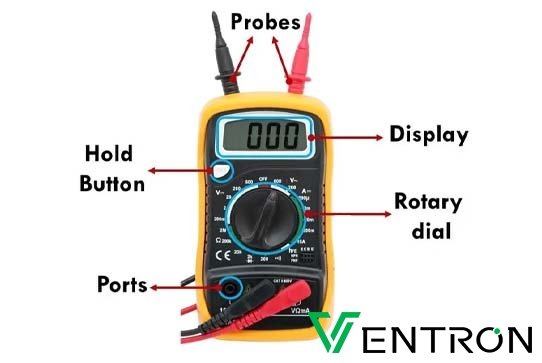
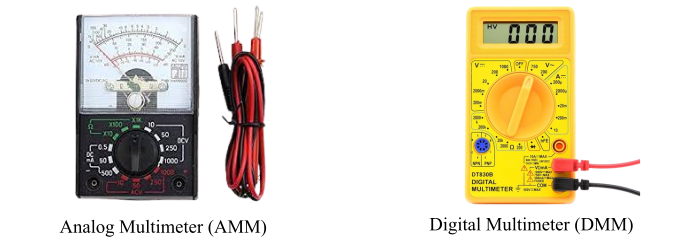
Multimeters measure voltage, current, and resistance in electrical circuits. They can be digital or analog. Digital multimeters show clear readings on a screen.
- Measure AC and DC voltage
- Check current flow
- Test resistance in wires and components
- Detect continuity
Voltage Testers
Voltage testers check if voltage is present in a wire or device. They are simple and quick to use. Some voltage testers light up or beep when voltage is detected.
| Type | Use | Indicator |
| Neon Voltage Tester | Detects AC voltage | Glows when voltage is present |
| Non-contact Voltage Tester | Detects voltage without touching | Beep or light signal |
| Two-Pole Voltage Tester | Checks voltage between two points | Light or meter display |
Continuity Testers
Continuity testers check if a circuit is complete. They help find breaks or faults in wires. These testers usually beep or light up when a connection is good.
Common uses of continuity testers:
- Check wire connections
- Test fuses and switches
- Find breaks in cables
Credit: www.flukebiomedical.com
Advanced Electrical Testers
Advanced electrical testers help electricians check electrical systems safely. They measure different electrical values and detect problems fast.
These testers use modern technology to give clear results. They are important tools for professionals and hobbyists alike.
Clamp Meters
Clamp meters measure electric current without touching wires. They have jaws that open to clamp around a conductor.
This tool reads AC and DC current safely and quickly. It also measures voltage and resistance in some models.
- No need to disconnect wires
- Measures current up to hundreds of amps
- Easy to use in tight spaces
- Useful for troubleshooting electrical circuits
Insulation Testers
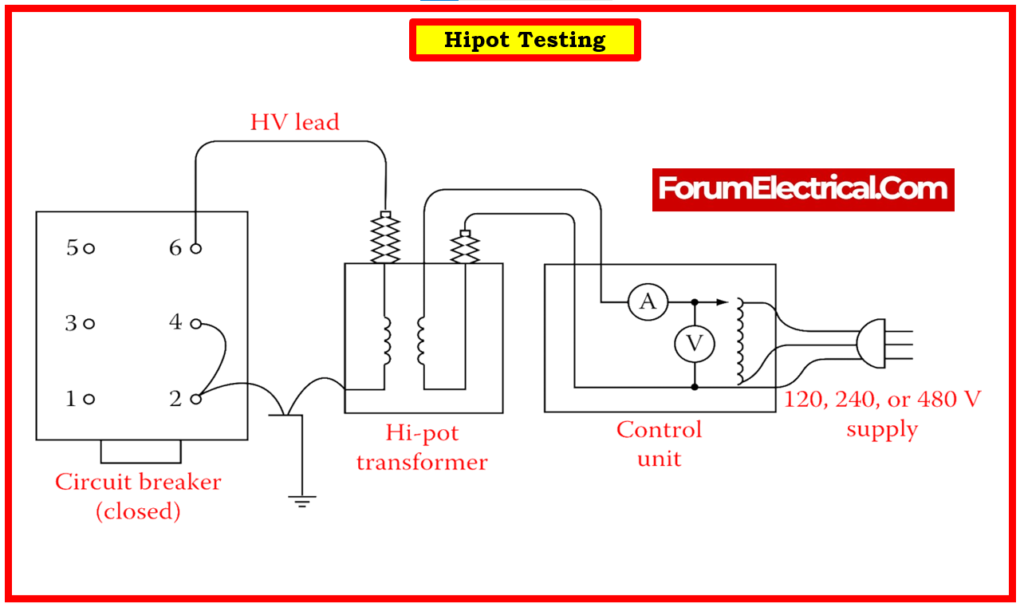
Insulation testers check the quality of electrical insulation. They apply high voltage to wires or devices to find leaks.
Good insulation stops electricity from escaping. These testers help prevent shocks and short circuits by finding weak spots.
- Measures resistance in insulation material
- Detects damage or wear in cables
- Used in motors, transformers, and wiring
- Helps maintain electrical safety
Circuit Analyzers
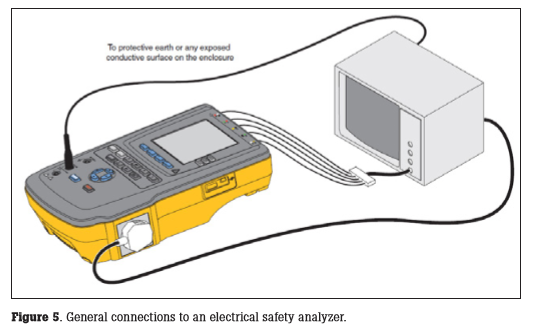
Circuit analyzers test electrical circuits for faults and performance. They check wiring, breakers, and outlets quickly.
These testers show voltage, current, and wiring problems. They help ensure circuits work correctly and safely.
- Detects open or short circuits
- Tests voltage drop and load capacity
- Identifies wiring mistakes
- Useful for home and industrial electrical systems
Specialized Testers For Specific Jobs
Electrical testers help check different parts of electrical systems. Some testers are made for special tasks. They give accurate results for those jobs.
Using the right tester saves time and keeps work safe. Let’s look at some common specialized testers.
Ground Resistance Testers
Ground resistance testers measure how well a ground connection works. Good grounding stops electric shocks and damage. These testers check if the ground wire has low resistance.
They use probes placed in the soil around the ground rod. The tester sends a small current and reads the resistance level. Low resistance means a good ground.
- Check grounding system safety
- Prevent electric shocks
- Test soil conductivity
Phase Rotation Testers
Phase rotation testers find the order of phases in three-phase power systems. Correct phase order keeps motors and machines running right. Wrong order can cause damage.
These testers connect to the power lines and show the rotation direction. Electricians use them to avoid mistakes during installation or repairs.
- Check phase sequence
- Protect motors and equipment
- Easy and quick testing
Loop And Line Impedance Testers
Loop and line impedance testers measure the resistance in an electrical loop. This includes wiring, connections, and protective devices. Proper impedance ensures safety and correct breaker operation.
These testers apply a test current and measure voltage drop. The results help check if circuits meet safety standards and work well.
- Verify circuit safety
- Check wiring quality
- Ensure breaker trips correctly
Choosing The Right Tester
Electrical testers help find problems in wires and devices. Picking the right tester makes the job easier and safer.
Different testers work best for different tasks. Knowing what to check helps you choose the best one.
Assessing Job Requirements
Think about what you need to test. Some testers check voltage, others check continuity or current.
Choose a tester that fits the type of work you do most often. This saves time and effort.
- Test voltage in outlets or circuits
- Check if wires are connected
- Measure current flow in devices
- Detect live wires for safety
Safety Considerations
Safety matters when working with electricity. Use testers with proper ratings for your tasks.
Look for testers with features like insulated cases and overload protection. This lowers the risk of shocks.
- Check tester’s voltage rating
- Use insulated handles
- Choose testers with overload protection
- Follow safety rules during testing
Budget And Features
Testers come at many prices. Decide how much you want to spend before buying.
More expensive testers often have extra features. Basic testers work well for simple jobs.
| Feature | Basic Tester | Advanced Tester |
|---|---|---|
| Voltage Measurement | Yes | Yes |
| Current Measurement | No | Yes |
| Continuity Test | Yes | Yes |
| Auto-Ranging | No | Yes |
| Backlight Display | No | Yes |
| Price | Low | High |
Tips For Using Electrical Testers Safely
Electrical testers help check circuits and devices for safety and functionality. Using them correctly keeps you safe from shocks and damage.
Follow safety rules and use the right tools to avoid accidents. This guide covers key tips for safe use of electrical testers.
Personal Protective Equipment
Always wear personal protective equipment (PPE) when working with electrical testers. PPE reduces the risk of injury from electric shocks and sparks.
- Use insulated gloves rated for electrical work.
- Wear safety glasses to protect your eyes.
- Use flame-resistant clothing if working near live wires.
- Wear rubber-soled shoes to reduce shock risk.
- Ensure PPE is in good condition before use.
Proper Handling Techniques
Handle electrical testers carefully to avoid damage and false readings. Proper handling also protects you from electrical hazards.
- Turn off power before connecting the tester to circuits.
- Hold testers by insulated parts only.
- Do not touch metal tips while testing.
- Keep tester probes away from each other during testing.
- Store testers in dry, clean places after use.
Regular Calibration And Maintenance
Regular calibration and maintenance ensure your tester works correctly. Faulty testers can give wrong results and cause accidents.
| Task | Frequency | Details |
| Calibration | Every 6 months | Check accuracy with a certified lab or equipment |
| Visual Inspection | Before each use | Look for cracks, broken leads, or worn insulation |
| Battery Check | Monthly | Replace batteries to avoid power loss during testing |
| Cleaning | After every use | Wipe with dry cloth to remove dust and moisture |
Credit: forumelectrical.com
Common Testing Mistakes To Avoid
Using electrical testers is important for safety and accuracy. Many people make simple mistakes that cause wrong results.
Avoiding these errors helps you get correct readings and stay safe while working with electricity.
Ignoring Manufacturer Guidelines
Every electrical tester comes with instructions. These explain how to use the tool safely and correctly.
Ignoring these guidelines can lead to damage or false readings. Always read and follow the manual before testing.
- Check voltage limits before use
- Use recommended batteries and accessories
- Follow safety warnings carefully
Misinterpreting Readings
Testers show numbers or lights to indicate electrical values. Misreading these signs can cause wrong conclusions.
Learn what each symbol and number means. Take time to understand normal versus abnormal results.
- Know the units used (volts, ohms, amps)
- Double-check results if unsure
- Compare readings with expected values
Using Wrong Tester For The Job
Different testers measure different things. Using the wrong type can give false or no results.
Choose a tester that fits the task, such as voltage, current, or continuity testing.
- Use a multimeter for general checks
- Use a voltage tester for live wires only
- Use an insulation tester for cable checks
Frequently Asked Questions
What Are The Main Types Of Electrical Testers?
Electrical testers include multimeters, voltage testers, continuity testers, and clamp meters. Each type serves specific functions like measuring voltage, current, resistance, or continuity in electrical circuits.
How Does A Multimeter Differ From A Voltage Tester?
A multimeter measures voltage, current, and resistance, while a voltage tester only detects voltage presence. Multimeters provide detailed readings, making them more versatile for various electrical tasks.
When Should I Use A Continuity Tester?
Use a continuity tester to check if a circuit or wire is complete. It helps identify breaks or faults by indicating electrical flow through the path.
Are Clamp Meters Safe For Measuring Current?
Yes, clamp meters measure current without direct contact by clamping around a conductor. This non-invasive method enhances safety and convenience during electrical measurements.
Conclusion
Understanding electrical testers helps in choosing the right tool. Various types cater to different needs. Consider what tasks you perform most often. This guides your selection. Multimeters, voltage testers, and clamp meters each have unique benefits. Identifying these can prevent mishaps and ensure safety.
Remember, using the correct tester saves time and effort. Always prioritize safety when working with electricity. Proper tools make electrical work simpler. So, equip yourself with the right tester for your tasks. Stay informed and safe while working with electrical systems.
