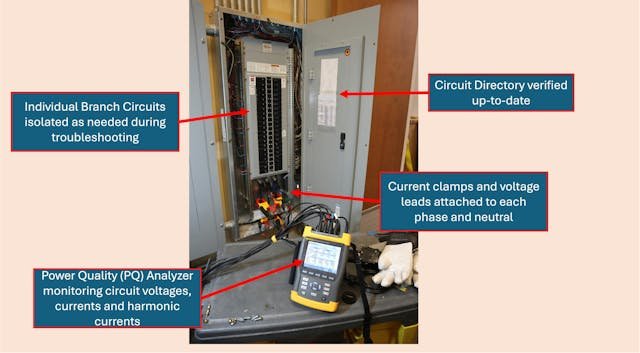
Are you struggling to find out why your circuit isn’t working? Electrical problems can be frustrating and confusing, especially when you don’t know where to start.
But don’t worry—understanding how to troubleshoot your circuits can save you time, money, and stress. In this guide, you’ll discover simple steps and tips that make diagnosing and fixing electrical issues easier than you think. Keep reading, and you’ll gain the confidence to tackle your circuit problems like a pro.
Credit: safeandsoundelectric.com
Common Circuit Issues
Electrical circuits sometimes stop working properly. Understanding common issues helps fix problems faster.
This guide covers short circuits, open circuits, ground faults, and overloads. Each type has unique signs and causes.
Short Circuits
A short circuit happens when wires touch that should not. This causes a large current flow.
Signs of a short circuit include sparks, smoke, or a breaker that trips quickly.
Open Circuits
An open circuit stops the flow of electricity. It happens when a wire breaks or a connection is loose.
Devices on the circuit will not work because electricity cannot complete its path.
Ground Faults
Ground faults occur when electricity flows outside the intended path to the ground.
- Caused by damaged insulation or wet conditions
- Can lead to electric shock or fires
- Detected by ground fault circuit interrupters (GFCIs)
Overloads
Overloads happen when too much current flows through a circuit for a long time.
| Cause | Effect |
| Too many devices on one circuit | Heated wires and tripped breakers |
| Faulty appliances | Increased risk of damage or fire |
| Incorrect circuit design | Frequent outages or damage |

Credit: www.raypcb.com
Essential Tools For Troubleshooting
Electrical troubleshooting helps find problems in circuits. Using the right tools makes this task easier and safer.
These tools help check if parts are working or if wires are broken. Understanding these tools is key for fixing circuits.
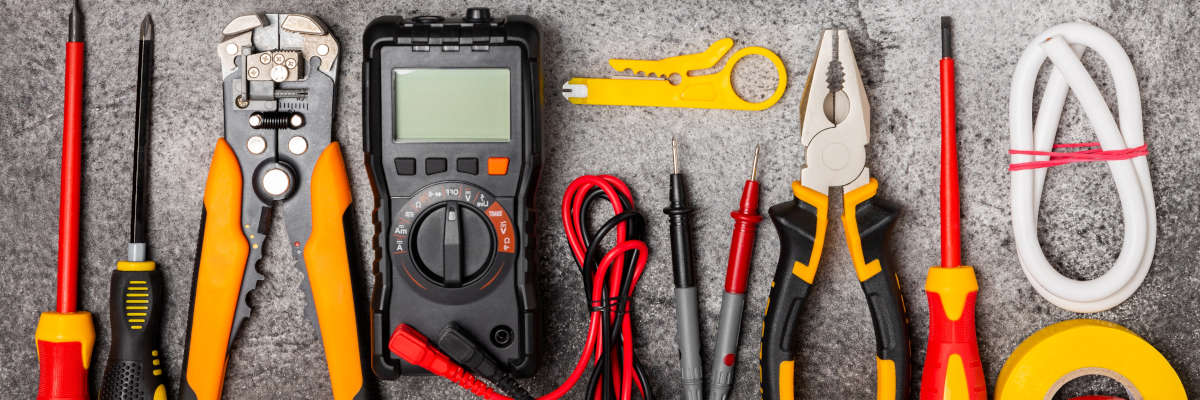
Multimeters
Multimeters measure voltage, current, and resistance in a circuit. They help find where electricity flows or stops.
Both digital and analog multimeters can be used. Digital ones are easier to read and more common today.
- Measure voltage to check power supply
- Test current to see if devices draw power
- Check resistance to find broken wires or parts
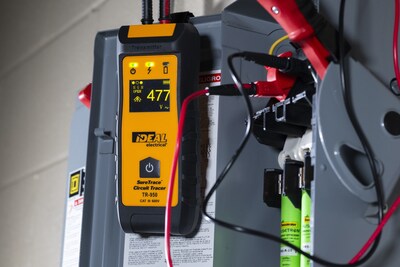
Circuit Testers
Circuit testers check if electricity flows through a wire or device. They show if a circuit is complete or broken.
Simple testers light up or beep when a circuit works. They are quick tools for basic checks.
- Continuity testers check if wires connect properly
- Voltage testers detect presence of electrical power
- Polarity testers confirm correct wiring direction
Insulation Resistance Testers
Insulation testers measure how well wires or parts resist electricity leaking. Good insulation keeps circuits safe.
These testers apply high voltage and measure resistance. High resistance means insulation is good and safe.
- Detect damaged or worn insulation
- Prevent short circuits and shocks
- Ensure safety in electrical installations
Thermal Cameras
Thermal cameras show heat patterns in electrical parts. Hot spots can mean problems like overload or loose connections.
These cameras help find faults without touching the circuit. They save time and increase safety during checks.
- Locate overheating wires or components
- Identify load imbalances in circuits
- Detect early signs of electrical failure
Step-by-step Troubleshooting Process
Electrical troubleshooting helps find problems in circuits. It follows clear steps for safety and accuracy.
Using simple tools, you can check each part of the circuit. This guide shows you how to do it right.
Visual Inspection
Look closely at the circuit for signs of damage. Check for burnt parts, loose wires, or broken connections.
- Find damaged wires or insulation
- Spot burnt or discolored components
- Check if connectors are tight and clean
- Look for signs of moisture or corrosion
Testing Voltage And Current
Use a multimeter to measure voltage and current. Confirm the circuit gets the right power supply.
| Test Type | What to Check | Expected Result |
| Voltage | Across power terminals | Matches circuit rating |
| Current | Through circuit path | Within safe limits |
Checking Continuity
Continuity testing shows if wires and connections are complete. Use the continuity mode on your meter.
- Turn off power before testing
- Connect meter leads to each end of the wire or path
- Check for a beep or zero resistance reading
- If no continuity, the wire or connection is broken
Isolating Faulty Components
Remove or disconnect parts one by one. Test each to find the faulty component causing the issue.
| Component | Action | Test Result |
|---|---|---|
| Resistor | Measure resistance | Compare to rating |
| Capacitor | Check for short or open | Use capacitance mode |
| Transistor | Test junctions with diode mode | Look for correct readings |
| Switch | Check open/close function | Continuity when closed |
Safety Precautions
Electrical troubleshooting can be risky without the right safety steps. Taking precautions helps protect you and others.
Follow safety rules to avoid accidents and injuries when working with electrical circuits.
Personal Protective Equipment
Wear the correct gear to protect yourself from electrical shocks and burns. Use insulated gloves and safety glasses.
- Insulated rubber gloves
- Safety goggles or glasses
- Flame-resistant clothing
- Non-conductive footwear
- Hard hats if overhead hazards exist
De-energizing Circuits
Always turn off power before starting any work on circuits. Use lockout and tagout devices to keep power off.
Test the circuit with a voltage tester to confirm it is de-energized before touching any wires.
Proper Work Environment
| Condition | Requirement |
| Lighting | Bright and even |
| Workspace | Dry and clean |
| Tools | Insulated and in good condition |
| Floor | Non-slip surface |
| Weather | Avoid wet or stormy conditions |
Emergency Procedures
Know how to respond if an accident happens. Keep emergency numbers and first aid kits nearby.
- Shut off power immediately if safe
- Call emergency services
- Use a fire extinguisher rated for electrical fires
- Perform first aid if trained
- Report the incident to a supervisor
Tips For Speedy Repairs
Fixing electrical circuits can be tricky and slow without the right plan. Speed matters to avoid long power outages and save money.
Using good tools and clear steps helps find and fix problems faster. This guide shares tips to speed up your repairs safely and correctly.
Organizing Tools And Equipment
Keep all tools and parts in one place before starting work. This saves time searching for things later.
Label your tools and store them by use. Have testers, wire cutters, and screws ready to avoid delays.
- Use a toolbox with compartments
- Keep spare parts handy
- Charge batteries for cordless tools
- Arrange tools by size and type
Systematic Approach
Check the circuit step-by-step to find the problem quickly. Start from the power source and move along the wires.
Test each part carefully. Fix small issues first to avoid bigger troubles later.
- Turn off power before testing
- Use a multimeter for voltage checks
- Follow wiring diagrams closely
- Replace faulty parts immediately
Using Diagnostic Software
Software tools help find errors in complex circuits faster than manual checks. They give clear reports on problems.
Use apps or devices that connect to your circuit to run tests. They guide you on what to fix next.
- Scan circuits for faults automatically
- View real-time data on circuit health
- Save test results for review
- Use software with easy interfaces
Documenting Findings
Write down what you find during troubleshooting. Notes help track problems and repairs clearly.
Good records save time if the issue returns. They also help others understand the circuit’s history.
- Note the problem symptoms
- Record test results and measurements
- List parts replaced or repaired
- Keep photos of wiring setups
Credit: www.tmcnet.com
Preventive Measures
Electrical circuits need care to work safely and well. Preventive steps stop problems before they start. This helps avoid costly repairs and downtime.
Following simple rules keeps circuits reliable. These measures focus on regular checks, better parts, correct setup, and system watching.
Regular Maintenance
Check wiring and connections often to find wear or damage. Clean dust and debris from circuit boards and panels. Replace worn parts quickly to avoid failures.
- Inspect circuit breakers and fuses monthly
- Tighten loose connections to prevent sparks
- Remove dust using dry cloth or compressed air
- Look for signs of corrosion or overheating
Upgrading Components
Old parts can cause faults and hazards. Replace outdated components with newer, safer models. Use parts that meet current safety standards.
| Component | Upgrade Reason | Benefit |
| Wiring | Insulation wear | Improves safety and conductivity |
| Circuit Breakers | Outdated rating | Prevents overloads and fires |
| Switches | Frequent failures | Ensures reliable operation |
Proper Installation Practices
Install circuits using correct tools and methods. Follow wiring diagrams and safety codes carefully. Avoid shortcuts to reduce risk of faults.
- Use correct wire sizes for the load
- Secure all connections tightly
- Keep circuits away from moisture sources
- Label wires clearly for easy troubleshooting
Monitoring Systems
Use devices to track circuit health. Monitor voltage, current, and temperature regularly. Early warnings help fix issues before failure.
- Install circuit monitors and alarms
- Use thermal cameras to spot hot spots
- Keep logs of electrical readings
- Schedule regular system reviews
Frequently Asked Questions
What Are Common Causes Of Electrical Circuit Failures?
Common causes include loose connections, faulty components, short circuits, and overloaded circuits. Regular inspection helps identify these issues early and prevent damage.
How Do I Safely Troubleshoot Electrical Circuits?
Always turn off power before inspecting circuits. Use insulated tools and a multimeter to test voltage and continuity safely.
What Tools Are Essential For Electrical Troubleshooting?
A multimeter, voltage tester, wire stripper, and insulated screwdrivers are essential tools for effective troubleshooting and repairs.
How Can I Identify A Short Circuit In Wiring?
Look for signs like tripped breakers, burnt smells, or damaged insulation. Use a multimeter to test for continuity issues.
Conclusion
Navigating electrical circuits can seem challenging. But with the right approach, it’s manageable. Start by understanding the circuit’s components and their connections. Identify common issues like faulty wires or blown fuses. Use tools like multimeters for accurate testing. Always prioritize safety.
Wear protective gear and disconnect power before inspection. Practice makes perfect. Over time, your troubleshooting skills will improve. Knowledge grows with experience. By following these simple steps, you can effectively troubleshoot circuits. Remember, safety first and stay patient. Happy troubleshooting!